Products

Featured products

Lanen Customized Combined Container house Complex

  • Lanen Customized Combined Container house Complex
  • Lanen Customized Combined Container house Complex
  • Lanen Customized Combined Container house Complex
  • Lanen Customized Combined Container house Complex
  • Lanen Customized Combined Container house Complex
  • video
  • Lanen
  • Foshan
  • 10 days
  • 1000sets/month
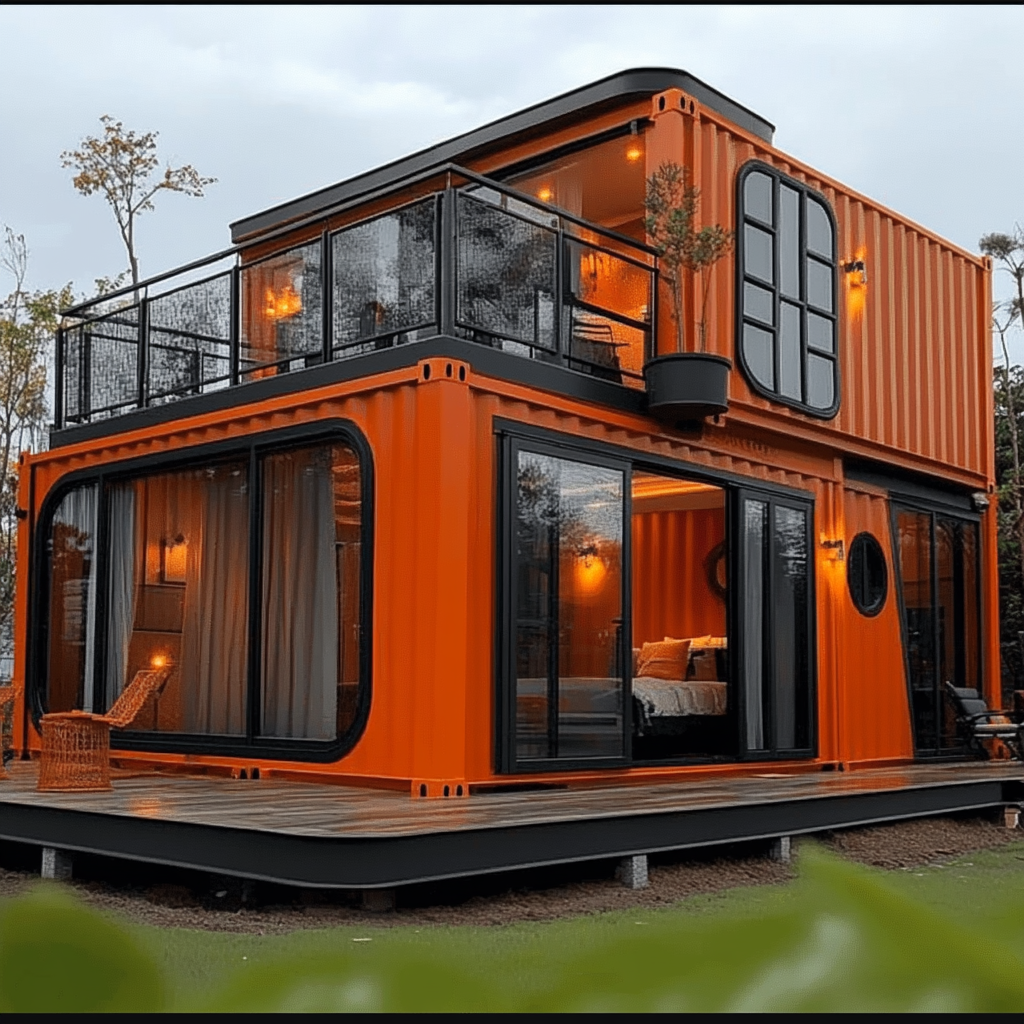
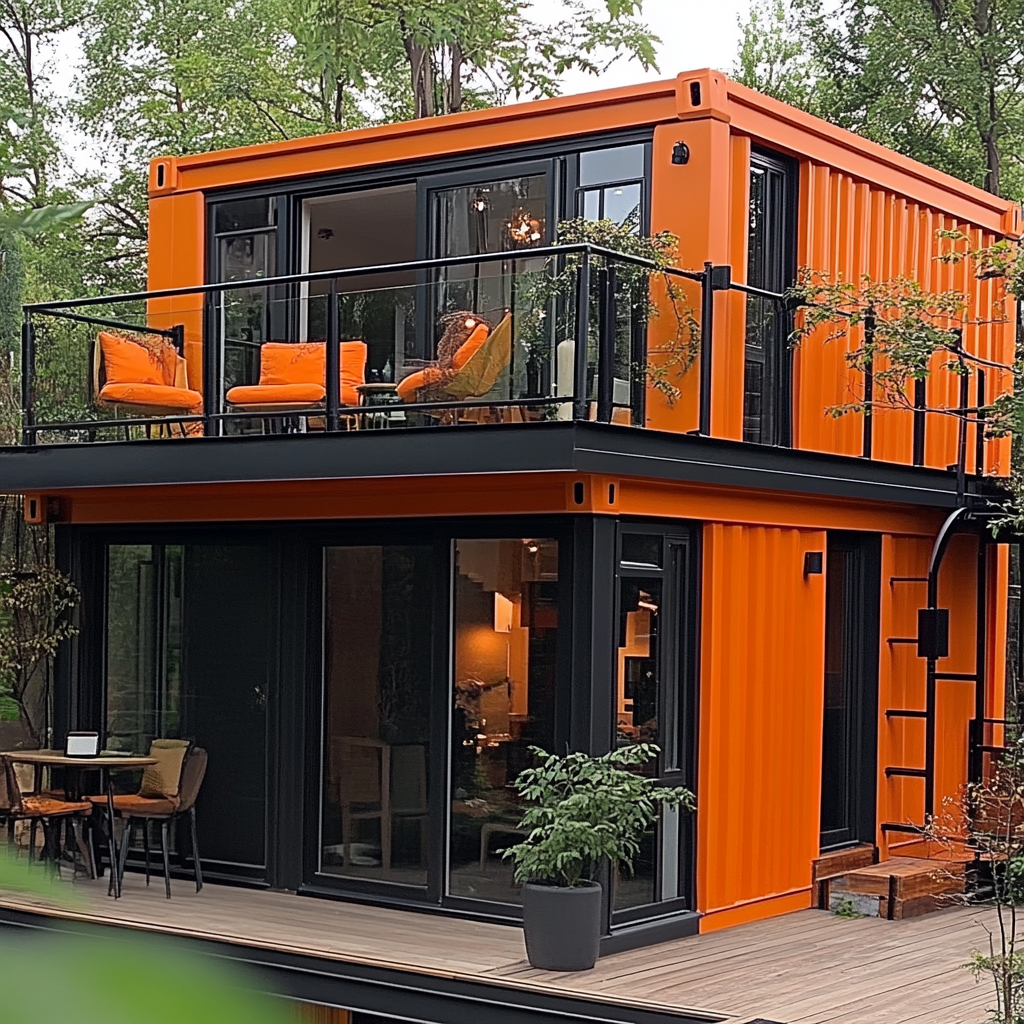
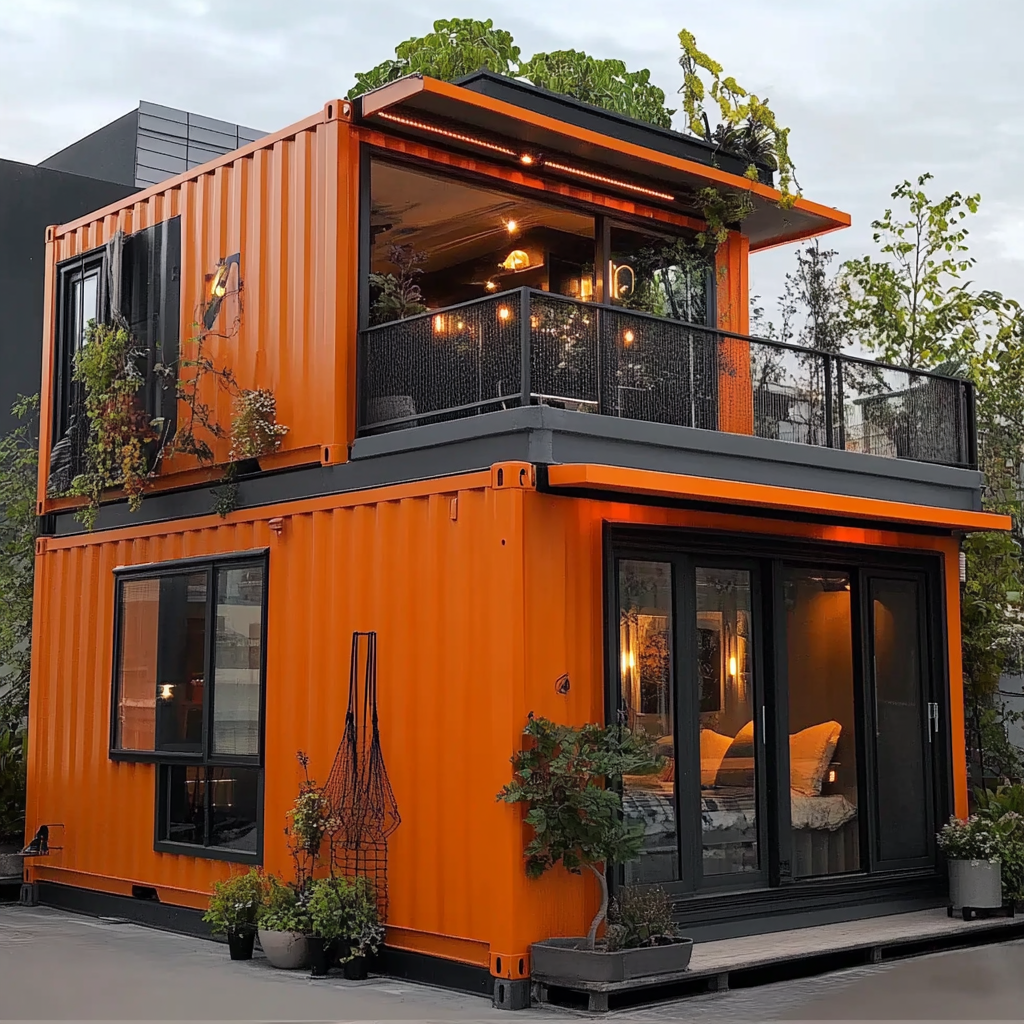
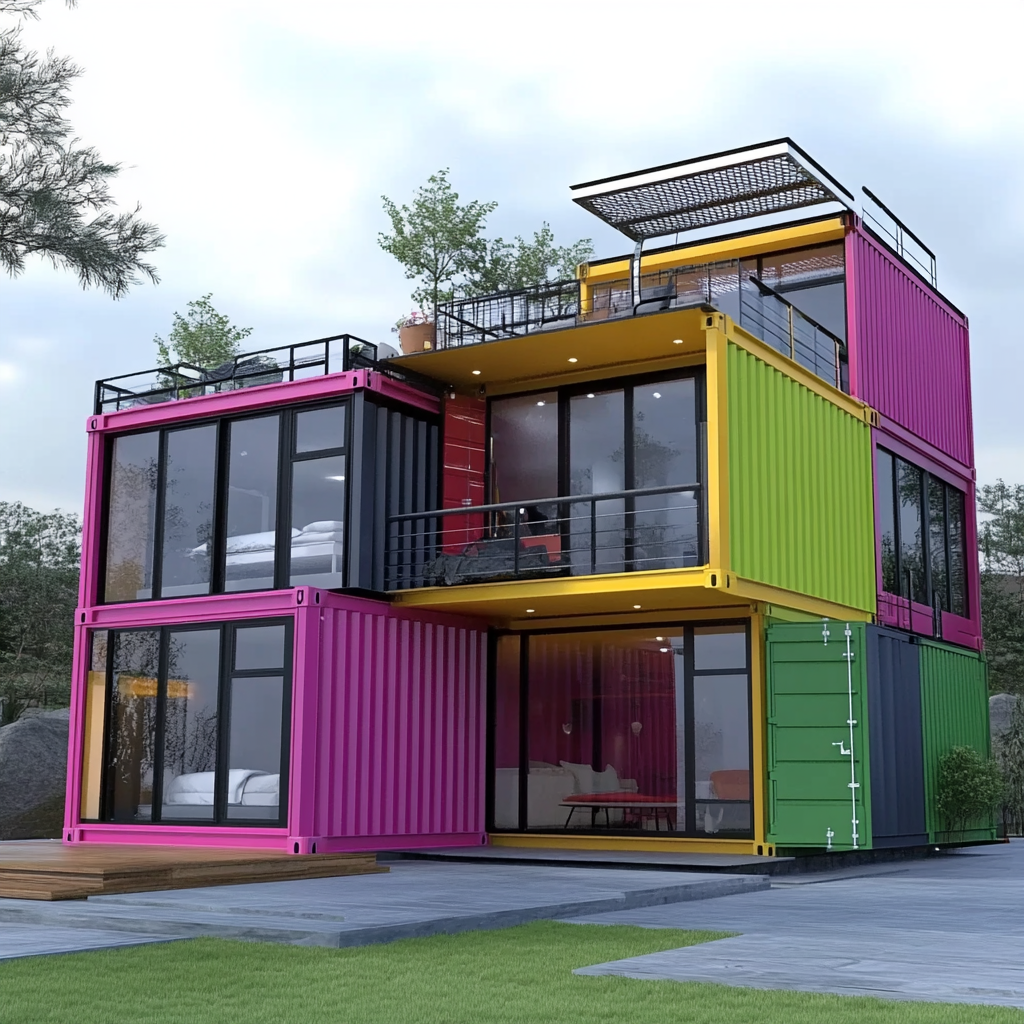
Lanen's Combined Container house Complex turns standardized containers into human-scaled retail, office, and hospitality spaces. Ergonomic planning (1.5-1.6 m eye height, 1000-1800 mm storage), transformable/telescopic modules, and stacking/offsets outperform typical shipping container house sites.

If you’ve ever tried to turn stacked boxes into places people actually enjoy, you know the hard part isn’t steel—it’s space. A Combined Container house Complex demands tight control of module joins, human‑scale comfort, and flexible circulation. That’s exactly where Lanen focuses: rigorous modular planning, factory precision, and field‑tested layouts that outperform a typical shipping container house cluster.

Combined Container house Complex

What It Is

  • A modular campus built from standardized container units, combined by plan and section to create retail streets, offices, dorms, homestays, and public hubs.

  • Units act as both structure and space, so how you combine them decides the true capacity and comfort of the complex.

Design Standards We Follow

  • Ergonomics first: standing eye height 1.5–1.6 m; natural sight range is ±10° standing, ±15° sitting—so signage, glazing heads, and fixtures sit where people actually look.

  • Width perception: when facing one end, eyes are ~2200 mm from the side plates—use this to place focal points and avoid “tunnel” effects.

  • Storage and display: keep top heights around 1000–1800 mm to make rooms read wider; keep object density ≤60% of volume for visual breathing room.

  • Modular zoning: we divide lengthwise by use (living, retail, office) and factory‑build functional modules; onsite, we splice and tune combinations for your program—standardized base, customized outcomes.

Combined Container house

Expandable Single‑Box Strategies

  • Transform and fold: flip a side panel down for a terrace; use a hydraulic flip‑up to form a sun/rain canopy—instant outdoor room without extra footprint.

  • Telescopic growth: a sliding side module runs on wall‑integrated pulleys; locked inside for transport, then pulled out on site to expand up to 2× the original interior. A dedicated sliding door at the extension keeps circulation clean.

Proven Combination Patterns

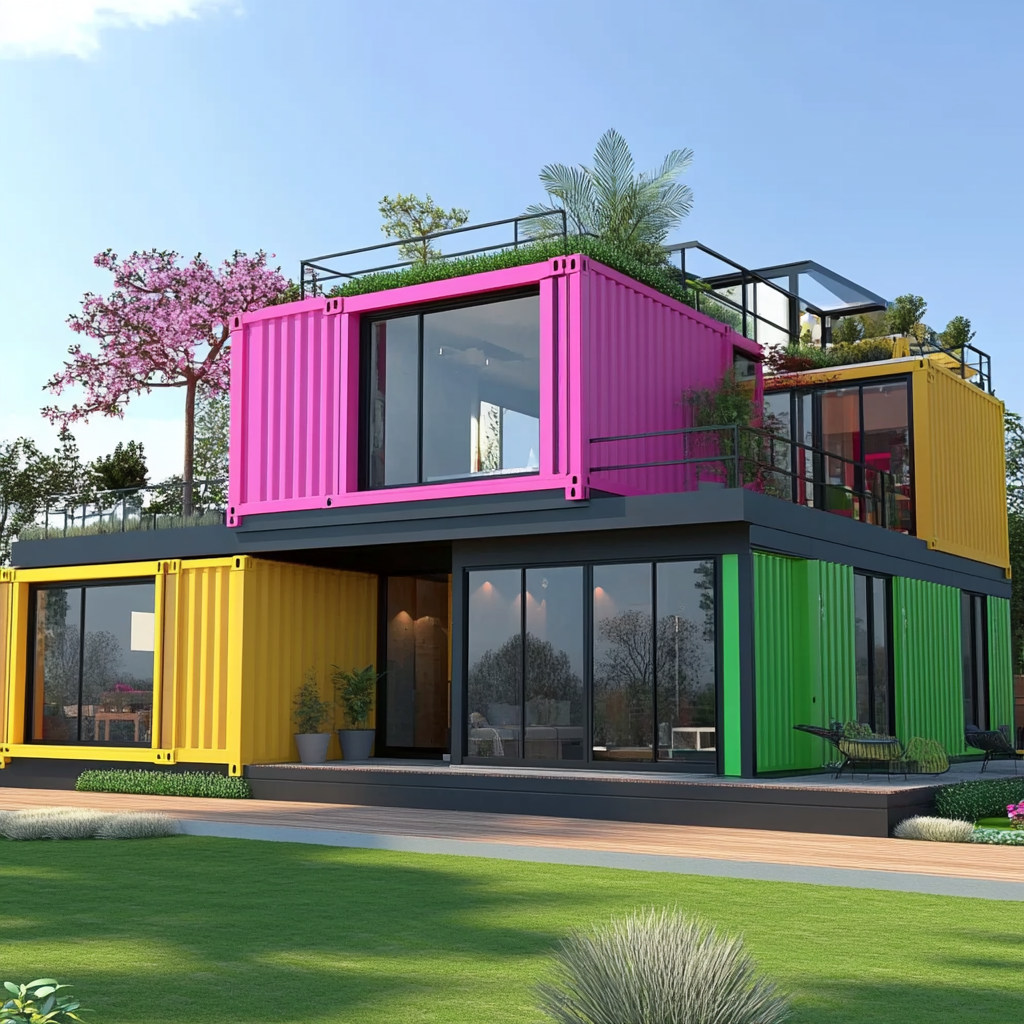
  • Horizontal splicing: the baseline for a Combined Container house Complex. Aligning corner posts yields a stable frame and a clean, continuous street front—ideal for clear tenant bands and easy wayfinding.

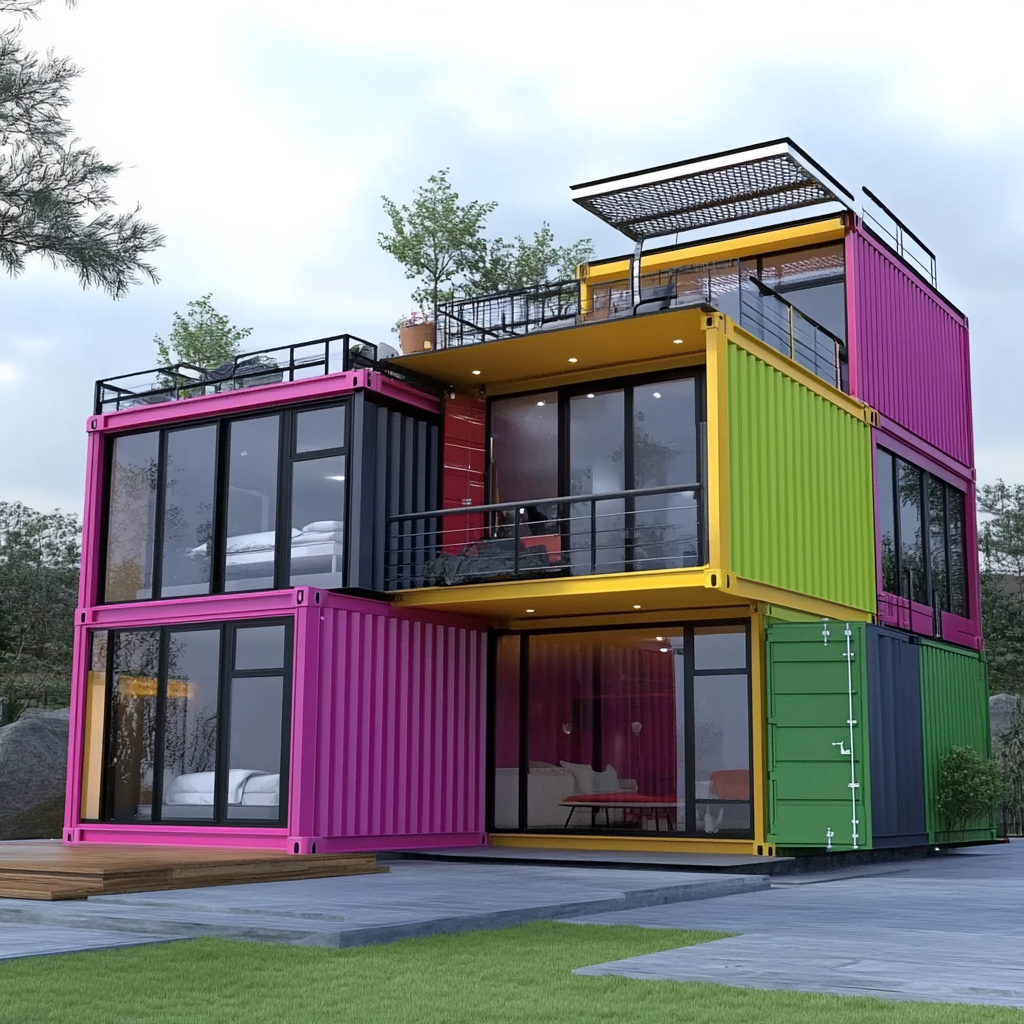
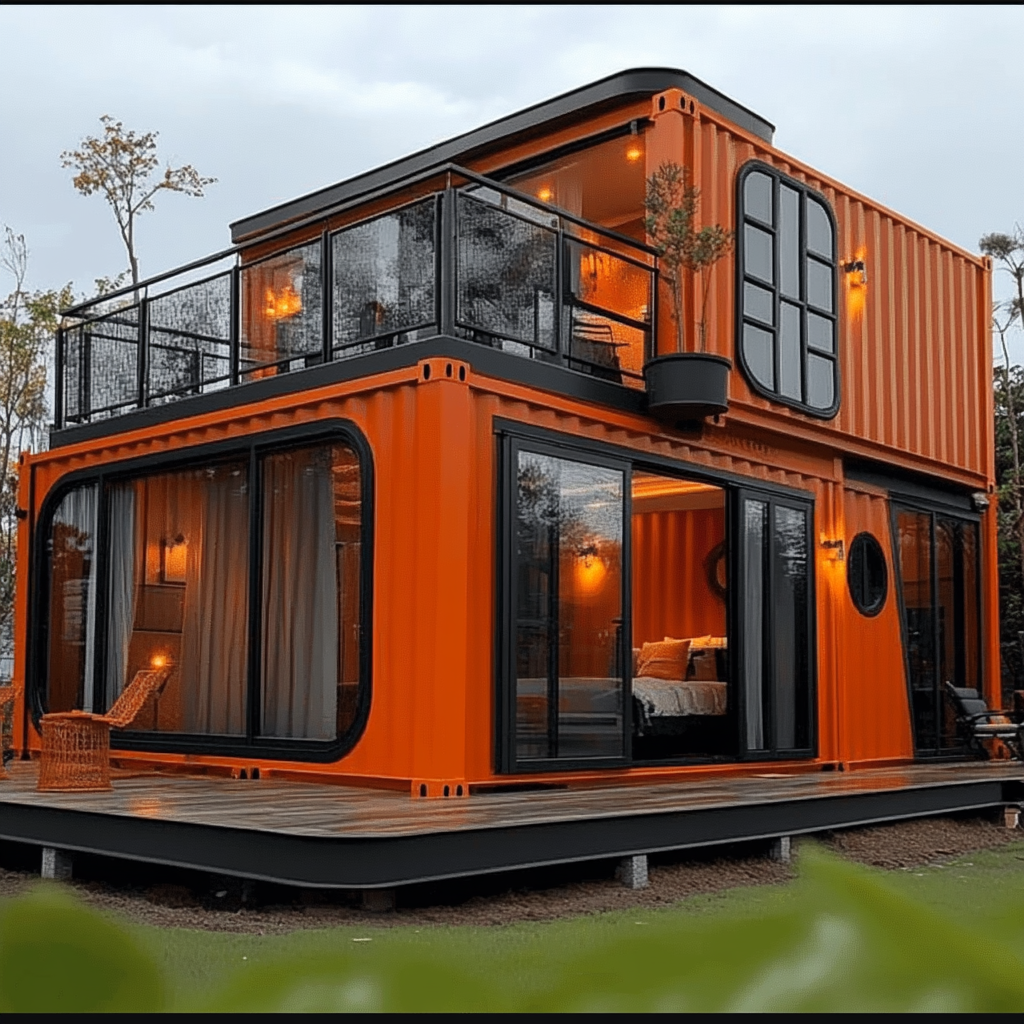
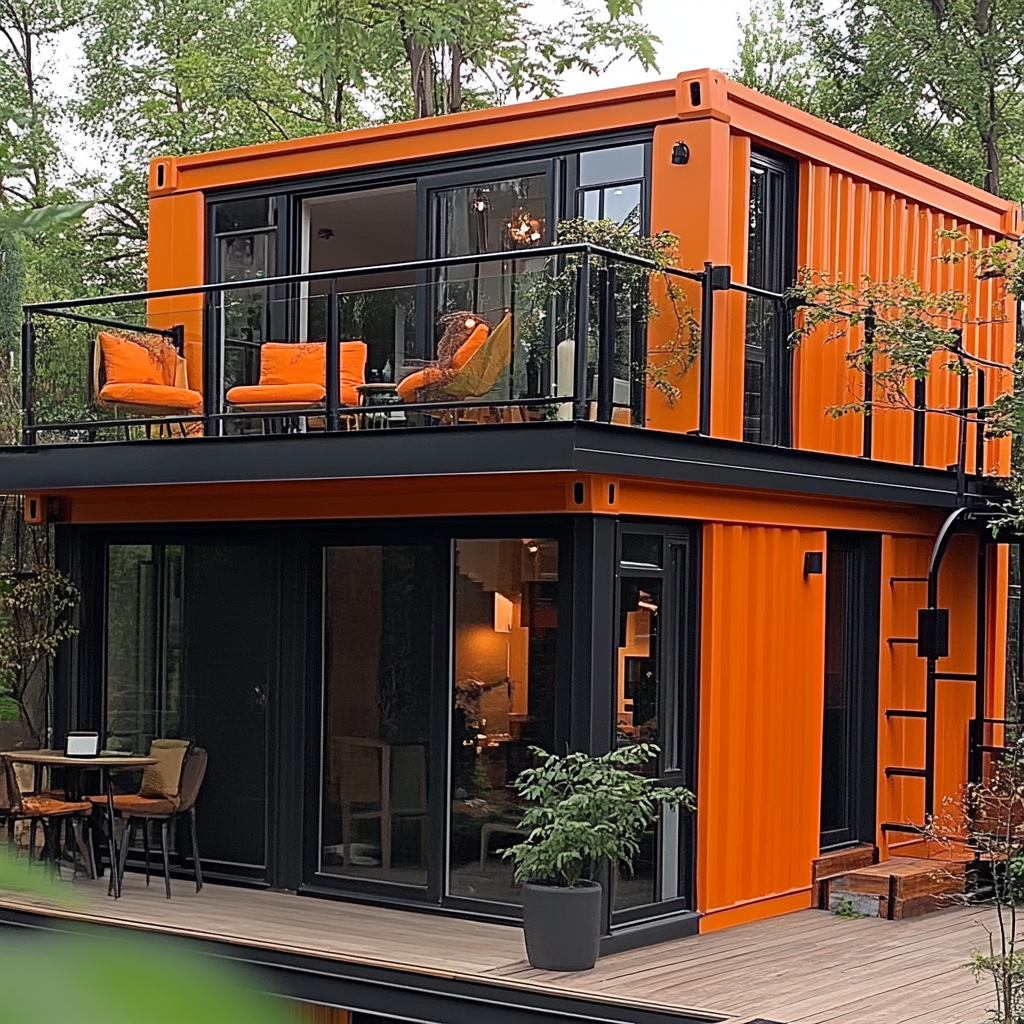
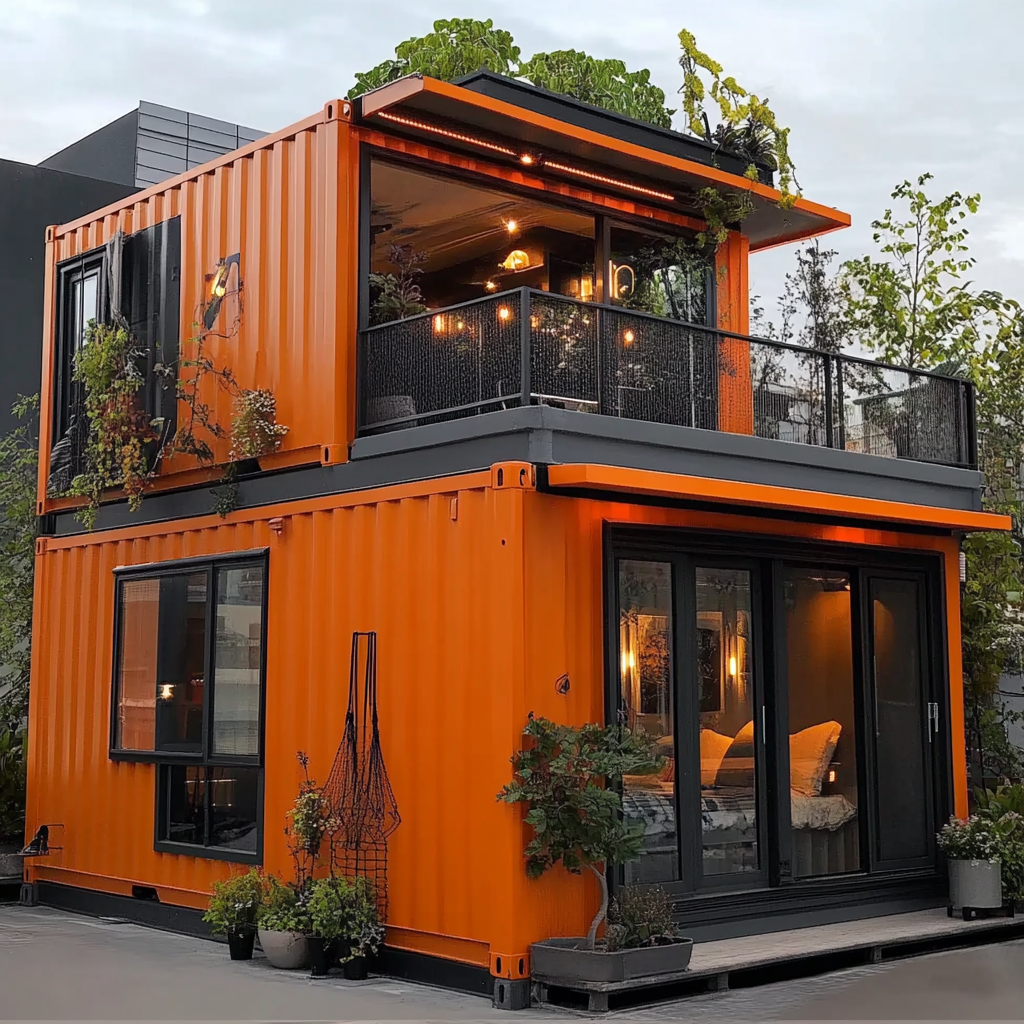
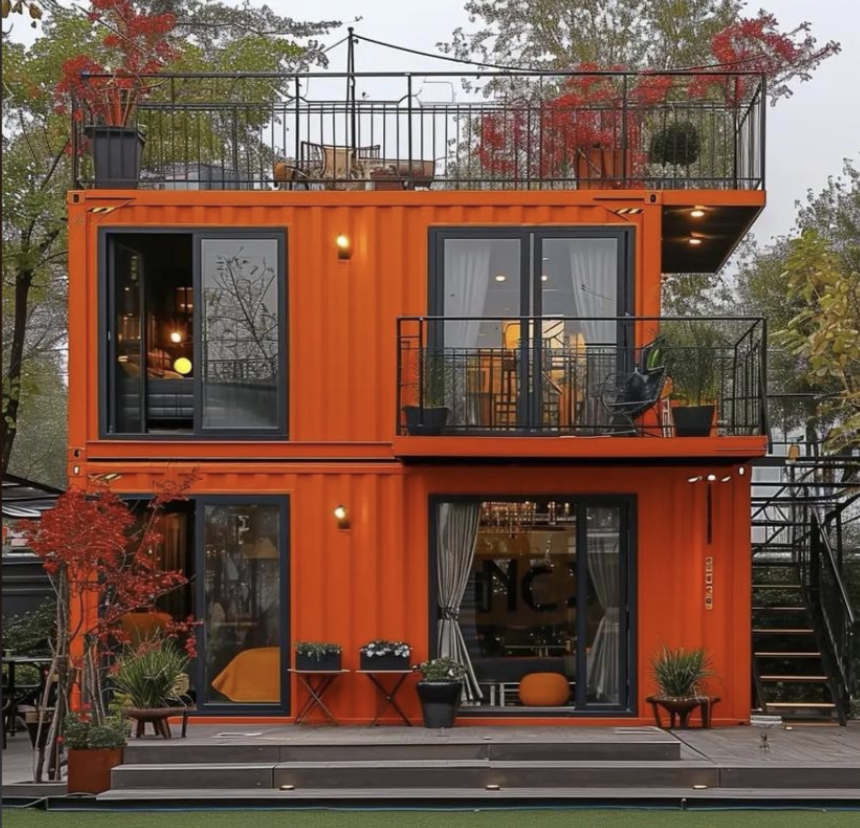
  • Vertical stacking: grow up when land is tight; the vertical figure creates natural landmarks for urban cores and high‑density culture/tourism sites.

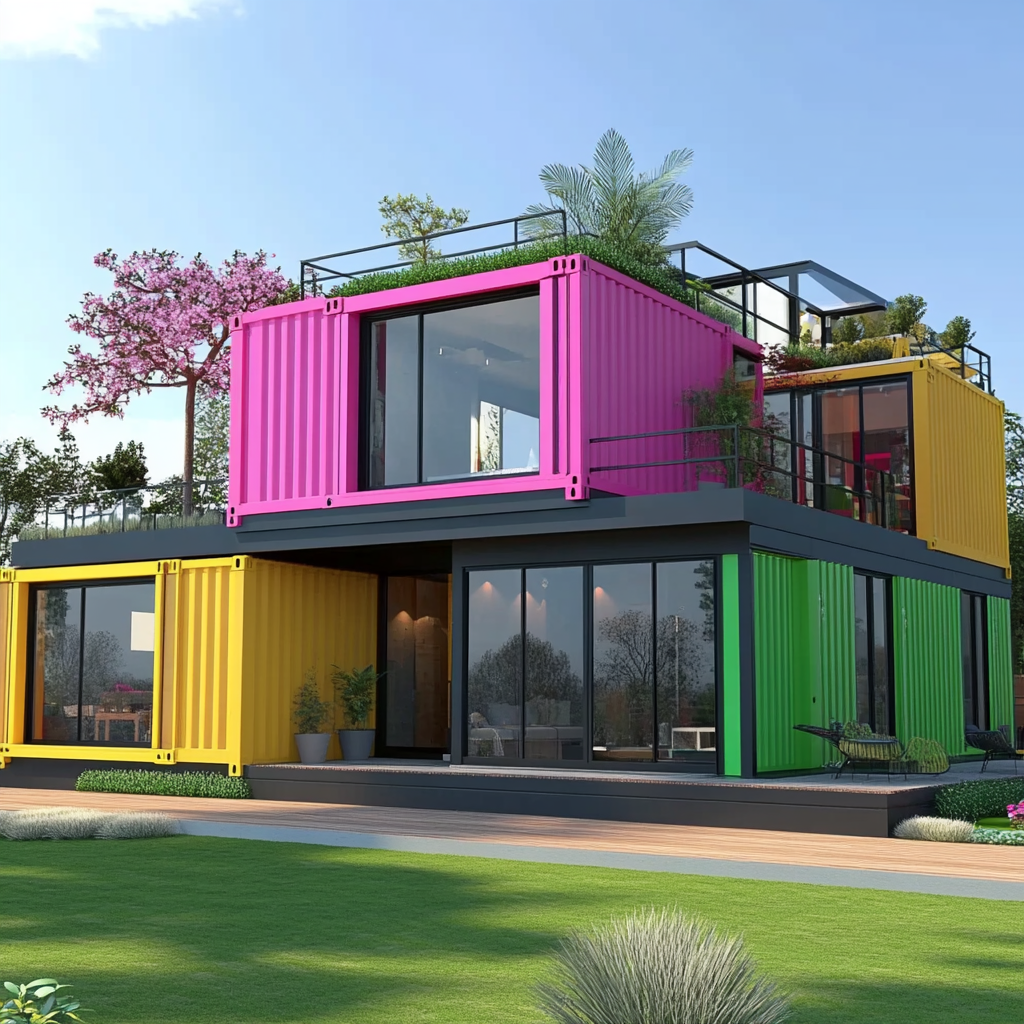
  • Parallel offsets: “upper‑long/lower‑short” or “upper‑small/lower‑large” pairings create terraces and outdoor platforms. Great for slopes or waterfronts, and it reduces grading cost.

  • Cross intersections: X‑shaped overlaps set a natural focal node—perfect for a ceremonial entry or a main anchor store.

  • Angled placement: tilt boxes to create directional, dynamic routes and guide footfall; more playful, more discoverable.

  • Large‑span “float”: bridge an upper box across two supports to open a wide ground‑level space—use it for shows, family activities, or outdoor dining.

  • 3D interlocks: weave boxes in plan and section for double‑height interiors or sculpted corners; the inside feels bigger than the footprint.

  • Corridor serial links: the classic approach to super‑scale shipping container house layouts—simple flows and repeatable rooms. Add rhythm (vary corridor lengths) or even curved segments to avoid monotony.

  • Vertical traffic cores: compact stairs/elevators that link just a few rooms per floor; higher privacy, tighter plans—great for apartments and office stacks.

  • Central‑void typology: place a large shared space at the heart; ring it with units to break single‑module limits and stage events or retail atriums.

shipping Container house

Where It Works

  • Retail streets and pop‑ups: horizontal splicing gives a continuous commercial interface; angled and cross nodes drive natural gathering.

  • Offices and dorms: vertical stacking + vertical traffic cores keep floors quiet and independent.

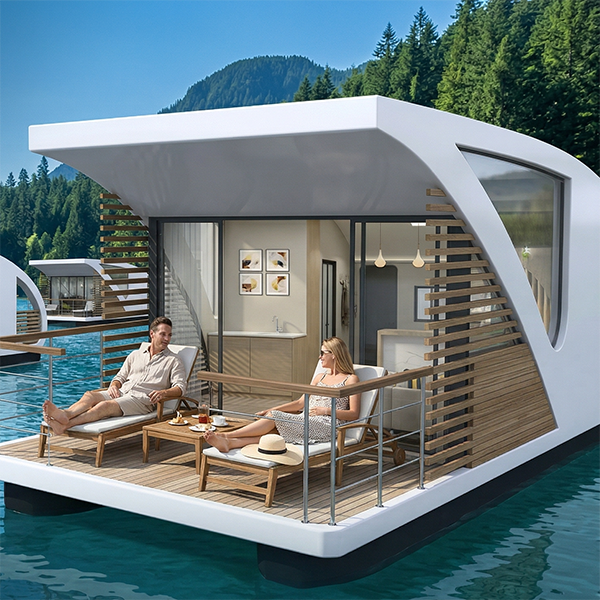
  • Resorts and homestays: large glazing pulls in light; modules adapt to complex terrain; terraces from offsets make views usable.

  • Public/service hubs: central‑void layouts host fairs, clinics, or civic counters with clear circulation.

Combined Container house Complex

Buyer Questions (Straight Answers With Data)

  • How do you keep rooms comfortable, not cramped?

    • We design to human measures: 1.5–1.6 m standing eye height, ±10°/±15° sight cones, and ~2200 mm eye‑to‑side distance. Storage heights stay around 1000–1800 mm; density ≤60%.

  • Can a single unit really feel bigger?

    • Yes. The telescopic module on wall pulleys expands interior volume up to 2×. In transit it locks inside; on site it slides out with its own door.

  • We’re on a slope—will this cost a fortune to level?

    • Use parallel offsets to form stepped terraces. This approach suits mountainsides and waterfronts and helps cut site‑leveling costs.

  • We need a “wow” entry. Options?

    • Cross intersections naturally form a focal point and ceremonial gate; angled boxes steer flows to that node.

  • How do you improve daylight and wind in dense blocks?

    • Misalign boxes to increase surface area; more facade means more windows and vents—better light and cross‑breeze than a strict grid.

  • We’re planning a large complex. How do you avoid boring corridors?

    • Corridor serial links are efficient; we break repetition by varying corridor lengths and inserting curved segments to set a walkable rhythm.

  • What if privacy matters more than a long hallway?

    • Switch to vertical traffic cores. They’re compact and typically connect only a few rooms per level—quieter and more private.

  • Can we host events under the building?

    • Use the large‑span “float”: bridge an upper box between two supports to open the ground plane for performances, kids’ areas, or outdoor dining.

  • Is this truly “ready to move in” for hospitality?

    • Yes. Prefabricated homestay modules are designed so guests can “arrive with luggage.” Big windows, thoughtful furniture placement, and finishes are factory‑defined, then site‑tuned.

  • How customizable is it?

    • Lengthwise modular zoning lets us prebuild living/retail/office modules, then combine per site and brand—standardized backbone, tailored façade and fit‑out.

Combined Container house

Why Lanen

  • We treat the Combined Container house Complex as a system: ergonomics, spatial strategy, and structural alignment work together. Our teams plan modules by function, use transformable and telescopic tricks to win space, and combine boxes with patterns that match your brief—not the other way around.

Summary

A Lanen Combined Container house Complex turns standardized units into real places—comfortable, flexible, and tuned to how people move. With data‑driven ergonomics (1.5–1.6 m eye height; ±10°/±15° sight; ~2200 mm side distance; 1000–1800 mm storage bands; ≤60% object density) and proven combination patterns, you get a faster, cleaner alternative to a conventional shipping container house development—ready for retail streets, offices, and destination homestays.

shipping Container house


Get the latest price? We will reply as soon as possible (within 12 hours)