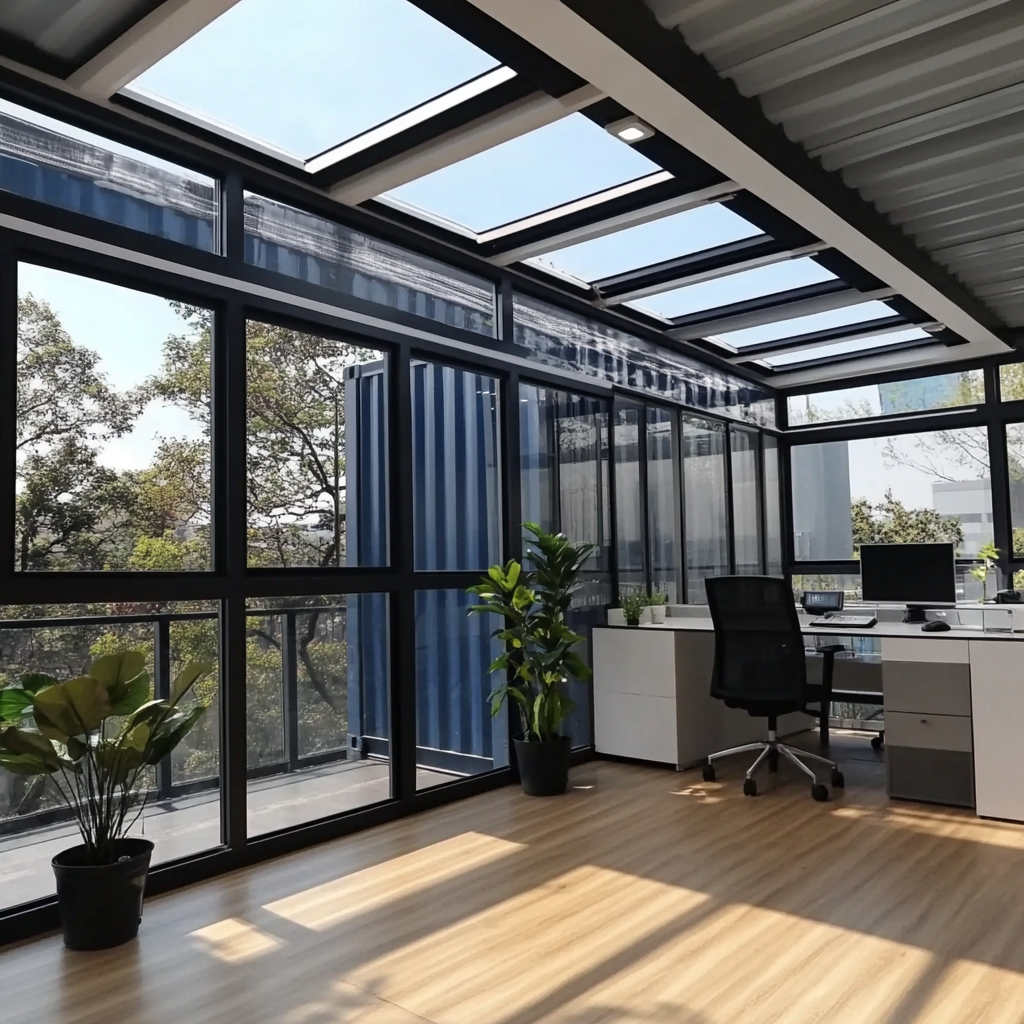
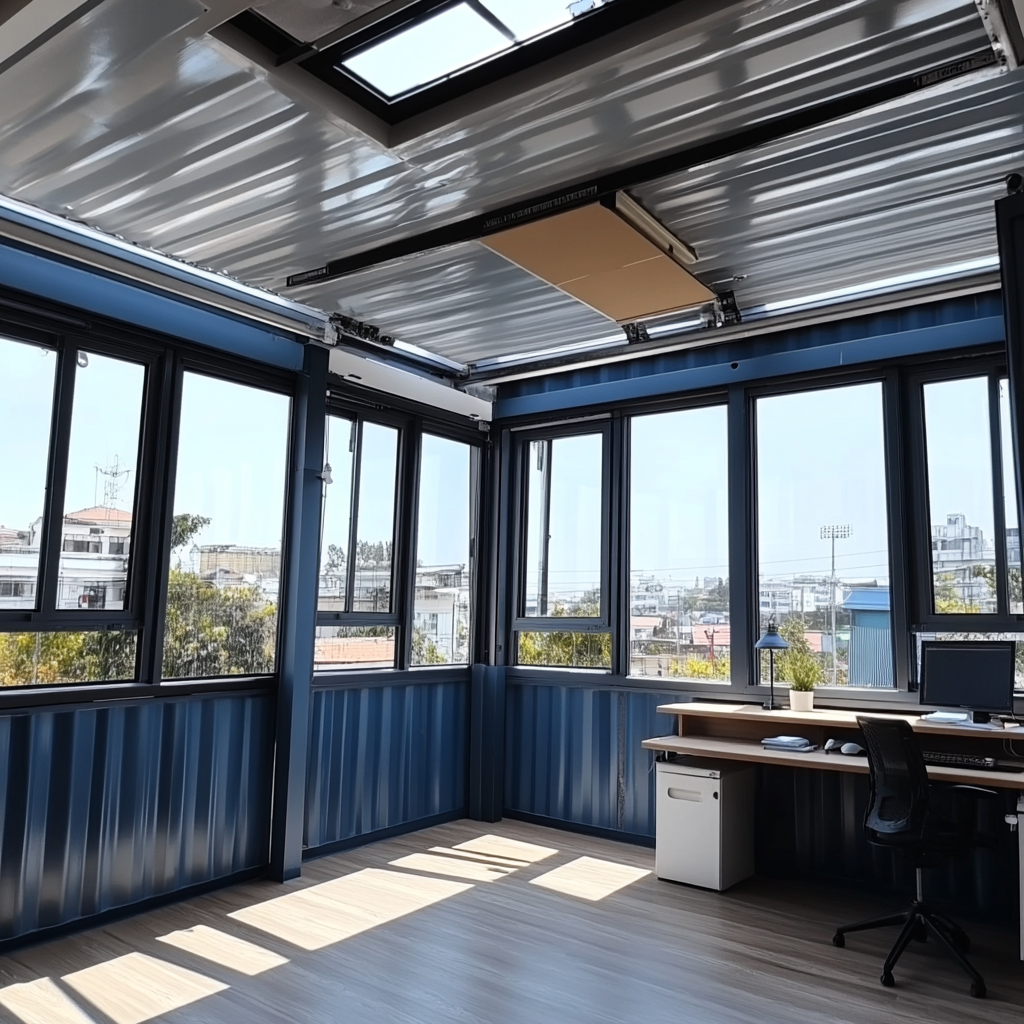
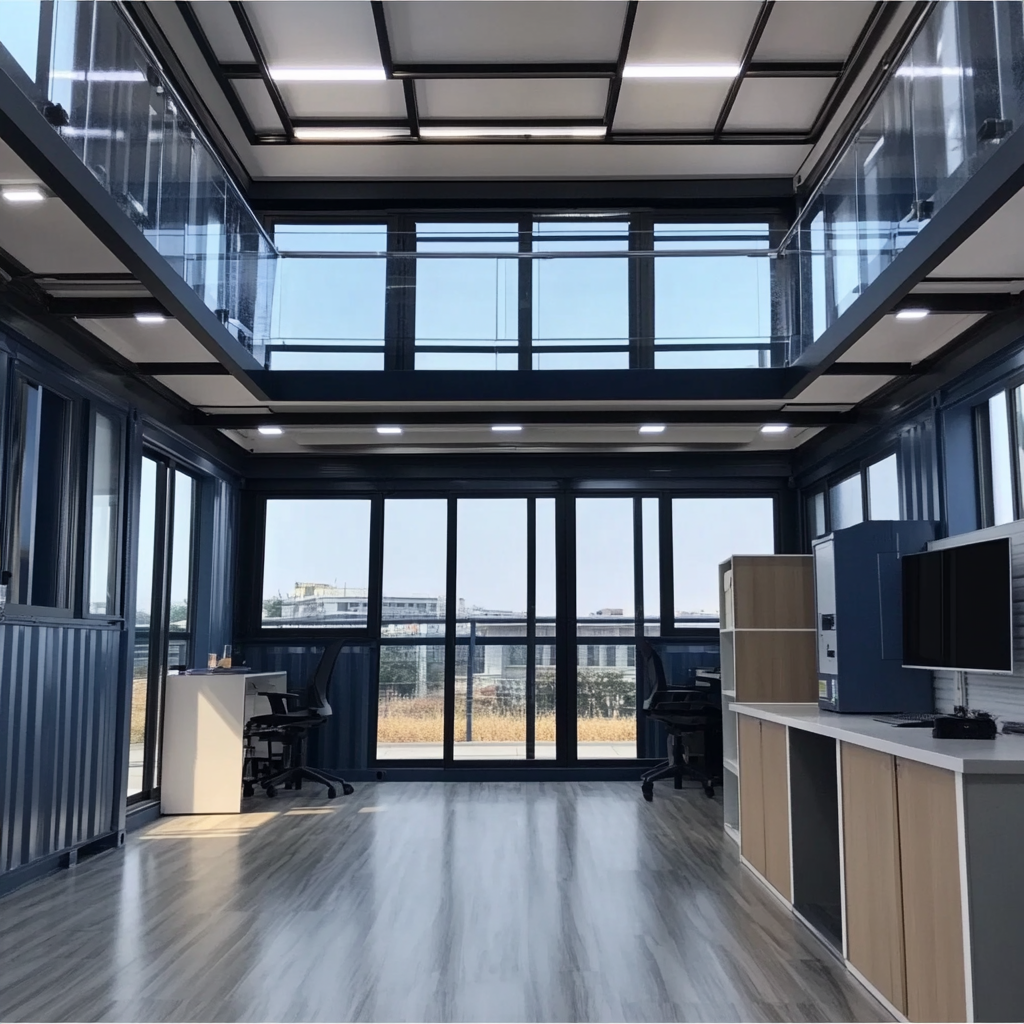
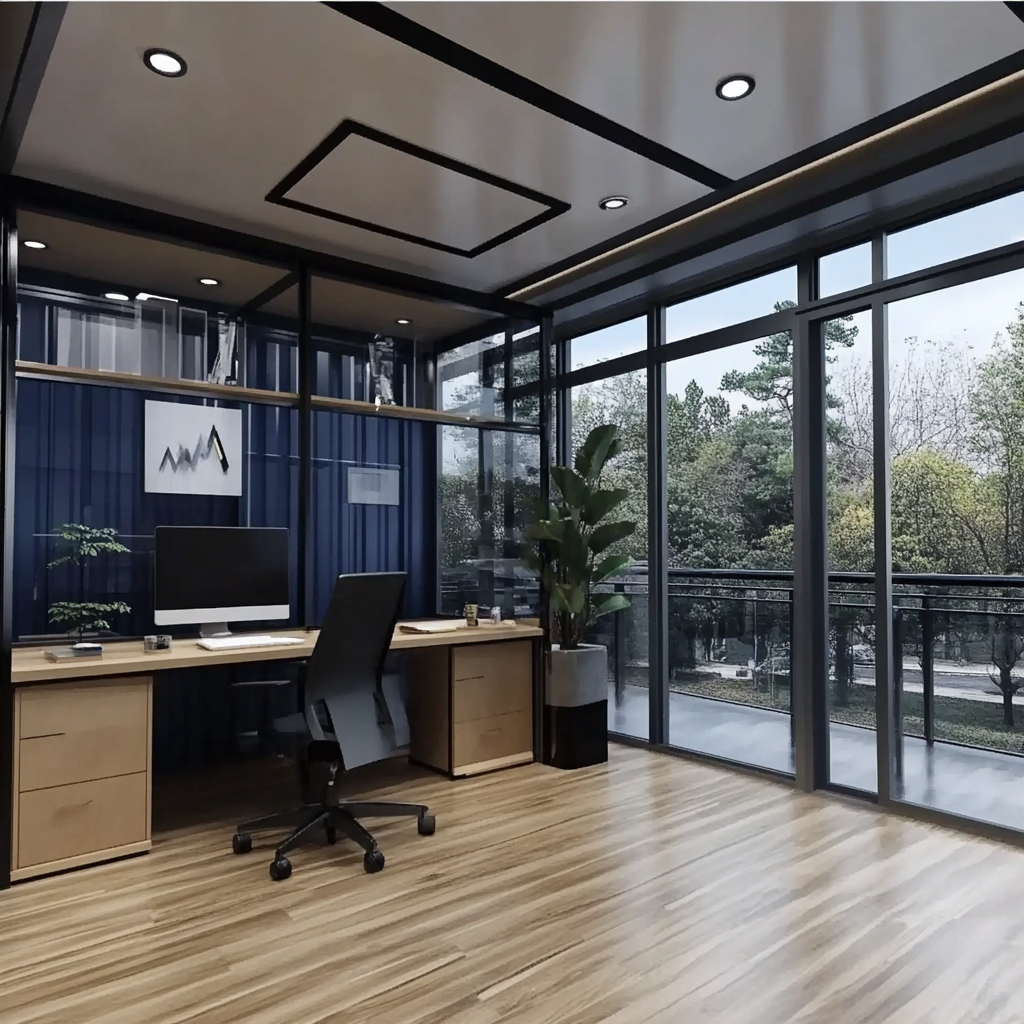
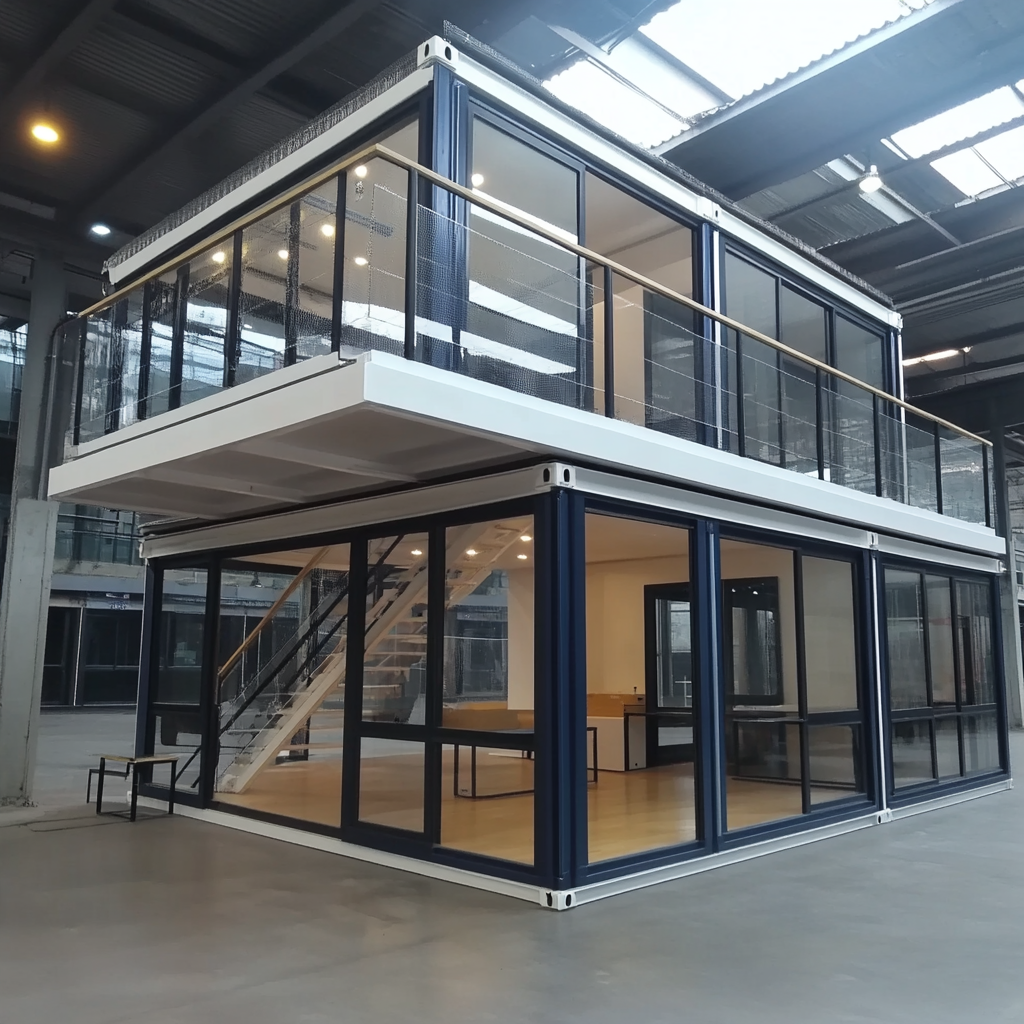
Your project office is the command center—drawings, meetings, decisions all happen there. It can’t be a noisy, leaky shed or a half-finished building that lags the schedule. Lanen’s Flat Pack Office Container gives you a clean, comfortable, and compliant workspace that installs fast, looks professional, and can move with your project.
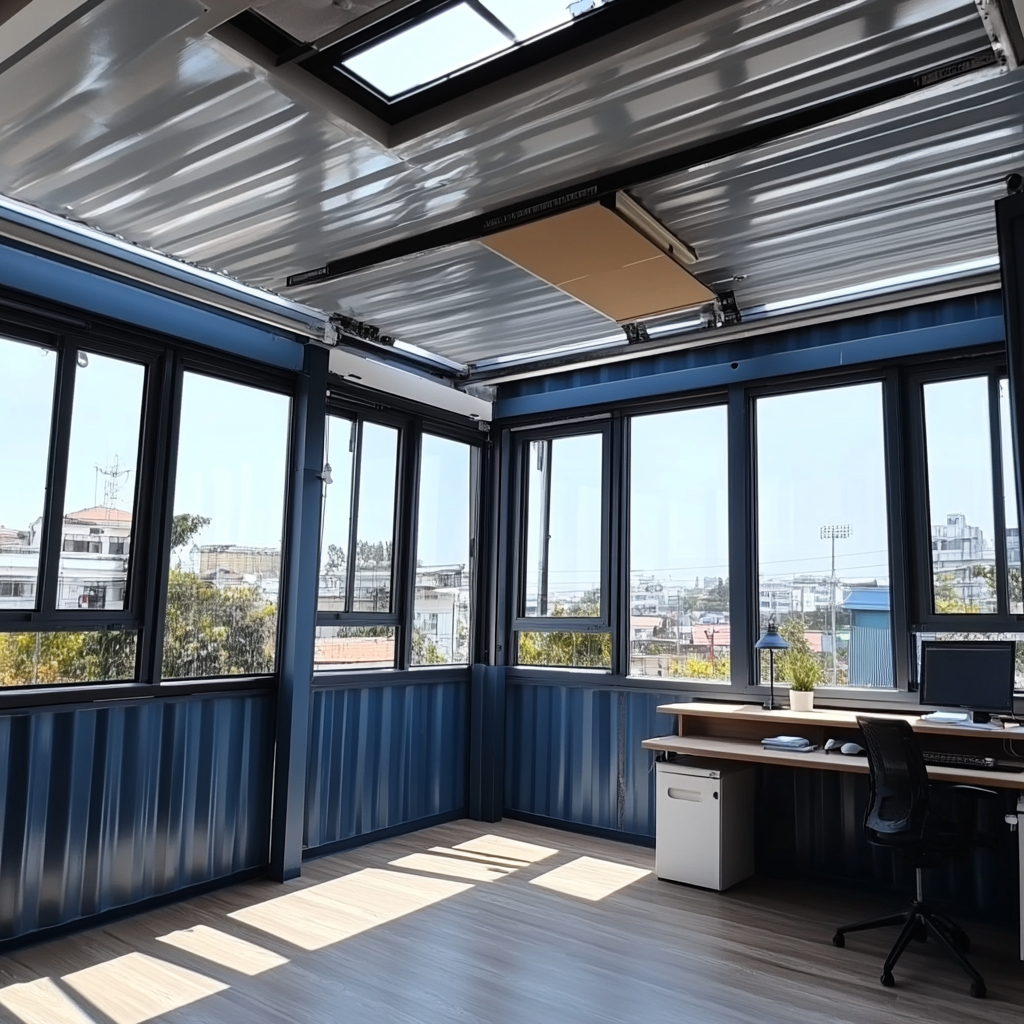
Key advantages at a glance
Speed: 4 workers assemble a single unit in about 3 hours; a small office block is ready in 2–3 days—over 80% faster than brick-and-mortar builds that need 15–20 days.
Safety: Q235 galvanized steel frame; wind resistance up to 10-grade and seismic 8-grade; integrated roof drainage.
Comfort: rock-wool sandwich walls for A‑grade fire performance, thermal and acoustic control; indoor noise can stay around 60 dB even near heavy works; durable PVC flooring.
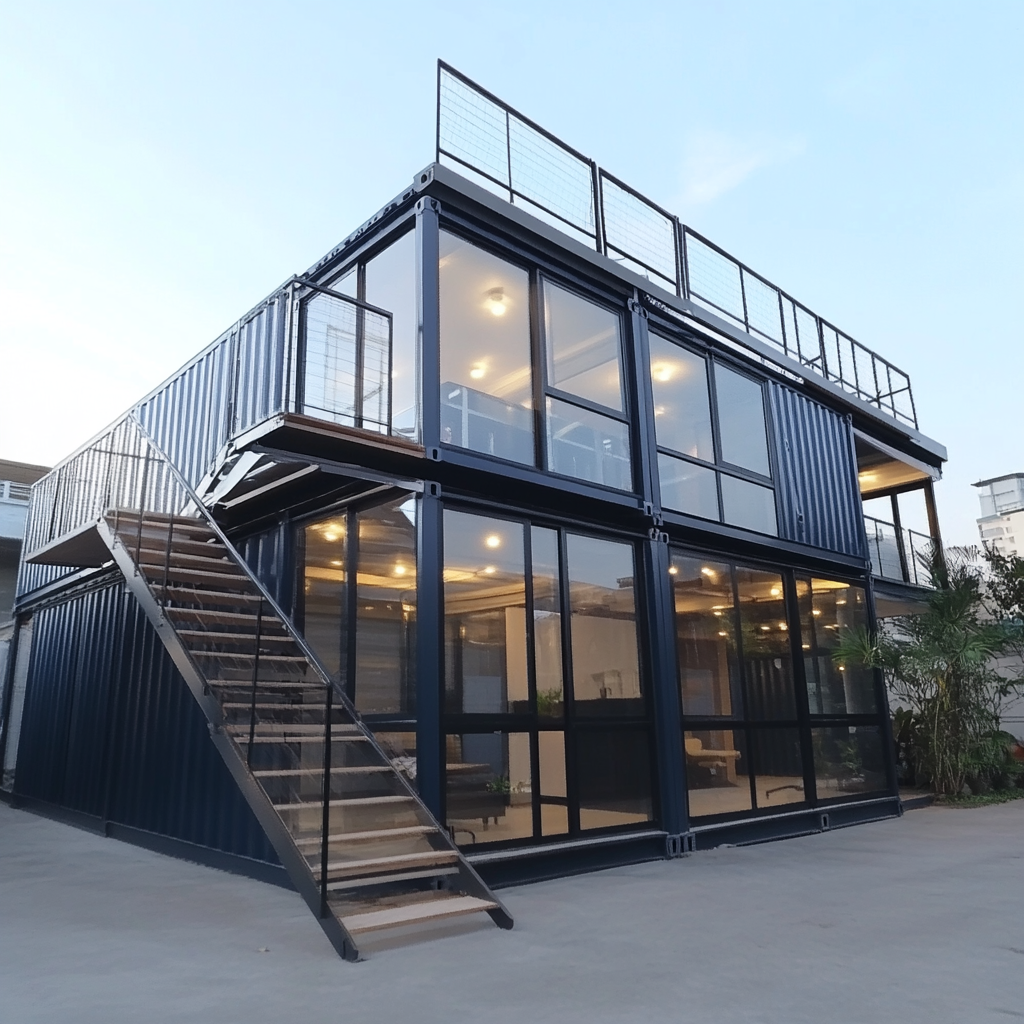
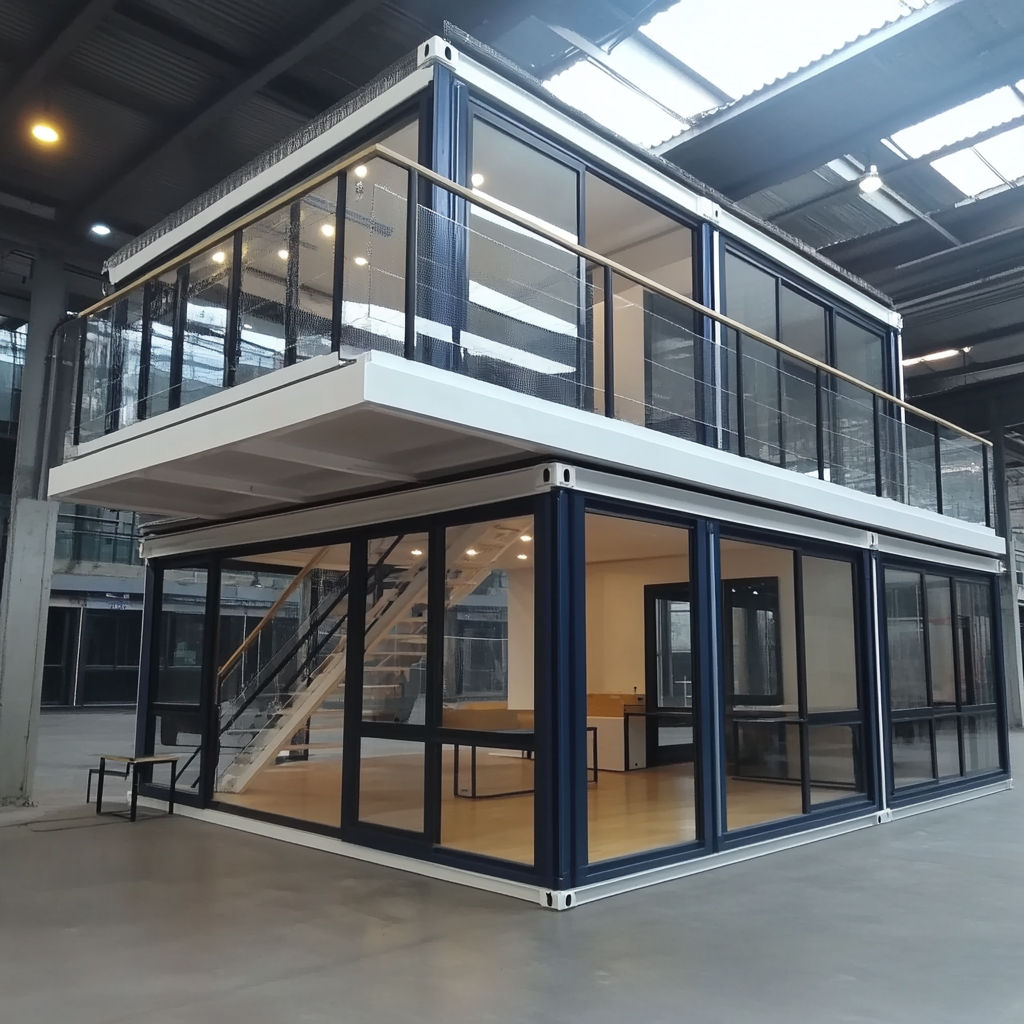
Flexibility: 1–3 floors; typical module 3 m × 6 m; combine I/L/U layouts; easy to add offices, meeting rooms, restrooms, file rooms, activity rooms.
Reuse: 90%+ reuse rate; <5% disassembly/transport loss; service life 15–20 years; move as flat packs or whole boxes (furniture can stay inside).
Groundwork: on good ground no deep foundation; simple cement screed or strip/plinth base is enough; connect power/water and move in.
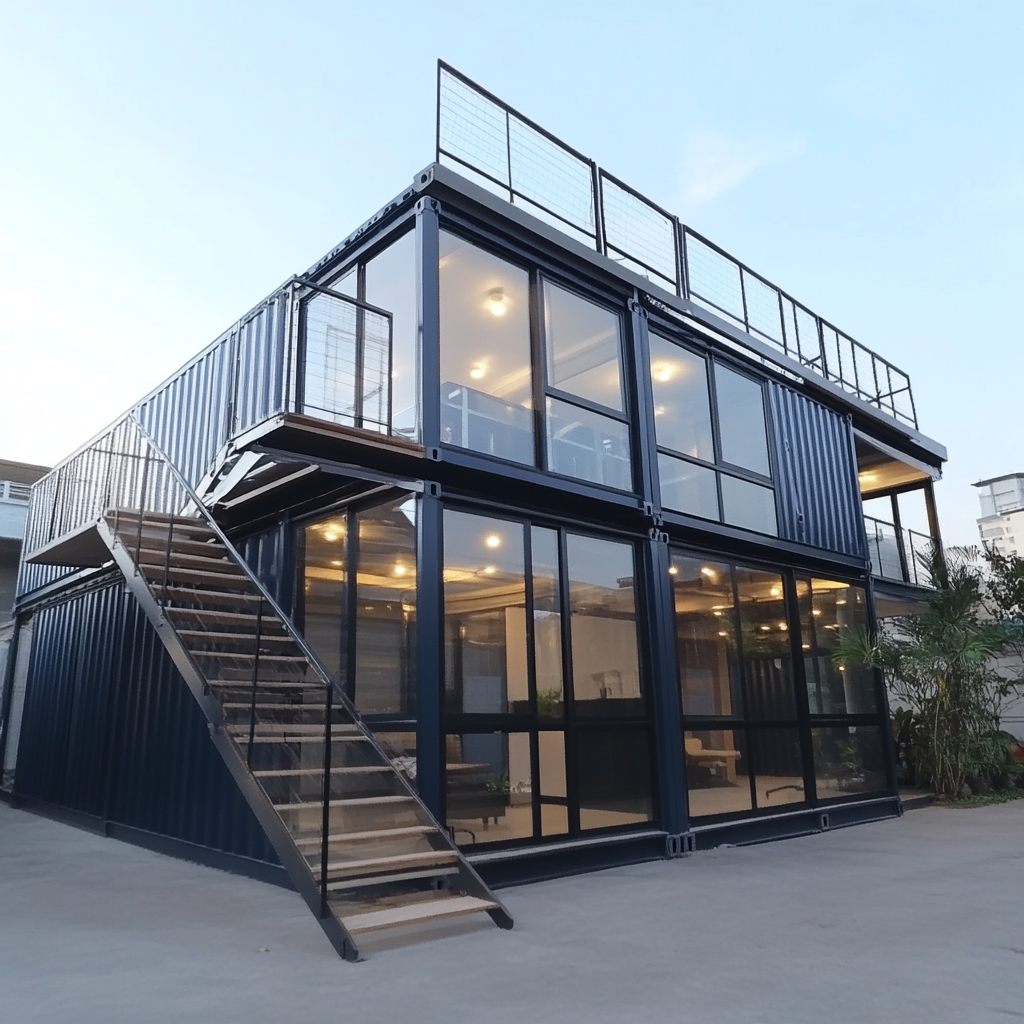
Aesthetics: optional glass curtain wall elements mask the module lines and lift the site image from day one.
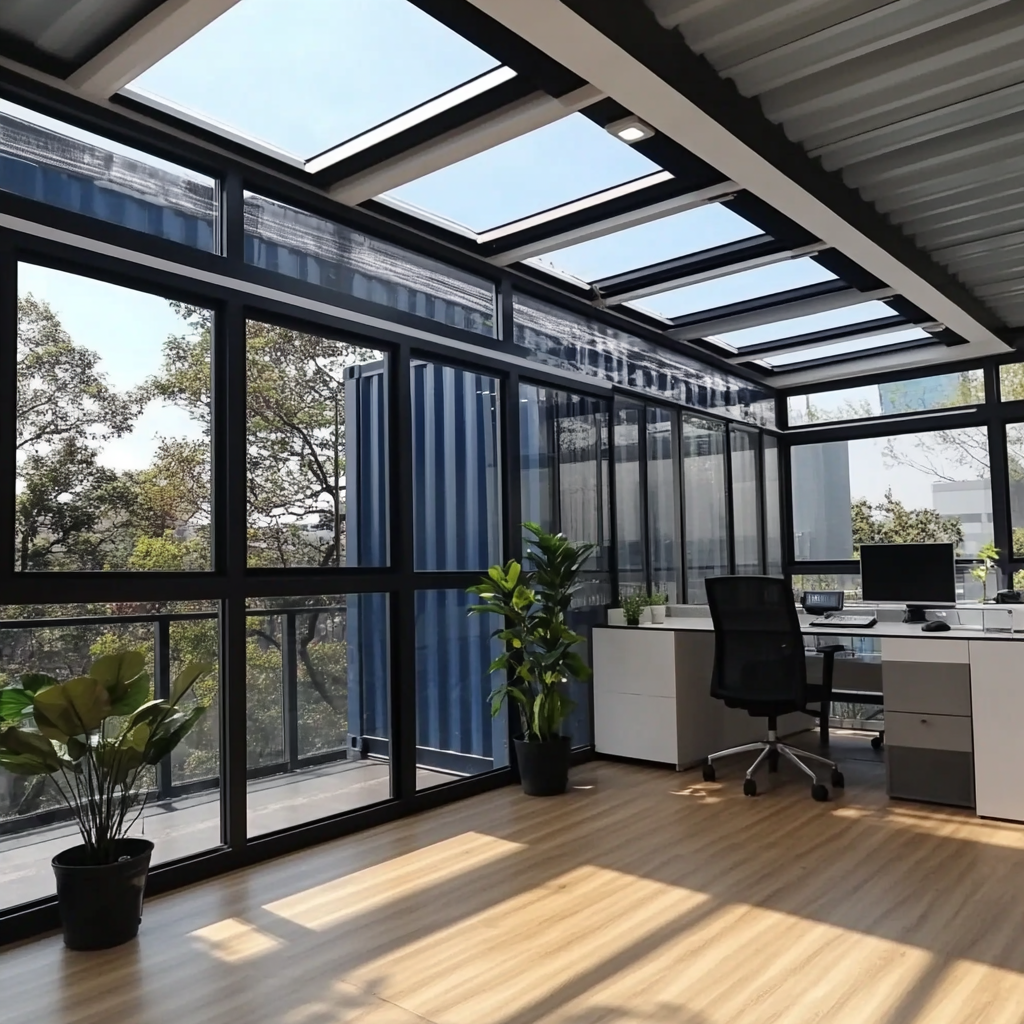
What “high requirements” really means—and how we meet them
Build fast without cutting corners: All parts are factory‑prefabricated and pre‑engineered. On site, modules go together cleanly, with minimal dust and noise. The result is a Flat Pack Office Container that is ready in days, not weeks.
Stand up to jobsite realities: Steel structure, 10‑grade wind, 8‑grade seismic, rock‑wool fire envelope, and organized roof drainage handle storms, heat, dust, and vibration far better than makeshift structures.
Comfort and productivity: Tight sealing reduces dust; rock‑wool insulation and PVC flooring make the interior quieter and more comfortable—around 60 dB even beside shield tunneling zones.
True lifecycle value: With 90%+ reuse and 15–20 years of service life, our Flat Pack Office Container saves at least half the cost over multiple projects because it relocates instead of becoming waste.
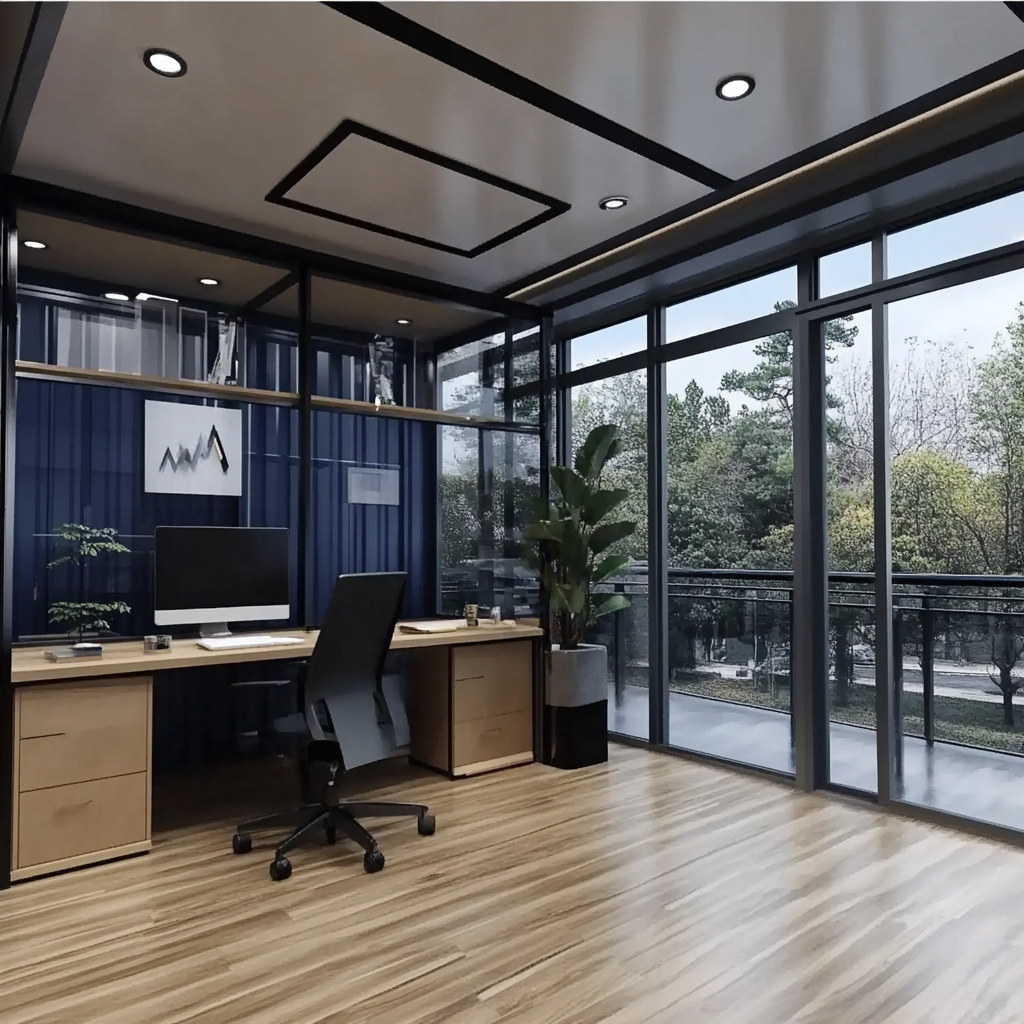
Professional image: Facades can integrate full‑height tinted glass to screen the shipping container lines and deliver a high‑end look that matches your brand.
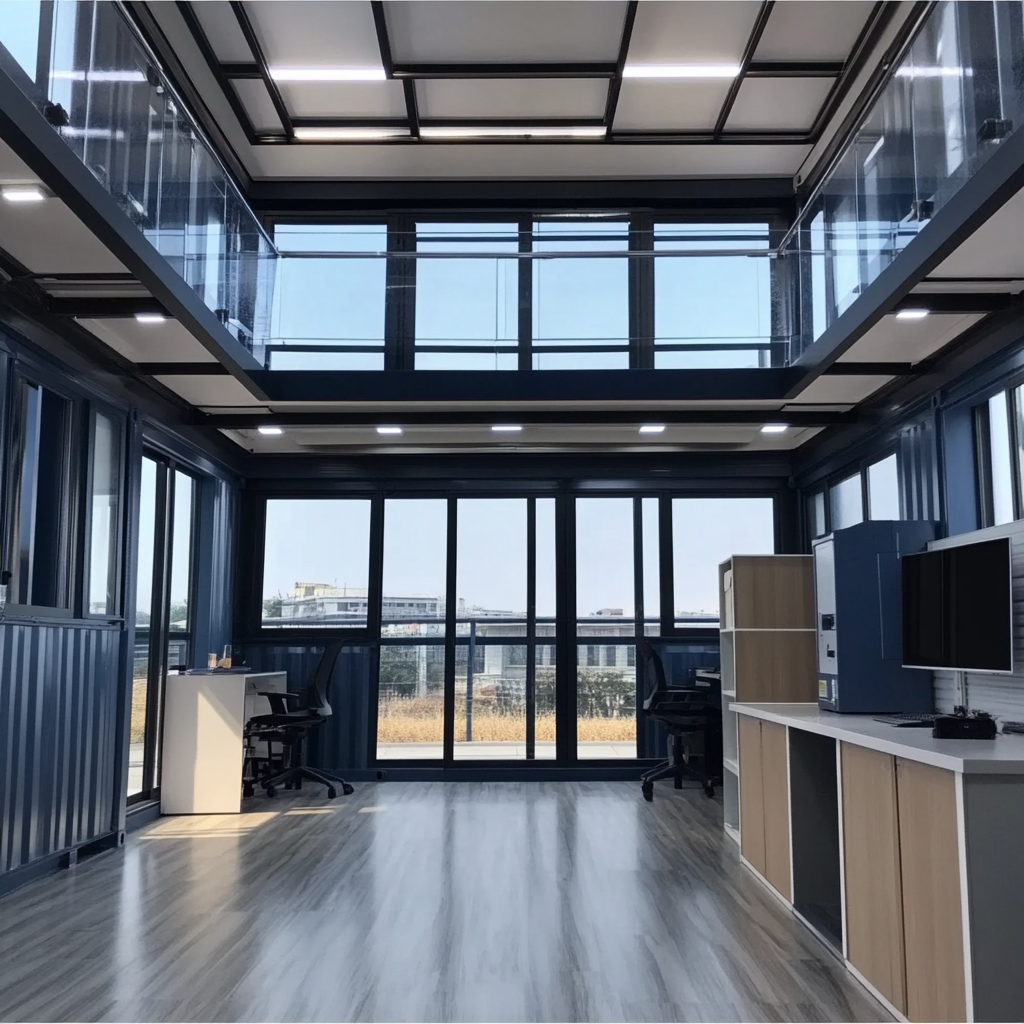
Design requirements on site (how we plan your office)
Define the style: The same Flat Pack Office Container can present different visual styles. We align style with your brand and the site context so the space feels cohesive—not just functional.
Plan the space: We lay out offices, meeting rooms, reception, restrooms, file room, and activity room with clear zoning so people flow and daily operations make sense.
Shape the exterior: I/L/U forms, stair cores, and corridor spacing are tuned to the terrain. Glass curtain wall elements can unify multi‑box façades and raise the perceived grade of the building.
Flat Pack Office Container vs. activity panel house
Structure: Flat packs are modular steel boxes with interchangeable wall panels; activity panel houses bolt together on site from many pieces.
Performance: Flat packs are steadier in wind and earthquakes (up to wind 10‑grade, seismic 8‑grade). Rock‑wool walls offer better fire, insulation, and sound. Panel houses have shorter lifespans and weaker envelope performance.
Installation: One container installs in about 3 hours with 4 workers; a panel house of similar size takes longer and requires a cast‑in‑place concrete foundation with expansion bolts.
Durability: Flat packs last 15–20 years and can be reused many times with damage under 5%. Panel houses often last about 6 years, tolerate roughly 3 disassemblies, and if the base is not stable, they can loosen or even collapse.
Transport: Flat packs compress for 17.5 m trucks (about 12 sets per truck) or move as whole boxes; panel houses must be fully dismantled and repacked each time.
Why construction teams choose Lanen
Flexible layouts that follow the project: Early stage needs monitoring and project offices; mid stage adds storage or clinic; late stage shifts to acceptance offices. Our Flat Pack Office Container clicks together like building blocks, so changes are fast and low‑waste.
Proven jobsite resilience: Q235 galvanized steel frame, organized roof drainage, and A‑grade rock‑wool walls handle heavy rain, wind, heat, and dust. Sealed joints and insulated panels keep conditions stable.
Clean build, clean environment: No wet trades, less dust and noise in installation; 90%+ reuse across projects and 90%+ steel recyclability at end‑of‑life support green construction goals.
Technical snapshot
Module: typical 3 m × 6 m basic unit; 1–3 floors; I/L/U site layouts.
Structure: Q235 galvanized steel frame; integrated roof drainage; robust corner posts for stacking.
Envelope: rock‑wool sandwich walls (A‑grade fire), tight sealing for dust/noise control; PVC flooring for heavy foot traffic.
Install: single unit: 4 workers × ~3 hours; small office: 2–3 days; connect utilities and move in.
Logistics: 17.5 m truck carries ~12 flat‑packed sets; also supports whole‑box lifting/transport with furniture inside.
Lifecycle: reuse rate ≥90%; disassembly/transport loss ≤5%; service life 15–20 years.
Use cases that go beyond “temporary”
Project headquarters, engineering and supervision offices, meeting suites.
Reception, document and archive rooms, break/fitness rooms, clinics, restrooms.
Sales suites and temporary campuses where a polished façade matters. All of these can be done with a Flat Pack Office Container. And if you are comparing with a shipping container house for mixed office‑accommodation, we can standardize finishes and façades across both so your site reads as one system.
FAQs
How fast can we open the office?
Do we need a deep foundation?
Not on good ground. A cement screed or simple strip/plinth base is sufficient. Land the boxes, anchor as required, connect water and power, and start work.
What sizes and floor counts are available?
The common module is 3 m × 6 m. Buildings stack 1–3 floors and combine into I/L/U shapes, with interior zones for offices, meeting rooms, reception, restrooms, file room, and activity rooms.
Is it safe in extreme weather?
How does it compare to a panel house on total cost?
What about fire safety and indoor comfort?
How is it transported?
Can the façade look high‑end?
What is included inside?
We can pre‑install HVAC, lighting, sockets, doors/windows, and add restrooms, showers, and pantries. PVC floors handle heavy use; finishes are configurable.
What if our site layout changes mid‑project?
Buyer and builder questions (with quick answers)
How many boxes do we need and how long will assembly take?
Start with room counts and circulation. A typical unit is 3 m × 6 m; 4 workers assemble one box in about 3 hours; most small offices open in 2–3 days.
Can we stack three floors on our windy site?
Designs support up to wind 10‑grade and seismic 8‑grade. We’ll check local wind/snow and recommend anchoring and a strip or plinth base where needed.
Will the building be waste after the job ends?
No. Expect a 90%+ reuse rate. Disassembly/transport loss is typically under 5%, and steel components are largely recyclable at end‑of‑life.
How does it compare to a shipping container house if we also need accommodation?
We can deliver a uniform system: Flat Pack Office Container for offices and shipping container house for living spaces, sharing finishes, utilities, and façade elements.
Is it really more durable than a panel house?
Yes. Flat packs last 15–20 years. Panel houses often last around 6 years and tolerate roughly 3 dismantles; if the base is not stable they can loosen or collapse.
What groundwork is minimum?
On good ground, no deep foundation; a cement screed or strip/plinth base works. Land, connect water/power, move in.
Summary
Lanen’s Flat Pack Office Container turns the site office into a strength: fast to build (4 people × ~3 hours per box; 2–3 days for a cluster), safe and solid (up to wind 10‑grade and seismic 8‑grade; organized drainage), comfortable (rock‑wool walls, sealed envelope, around 60 dB near heavy works), and genuinely sustainable (reuse ≥90%, loss ≤5%, 15–20 years of service). If you are comparing options like a shipping container house or panel house, the Lanen system delivers higher performance, cleaner installation, and a professional image without slowing the job. Share your site plan and room needs, and we’ll return a layout, module count, schedule, and a transport plan that gets you operational fast.