

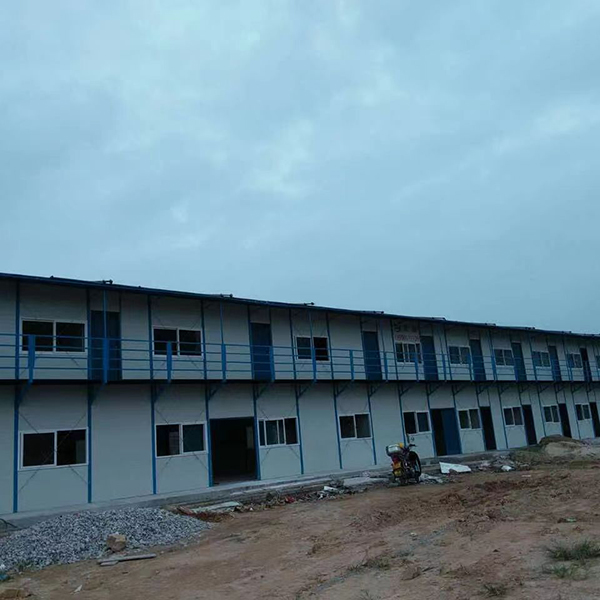
Ready to install your expandable container home? You just need a flat spot, a few basic tools, and a crane. Installing an expandable container house feels straightforward and quick. You unlock cost savings compared to traditional builds.
Expanding a prefab house is simpler and faster than conventional construction, so you save money.
Lower construction costs make modern prefab homes a smart choice.
Check out the environmental impact:
You can follow this step-by-step guide and handle a 20ft expandable container house with confidence.
Key Takeaways
Choose a flat, dry location for your container home to ensure stability and ease of installation.
Clear the site of debris and level the ground to create a solid foundation for your expandable container.
Use a crane for safe positioning of your home, and follow strict safety protocols during the process.
Connect utilities like water and power quickly using pre-installed ports, and consider off-grid options for flexibility.
Customize your container home to reflect your style, from interior design to exterior features, for a personal touch.
Preparing Your Home Site
Choosing a Flat Location
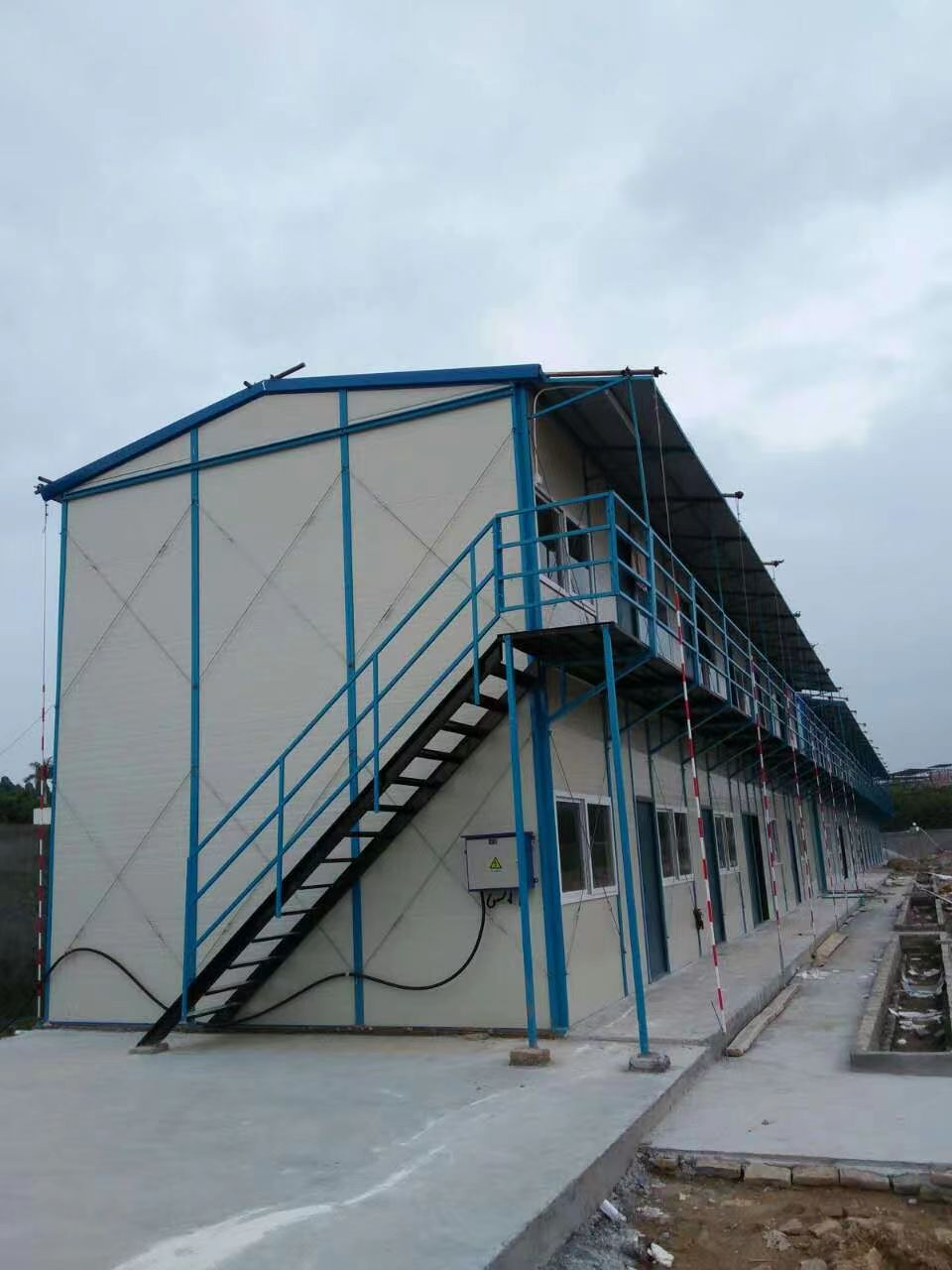
You want your home to sit on a solid, level spot. Start by walking your property and looking for areas that stay dry after rain. Flat ground makes installation easier and keeps your expandable container houses stable. If you plan to build a tiny house, check local building codes before you pick a spot. Some areas have rules about where you can place your home. You can call your local office or visit their website for details.
Tip: A flat surface helps you avoid problems during construction and keeps your home safe from shifting or settling.
Site Clearing and Leveling
Once you choose your location, grab the tools required for clearing. You might need a shovel, rake, or even a small excavator if the ground is rough. Remove rocks, roots, and debris. Smooth out bumps and fill in low spots. You want the ground as even as possible. This step helps your home sit flat and makes the rest of the setup go smoothly.
Remove all vegetation and large stones.
Use a level to check your work.
Compact the soil to create a firm base.
Foundation Setup
Now you’re ready for the foundation. Most expandable container houses need a simple base, like concrete pads or blocks. You can lay these out with basic tools required, such as a tape measure and level. Make sure each pad lines up with the corners of your home. Double-check that everything is square and level. A solid foundation keeps your home stable and protects it from moisture.
If you want expert advice, Lanen International can help you choose the best foundation for your site. You’re now ready for delivery and installation!
Delivery and Positioning
Delivery Logistics for Expandable Container Home
You want your new home to arrive safely and on time. Most expandable container houses ship as a single unit, which keeps freight costs low and makes the process simple. You can expect a small crew to handle the delivery, so you save money on labor. These homes are popular for urgent needs, like mining camps or disaster relief, because they can be set up quickly.
Your home ships in one container, reducing shipping fees.
A small team can deploy your home fast, which means less time spent on construction.
The growing demand for these homes shows how reliable and efficient the logistics have become.
Tip: Schedule your delivery for a clear, dry day. This helps the crew work safely and keeps your tiny house in top shape.
Using a Crane to Position the Home
A crane makes positioning your expandable container home easy. You need trained operators for this step. Safety comes first, so everyone on site should follow strict protocols. Check out this table for the main safety steps:
You want your home placed exactly where you planned. The crane operator will lower it gently onto your foundation.
Anchoring and Securing the Structure
Now, you need to anchor your home. Secure anchoring keeps your home stable during storms and prevents shifting. Use the anchor points built into your expandable container home. Double-check each connection. If you want extra peace of mind, ask Lanen International for advice on the best anchoring methods for your site. Proper anchoring protects your investment and keeps your home safe for years.
Step-by-Step Installation Process
Unpacking and Removing Shipping Screws
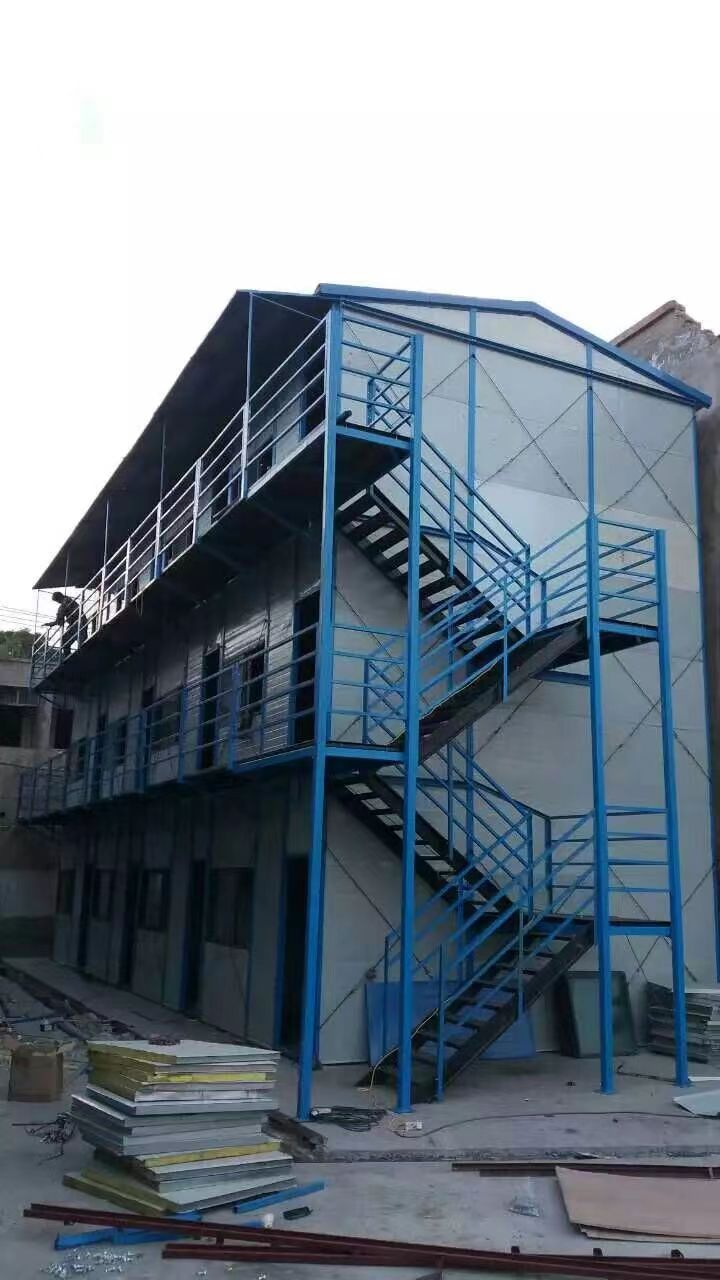
You finally see your 20ft expandable container house on site. The excitement builds as you get ready for the step-by-step installation. Start by unpacking the unit. Remove all packaging materials and check for any shipping damage. You will find shipping screws at key points on the frame. These screws keep everything secure during transport. Use a power drill or wrench to remove them. Place the screws in a safe spot—you might need them later.
Tip: Keep your workspace clear. Lay out your tools and hardware before you begin. This makes the installation process smoother and helps you avoid losing small parts.
Unfolding and Expanding Wall Panels
Now, you move to the most satisfying part—unfolding your 20ft expandable container house. With help from a friend or two, unlock the wall panels and gently pull them outward. The panels swing open, revealing the full size of your new home. You will notice how quickly the structure takes shape. This quick setup is one of the biggest advantages of installing an expandable container house.
Some panels might feel heavy. Take your time and use proper lifting techniques. If you have questions, Lanen International provides support materials and videos to guide you through this step. Make sure each panel locks into place. You want everything to line up before you continue.
Assembling the Container House
You are ready to start assembling an expandable container house. Begin by connecting the floor sections. Secure the hinges and check that the panels sit flush. Next, raise the roof panels. These usually fold up and lock into the side walls. You will see how the 20ft expandable container house transforms from a compact unit into a spacious living area.
Here are some common challenges you might face during assembly:
Seasonal changes can cause condensation inside your home, especially in winter or humid summer days.
Poor ventilation may trap moisture, so open windows and vents as you work.
Large temperature differences between inside and outside can lead to water droplets on metal surfaces.
More people in your tiny house means more moisture, so plan for airflow.
Cooking, laundry, and drying clothes indoors can all add humidity.
You can reduce these issues by installing vents and using dehumidifiers. Lanen International offers optional ventilation kits for expandable container houses.
Securing All Connections
You have reached the final step in your step-by-step installation. Go around your 20ft expandable container house and check every joint, hinge, and latch. Tighten all bolts and screws. Pay special attention to the corners and roof connections. This step ensures your home stays safe and sturdy.
Note: Proper structural fixing is critical. Double-check anchor points and wall locks. A secure home stands up to wind and weather.
If you want extra peace of mind, ask Lanen International for a final inspection checklist. They can help you confirm that your installation process meets all safety standards. You have now completed the step-by-step deployment of your new home. Enjoy the comfort and flexibility of your expandable container home!
Utilities and Customization
Connecting Water, Power, and Sewage
You want your home to feel comfortable and functional from day one. Start by connecting your water supply, power, and sewage lines. Most expandable container homes come with pre-installed ports, so you can hook up utilities quickly. If you plan to live off-grid, consider solar panels or a rainwater collection system. For a tiny house, compact water heaters and composting toilets work well. Always check local codes before you connect utilities.
Tip: Hire a licensed professional for electrical and plumbing work if you feel unsure. This keeps your home safe and up to code.
Sealing and Insulation
Proper waterproofing and sealing protect your home from leaks and drafts. Use expanding PU foam to fill gaps and cracks. This foam expands to block water and air, making it ideal for container homes. For insulation, you have several options:
PU or rockwool insulation can give you thermal performance close to R-5 per inch.
Luxury models reach R-values of 5.5–6.2, which meets high energy standards.
Double-glazed low-E windows and integrated HVAC zones can cut energy use by up to 40%.
Good ventilation design prevents condensation and boosts HVAC efficiency by 20%.
You can also use reflective liners that bounce back 97% of radiant heat, lowering your heating and cooling bills.
Interior and Exterior Customization
You can make your home reflect your style. Expandable container homes offer more design options than standard shipping containers. Check out this comparison:
Paint the walls, add shelving, or install smart lighting. You can even build a deck or garden outside. Lanen International can help you choose upgrades that fit your needs.
Final Safety Checks
Before you settle in, walk through your home and check every system. Test all utility connections for leaks or faults. Inspect waterproofing and sealing around doors, windows, and joints. Make sure insulation covers all surfaces. Confirm that smoke detectors and fire extinguishers work. A final safety check gives you peace of mind and keeps your home secure.
You just learned how to set up your expandable container home step by step. The process feels simple and quick. You can handle most tasks yourself. If you run into tough parts, you might want help from experts. Check out this table for common reasons to call professionals:
Lanen International can guide you through every stage. Ready to start your project? Take the first step and build the home you want!
FAQ
How long does it take to set up an expandable container home?
You can set up most expandable container homes in just one day. If you have help and the right tools, you might finish even faster. Lanen International offers support if you want expert guidance.
Do I need special permits for my container home?
You usually need permits before you install your home. Check with your local building office. Rules change from place to place. You want to stay legal and avoid problems later.
Can I move my expandable container home to a new location?
Yes, you can move your home. Just fold it up, secure everything, and arrange for transport. Many people love this flexibility. You get to choose where you live.
What tools do I need for installation?
You need basic tools like a power drill, wrench, and level. A crane helps with heavy lifting. Most DIYers have what they need already.
How do I keep my container home warm or cool?
You can add insulation, use double-glazed windows, and install a small HVAC unit. Good ventilation helps too. Lanen International can suggest upgrades for better comfort.