Products

Featured products

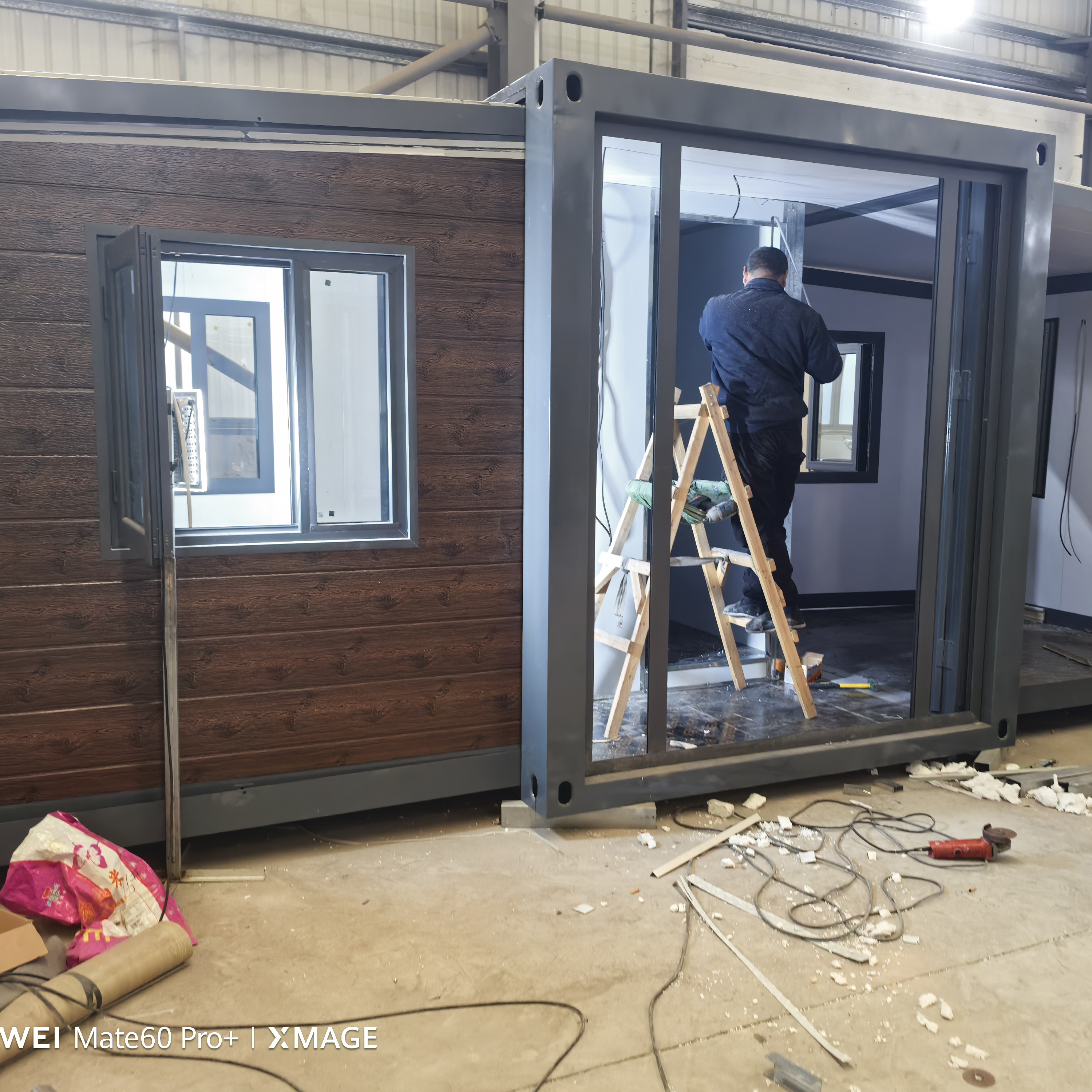
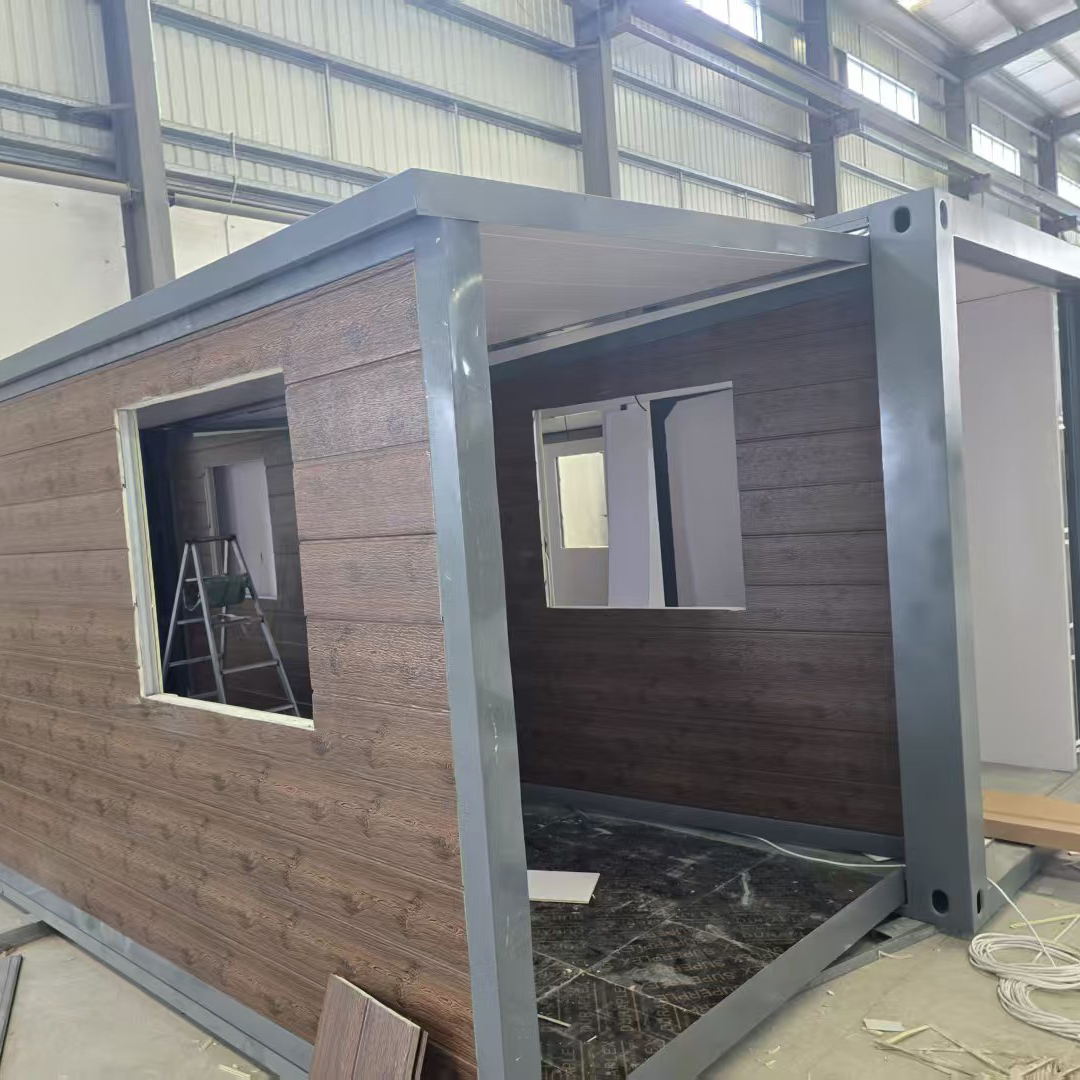
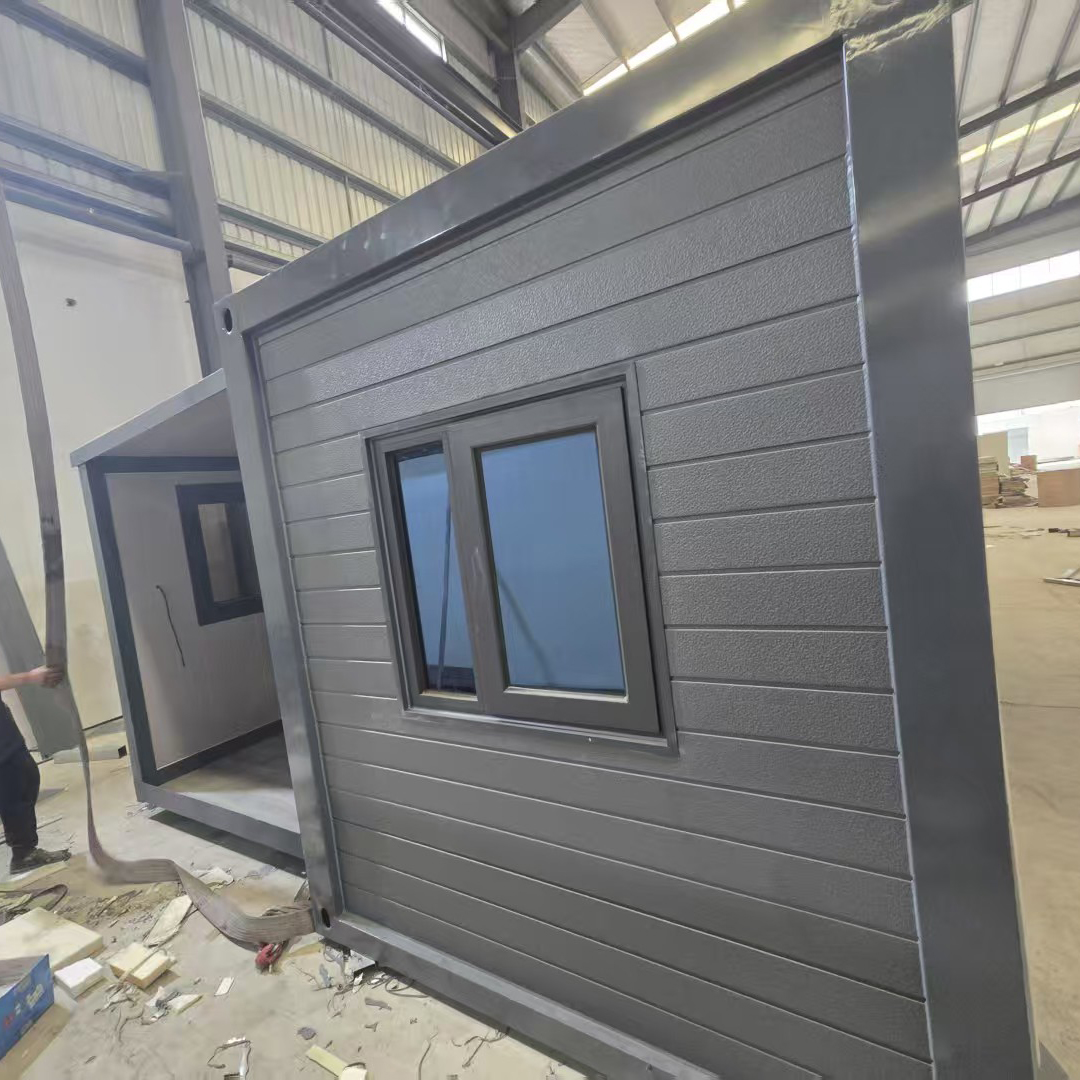
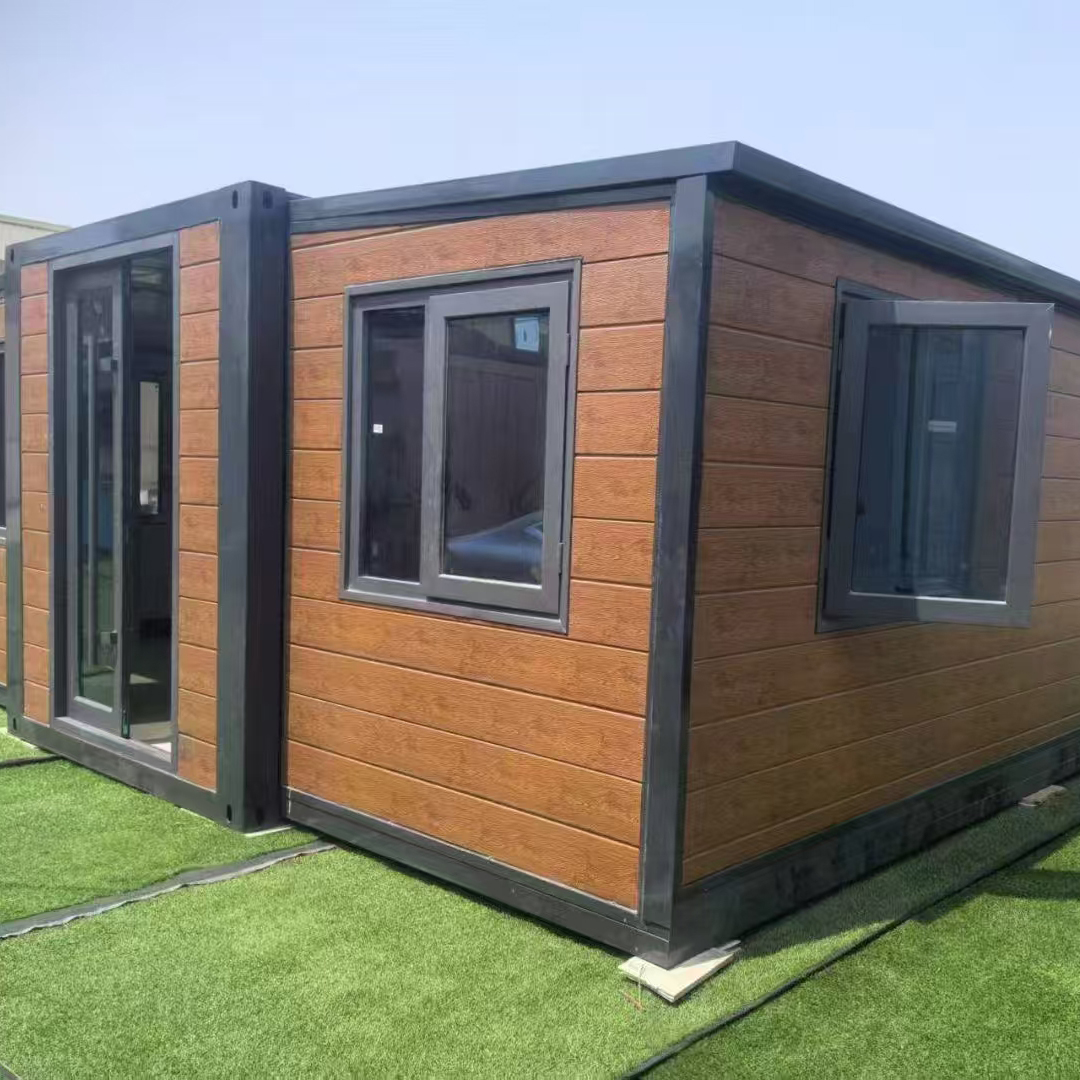
Customized Lanen Emergency Relief container Housing

  • Customized Lanen Emergency Relief container Housing
  • Customized Lanen Emergency Relief container Housing
  • Customized Lanen Emergency Relief container Housing
  • Customized Lanen Emergency Relief container Housing
  • Customized Lanen Emergency Relief container Housing
  • video
  • Lanen
  • Foshan
  • 10 days
  • 1000sets/month
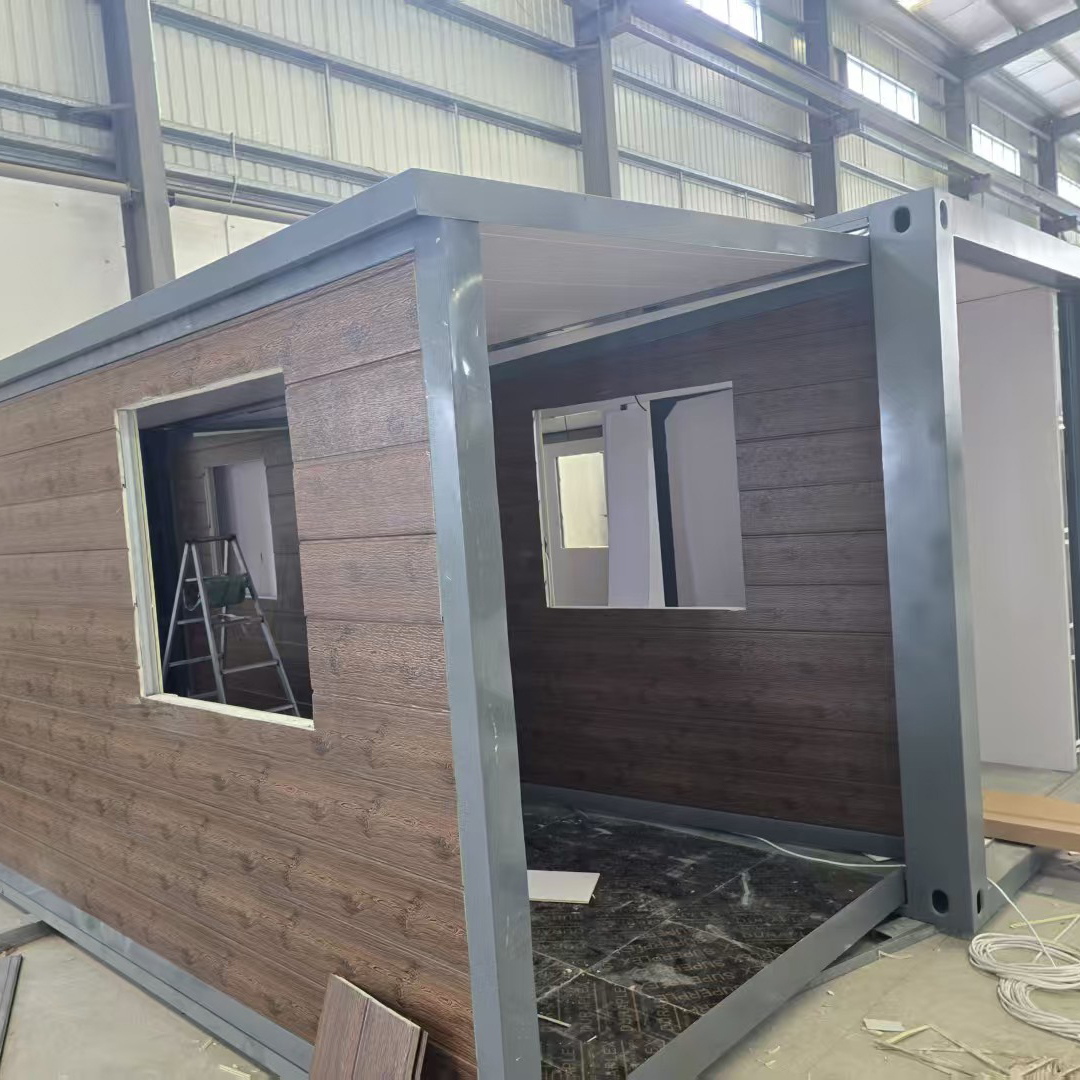
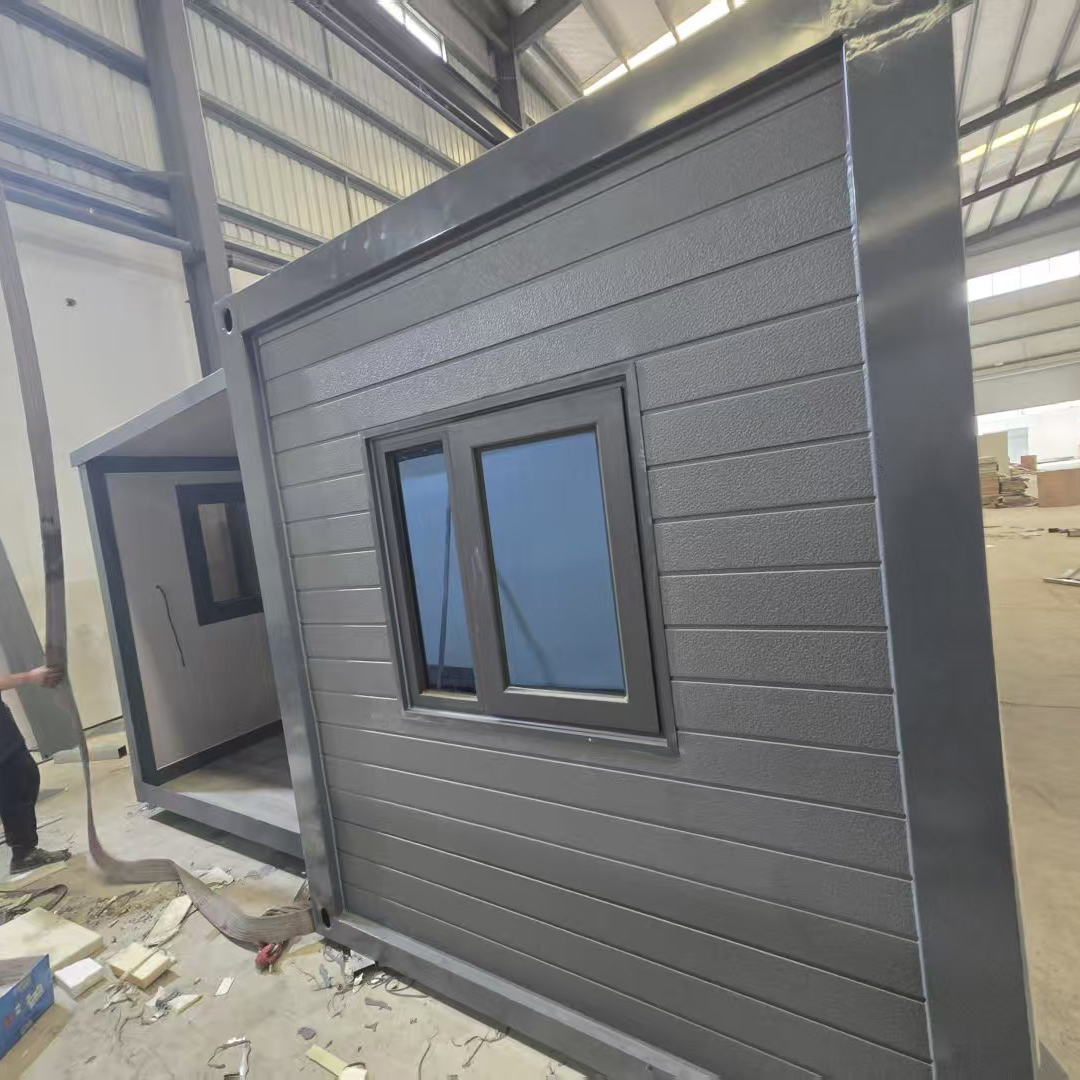
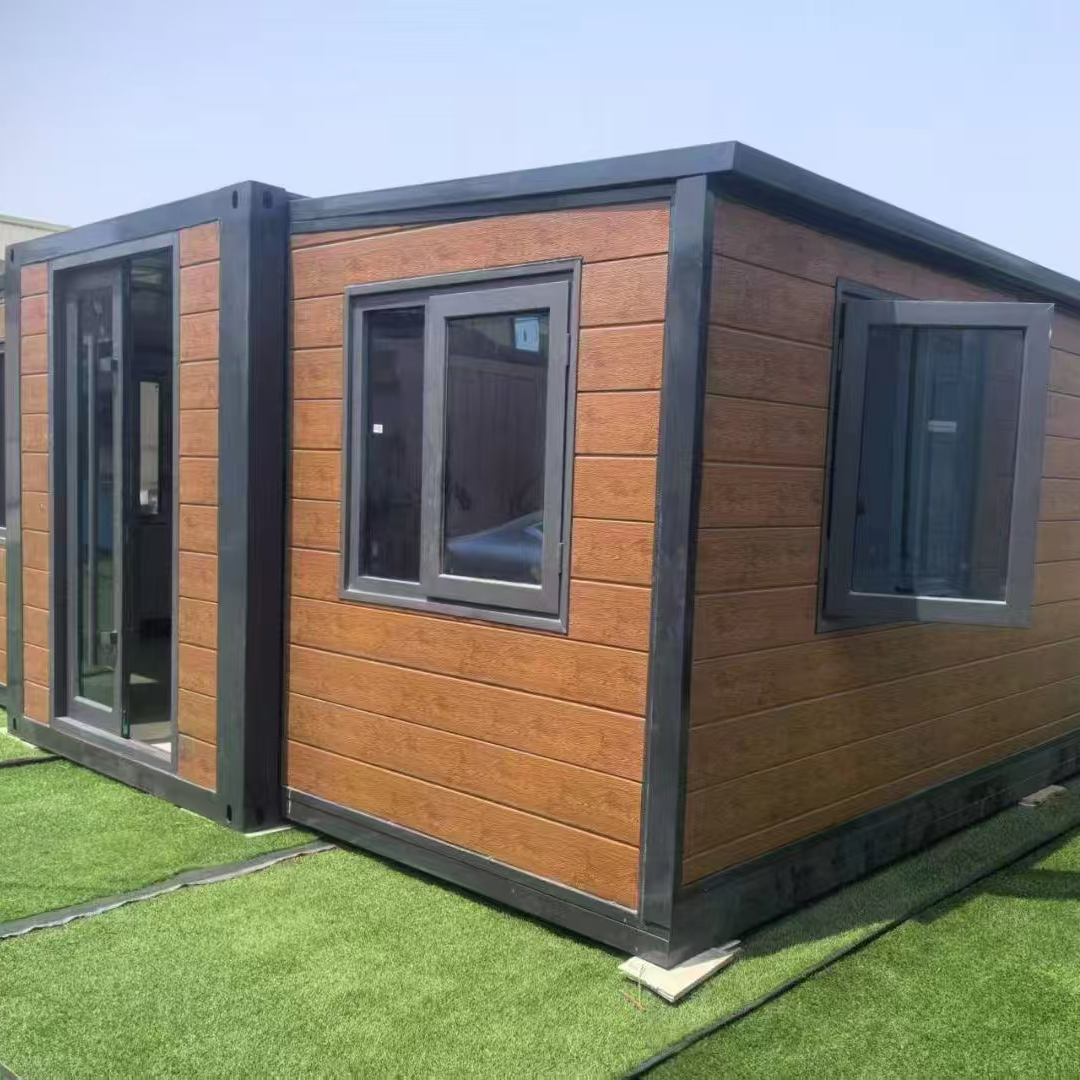
When a storm, quake, or fire displaces people, the first hours decide everything. Shelter must be fast to set, tough enough to move again, and decent to live in. That is exactly why we build Emergency Relief container Housing as a factory, customized solution based on an Expandable Container House—keeping the logistics of a shipping container house while making real homes that can redeploy.

What It Is

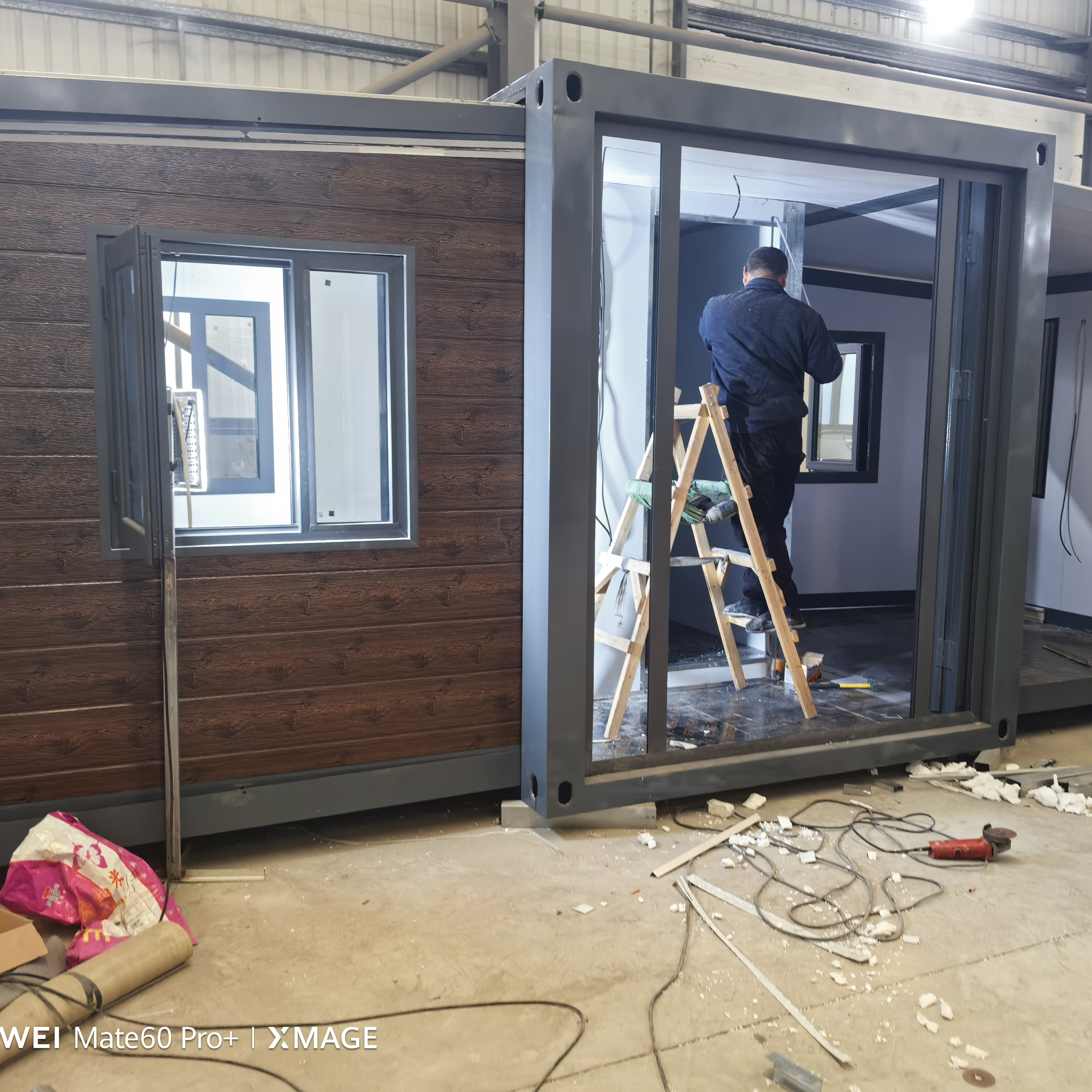
  • A factory-built, customized expandable unit designed for rapid setup after basic ground prep; interior fit-out and utilities are pre-integrated to shorten on‑site work.

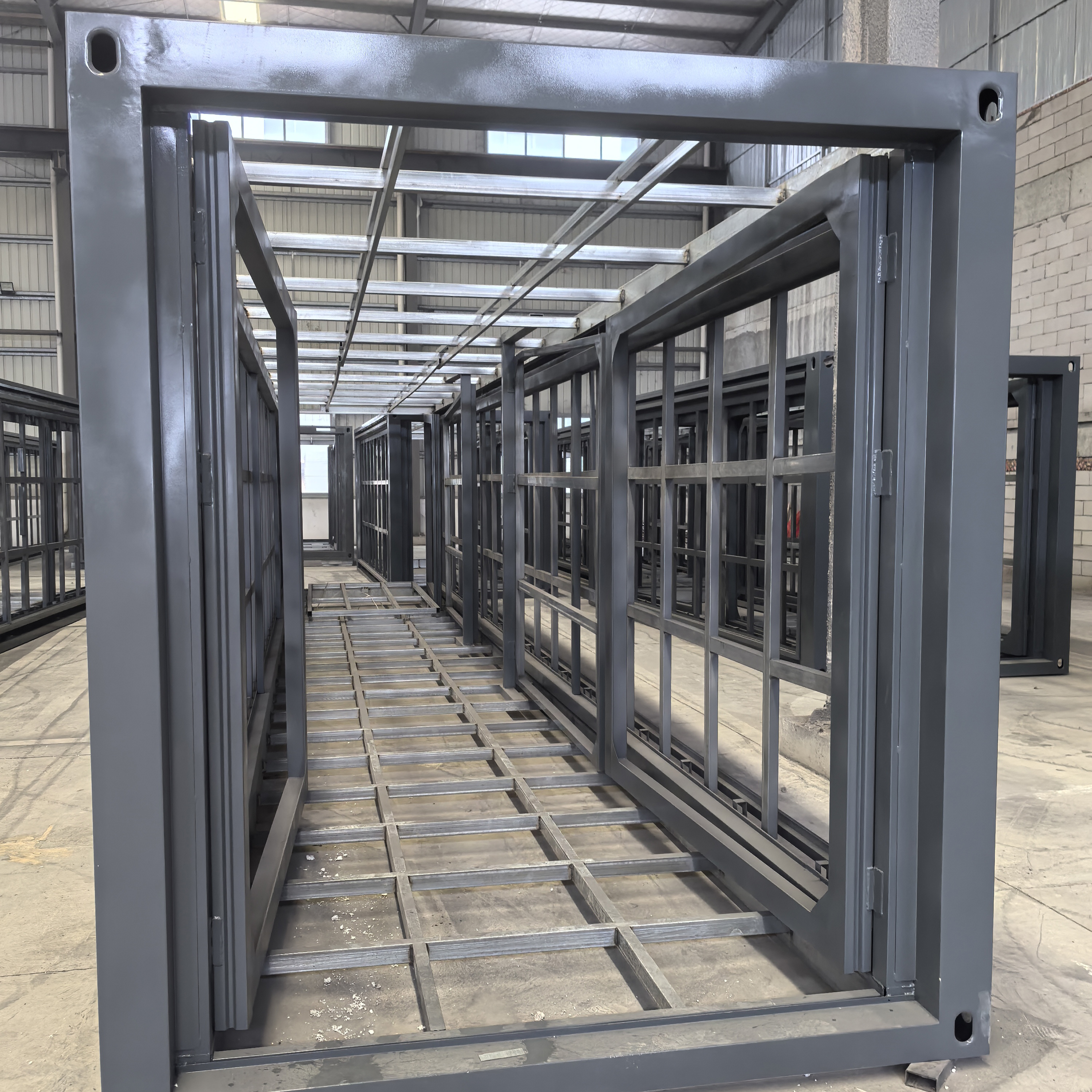
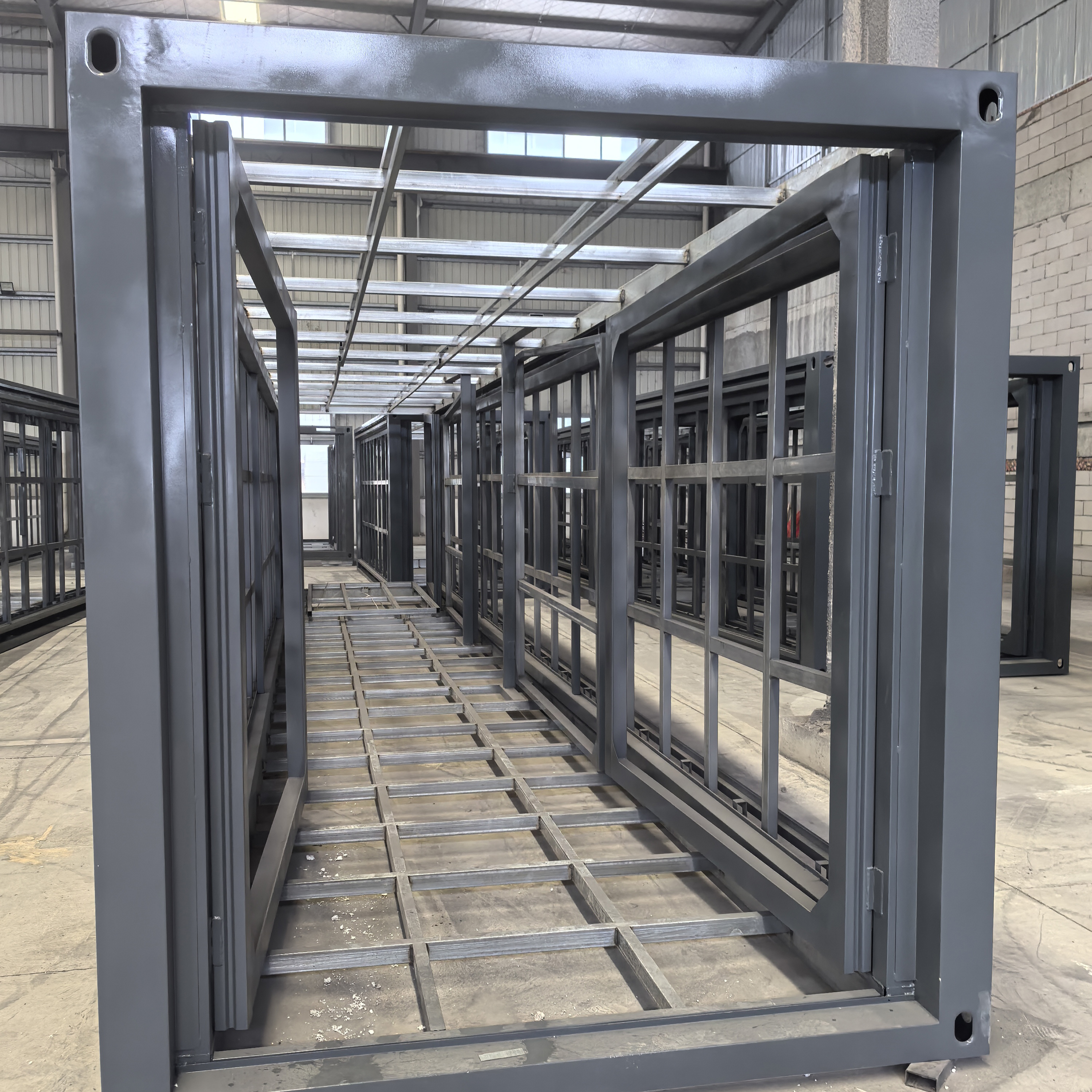
  • Steel as the primary structure with anti‑corrosion treatment; insulated panels and moisture control for comfort and durability over decades of use.

  • A folding/expandable design that saves transport volume when folded and opens up usable space on site—ideal where overseas labor is costly and schedules are tight.

Emergency Relief container Housing

Why It Works In Relief

  • Speed: most work is done in the factory; after the simple base is ready, installation is fast compared with traditional builds—critical for emergency timelines.

  • Mobility: units move with the project; the folding design cuts shipping volume and handling, so multi‑site responses are practical and affordable.

  • Modular growth: one unit works as a family shelter; multiple units connect into dorms, clinics, classrooms, or command hubs as needs evolve.

  • Lower total impact: reusing container structures, generating less waste than conventional builds, and enabling solar PV/rainwater options align with sustainable relief.

  • Lifespan and upkeep: steel construction with routine anti‑corrosion and seal checks supports service lives measured in decades, with maintenance comparable to regular housing.

container Housing

Typical Configurations (customized at the factory)

  • Habitation: bedrooms, kitchen, bathroom, and shared living zones for families or dorm layouts for teams.

  • Services: first‑aid/clinic room, registration and logistics office, temporary classroom or training center.

  • Off‑grid ready: solar panels and rainwater collection for camps where grid access is limited.

  • Multi‑unit compounds: link several Expandable Container House modules to form small communities that can be expanded or relocated.

shipping container house

Questions Buyers And Operators Really Ask

  • How quickly can we hand over shelters after delivery? Factory prefabrication and a folding design mean fast placement once the base is done; installation periods are dramatically shorter than traditional builds.

  • How does this compare with a basic shipping container house? Emergency Relief container Housing keeps the transport advantages but adds an expandable layout, proper insulation, and factory wiring/plumbing—fewer trades on site and better comfort.

  • Can we customize layouts without delaying deployment? Yes. We customize at the factory—family rooms, dorm bunks, clinic bays, classrooms, even pantry and restroom modules—so on‑site work stays minimal.

  • What will it cost to start? A standard basic unit typically starts in the tens of thousands of RMB; final pricing depends on materials, interior finish, and add‑on systems.

  • Will repeated moves drive up our total cost? Transport volume is low when folded, which saves money; however, if you plan very frequent long‑distance moves, cumulative transport can eventually exceed the cost of building new in place—plan routes and reuse cycles before procurement.

  • What about site conditions and permits? These units generally sit on simple, level ground with proper drainage; many regions treat container solutions more simply than permanent builds, but local compliance must be checked early.

  • How do we manage power and water in the field? Flexible water and electrical connections are designed for quick hook‑up and easy disassembly; off‑grid packages (solar PV, rainwater collection, ventilation upgrades) are available for remote camps.

  • Will they be comfortable in heat or cold? Steel boxes need proper insulation and ventilation; our factory approach includes insulated walls/roof and airflow planning so interiors remain livable across typical relief climates.

  • How long will they last, and what maintenance do we budget? With steel structure and periodic anti‑corrosion and sealing checks, service life runs into decades; ongoing maintenance is similar to conventional interiors and MEP.

  • Can we expand a site over time? Yes. The modular, standardized footprint lets you add more Expandable Container House units as the camp grows, then relocate them when the mission ends.

For Procurement Teams And Field Leads

  • Overseas labor is expensive; factory work is not. By shifting assembly into the factory and using a folding layout, you cut on‑site hours, specialist trades, and program risk.

  • Transport is a bottleneck in emergencies. A folded, compact form reduces shipping volume and cost—important for multi‑country operations or repeated redeployments.

  • Space planning matters. Use open plans, partitions, or loft/compact furniture strategies to make the most of limited volume; connecting units increases capacity without redesigning the whole camp.

  • Sustainability is practical here. Reusing container structures, generating less site waste, and enabling solar/rainwater options align with modern, responsible relief standards.

Emergency Relief container Housing

Options And Upgrades

  • Smart features: integrate basic monitoring for power, environment, and security as your operations require.

  • Materials and finishes: select interior packages to match mission length—fast‑clean surfaces for short deployments or more durable finishes for multi‑year use.

  • Ground systems: adjustable supports for uneven terrain to avoid heavy civil works.

container Housing

Summary 

Emergency Relief container Housing from Lanen is a factory, customized approach that respects the realities of disaster response: fast install after simple ground prep, expandable space, true mobility, and modular growth. It carries the logistics benefits of a shipping container house and the livability of an Expandable Container House. Costs start in the tens of thousands of RMB per basic unit, service life runs into decades with routine upkeep, and the folding form cuts transport volume for multi‑site operations. If you need shelter that moves as the situation changes, this is a dependable, field‑proven way to do it.


Get the latest price? We will reply as soon as possible (within 12 hours)