Products

Featured products

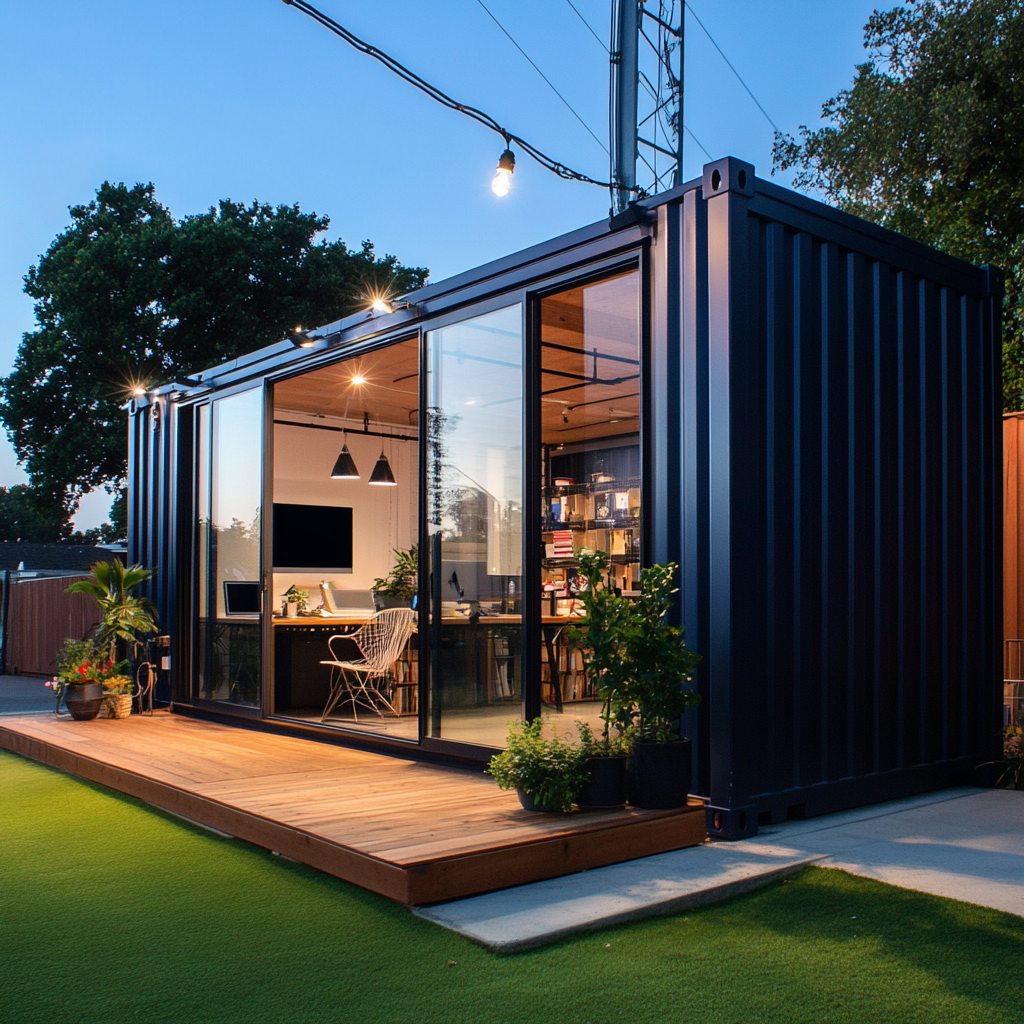
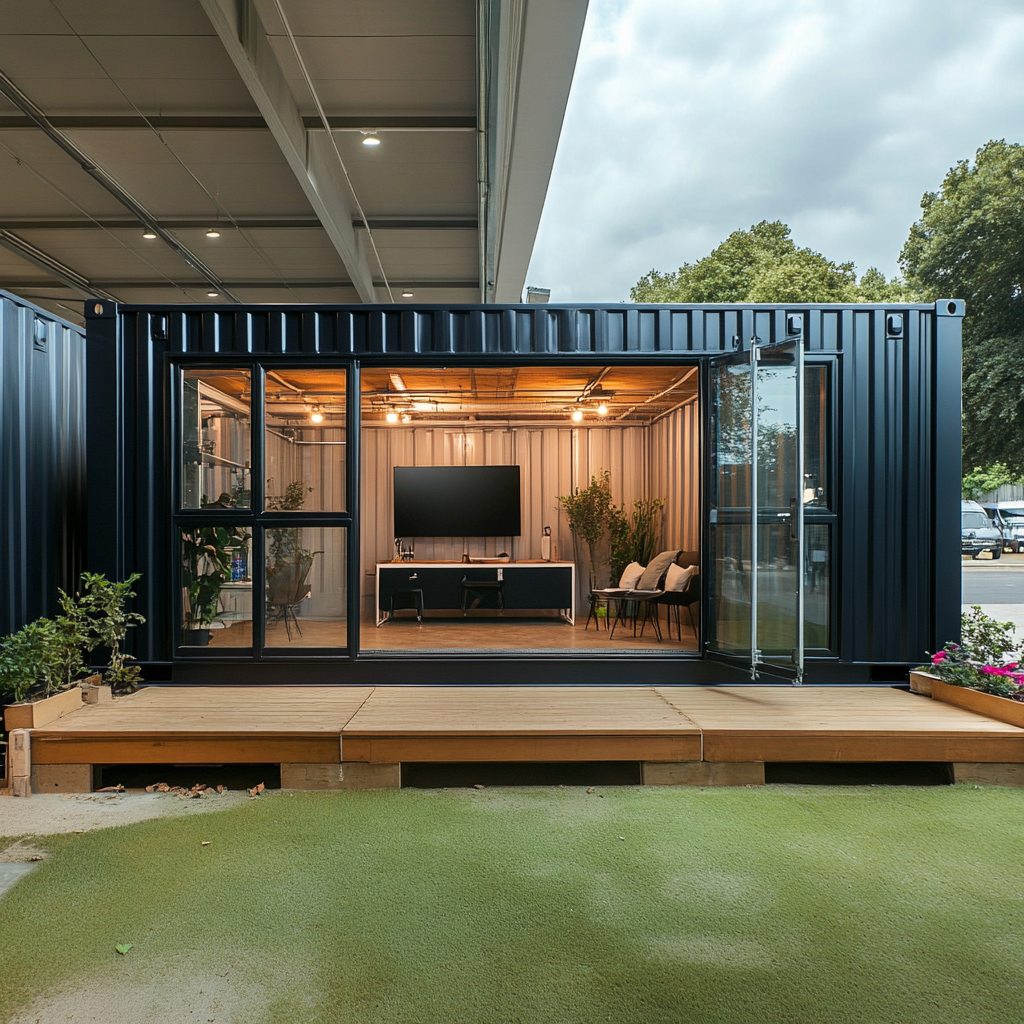
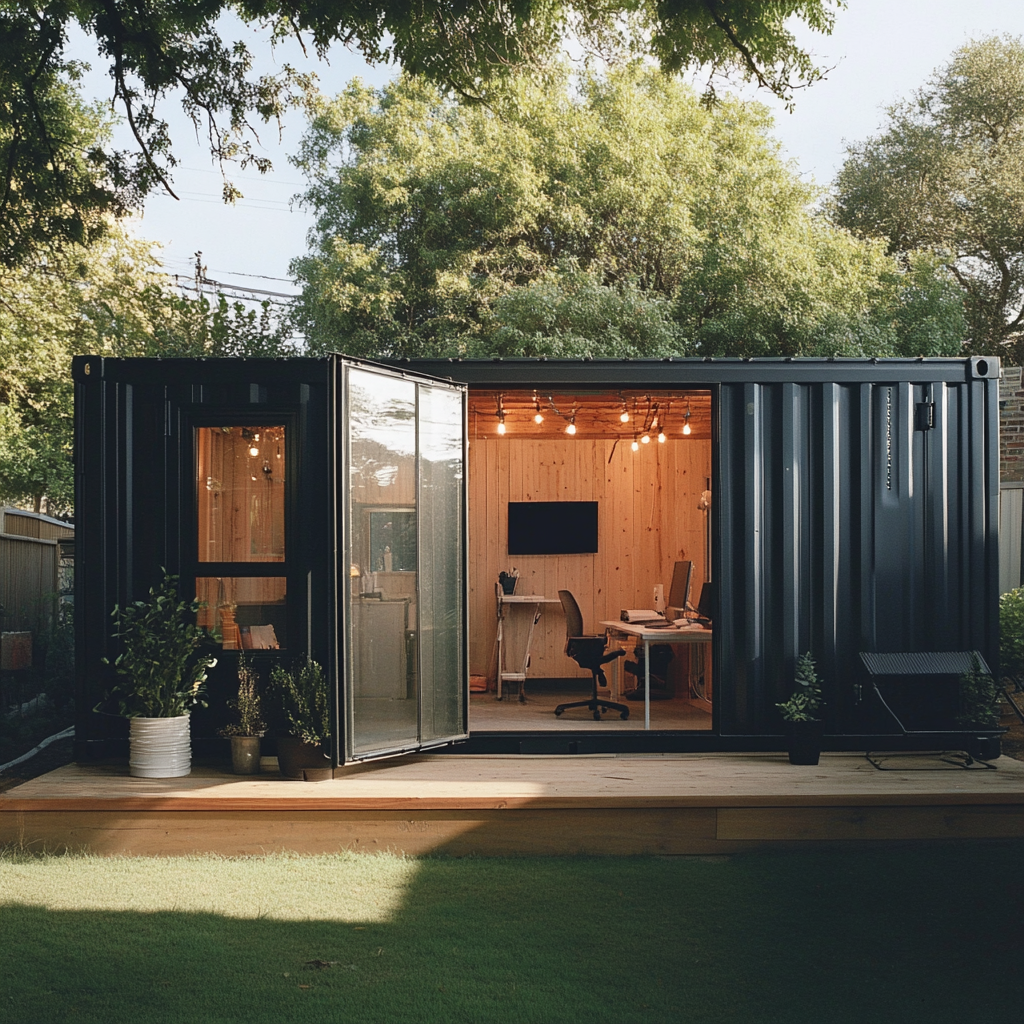
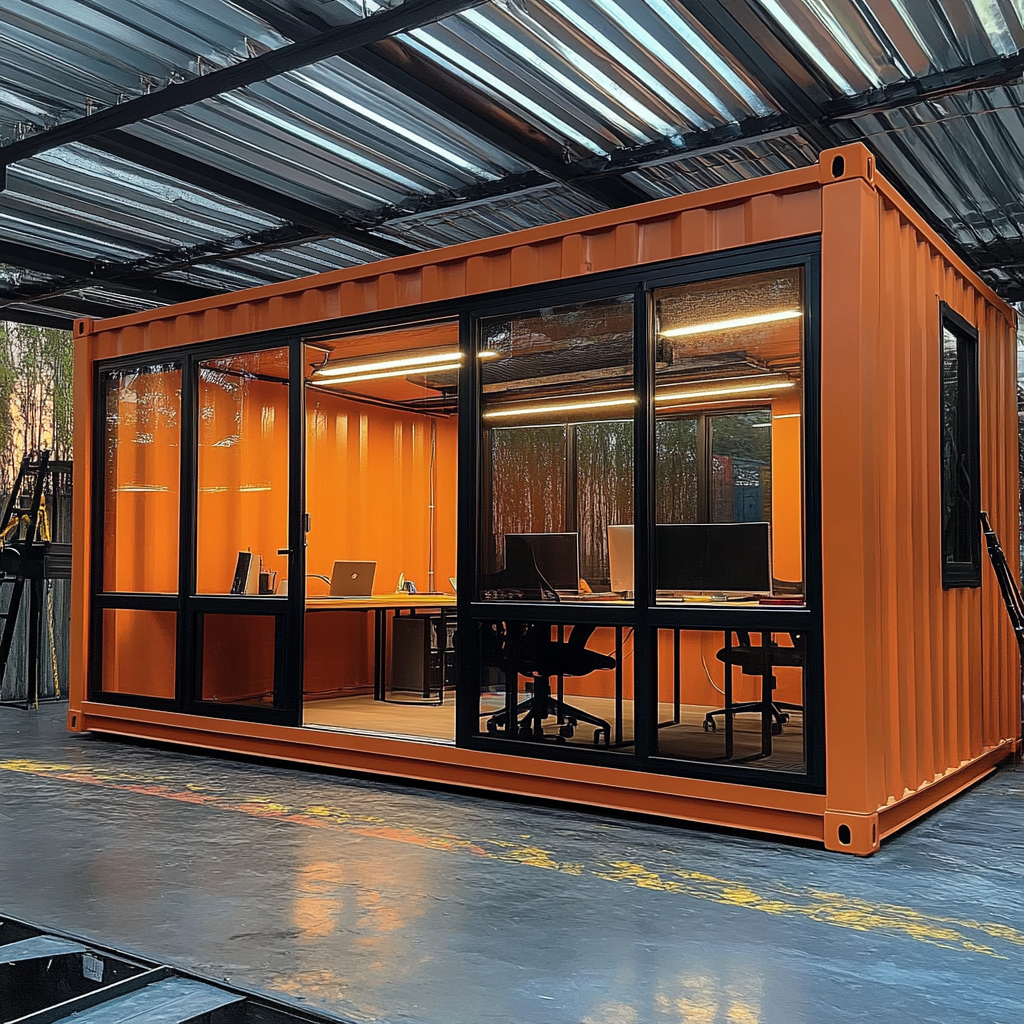
Lanen Customized Special Container house Factory

  • Lanen Customized Special Container house Factory
  • Lanen Customized Special Container house Factory
  • Lanen Customized Special Container house Factory
  • Lanen Customized Special Container house Factory
  • Lanen Customized Special Container house Factory
  • Lanen Customized Special Container house Factory
  • video
  • Lanen
  • Foshan
  • 10 days
  • 1000sets/month
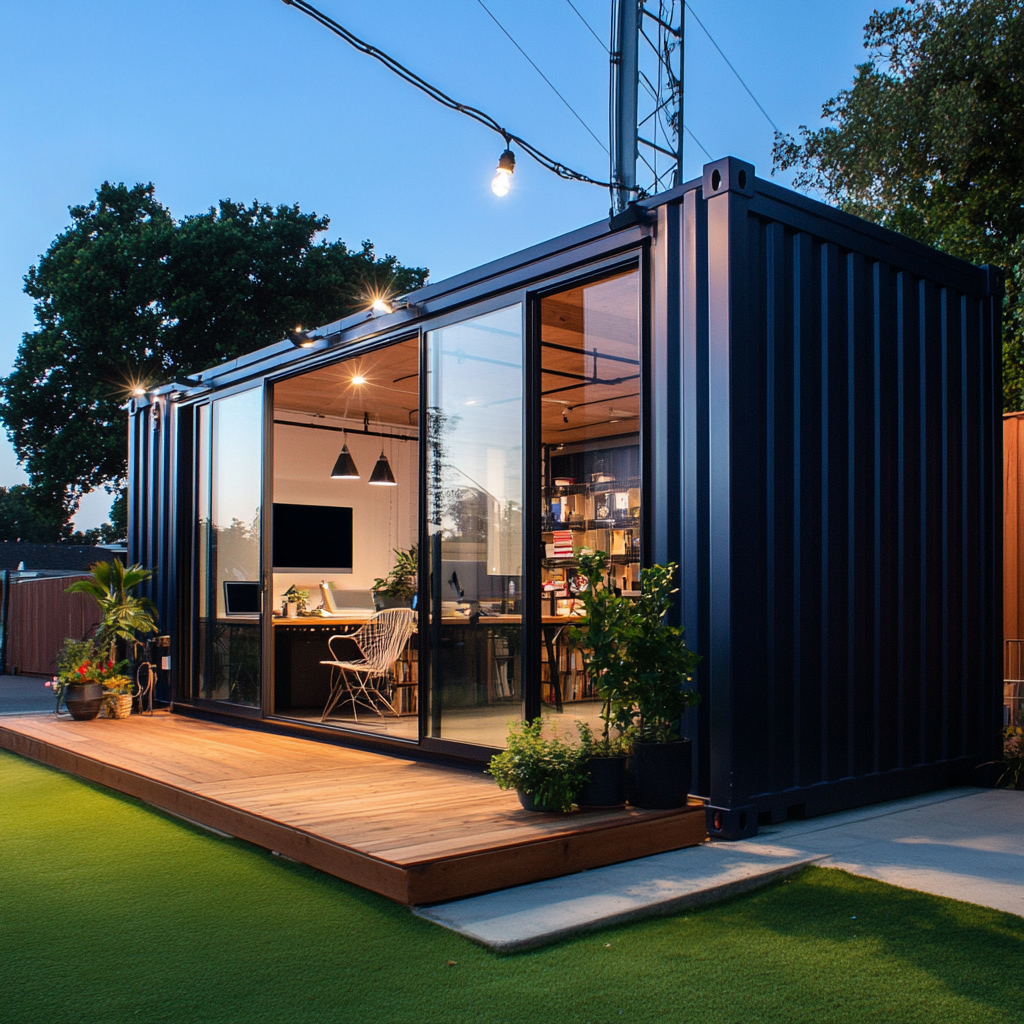
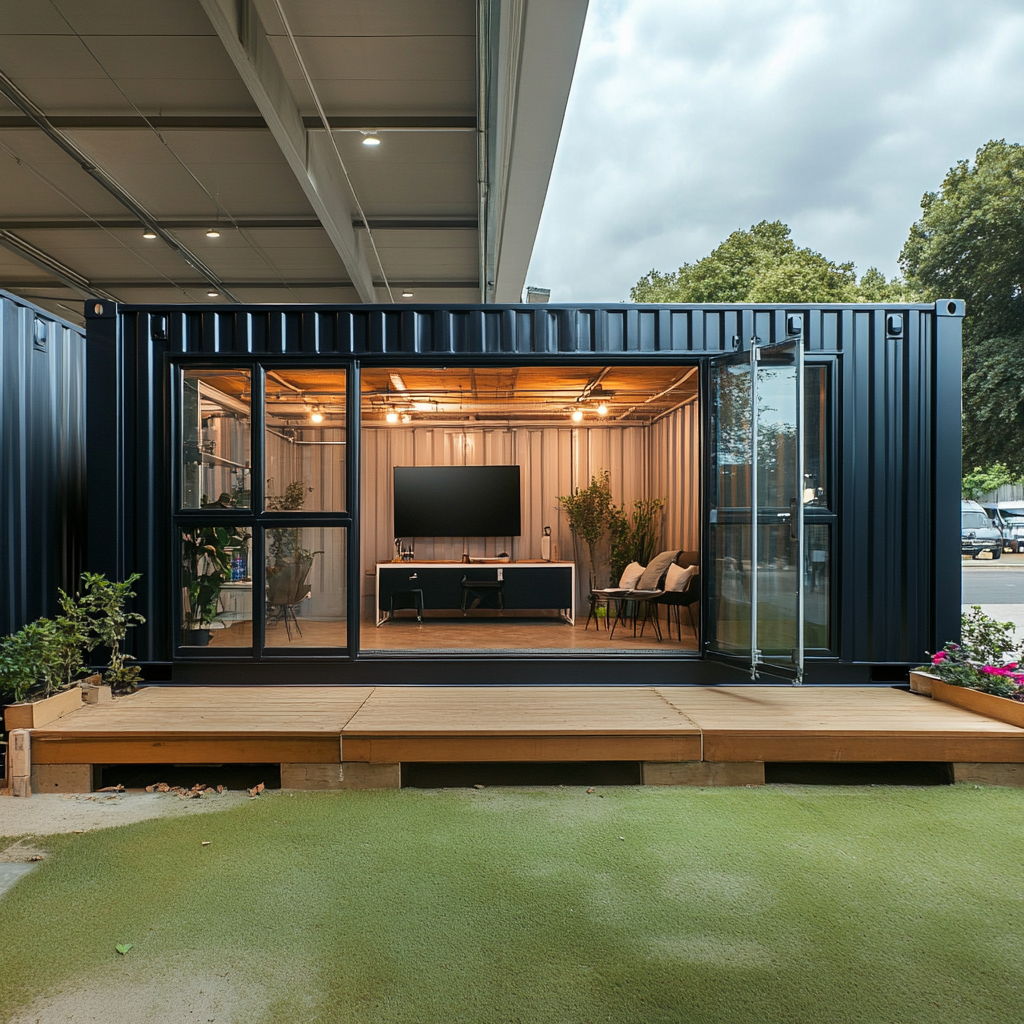
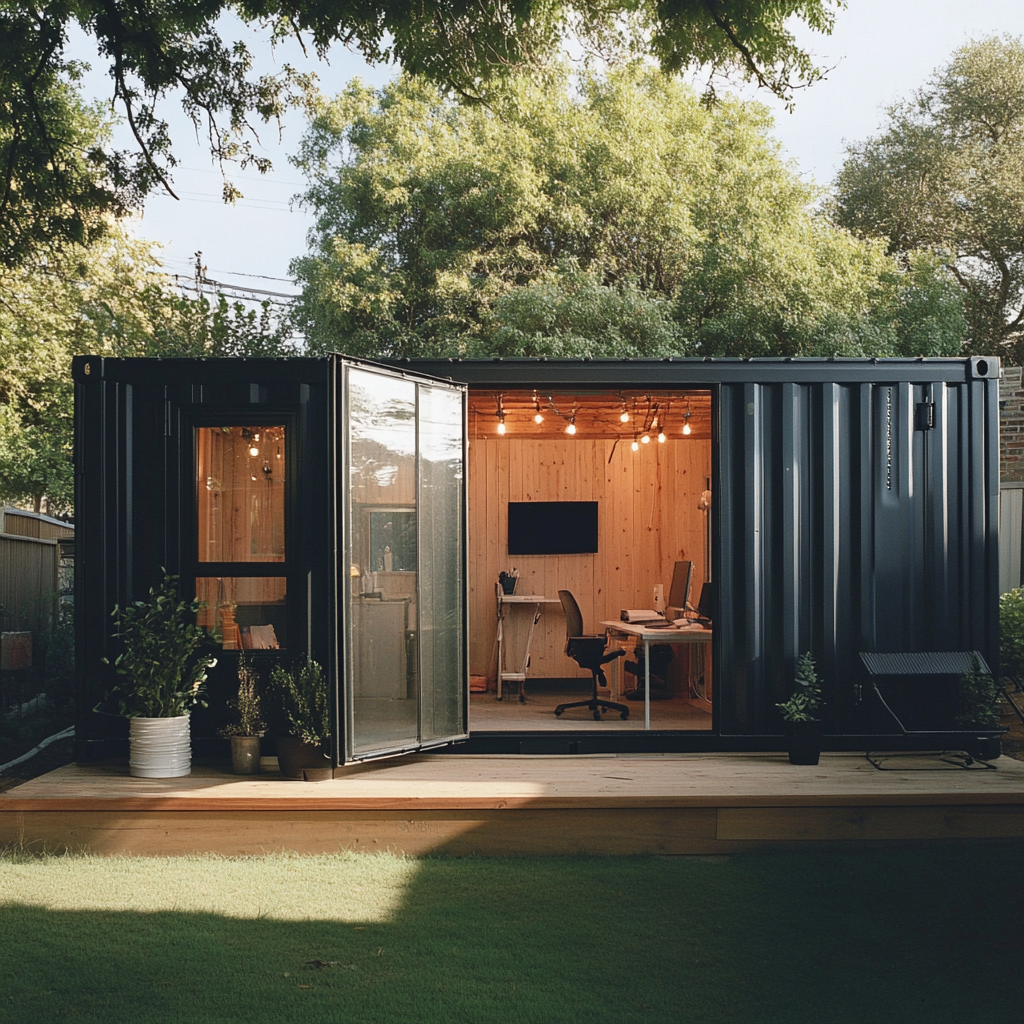
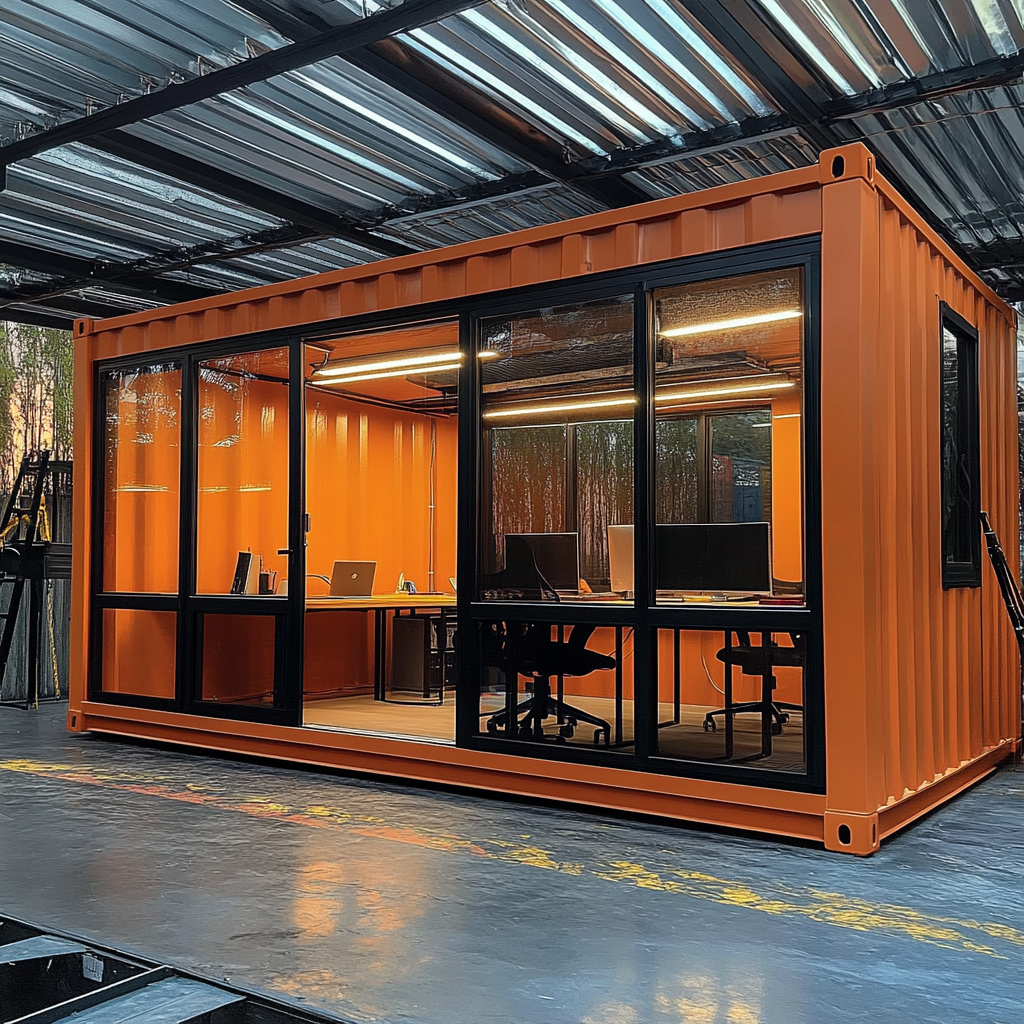
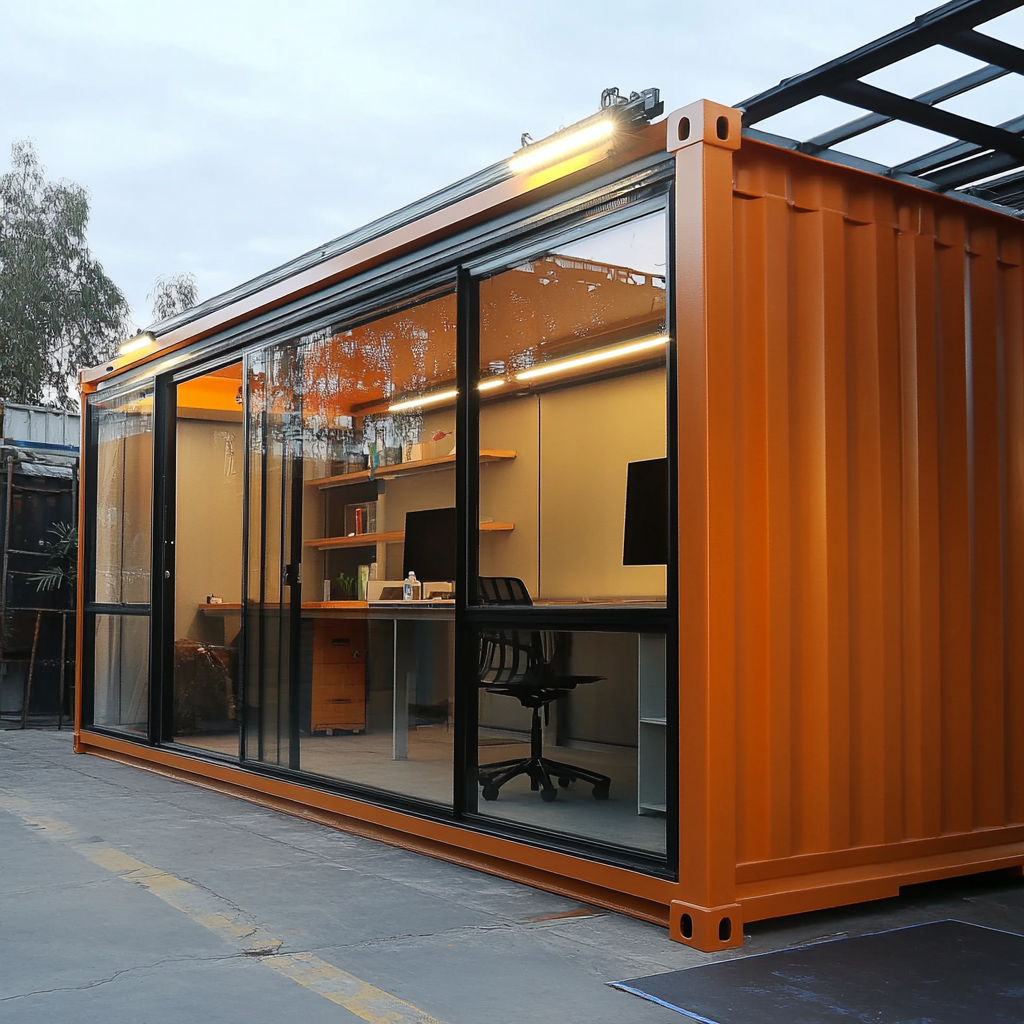
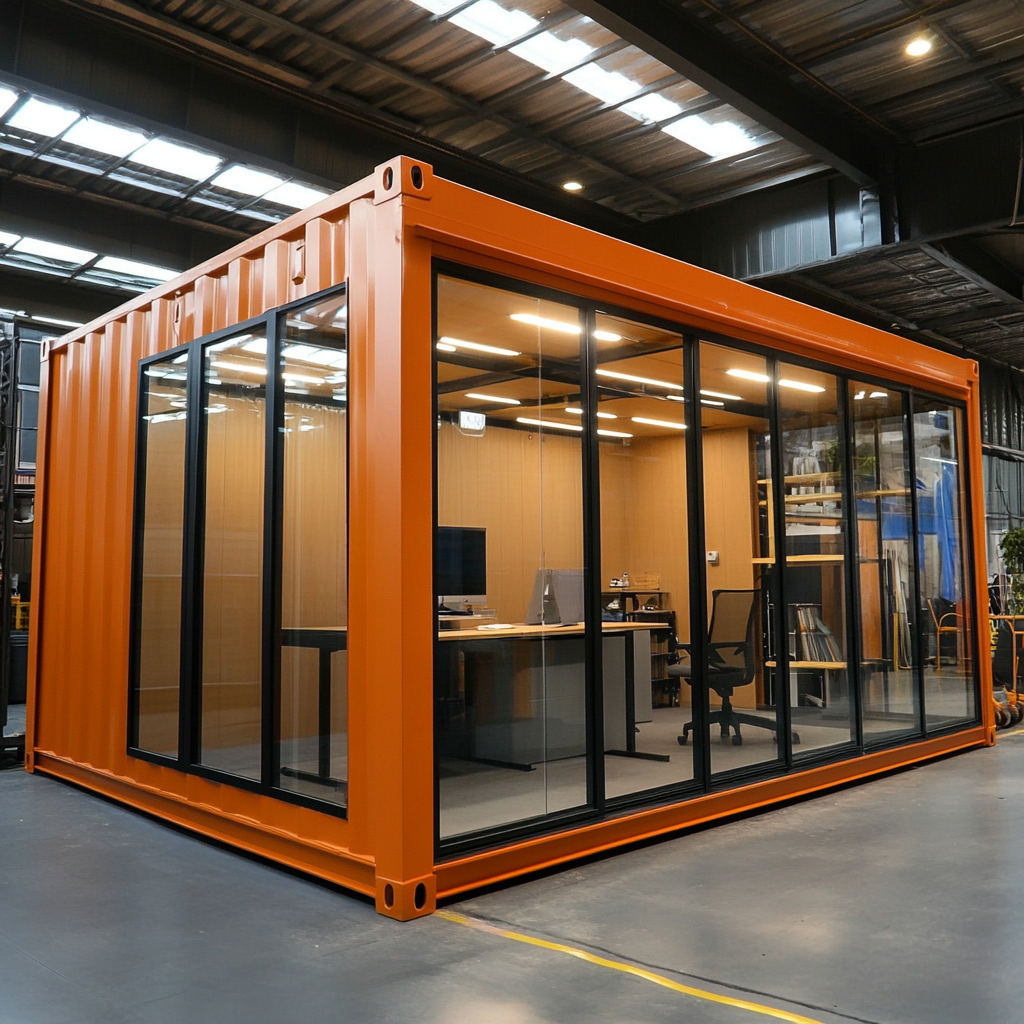
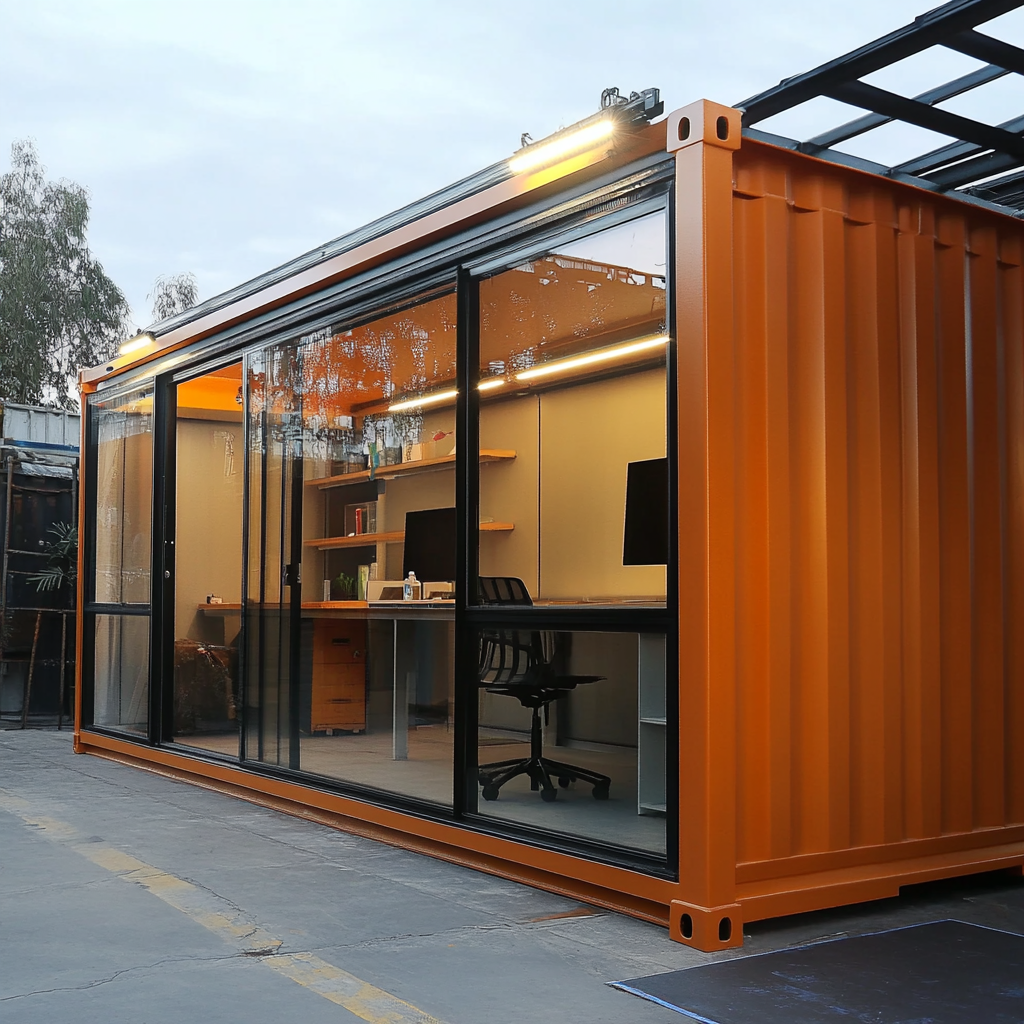
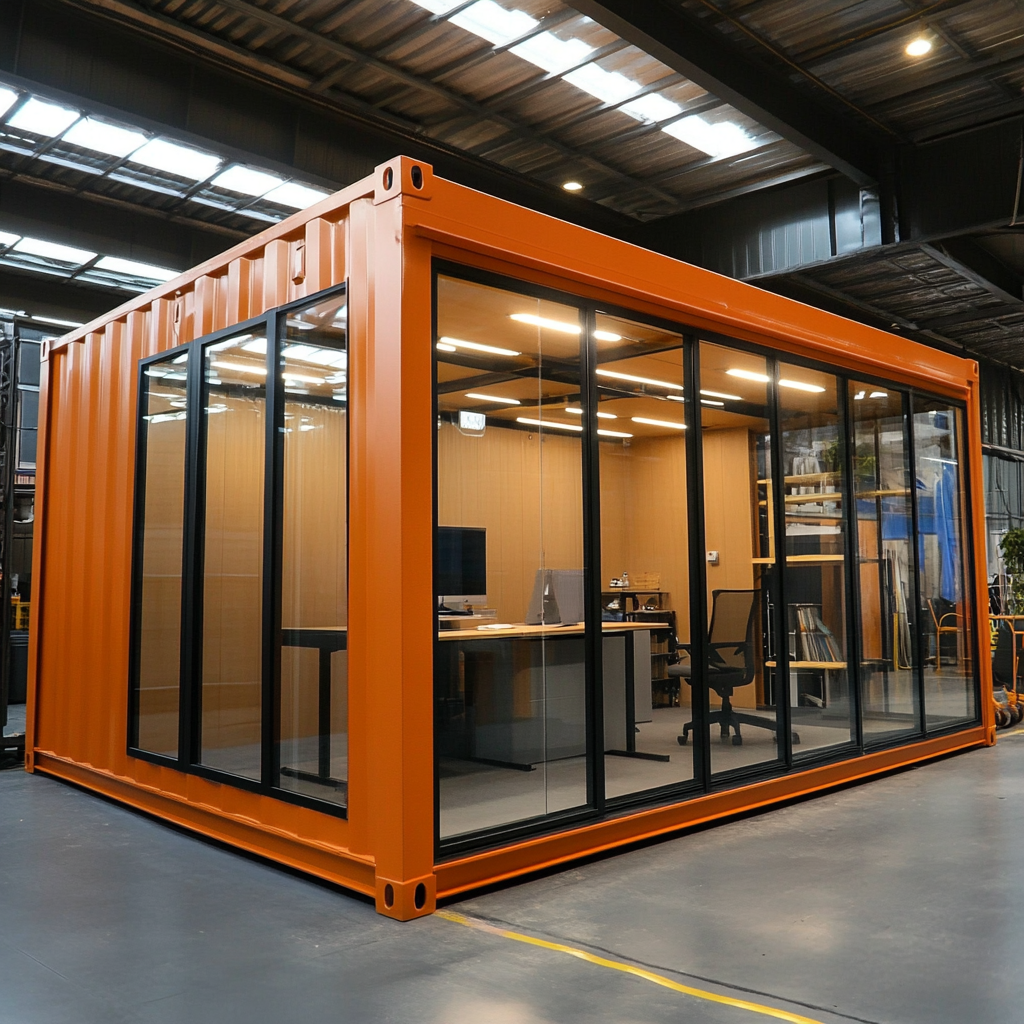
Lanen's Customized Special Container house is a customized, manufacturer-built shipping container house based on a Modified Shipping Container. Using 5.9 m and 12 m modules, it delivers fast factory prefabrication, day-scale installs, reuse of idle containers, and costs near one-fifth of traditional.

A Customized Special Container house from Lanen is a customized, code‑aware building created by a specialist manufacturer on a Modified Shipping Container. We work to high tolerances because this product must deliver structural safety, comfort, and fast deployment—without the compromises typical of ad‑hoc retrofits. Built from international standard containers (13 types exist), our core modules use 5.9 m (20 ft) and 12 m (40 ft) units whose height and width closely match indoor room dimensions, so the interior feels naturally residential and practical.

Customized Special Container house

Why It Works

  • Manufacturer‑grade engineering: structural welds, corner fittings, and high‑strength bolts enable stacking, splicing, and relocation while preserving safety.

  • Modular by design: combine 5.9 m and 12 m units by repeating, offsetting, rotating, or angled insertion to form positive/negative spaces (rooms + courtyards).

  • Factory first: up to 100% off‑site prefabrication minimizes site waste and disturbance; crane‑in installation compresses schedules dramatically.

  • Sustainable core: tens of millions of containers exist globally, with fewer than half in active service—reuse cuts raw‑material demand and demolition waste.

  • Real speed: a North London school added 800+ sq ft of container classrooms in a single day thanks to factory pre‑build and planned lifting.

  • Proven mobility: temporary‑building friendly, low dismantling costs; notable relocations include the 2015 Milan Expo Czech pavilion’s move back home.

Special Container house Factory

What You Get

  • Modules: standard 5.9 m and 12 m units; single‑box micro homes to multi‑level clusters.

  • Structure: welded frames + corner castings + high‑strength bolts; designed for robust connections and future expansion.

  • Comfort: insulated envelope; wood‑forward interiors for warmth; large glazing; HVAC‑ready MEP.

  • Site impact: minimal civil works; quick assembly and easy removal, reducing environmental disruption.

  • Aesthetics: industrial character softened by coatings, color blocking, and art walls; bright palettes can transform “cold steel” into lively learning or living spaces.

Special Container house

Use Cases We Deliver

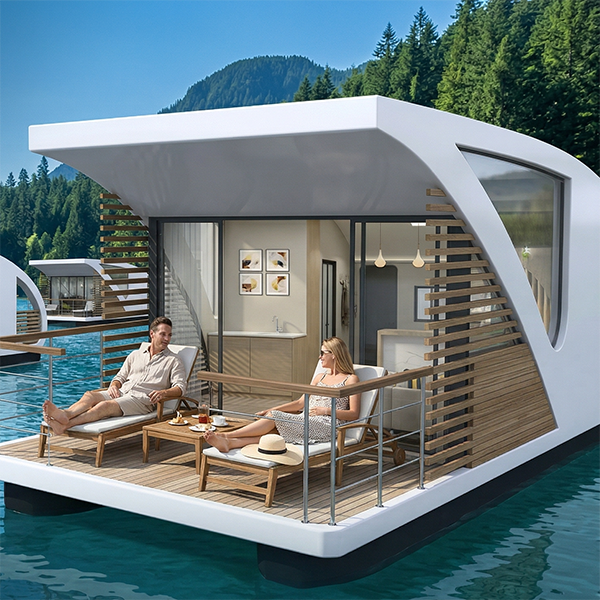
  • Villas and resorts: Mediterranean‑inspired layouts, balconies, and pool‑side decks; bright exteriors with warm timber interiors.

  • Vacation houses: warm earth‑tone facades and wood finishes for compact, cozy retreats.

  • Classrooms and training: modular education suites; example installations add 800+ sq ft in one day with covered links to main buildings.

  • Community, retail, and culture: pop‑ups, galleries, and container streets; limited‑time retail often lifts spend by 20%–30%.

  • Policy/workforce housing: rapid, mobile, high‑value deployments where schedule and budget are critical.

Design Grammar (Modular Thinking)

  • Combine or reduce boxes to tune function; treat modules like building blocks.

  • Arrange by repetition, offset, rotation, or slanted insertion to create terraces, overhangs, and courtyards (negative space).

  • Connection toolkit: welding for continuity, corner‑piece linking for standardization, and high‑strength bolts for serviceable joins.

  • Finishing: surface treatments and art design unify function and appearance, balancing performance and aesthetics.

Customized Special Container house

Sustainability And Lifecycle

  • Reuse stock: with tens of millions of containers worldwide and less than half in active use, adaptive reuse meaningfully reduces waste.

  • Low‑impact build: up to 100% factory prefabrication, fast crane installation, and easy disassembly reduce land disturbance and demolition.

  • Circular mobility: when land permits expire, modules can be removed and repurposed—protecting both capital and the environment.

Buyer & Builder Q&A

  • Is a Customized Special Container house truly comfortable?
    Yes. Container height/width align with typical room dimensions, so spaces feel “right” and are easy to furnish.

  • How fast can we install?
    With high factory prefabrication, small sets can lift in within a day—the North London classroom project added 800+ sq ft in one day.

  • What module sizes does Lanen use?
    Internationally there are 13 standard types; we primarily build with 5.9 m (20 ft) and 12 m (40 ft) units for residential and workspace layouts.

  • How do modules connect safely?
    Welded frames, corner castings, and high‑strength bolts. This supports stacking, splicing, and future expansion while meeting structural needs.

  • What about sustainability?
    Reuse taps a large global stock (less than half active), enables up to 100% factory prefabrication, reduces site waste, and allows low‑cost removal.

  • Do pop‑up formats make business sense?
    Yes. Limited‑time container retail commonly increases spending by 20%–30%, making them strong for launches and activations.

  • How flexible is the design?
    Very. Combine modules by repetition/offset/rotation/angled insertion; create positive (rooms) and negative (courtyards) spaces with clear zoning.

  • Is it suitable for temporary buildings?
    Yes. Container architecture is designed for quick setup and removal; dismantling costs are low. A well‑known example is the 2015 Milan Expo Czech pavilion’s relocation.

  • How does it compare to traditional builds on cost and time?
    Container conversions are often around one‑fifth of traditional construction costs, with much shorter schedules thanks to factory work and crane installation.

  • Can it scale from single to multi‑level?
    Yes. Container buildings range from a single box to multi‑story structures, with modular adjustments to optimize form and space.

Special Container house Factory

Producer Notes (for specifiers and developers)

  • Planning: treat the site as a temporary building where applicable; confirm local code for occupancy, fire, and egress.

  • MEP: plan service corridors and penetrations in factory drawings to preserve structural integrity; standardize utility interfaces for easy hookup.

  • Finishes: color and texture mitigate the “cold steel” feel—classroom projects use bright, playful palettes; hospitality favors warm woods.

  • Logistics: plan crane routes and laydown; container geometry simplifies lifting, trucking, and re‑site moves.

Special Container house

Conclusion

Lanen’s Customized Special Container house turns a Modified Shipping Container into a customized, manufacturer‑built living or working environment that is fast, sustainable, and remarkably adaptable. With internationally standardized modules (5.9 m and 12 m), up to 100% factory prefabrication, one‑day on‑site installs for small sets, demonstrated relocations, and measurable commercial impact (pop‑ups lifting spend by 20%–30%), it outperforms a conventional shipping container house approach on speed, flexibility, and lifecycle value. If you need a high‑requirement solution delivered by a capable manufacturer, this is the smarter way to build.


Get the latest price? We will reply as soon as possible (within 12 hours)