

You want the best foundation for your shipping container home. Most experts recommend a concrete slab as the best foundation because it offers durability and strong support. Other foundation options like piers, wood beams, and crawl spaces can work for different needs. A strong shipping container home foundation keeps your home safe, comfortable, and stable. Poor soil conditions often cause foundation cracking or shifting, leading to problems such as uneven weight distribution or structural deformation. Look at the table below to see common causes of foundation failure:
Choosing from the types of shipping container foundations helps you avoid these risks and build a secure home.
Key Takeaways
A strong foundation is crucial for shipping container homes. It ensures stability, prevents shifting, and protects against moisture and pests.
Concrete slab foundations offer the best durability and moisture protection. They are ideal for permanent homes in stable soil conditions.
Pier foundations are cost-effective and suitable for uneven terrain. They provide easy access to utilities but may have limited moisture protection.
Wood beam foundations are quick to install and flexible for temporary setups. However, they may require replacement over time due to weathering.
Always assess soil conditions and local building codes before choosing a foundation. This ensures safety and long-term stability for your container home.
Why a Strong Shipping Container Home Foundation Matters
Stability and Support
You want your shipping container home to stand strong for years. A solid container home foundation gives your home the stability it needs. When you choose the best foundation, you prevent the container from sinking into soft ground. The foundation distributes weight evenly, protecting against shifting caused by weather or ground movement. If you use a pier foundation or a concrete slab, you increase safety and reduce the risk of structural stress. Look at the table below to see what can happen if you ignore stability:
Moisture and Pest Protection
A strong shipping container foundation keeps water and pests out. Elevating your container home with a pier foundation or using a concrete slab foundation protects against moisture intrusion. You avoid water pooling, which can cause rust and corrosion. A concrete slab foundation seals the area beneath your home, blocking access for vermin and insects. If you use a gravel base, you reduce water accumulation and improve drainage, but you may need periodic maintenance. Safety and durability increase when you keep moisture and pests away.
Comfort and Insulation
You feel more comfortable in a container home with a proper foundation. The foundation acts as a barrier, helping to insulate your home from cold or heat. You enjoy better indoor temperatures and less noise from outside. Safety improves because a well-insulated home reduces the risk of mold and mildew. Durability also increases, since moisture stays out and pests cannot enter easily. When you choose the best foundation, you create a safe and comfortable living space.
Foundation Types for Shipping Container Homes
Choosing the right foundation for your shipping container home is essential for long-term stability, comfort, and safety. You have several options to consider, each with unique benefits and drawbacks. Let’s explore the most common types and see which one fits your needs.
Concrete Slab Foundations
A concrete slab offers the most durable and stable base for shipping container homes. You pour a thick layer of concrete directly onto the prepared ground, creating a solid surface that supports the entire weight of your container home. This slab foundation resists shifting and settling, even in areas with poor soil conditions. You get maximum moisture protection because the slab seals the ground beneath your home. Maintenance stays minimal, and you enjoy a long-lasting solution.
Tip: If you live in a region with cold winters, you may need to dig the slab perimeter below frost depth to prevent frost heave. This process can add to the cost and complexity.
You should choose a concrete slab foundation when you want the highest level of stability and durability. This option works best for permanent homes and sites with good drainage.
Pier and Footing Foundations
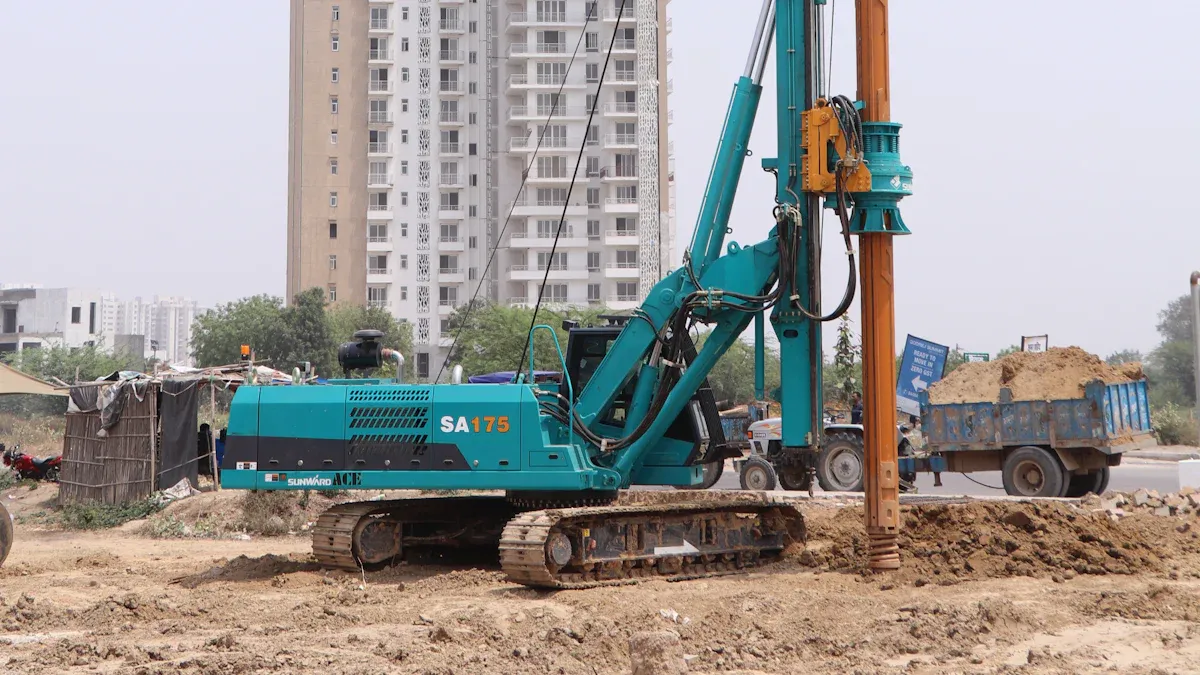
A pier foundation uses concrete piers and footings to support your shipping container home at key points. You place these piers at the corners and along the edges, lifting the container above the ground. This method suits uneven terrain and areas with poor drainage. You can install utility lines more easily because the space beneath the container remains accessible.
The engineering requirements for pier and footing foundations involve careful calculations for load distribution. For example, if your total loading reaches 59,200 pounds and the soil bearing capacity is 1500 PSF, you need a foundation area of 39.5 square feet. You design piers with a bearing area of 10 square feet each, and place footers at least 36 inches below ground level. The footer thickness should be at least one-third of the footing width, which means a recommended thickness of 13 inches. You should consult a structural engineer to determine the exact sizes and reinforcement needed for your shipping container footings.
Here’s a quick comparison between pier foundations and concrete slabs:
You should select a pier foundation if you want a cost-effective solution and need to build on sloped or uneven ground.
Wood Beam Foundations
Wood beam foundations use large treated wood beams, such as railroad ties, to support your container home. You place the beams directly on the ground or on small concrete pads. This option works well for temporary or semi-permanent homes. You can install wood beams quickly and move them if needed. Treated wood resists moisture and pests, but you may need to replace beams over time due to weathering.
Wood beam foundations suit projects where you want flexibility and a fast setup. You should use this option for seasonal homes or when you plan to relocate your shipping container home.
Crawl Space Foundations
A crawl space foundation lifts your container home above the ground, creating a space underneath for ventilation and utility access. You build this foundation using concrete walls or strip footings around the perimeter. The crawl space helps insulate your home and protects against moisture. You can seal the crawl space to keep out pests and improve energy efficiency.
In northern climates, a slab won’t be ideal for handling frost heave. You’ll need to do a lot of digging to get the perimeter of the slab below frost depth, and might be better off building a concrete basement instead. A strip foundation can go around the entire perimeter of your container if you want, sealing the resulting crawlspace off from the outside. Or, you can use two strip foundations that support the container at each of its two short ends. Because a strip foundation contacts the ground along a line rather than at a point, it has a much larger ground contact area. For this reason, it works well on soils with less bearing capacity, where a pier and footing would need to be quite big.
You should choose a crawl space foundation if you want easy access to utilities and better insulation. This option works well in areas with high moisture or cold climates.
Temporary Foundations (Blocks, Gravel, Ties)
Temporary foundations provide a quick and flexible base for shipping container homes. You can use concrete blocks, compacted gravel, or treated wood beams. These options keep your container elevated and help prevent moisture problems. You can install temporary foundations with minimal tools and labor.
Temporary foundations work best for short-term projects or when you need to move your container home. You should not rely on these options for permanent installations. Temporary foundations offer less stability and durability than permanent solutions, which can affect the longevity of your home.
Temporary foundations, such as wooden beams or adjustable foundation blocks, are effective for short-term use, providing a base that keeps shipping containers elevated and prevents moisture issues. However, they may lack the durability and stability of permanent foundations, which can affect their longevity.
Pros and Cons Overview
You can compare the main foundation types for shipping container homes using the table below. This summary helps you choose the best option for your needs.
You should consider your climate, soil conditions, and long-term plans before choosing a container home foundation. Each option offers unique benefits, so match your choice to your specific needs.
How to Choose Your Container Home Foundation
Soil and Site Assessment
You need to start with a careful look at your soil and site. Soil characteristics play a big role in your choice of slab. If your soil has poor compaction or low bearing capacity, your slab may crack or shift. Moisture content and organic matter also affect stability. Clay in the soil can cause uneven settling, which leads to problems with your slab. Use the table below to see how soil features impact your foundation decision:
Climate and Weather Factors
Climate shapes your slab selection. In cold regions, frost heave can damage your slab. You may need to dig deeper or use insulation. Wet climates require a slab with good drainage to prevent water pooling. Dry areas allow for a simpler slab, but you still need to check for soil movement.
Local Codes and Permits
You must follow local building codes when you build your slab. Permits ensure your slab meets safety standards. Some areas require specific slab thickness or reinforcement. Always check with your local authority before you start.
Budget and Timeline
Your budget affects your slab choice. If you have limited funds, you may pick a simpler slab design. Many homeowners choose basic slab types because hiring engineers for detailed analysis costs more. You might overengineer your slab or make safe guesses to avoid extra expenses. A simple slab saves time and money, but you must balance cost with safety.
Matching Foundation to Home Design
Your home design guides your slab selection. Large shipping container homes need a thicker slab for support. If you plan to add extra weight, such as a rooftop deck, you must reinforce your slab. Match your slab to your layout and future plans for the best results.
Tip: Always consult a professional if you feel unsure about your slab design. A strong slab keeps your shipping container home safe and stable for years.
Building Your Shipping Container Foundation
Site Prep and Soil Testing
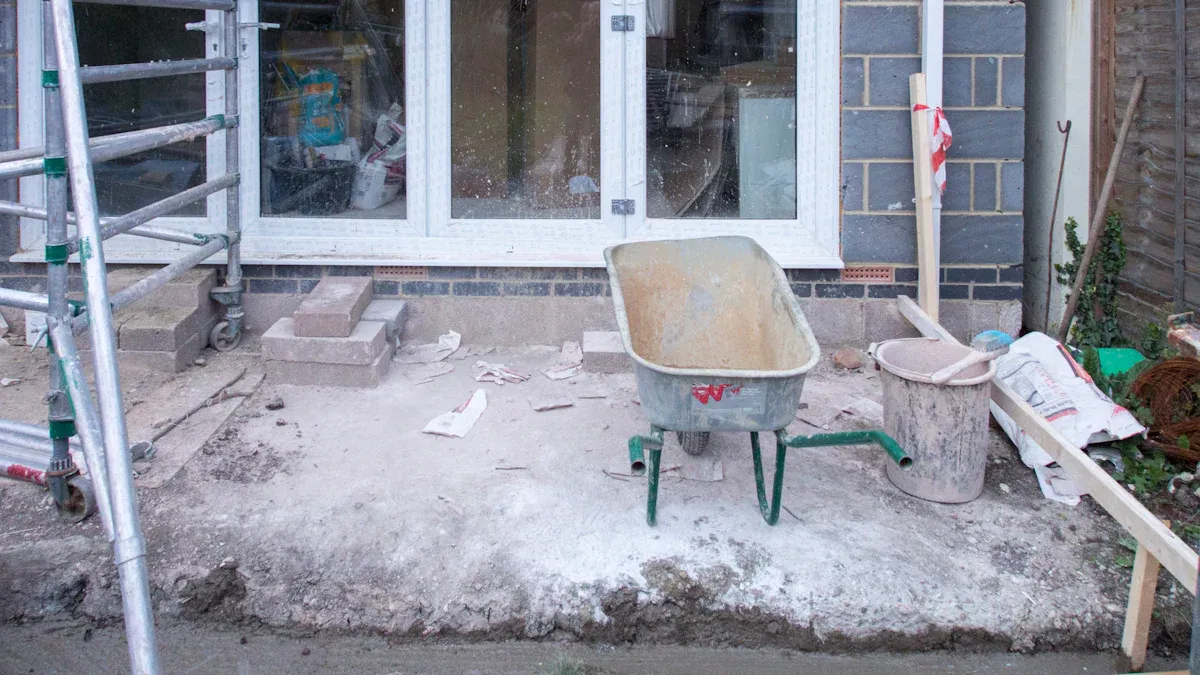
You start your project by preparing the site and testing the soil. Good preparation helps prevent problems with your slab later. Follow these best practices:
Understand soil characteristics. You avoid issues like soil contraction and foundation cracking when you know your soil type.
Seek professional help for soil settlement analysis. If your soil contains clay or organic matter, you need expert advice.
Watch for soil expansion. Water saturation and freezing temperatures can cause frost heave, which damages your slab.
Compact the soil properly. A stable base supports your slab and keeps your shipping container home secure.
Tip: Soil compaction is essential. Loose soil can shift and cause your slab to crack.
Marking and Excavation
You mark the area for your slab using stakes and string. Accurate marking ensures your slab fits your design. Excavate the site to the required depth. Remove rocks, roots, and debris. Level the ground before you move to the next step. If you plan a slab below frost depth, dig deeper to protect against frost heave.
Pouring or Installing the Foundation
You set up forms to shape your slab. Mix concrete and pour it evenly into the forms. Use a screed to level the surface. Let the slab cure for several days. If you choose a pier or crawl space foundation, install footings and supports at this stage. For a gravel base, spread and compact the gravel before placing your container.
Attaching the Container Home
You place your shipping container home on the finished slab. Use anchor bolts or brackets to secure the container to the slab. Check alignment to make sure doors and windows open smoothly. If you use a pier or crawl space, attach the container to the supports with steel plates or brackets.
Note: Proper attachment prevents shifting and keeps your slab and container safe during storms or earthquakes.
Maintenance Tips
You keep your slab in good condition with regular checks. Look for cracks or signs of movement. Seal any gaps to block moisture. Clean the slab surface to prevent mold. Inspect anchor points and tighten bolts if needed. If you notice soil settling, address it quickly to protect your foundation.
Tip: Schedule yearly inspections for your slab and foundation. Early repairs save money and extend the life of your shipping container home.
Quick Comparison Table and Checklist
You want to make a smart decision for your shipping container home foundation. Use the table below to compare the main options. Look at the features that matter most for your project.
Tip: ⭐ means higher performance. More stars show better results in that category.
You can use this checklist to guide your choice. Answer each question to see which foundation fits your needs.
Shipping Container Foundation Checklist
Do you plan to keep your home in one place for many years?
Does your site have soft or uneven soil?
Do you need strong protection against moisture and pests?
Will you need easy access to plumbing or electrical lines?
Is your budget limited?
Do you want to build quickly?
Will you move your container home in the future?
Does your climate have cold winters or heavy rain?
If you answer "yes" to questions about permanence, moisture, and stability, you should choose a concrete slab or crawl space. If you need flexibility or have a tight budget, you may prefer piers, wood beams, or temporary blocks.
Note: Always check local building codes before you start your foundation project.
You can use this table and checklist to compare your options and make a confident decision.
You need a strong foundation design for your shipping container home. The right foundation design protects your investment and supports structural safety. You should match your foundation design to your site and budget. Each foundation design affects structural comfort and long-term value. Use the comparison table to review foundation design options. Check the checklist before you choose a foundation design. For complex structural needs, consult a professional about foundation design and structural stability.
FAQ
What is the cheapest foundation for a shipping container home?
You can choose concrete blocks or treated wood beams for the lowest cost. These options work best for temporary setups. You save money on materials and labor, but you sacrifice long-term durability and stability.
Can you put a shipping container directly on the ground?
You should avoid placing your container directly on soil. Moisture and pests can damage the steel. Elevate your container with blocks, gravel, or a slab to protect it and improve ventilation.
How deep should a foundation be for a container home?
You need to dig below the frost line in cold climates. In warmer areas, a depth of 12 to 18 inches often works. Soil type and local codes affect the required depth. Always check with local authorities.
Do I need a permit for my container home foundation?
You must get a permit before building your foundation. Local codes set rules for safety and construction. Permits help you avoid fines and ensure your foundation meets standards.
How do I maintain my container home foundation?
You inspect your foundation every year. Look for cracks, settling, or moisture problems. Seal gaps and tighten bolts. Clean the area to prevent mold and pests. Regular checks keep your foundation strong.