


Have you ever found yourself needing extra space, maybe for a backyard office, a pop-up shop, or just more storage? Choosing the right shipping container can feel overwhelming with so many options out there. When you start thinking about choosing the right shipping container, you need to know exactly how you plan to use it. Your purpose drives every decision in choosing the right shipping container, whether you want a Modified Shipping Container for work, storage, or something unique.
Key Takeaways
Define your purpose before choosing a shipping container. Knowing how you plan to use it helps you make better decisions.
Consider the size of the container. Common options are 10ft, 20ft, and 40ft. Choose one that fits your space and needs.
Check the condition of the container. Look for rust, dents, and ensure it is wind and watertight for durability.
Explore customization options. Add windows, insulation, or electrical systems based on how you want to use your container.
Research local regulations. Always check zoning laws and permit requirements before purchasing a shipping container.
Define Your Purpose and Needs
Intended Use of Shipping Container
Before you start browsing containers, take a moment to picture how you want to use your space. Are you dreaming of a cozy backyard office, or maybe you want to launch a trendy pop-up shop? Some people even turn shipping containers into unique experiences or living spaces. Here are a few creative ways people use modified shipping containers:
Chic mobile bar
Luxury hotel room
Immersive escape room
Sustainable living space
You might have a different vision, like extra storage for your business or a secure place for tools on a construction site. No matter your goal, your intended use shapes every decision you make next.
Purpose and Impact on Choice
Your purpose does more than just inspire your project—it guides you through the entire selection process. When you know what you want, you can focus on the features that matter most. Here’s how your purpose affects your choices:
Storage: You need to think about size, security, and how easy it is to get in and out.
Transportation: Durability and condition matter, especially if you plan to move goods. Make sure your container meets shipping regulations.
Construction Projects: Customization potential and the container’s condition become top priorities.
Tip: If you want extra headroom for a workshop or living area, consider a high cube container. Need to keep things cool? A refrigerated container (also called a reefer) might be the answer.
When you define your purpose, you also need to look at a few key factors:
Intended Use: Every project is different. Your needs will decide what type of container and modifications you should look for.
Size: Most people choose between 20ft and 40ft containers. Pick the size that fits your space and your plans.
Condition: New containers look great and last longer, but used ones can save you money. Check for rust, dents, and water-tightness.
Environmental Impact: Want to go green? Look for eco-friendly options and energy-efficient modifications.
Modifications: Think about what changes you’ll need—like doors, windows, or insulation. Make sure the container can handle these upgrades.
Shipping and Delivery Costs: Don’t forget to factor in how much it will cost to get your container to your site.
Supplier Reputation: Work with a trusted company like Lanen International to make sure you get quality and support.
You have a lot to consider, but breaking it down step by step makes the process much easier. Once you know your purpose, you can move forward with confidence and find the perfect container for your project.
Choose the Right Shipping Container Size and Type
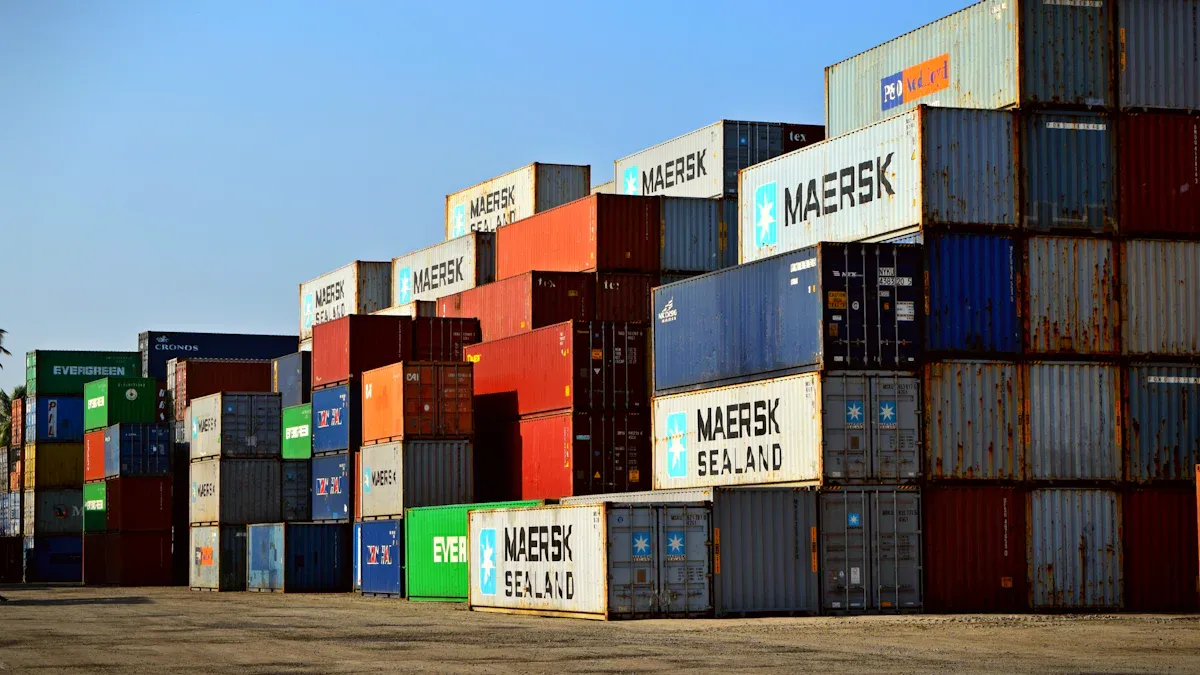
Choosing the right shipping container starts with understanding the different sizes and types available. You want a container that fits your space, your project, and your budget. Let’s break down what you need to know so you can make the best choice.
Common Sizes and Dimensions
Shipping containers come in several standard sizes. The most popular options are 10-foot, 20-foot, and 40-foot containers. Each size offers different benefits, so you can choose the right size for your needs. Here’s a quick look at the most common dimensions:
A 10-foot container works well for small storage or tight spaces. The 20-foot container is a favorite for many projects because it balances space and portability. If you need a lot of room, the 40-foot container gives you plenty of space for workshops, offices, or even homes. When you choose the right size, you make sure your container fits your site and your plans.
Standard, High Cube, and Flat Rack Types
Not all shipping containers are the same. You have several types to pick from, and each one serves a different purpose. Here’s a quick guide to help you decide:
Standard containers work for most storage and modification projects.
High-cube containers give you extra headroom. You might want this type if you plan to add insulation, lighting, or even a loft. Many people choose high-cube containers for living spaces or workshops because the extra height makes a big difference.
Flat rack containers are perfect for oversized items. They do not have sidewalls or a roof, so you can load large equipment or materials with ease.
If you want to maximize your vertical space, high-cube containers are a smart pick. They are about 30 centimeters taller than standard containers, which means you get more room for creative modifications. Flat rack containers work best when you need to move or store something that just won’t fit inside a regular box.
Tip: Think about what you plan to put inside your shipping container. If you need to store tall items or want a more open feel, high-cube containers are worth considering.
Evaluating Container Condition
The condition of your shipping container matters just as much as its size and type. You want a container that matches your project and your budget. Some containers are ready for international transport and must pass a CSC inspection. These containers are wind and watertight, but you might face limits on how much you can modify them.
If you only need a container for storage, you have more freedom to make changes. Containers that are not certified for shipping can be modified more extensively. This flexibility lets you add doors, windows, or even cut out entire sections for open-air spaces.
Evaluating the container's condition is crucial for choosing one that matches the project’s specific needs and budget.
Here are a few things to check before you buy:
Look for rust, dents, or holes. These can affect the container’s strength and weather resistance.
Make sure the doors open and close smoothly.
Check the floor for damage or soft spots.
Ask if the container is wind and watertight.
If you work with a trusted supplier like Lanen International, you can get expert advice on which shipping containers are in the best shape for your project. They can help you find a container that fits your needs, whether you want something brand new or a used option that saves you money.
Choosing the right shipping container size and type is a big step. Take your time, ask questions, and make sure you get a container that will serve you well for years to come.
Customize Your Modified Shipping Container
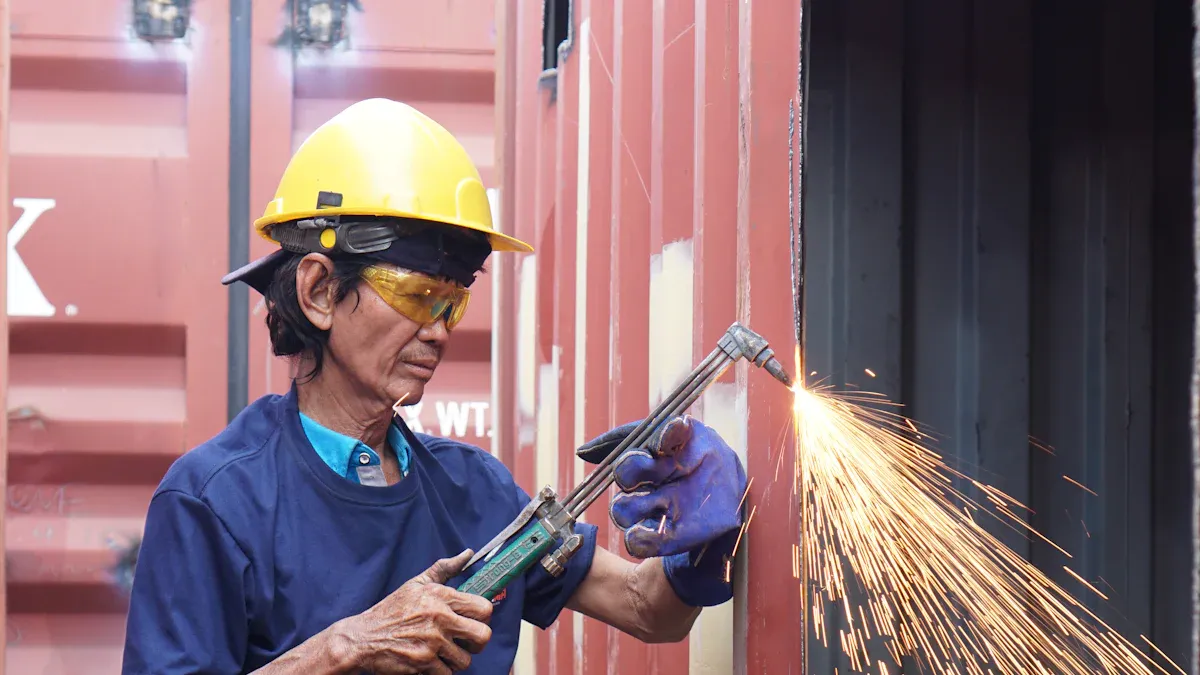
Key Modifications and Customization Options
When you start planning your modified shipping container, you get to choose from a wide range of customization options. Your choices depend on how you want to use your space. For example, if you want a cozy office or a pop-up café, you might need windows for natural light, insulation for comfort, and electrical systems for power. If you plan to use your container for storage, you may only need strong doors and a durable floor.
Here’s a quick look at some of the most popular modifications for both residential and commercial projects:
Tip: Think about your daily needs. Do you need a quiet workspace? Add insulation and windows. Want a retail space? Focus on doors, lighting, and a welcoming exterior.
Environmental Impact Considerations
Choosing the right shipping container and customizing it can help you reduce your environmental footprint. Repurposing containers keeps them out of landfills and gives them a second life. Traditional construction uses new materials and lots of energy, but modified shipping containers use what already exists.
You can make your project even greener by picking sustainable materials and smart features. Here are some ideas:
Use local materials for interior walls and finishes.
Add a roof garden for insulation and fresh produce.
Install rainwater collection systems.
Try insulating ceramic paint to keep things cool.
Use reused tires for raised garden beds.
These choices make your modified containers more comfortable and eco-friendly. You get a space that works for you and helps the planet. If you want expert advice, companies like Lanen International can guide you through the best customization options for your needs.
Logistics, Regulations, and Budget
Local Regulations and Permits
Before you buy a shipping container, check your local zoning laws and permit requirements. Some areas have strict rules about placing storage containers on private property. You might need a building permit or approval from your city or homeowners’ association. If you plan to use a container for storage or as a workspace, ask your local authorities about any restrictions. This step saves you time and prevents costly mistakes later.
Tip: Always get written confirmation of what’s allowed in your area. Rules can change, so double-check before you make a purchase.
Delivery Logistics and Site Prep
Getting your container delivered and set up takes a little planning. You want the process to go smoothly, so follow these steps:
Make sure the delivery truck can reach your site.
Remove any obstacles that could block access.
Check that the entrance is at least 4 meters wide.
Prepare a level surface with railroad ties or concrete slabs.
Place the container on level ground to keep the doors working properly.
Delivery can run into challenges like customs checks, delays at shipping terminals, bad weather, equipment shortages, or even labor strikes. Double-check your paperwork and stay in touch with your supplier to avoid surprises.
Budgeting and Supplier Comparison
You want the best value for your money, so compare suppliers before you buy. Look at these important factors:
Container condition—make sure it’s wind and watertight.
Size and dimensions—pick the right fit for your needs.
Structural modifications—check if you need doors, insulation, or electrical work.
Supplier reputation—choose a company known for quality and transparency.
Lanen International stands out as a reliable supplier in the modified shipping container market. They offer a range of options and expert advice, making it easier to find the right container for storage or custom projects. Take your time, compare prices, and ask questions so you can make a smart investment.
Choosing the right modified shipping container is easier when you follow a few simple steps:
Plan your space and pick the right size.
Check the container’s condition and features.
Customize it to fit your needs.
Compare suppliers for the best deal.
Review local rules before you buy.
Make a checklist or reach out to trusted suppliers like Lanen International. You’ll enjoy flexibility, security, and long-term savings. You’ve got this—your perfect container is just a decision away!
FAQ
How long does it take to get a modified shipping container?
You can usually get your container within 2 to 6 weeks. Custom features may add extra time. Lanen International can give you a clear timeline based on your project.
Can I stack shipping containers for a bigger space?
Yes, you can stack containers to create multi-level spaces. Make sure you use proper supports and get advice from experts. Lanen International can help you plan safe stacking.
Do I need a permit for a shipping container on my property?
Most places require a permit for containers, especially for living or business use. Always check with your local authorities before you buy or install a container.
What maintenance does a shipping container need?
You should check for rust, leaks, and door function every few months. Keep the container clean and repaint as needed. Regular care helps your container last longer.
Can I move my container after it’s modified?
Yes, you can move your container, but modifications like plumbing or heavy fixtures may need extra planning. Ask your supplier, like Lanen International, for moving tips.