

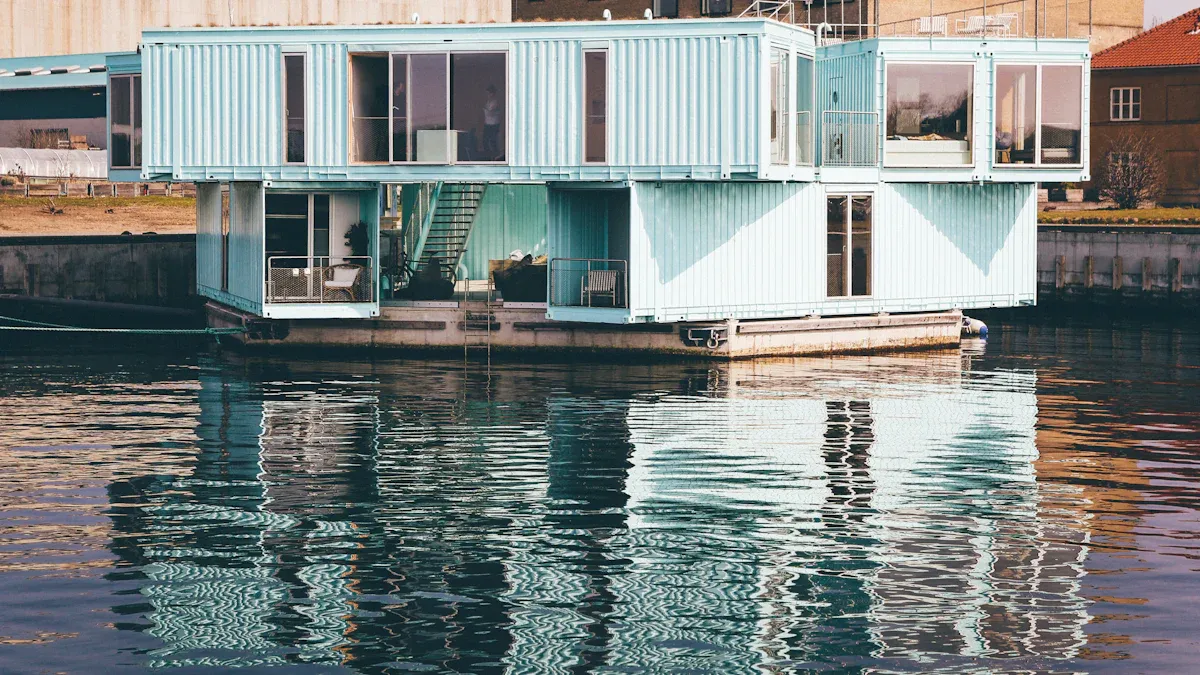
You can expect to spend between $40,000 and $180,000 to build a 40 ft shipping container home, depending on your choices and location. Costs change based on whether you pick a new or used container, the type of finishes, and where you plan to build. The table below shows the average price ranges for different configurations:
You will learn how design, materials, and site needs affect your total investment.
Key Takeaways
Expect to spend between $40,000 and $180,000 for a 40 ft container home. Your choices affect the final cost.
Location, container type, and design choices significantly influence your budget. Research these factors before starting.
Consider using a used container to save money. Basic designs with standard finishes keep costs low.
Plan for additional expenses like site preparation, permits, and utilities. These can impact your total investment.
Consult with professionals like Lanen International for guidance on materials, design, and cost-saving strategies.
40 Ft Shipping Container Home Cost
Average Cost Range
When you start planning a shipping container home, you need to understand the average cost of shipping containers and the total investment required. Most recent data shows that a 40 ft shipping container home usually costs between $100,000 and $180,000. This price range covers basic models with simple finishes and more luxurious homes with custom features. You might see costs measured by square foot, with many projects falling between $150 and $350 per square foot.
Here is a table showing the latest price trends for different container types:
You can see that the average cost of shipping containers depends on the size and condition. New containers cost more, but they offer better durability and fewer repairs.
Main Price Factors
Several factors influence the shipping container cost when you build a home. You need to consider these elements before you set your budget:
Location
Your building site affects the average cost of shipping containers. Urban areas often have higher labor rates and permit fees. Rural locations may require extra delivery charges for the container.Container Type
You can choose between standard and high cube containers. High cube models give you extra ceiling height, but they increase the shipping container cost. Used containers save money, but you may need to pay for repairs or cleaning.Design and Finishes
Simple layouts with basic finishes keep the average cost of shipping containers low. Custom designs, luxury materials, and advanced features raise the price. You might want hardwood floors, modern kitchens, or large windows, which all add to your total.Site Preparation
You need to prepare your land before placing the container. Clearing, grading, and building a foundation can change the shipping container cost. Sloped or rocky land requires more work and higher expenses.Utilities and Infrastructure
Plumbing, electrical systems, heating, and cooling all affect the average cost of shipping containers. Off-grid solutions like solar panels or septic tanks add to your budget.
Tip: You can save money by choosing a used container and keeping your design simple. If you want a luxury shipping container home, expect to pay at the higher end of the price range.
Permits and Inspections
Local building codes and zoning laws impact the shipping container cost. You need to pay for permits, inspections, and sometimes engineering reports.Labor and Construction
Professional builders charge more, but they finish the project faster and with fewer mistakes. DIY builds lower the average cost of shipping containers, but you need time and skills.
When you plan your shipping container home, you should compare prices from trusted suppliers like Lanen International. Reliable companies help you find containers that fit your needs and budget.
You can control your shipping container cost by making smart choices about design, location, and finishes. Always research local prices and talk to professionals before you start building.
Shipping Container Prices

New vs Used Shipping Containers
When you start your project, you need to compare shipping container prices for new and used options. New 40 ft containers usually cost between $5,000 and $7,000. These containers offer a clean slate and fewer repairs. Used shipping containers cost less, with prices ranging from $2,000 to $4,500. You might find some wear and tear, but many people choose used containers to save money.
You can buy containers from several sources. The table below shows the most common places to find both new and used shipping containers:
If you want to keep your shipping container prices low, consider working with trusted suppliers like Lanen International. They help you find containers that fit your needs and budget.
Delivery and Placement Costs
After you buy your container, you need to plan for delivery and placement. Shipping container prices increase when you add transportation. Delivery costs depend on distance, region, and site access. Domestic trucking usually costs $300 to $700 per container. If your site is hard to reach, you might pay an extra $200 to $1,000 for door delivery.
For international shipping, prices vary by destination. The table below shows typical costs for a 40 ft container from Jeddah or Dammam to different regions:
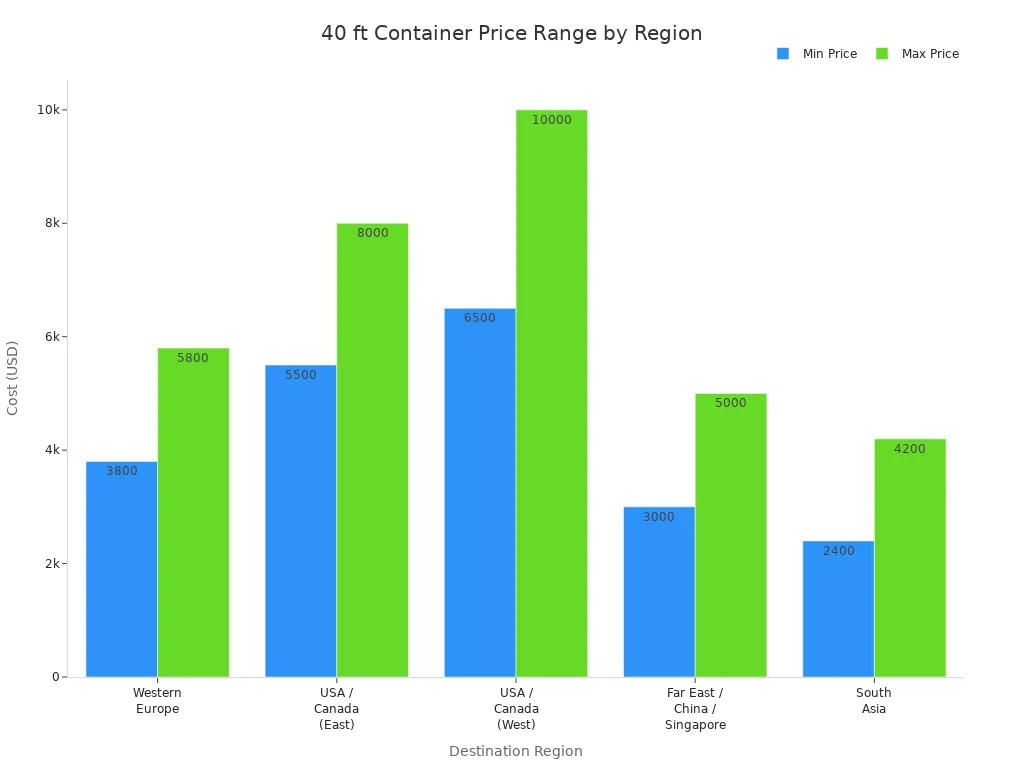
You should always include delivery and placement in your budget. These costs can change your total shipping container prices more than you expect.
Site Preparation and Foundation
Land and Site Access
You need to evaluate your land before you start building a container home. The location affects your budget and timeline. Flat land with easy road access makes construction simple. Sloped or rocky land increases costs because you need extra grading and excavation. You should check for local utility connections, such as water, electricity, and sewage. If your site is far from main roads, you may pay more for delivery and heavy equipment.
Tip: Contact Lanen International for advice on choosing land that suits container home construction. Their team can help you understand site requirements and avoid costly mistakes.
Here is a checklist to help you assess your site:
Road access for trucks and cranes
Soil stability and drainage
Proximity to utilities
Local zoning rules
You can use this checklist to compare different properties and select the best location for your project.
Foundation Options
You must choose a foundation that supports your container home and fits your budget. The foundation keeps your home stable and protects it from moisture. You have several options:
Concrete slabs work well for flat sites. Concrete piers cost less and suit uneven ground. Strip footings provide strong support for long walls. Helical piles help when soil is soft or unstable.
Note: You should consult a local engineer before you select a foundation. Proper design prevents future problems and keeps your home safe.
You can save money by matching your foundation to your land conditions. Smart planning helps you avoid delays and extra expenses.
Design and Layout Choices
Basic vs Custom Floor Plans
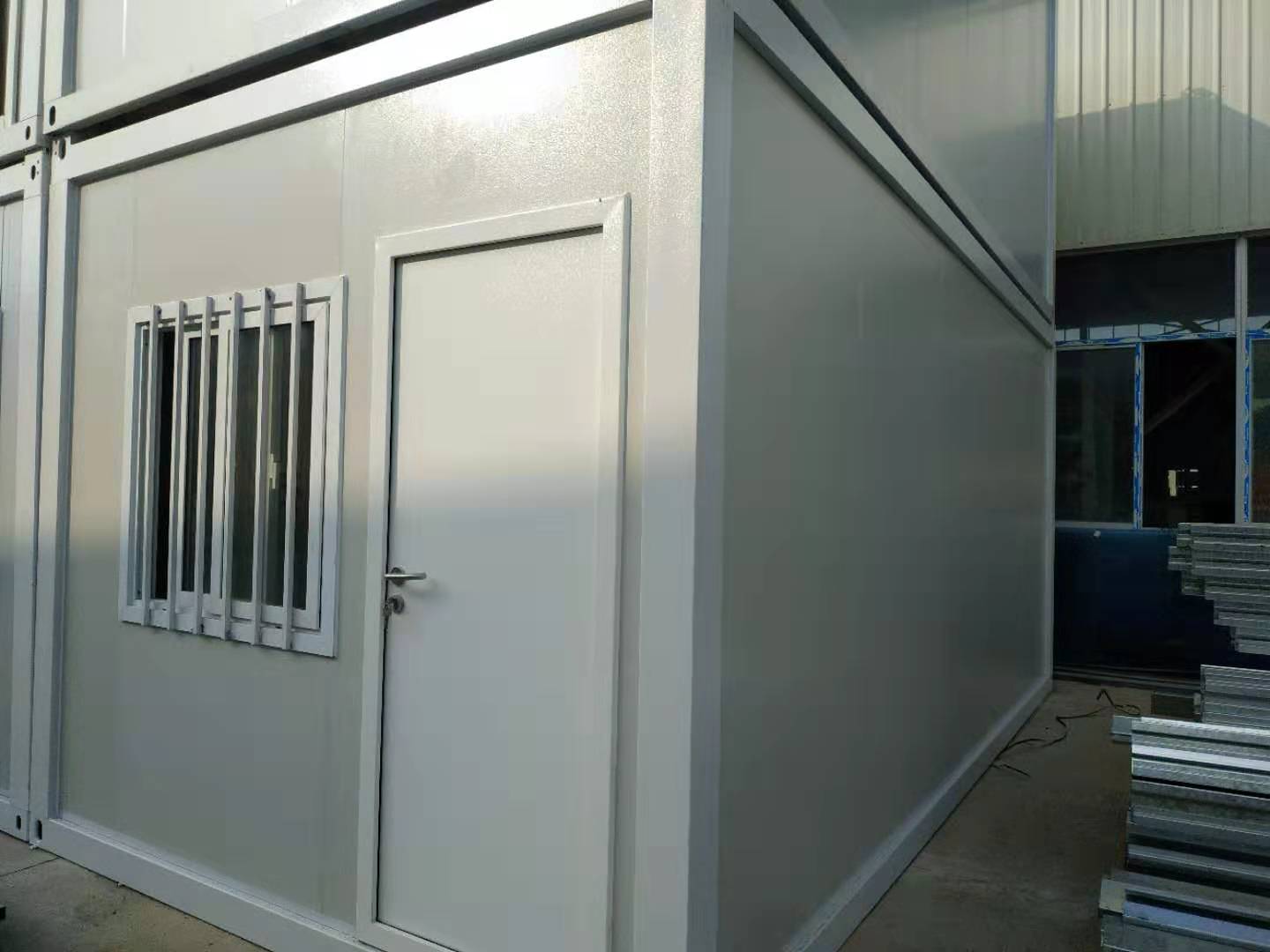
You make a big impact on your budget when you choose your design and layout. A basic layout uses the original shape of the 40 ft container. You often see a simple one-bedroom or studio setup. This design keeps costs low because you do not move many walls or cut large openings. You can finish a basic layout quickly and with fewer materials.
If you want a custom design, you can change the layout to fit your needs. You might add extra rooms, a larger bathroom, or a walk-in closet. Some people combine two or more containers for a bigger layout. Custom design means you pay more for engineering, labor, and materials. You also need to plan for extra insulation and support. Lanen International can help you compare basic and custom design options to match your budget.
Tip: Start with a simple layout if you want to save money. Upgrade to a custom design when you have a bigger budget.
Interior and Exterior Finishes
Your choice of finishes changes the look and feel of your container home. A basic design uses standard drywall, simple flooring, and basic fixtures. You can keep the exterior metal for an industrial style. This layout works well for guest houses or rental units.
A luxury design uses high-end finishes. You might pick hardwood floors, stone countertops, or custom cabinets. Large windows, sliding doors, and designer lighting add to the cost. You can also add a rooftop deck or covered porch for more outdoor space. Each upgrade changes the layout and increases your total investment.
Here is a quick comparison:
You control your costs by balancing design and layout choices. Lanen International offers guidance on picking the right design for your goals.
Construction and Labor Costs
DIY vs Professional Build
You face a big decision when building your 40 ft container home: do you build it yourself or hire professionals? Each option has unique costs and benefits.
DIY Build
You can save money by doing the work yourself. Many people spend between $20,000 and $50,000 on materials and basic tools. You control the process and can customize every detail. However, you need construction skills, time, and patience. Mistakes can lead to extra expenses or delays.Professional Build
Hiring a contractor increases your budget but reduces stress. Professionals charge for labor, project management, and expertise. You might pay $60,000 to $120,000 for a full build, depending on the design and location. You get a finished home faster and with fewer errors.
Tip: If you want a balance, consider a hybrid approach. You can handle simple tasks and let experts manage complex work like electrical or plumbing.
Choosing a trusted provider like Lanen International can help you avoid hidden costs. Their team offers guidance, skilled labor, and reliable materials. You get peace of mind and a smoother building process.
Labor and Timeline
Labor costs make up a large part of your total budget. Rates vary by region and project complexity. In most areas, you pay $30 to $80 per hour for skilled trades like electricians, plumbers, and carpenters.
Here is a sample breakdown:
You should expect a DIY build to take 6–12 months, depending on your schedule. A professional team can finish in 3–6 months. Planning ahead and working with experienced brands like Lanen International helps you stay on track and within budget.
Utilities and Infrastructure
Plumbing and Electrical
You need to plan your plumbing and electrical systems before you start building your container home. These systems make your home comfortable and safe. You should decide if you want to connect to city utilities or use off-grid solutions. City connections often cost less upfront, but off-grid options like solar panels or rainwater collection give you more independence.
Here is a quick overview of common choices:
Tip: Lanen International can help you choose the best utility setup for your location. Their experts know how to design efficient systems for container homes.
You should hire licensed professionals for plumbing and electrical work. This keeps your home safe and helps you pass inspections.
Heating, Cooling, and Insulation
You must keep your container home comfortable in every season. Metal containers heat up and cool down quickly, so insulation is very important. You can use spray foam, rigid panels, or fiberglass batts. Spray foam works best because it seals gaps and resists moisture.
For heating and cooling, you have several options:
Mini-split HVAC systems
Electric baseboard heaters
Portable air conditioners
Wood stoves (for rural areas)
You should pick a system that fits your climate and budget. Good insulation lowers your energy bills and keeps your home quiet.
Note: Lanen International offers advice on insulation and climate control. Their team helps you select materials that work for your region.
You can create a comfortable living space by planning your utilities and infrastructure carefully. Smart choices save money and improve your quality of life.
Permits and Inspections for Shipping Container Homes
Building Permits
You need to secure building permits before you start your container home project. Local authorities use permits to make sure your home meets safety and construction standards. The process usually starts with submitting your plans to the city or county building department. You may need to provide:
Site plans
Structural drawings
Foundation details
Utility layouts
Permit fees vary by location. In many areas, you can expect to pay between $500 and $3,000 for a single-container home. Some cities require extra permits for electrical, plumbing, or septic systems. Always check with your local office for the latest requirements.
Tip: Start the permit process early. Delays can slow down your project and increase costs. Lanen International can help you prepare the right documents and answer questions about local rules.
Zoning and Code Compliance
Zoning laws control where you can build a shipping container home. You must check if your land is zoned for residential use. Some areas do not allow container homes or have strict design rules. You may need to meet minimum size, setback, or height requirements.
Building codes set the standards for safety, energy use, and accessibility. You must follow codes for:
Insulation and ventilation
Electrical and plumbing systems
Fire safety and exits
Here is a quick checklist to guide you:
Note: Lanen International stays updated on zoning and code changes. Their team can guide you through compliance and help you avoid costly mistakes.
You protect your investment by following permit and code rules. Careful planning keeps your project on track and ensures a safe, legal home.
Customizations and Upgrades
Windows, Doors, and Skylights
You can transform your container home by upgrading windows, doors, and skylights. These features change the design and improve natural light. You might choose large windows for a modern look or add skylights to brighten the interior. The layout of your openings affects airflow and privacy. You can select sliding glass doors for easy access to outdoor spaces. Many homeowners use custom frames to match their design style. Lanen International offers advice on choosing energy-efficient windows that fit your layout. You should consider security and insulation when planning your design. Skylights work well in bedrooms or bathrooms where you want extra daylight. You can use different shapes and sizes to create a unique design.
Decks, Roofs, and Additions
Adding decks, roofs, or extra rooms expands your living space. You can build a rooftop deck for relaxing or entertaining. The layout of your deck depends on your site and design goals. Some people add covered porches or pergolas for shade. You might want a green roof for better insulation and a modern design. Lanen International helps you plan additions that match your layout and budget. You can connect multiple containers to create a larger design. Outdoor spaces improve comfort and increase property value. You should use durable materials that match your design theme. The layout of your additions should blend with the original container structure.
Tip: Plan your deck and roof upgrades early in the design process. This helps you avoid costly changes to your layout later.
Smart Home Features
You can upgrade your container home with smart technology. Many people install automated lighting, climate control, and security systems. The design of your smart home features should match your lifestyle. You can use smart thermostats to save energy and improve comfort. The layout of your wiring and devices affects how you use each space. Lanen International recommends planning smart upgrades during the initial design phase. You might want voice-controlled lights or remote door locks for convenience. Smart sensors help you monitor energy use and keep your home safe. You can integrate smart features into any design or layout, from basic to luxury models.
Note: Smart home upgrades work best when you include them in your design from the start. This ensures your layout supports all devices and systems.
Example Scenarios for 40 Foot Container Homes
Basic Single-Container Home
You can build a simple and affordable shipping container home using one 40-foot container. This option works well for a single person or a couple. You get a compact living space with all the essentials. Here is a typical cost breakdown for basic 40 foot container homes:
You can keep costs low by choosing standard finishes and handling some work yourself. Lanen International can help you find quality used containers and guide you through the process.
Tip: Start with a basic design if you want to move in quickly or have a limited budget.
Luxury or Multi-Container Home
You can create a high-end living space by combining two or more 40 foot container homes. This approach gives you more room, custom layouts, and premium features. Here is a sample cost breakdown for a luxury shipping container home using two containers:
You get a spacious home with designer kitchens, spa bathrooms, and smart technology. Lanen International can help you design and build luxury 40 foot container homes that fit your vision.
Note: Luxury builds take more time and planning. You should work with experienced professionals to avoid costly mistakes.
Tips for Saving on Shipping Container Cost
Where to Cut Costs
You can manage your budget by making smart choices during your container home project. Start by selecting a used 40 ft container in good condition. Used containers often cost much less than new ones. Choose a simple floor plan to reduce design and engineering fees. Standard layouts require fewer modifications and less labor.
Consider basic finishes for your interior and exterior. Vinyl flooring, painted drywall, and standard fixtures keep expenses low. Limit the number of windows and doors. Each opening requires extra framing and insulation. Handle some tasks yourself, such as painting or landscaping, if you have the skills and time.
Tip: Work with suppliers like Lanen International. Their team can help you find quality containers and recommend cost-effective solutions for your project.
You can also save by sourcing materials locally. Local suppliers often offer better prices and reduce delivery fees. Plan your build during the off-season when labor rates may be lower.
Common Mistakes to Avoid
Many people make costly errors when building a container home. Avoid underestimating site preparation costs. Sloped or rocky land increases expenses quickly. Do not skip professional advice for foundation and structural work. Mistakes here can lead to expensive repairs.
Some homeowners choose luxury finishes or complex layouts too early. This decision can push your project over budget. Focus on essential features first. Upgrade later when you have more funds.
Failing to research local permits and codes can cause delays and fines. Always check requirements before starting construction. Rushing the build or hiring unqualified labor often leads to poor results.
Remember, affordability depends on careful planning and smart decisions at every stage.
You can expect to spend between $40,000 and $180,000 for a 40 ft container home. Your choices for location, finishes, and labor shape your final cost. Experts recommend planning with these tips:
Research local prices and consult trusted brands like Lanen International. You can start by listing your needs and setting a clear budget.
FAQ
How long does it take to build a 40 ft container home?
You can expect the build to take three to six months with professionals. DIY projects often need six to twelve months. Lanen International offers project management to help you stay on schedule.
Can you finance a shipping container home?
You can finance your container home through some banks and credit unions. You should check with local lenders for options. Lanen International can connect you with financing partners.
Is a container home safe and durable?
You get strong steel walls that resist weather and pests. Proper insulation and foundation increase safety. Lanen International recommends certified containers for maximum durability.
Do container homes need special maintenance?
You should inspect for rust and leaks each year. Paint and seal the exterior to protect the steel. Lanen International provides maintenance tips for long-lasting homes.