

You might wonder how much you’ll spend to set up a backyard shipping container office. Most people see the cost fall between $18,000 and $55,000, but your final price can swing higher or lower. Size, finishes, and location all play a big role in what you’ll pay. If you want smart ways to stretch your dollars, you’re in the right place.
Key Takeaways
Expect to spend between $18,000 and $55,000 for a backyard shipping container office. Your final cost depends on size, condition, and features.
Consider buying a used container to save money. Used containers can be in great shape and significantly lower your initial expenses.
Plan for site preparation and permits. These costs can add up, so check local regulations and prepare your site properly to avoid surprises.
Track your expenses throughout the project. Keeping a detailed record helps you stay within budget and make informed decisions.
Choose energy-efficient options for long-term savings. Investing in good insulation and electric systems can reduce future utility costs.
Shipping Container Office Cost Overview

Average Price Range
When you start planning your backyard shipping container office, you probably want to know what you’ll spend. Most projects land between $18,000 and $55,000. Some people pay less, while others go above this range. Your final price depends on a few big choices.
A standard 40-foot container can cost more if you pick a high cube model or want extra features like side doors.
Used containers sometimes look almost new, but others may need repairs, which affects the price.
The condition and type of container you choose will set the tone for your total cost.
Key Cost Factors
You’ll notice that several things can push your cost up or down. Here’s a quick look at what matters most:
Tip: If you want to save money, look for containers in good condition near your location. This can help you avoid high delivery fees and extra repairs.
Choosing the right options for your shipping container office can make a big difference in your final cost. Think about what features matter most to you and where you can compromise to stay within your budget.
Office Container Expense Breakdown
When you start planning your backyard office, you want a clear cost breakdown. Let’s walk through each major expense so you know where your money goes and where you can save.
Container Purchase Price
The first step in your office container project is the purchase. You’ll see a big difference in price depending on whether you buy new or used. Used containers offer significant savings. For example, a used 45ft container might cost around $4,600. New containers usually cost thousands more. If you want to save money, a used container is a smart choice.
You can see that size and condition play a big role in the purchase price. If you want a high cube or a specialty container, expect to pay more. Most people find that a standard 20-foot or 40-foot container works well for a backyard office.
Tip: Used containers are budget-friendly and often in great shape for office conversion.
Site Prep and Foundation
Before you set your office container in place, you need to prepare the site. This step includes clearing the area, leveling the ground, and pouring a foundation. You might choose concrete piers, a slab, or even railroad ties. The cost depends on your yard and soil. Simple gravel pads cost less, while a full concrete slab costs more. If your backyard is uneven or has drainage issues, you’ll spend more on site prep.
Permits and Delivery
Don’t forget about permits and delivery. You need to check with your city or county for rules about placing an office container in your backyard. Permit fees can range from $100 to $1,000 or more, depending on your location. Delivery costs depend on how far the container travels and the type of truck needed. If you live near a port, you’ll pay less. If you’re far from a major city, delivery can add a lot to your total cost.
Insulation and Interior Finishes
Insulating your office container is key for comfort. Spray foam insulation works well and is popular for container construction. Here’s a look at some typical prices for insulation materials:
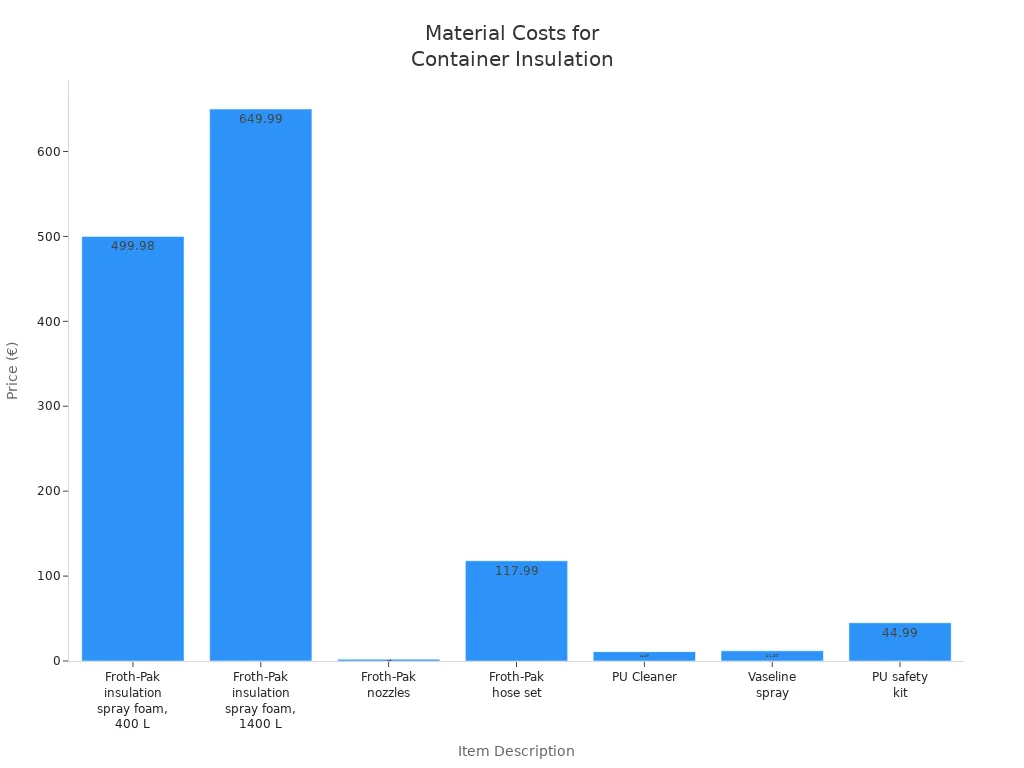
After insulation, you’ll want to finish the interior. Drywall, paint, flooring, and trim all add to the cost. You can keep things simple or go for a high-end look. The choices you make here have a big impact on your total cost of ownership.
Electrical, HVAC, and Plumbing
You need power and climate control for a comfortable office. Electrical wiring, outlets, and lighting are must-haves. Many people add a mini-split HVAC system for heating and cooling. If you want a bathroom or sink, you’ll need plumbing too. These systems can add several thousand dollars to your office container project.
Choosing energy-efficient electric equipment can save you money over time. You’ll have lower maintenance needs and more predictable costs.
Windows, Doors, and Furnishings
Natural light makes your office container feel bigger and brighter. Adding windows and doors is a must for most people. You can choose basic models or upgrade to double-pane glass for better insulation. Furnishings like desks, chairs, and shelves complete your space. These items vary a lot in price. You can start simple and upgrade later if you want.
Note: Windows, doors, and furnishings are where you can personalize your office container. These costs are flexible and depend on your style and needs.
Every office container project is unique. Some expenses, like insulation and electrical, are essential. Others, like high-end finishes or built-in furniture, are optional. Your choices shape the final cost breakdown. If you want to keep your project affordable, focus on the basics first. You can always add upgrades to your backyard office later.
Regional and Seasonal Cost Variations
Location-Based Price Differences
Where you live can change what you pay for a backyard shipping container office. If you live near a major port or in a big city, you might find containers for less. Delivery is easier and cheaper when the distance is short. In rural areas or places far from shipping hubs, you may see higher prices. Transporting a heavy container over long distances adds to your bill.
You also need to think about local building codes. Some cities have strict rules for backyard offices. You might need extra permits or inspections. These requirements can add time and money to your project. In some regions, labor costs run higher because of demand or a limited workforce.
Here’s a quick look at how location can affect your project:
Tip: Check with local suppliers and your city’s building department before you start. This helps you avoid surprises.
Seasonal Labor and Material Costs
The time of year can also impact your project. In spring and summer, more people build backyard offices. Contractors get busy, and prices for labor can go up. Material prices sometimes rise during these peak seasons, too. If you plan your project for fall or winter, you might find better deals and more available workers.
Bad weather can slow down site prep and delivery. Heavy rain or snow makes it hard to pour foundations or move containers. You may need to wait for better conditions, which can delay your timeline.
If you want to save money, try to schedule your project during the off-season. Ask contractors about their slow periods. You could get a discount or faster service.
Recurring and Hidden Costs
Utilities and Maintenance
You might think your spending stops once your shipping container office sits in your backyard. That’s not the case. You’ll have regular bills and upkeep to keep your space comfortable and safe.
Utilities
You need electricity for lights, computers, and heating or cooling. If you add plumbing, you’ll pay for water and maybe sewer. Internet is another monthly cost if you want to work online. Here’s a quick look at what you might pay each month:
Maintenance
Shipping containers are tough, but they still need care. You should check for rust, leaks, or damage every few months. Paint touch-ups and sealing gaps help keep your office dry and cozy. HVAC filters need changing, and you might need to clean gutters or drains if you have them.
Tip: Set a reminder to inspect your office every season. Small fixes now can save you big money later.
Insurance and Taxes
You can’t forget about insurance and taxes. These costs often surprise new owners.
Insurance
You may need to add your office to your homeowner’s policy. Some companies treat it as an outbuilding. Others want a separate policy. Expect to pay $100–$400 per year, depending on coverage and location.
Taxes
Your local government might increase your property taxes if you add a permanent structure. Some areas tax portable offices, too. Check with your county assessor so you know what to expect.
Insurance and taxes can change each year.
Ask your agent and local officials for details before you build.
Note: Planning for these hidden costs helps you avoid budget surprises down the road.
Building a Backyard Office vs. Traditional Options
Cost Comparison
You might wonder how a shipping container office stacks up against other backyard office options. Let’s break it down so you can see where your money goes.
If you convert a shed into an office, you usually spend about $15,000 to $20,000. Some people finish their shed projects for around $19,478.
Building a traditional home office from scratch costs more. You often see prices between $40,000 and $50,000.
Shipping container offices usually fall in the middle. They are often more affordable than building a traditional home office. Many people find them cheaper than a full addition but more expensive than a basic shed conversion.
You get a unique look and a sturdy structure with a shipping container. You also save time because containers arrive ready for conversion. Traditional builds take longer and often come with more surprises.
Tip: If you want a balance between cost, speed, and durability, a shipping container office can be a smart choice.
Pros and Cons
Every option has upsides and downsides. Here’s a quick look at what you gain and what you might give up with a shipping container office:
You get a lot of flexibility and speed with a container office. You also help the environment by reusing materials. On the flip side, you may need to fix up a used container, and you might face some hurdles with local building rules. If you want a quick, sturdy, and eco-friendly office, a shipping container could fit your needs.
Backyard Office Budgeting Guide
Setting a Realistic Budget
You want your backyard office to fit your needs without breaking the bank. Start by figuring out how much you can spend. Look at your savings and decide what feels comfortable. Use a cost guide to estimate the price for each part of your project. Write down the cost for the container, site prep, permits, insulation, and finishes. Add a little extra for surprises. You might run into small issues, like needing more gravel or paint. Planning for these helps you avoid stress later.
Tip: Always set aside at least 10% of your budget for unexpected costs. You’ll thank yourself if something pops up.
Prioritizing Features
Think about what matters most to you when building a backyard office. Do you need a fancy desk or just a simple workspace? Would you rather have big windows or extra insulation? Make a list of must-haves and nice-to-haves. Put your top priorities first. You can add extras later if you have money left. Here’s a quick way to organize your ideas:
You control where your money goes. Focus on the basics first. Upgrade when you’re ready.
Tracking Expenses
Keep track of every dollar you spend. Use a notebook, spreadsheet, or budgeting app. Write down each purchase, from the container to the last chair. Check your spending every week. This helps you spot problems early. You stay on track and avoid going over budget.
Note: Tracking expenses makes building a backyard office less stressful. You see where your money goes and make smarter choices.
Cost-Saving Tips for Shipping Container Offices
DIY vs. Contractor
You might wonder if you should do the work yourself or hire a pro. If you have basic tools and enjoy hands-on projects, you can save money by handling tasks like painting, installing shelves, or even adding insulation. Many people find that building a backyard office feels rewarding when they do some of the work themselves. For complex jobs like electrical wiring or HVAC, you should call a licensed contractor. This keeps your space safe and up to code. If you want to stick to your budget, mix DIY with professional help. You get the best of both worlds—savings and peace of mind.
Tip: Tackle simple jobs yourself, but leave plumbing and electrical to the experts.
Smart Material Sourcing
You can cut costs by shopping smart for materials. Look for local suppliers, salvage yards, or online marketplaces. Many people find high-quality doors, windows, and fixtures at a fraction of the price. Repurposed or recycled materials often cost less and add character to your shipping container office. When you choose materials, think about durability and long-term value. Here’s a quick look at why shipping containers make a smart choice for your backyard office:
Note: Always compare prices and check reviews before you buy. A little research goes a long way.
Maximizing Value
You want your backyard office to work for you now and in the future. Start with a clear cost guide and stick to your plan. Choose features that matter most, like good insulation or energy-efficient lighting. These upgrades pay off over time. If you keep your design simple, you avoid extra costs and make future changes easier. A flexible layout lets you use your space for work, hobbies, or even guests. Smart choices today help you get the most out of your shipping container office for years to come.
You now know that a backyard shipping container office usually costs between $18,000 and $55,000. Major expenses include the container, site prep, permits, and finishes. Careful planning helps you avoid surprises. Make a list of your must-haves and stick to your budget.
Tip: Always check local rules and prices before you start. This step saves you time and money. Your perfect office starts with smart research and clear goals!
FAQ
How long does it take to build a shipping container office?
You can usually finish your backyard office in 4 to 12 weeks. The timeline depends on your design, permits, and how fast you get materials. DIY projects might take longer.
Do I need a permit for a backyard shipping container office?
Most cities require a permit. Always check with your local building department before you start. Rules can change based on your location and the size of your office.
Can I move my shipping container office later?
Yes, you can move it if you keep it on a portable foundation. You’ll need a truck and crane for transport. Permanent foundations make moving much harder.
How do I keep my container office cool in summer?
Good insulation and a mini-split AC unit help a lot. You can also add window shades or plant trees nearby for extra shade.
What’s the best way to power my office?
Most people connect to their home’s electrical system. Solar panels work if you want a greener option. Always hire a licensed electrician for safety.