

You might wonder if expandable container homes are truly hurricane proof. These homes feature a steel structure that stands strong against extreme weather. In engineering studies, container homes have shown impressive wind load capacity:
Steel frames withstand wind speeds up to 175 mph.
Reinforced construction increases hurricane resistance.
Proper design, solid construction, and regular maintenance help your expandable container house stay safe when a hurricane strikes.
Key Takeaways
Expandable container homes feature strong steel structures that can withstand wind speeds up to 175 mph, providing excellent protection against hurricanes.
Proper anchoring and a solid foundation are crucial for hurricane resistance. Use reinforced concrete footings and heavy-duty bolts to secure your home.
Regular inspections and maintenance of roofs, walls, and connections help ensure your container home remains hurricane proof.
Upgrades like storm shutters and reinforced roofs can enhance your home's ability to resist storm damage, making it safer during severe weather.
Choosing the right site and avoiding flood-prone areas increases your home's resilience against hurricanes and floods.
Expandable Container Homes And Hurricane Resistance
Steel Structure And Wind Load
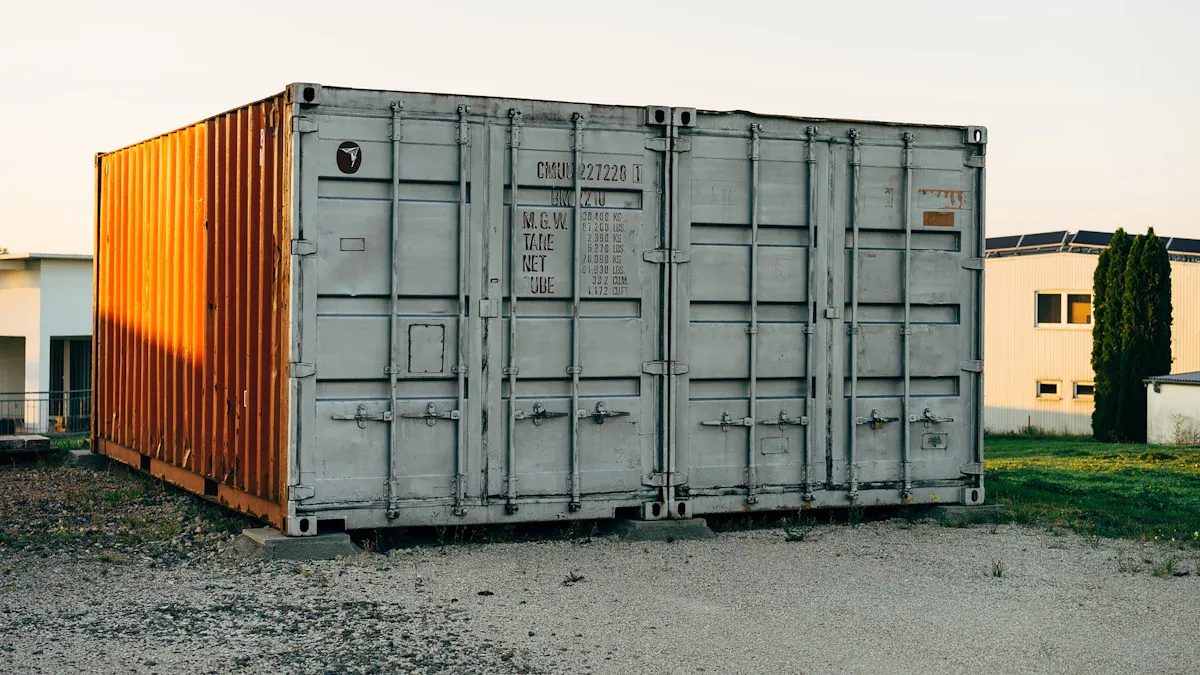
Expandable container homes use steel frames that give you a strong defense against harsh weather conditions. Steel provides excellent durability and wind resistance. When you choose a home built from steel, you gain a structure that can handle the intense forces of a hurricane. The engineering behind these homes focuses on hurricane proof housing. You get walls and roofs that resist bending, twisting, or collapsing under pressure.
Lanen International stands out as a brand that manufactures expandable container homes with hurricane resistance in mind. Their engineers design each expandable container house to meet strict standards for wind load. You can expect these homes to withstand wind speeds up to 175 mph. This level of protection means your home can face hurricane force winds with confidence.
Tip: Always check the wind load rating of your container homes before purchase. Higher ratings mean better protection during storms.
A steel structure also helps with flood resistance. Steel does not rot or weaken when exposed to water. This feature adds another layer of resilience to your home, especially in areas where both wind and flood pose threats.
Anchoring And Foundation
You need more than just strong walls and roofs to make a home hurricane proof. Proper anchoring and a solid foundation play a critical role in hurricane resistance. If you anchor your container homes securely to the ground, you prevent them from shifting or lifting during a hurricane.
Most manufacturers recommend deep-set concrete footings or piers for the foundation. These options keep your home stable even when strong winds hit. You should also use heavy-duty bolts and steel plates to connect the home to its foundation. This method ensures the entire structure acts as one unit during a storm.
Checklist for hurricane proof anchoring:
Use reinforced concrete footings
Install heavy-duty anchor bolts
Inspect all connections regularly
Follow local building codes for hurricane proof housing
If you live in a flood-prone area, raise your home above the base flood elevation. This step protects your home from flood damage and increases its overall resilience. Regular maintenance of the foundation and anchoring system keeps your home ready for any weather event.
Note: Proper construction and ongoing inspections help you maintain the hurricane proof qualities of your container homes.
By focusing on steel structure, wind load, and secure anchoring, you give your home the best chance to withstand hurricane force winds and severe weather.
Key Hurricane-Proof Design Features
Roof And Wall Reinforcement
You want your home to stand strong during a hurricane. Expandable container homes use reinforced roofs and walls to give you that security. Manufacturers like Lanen International use corten steel and galvanized iron sheets for exterior walls. These materials provide excellent structural integrity and durability. The walls are bolted directly to the main frame, which helps the home resist bending or breaking during harsh weather conditions. Roof panels also receive extra bracing to prevent collapse from high wind pressure. This level of hurricane proof construction increases the resilience of your home and helps it meet hurricane proof housing standards.
Tip: Regularly inspect your roof and wall connections. Tight bolts and undamaged panels keep your home hurricane proof.
Window And Door Protection
Windows and doors are often weak points in any home. In container homes, you get added protection through secure locking systems and reinforced frames. Many expandable container house designs include impact-resistant glass and storm shutters. These features help prevent debris from breaking through during a hurricane. You should always check that seals and locks work properly before storm season. This attention to detail boosts your home’s hurricane resistance and keeps your family safe.
Expandable Mechanisms And Safety
Expandable mechanisms make these homes unique, but they must also stay safe during storms. Engineers design these mechanisms with hurricane scenarios in mind. They use steel bracing, hurricane straps, and bolted foundations to secure the expandable sections. This prevents failure when high winds strike. The table below shows key safety features you find in modern container homes:
You can trust that these features work together to provide hurricane proof performance and long-term weather resilience.
Hurricane-Resistant Expandable Shipping Container House Vs. Traditional Homes
Wind Performance Comparison
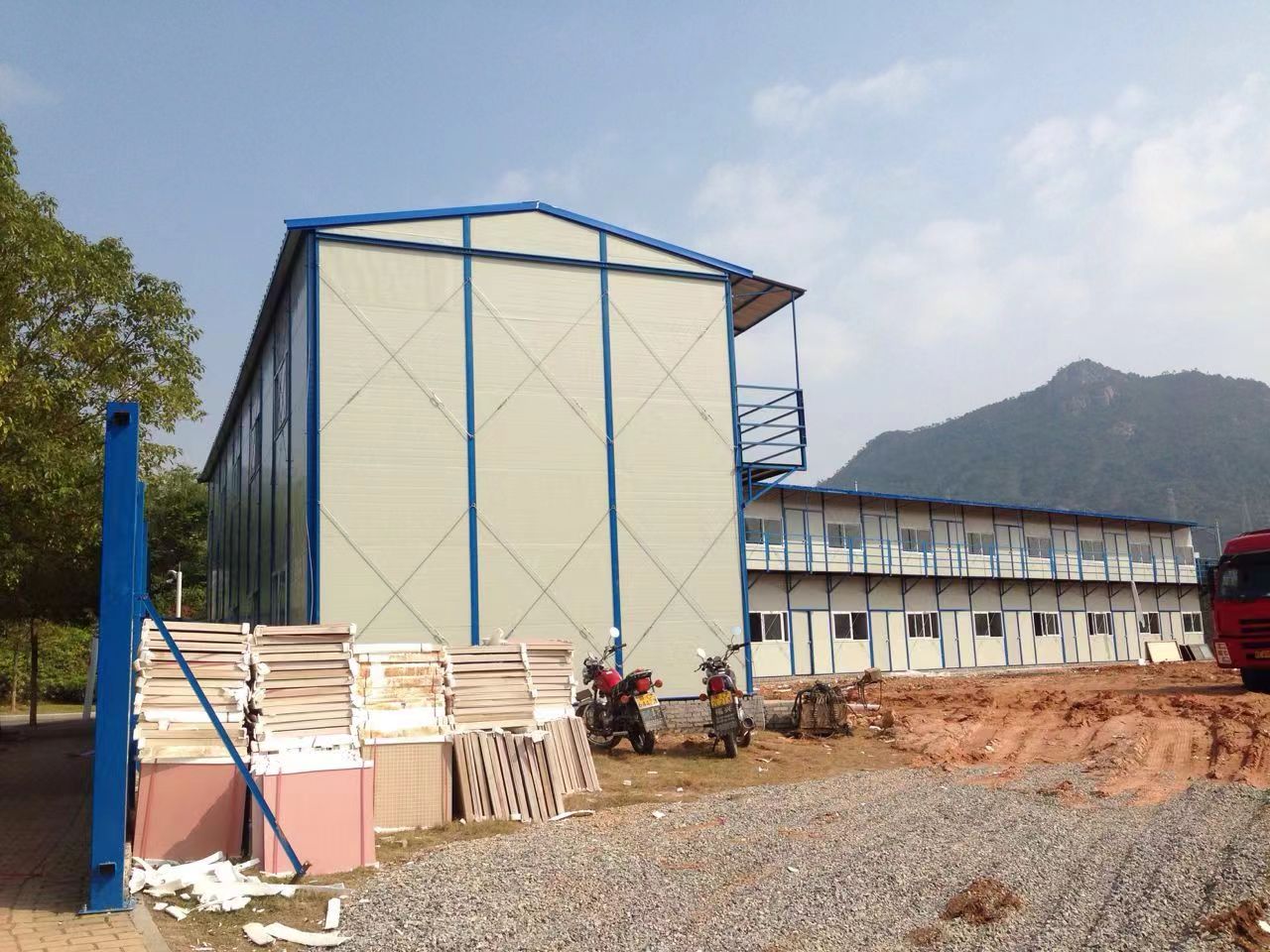
You may wonder how expandable container homes stack up against traditional houses when facing hurricane force winds. Container homes use steel frames and reinforced panels, which give you superior wind resistance. Most traditional homes rely on wood framing and shingles. These materials often fail under extreme wind pressure. Expandable container homes, especially those from Lanen International, meet hurricane proof standards and withstand wind speeds up to 175 mph. You get a level of durability that many conventional homes cannot match.
Let’s look at a quick comparison:
You see that container homes offer better hurricane resistance and resilience. Their construction focuses on hurricane proof housing, which gives you peace of mind during severe weather.
Note: Regular inspections and maintenance help both types of homes stay safe during hurricane season.
Building Codes And Insurance
You need to follow local building codes to ensure your home meets hurricane proof requirements. Expandable container homes often comply with strict codes for wind and flood resistance. Lanen International designs their expandable container house models to meet these standards. You should check with your local authorities before starting construction.
Insurance companies look for homes that meet hurricane proof standards. Container homes with certified hurricane resistance often qualify for lower premiums. Traditional homes may need upgrades to reach the same level of protection. You should keep records of all improvements and certifications. This step helps you get better coverage and faster claims after a hurricane or severe weather event.
Tip: Always consult with your insurance provider about coverage for container homes in hurricane-prone areas.
Risks, Limitations, And Upgrades For Expandable Container House
Expandable container homes offer strong hurricane proof features, but you should know their risks and limitations. Disaster response data shows that container homes face some unique challenges:
Flooding And Waterproofing
Flooding remains a major risk for container homes in hurricane-prone areas. You need to focus on flood resistance by raising your home above the base flood elevation. Lanen International recommends using waterproof coatings on all exterior surfaces. Sealing doors and windows helps prevent water from entering during heavy rain. You should also check for leaks after every storm. Regular inspections keep your home ready for severe weather.
Tip: Install sump pumps and drainage systems to move water away from your foundation.
Site Selection And Maintenance
Choosing the right site increases your hurricane resistance. Avoid low-lying areas that flood easily. Pick locations with natural wind barriers, such as hills or trees. Good site selection boosts both wind resistance and flood protection. You must also maintain your home. Inspect the roof, walls, and anchoring systems before hurricane season. Replace damaged parts quickly to keep your home hurricane proof.
Maintenance Checklist:
Inspect for rust or corrosion
Tighten bolts and fasteners
Clear debris from drainage systems
Retrofitting For Extra Protection
You can upgrade your expandable container house for better hurricane proof housing. Add storm shutters to windows and doors. Reinforce the roof with extra bracing. Install stronger anchoring systems for better durability. Lanen International offers retrofit kits designed for severe weather. These upgrades improve your home’s construction and help it withstand both wind and flood.
Note: Regular upgrades and inspections keep your container homes safe and ready for any hurricane.
Expandable container homes show strong hurricane resistance when you focus on quality design, construction, and maintenance. Key features include reinforced steel structures, bolted foundations, and fire-resistant materials. See the table below for important factors:
Choose a trusted brand like Lanen International, follow local codes, and consult professionals to keep your home safe in hurricane-prone areas.
FAQ
Can an expandable shipping container home handle strong winds in hurricane-prone areas?
You can trust an expandable shipping container home to handle strong winds if you follow engineering guidelines. Lanen International designs these homes for hurricane-prone areas, so you get reliable protection when storms hit.
How does a hurricane-resistant expandable shipping container house compare to traditional homes in the USA?
You get more wind and storm resistance with a hurricane-resistant expandable shipping container house than with many traditional homes in the USA. Steel frames and reinforced walls help reduce storm damage and increase safety.
Are disaster-resistant homes like these suitable for Florida?
You can use disaster-resistant homes in Florida. Lanen International builds them to meet local codes. These homes resist both wind and water, making them a smart choice for Florida’s severe weather.
What upgrades help prevent storm damage to my container home?
You can add storm shutters, reinforce doors, and upgrade anchoring systems. Regular inspections and maintenance help keep your home resistant to storm damage. Lanen International offers retrofit kits for extra protection.
Do expandable container homes need special maintenance after a storm?
You should inspect your home after every storm. Check for leaks, loose bolts, or damaged panels. Quick repairs help keep your home resistant to future storms and maintain its safety.