

You can connect utilities to your expandable container house with ease if you plan ahead. Most units arrive 95% complete after unfolding, with all wiring for lights and outlets pre-run inside the walls and plumbing stubbed out for a simple final connection. Many homeowners worry about safety, local codes, and costs when connecting utilities, but working with licensed professionals helps ensure proper installation. Always review your site layout and local requirements before starting. This approach makes connecting plumbing and electricity to your container house straightforward and reliable.
Key Takeaways
Plan your site layout carefully to ensure easy access to water and power lines. This reduces installation costs and time.
Always hire licensed professionals for plumbing and electrical work. They ensure compliance with local codes and safety standards.
Map out your plumbing and electrical layout before installation. This helps avoid complications and ensures efficient connections.
Inspect all connections and systems before moving in. Use a checklist to confirm everything meets local codes and works properly.
Consider alternative water sources like tanks or wells if municipal connections are unavailable. Always test water quality before use.
Site Preparation for Expandable Container House
Positioning and Access
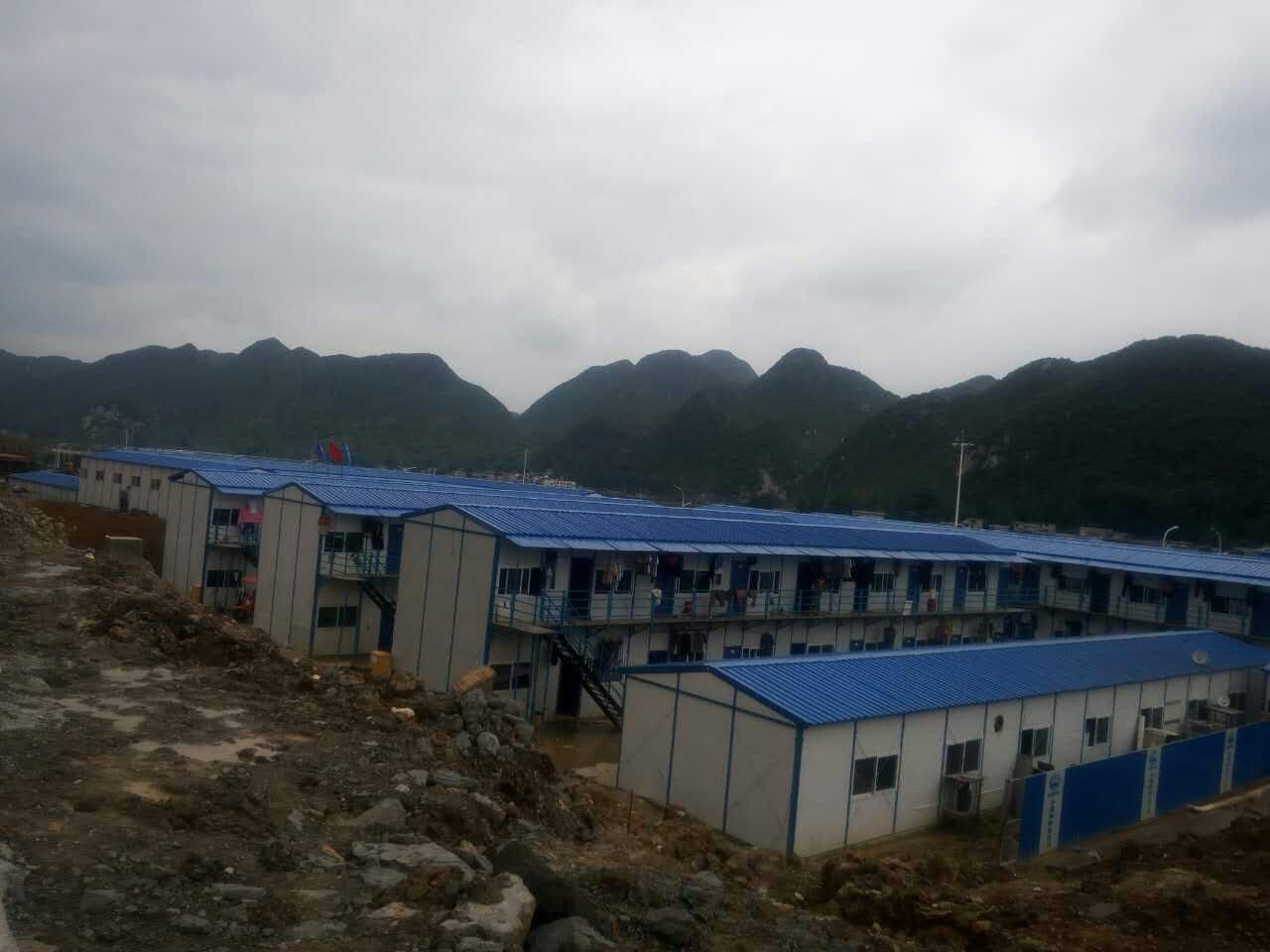
You set the stage for a smooth installation by choosing the right spot for your expandable container house. Proper positioning gives you stable ground and easy access to municipal water and power lines. When you place your container close to existing utility connections, you reduce the length and cost of plumbing and electrical runs. Leveling the ground is a key step. It helps prevent future settling and makes the installation process easier. You also need to consider the type of foundation. A solid base supports the house and protects your plumbing from shifting or damage.
Several site conditions can affect how easily you connect utilities:
Availability of mains connections
Drainage systems
Proper insulation and sealing to prevent moisture issues
Type of foundation
Ground conditions
You should check these factors before you begin. Good site access allows contractors to bring in equipment and materials without delays. This step saves you time and money during installation.
Planning Utility Layout
You can avoid complications by planning your plumbing and electrical layout before installation. Start by mapping out where you want your kitchen, bathroom, and laundry areas. This helps you decide the best routes for pipes and wires. You should keep plumbing lines as short and direct as possible. Shorter runs mean fewer chances for leaks and easier maintenance. Grouping wet areas together also reduces costs and simplifies the system.
Think about where you will connect to municipal water and power. If you use a well or tank, plan for easy access and future maintenance. Insulation and sealing around pipes and wires protect your container house from moisture and energy loss. Careful planning ensures your expandable container house meets your needs and local codes. With the right preparation, you set yourself up for a successful and efficient installation.
Connecting Plumbing and Electricity
Plumbing Options and Installation
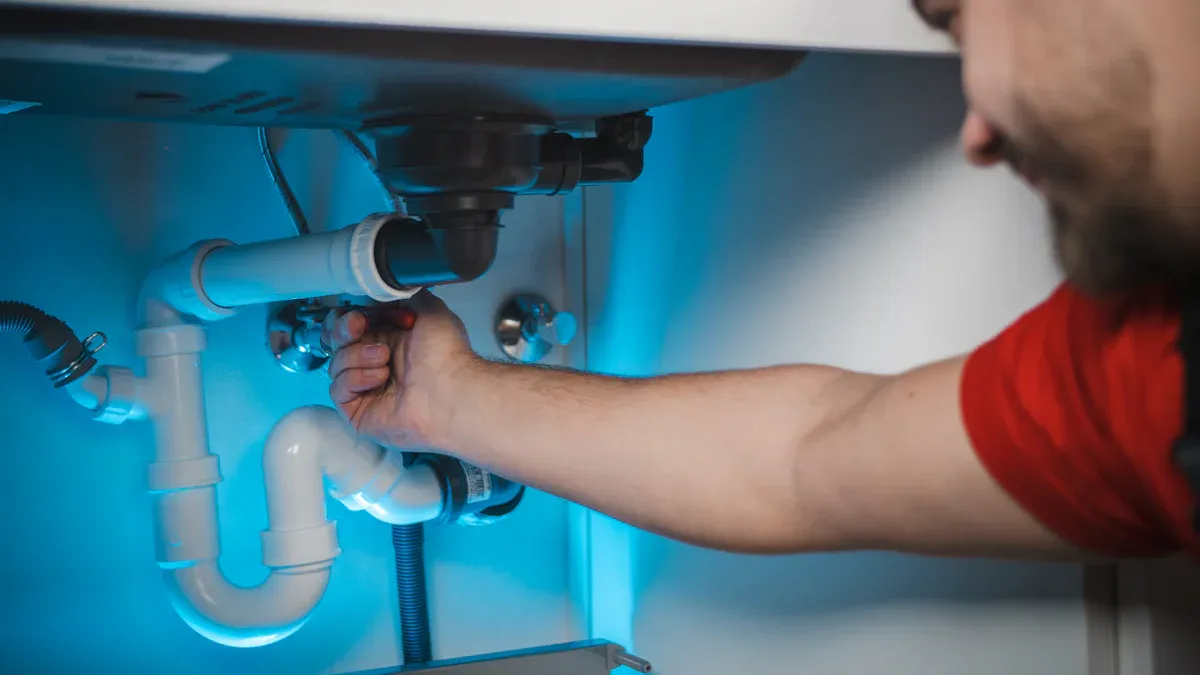
You need to make smart choices when setting up plumbing in your expandable container house. Most modern units, such as those from Lanen International, arrive with much of the plumbing already in place. This feature saves you time and reduces the risk of mistakes during installation. You still need to connect the plumbing system to your water supply and drainage.
You should always hire a licensed contractor for plumbing work. Local codes can be strict, and a professional ensures your installation meets all requirements. A good contractor will check every connection for leaks and test the system before you move in.
You have several water supply options for your house:
Municipal water: Connect directly to the city’s main line for a steady supply.
Water tanks: Use above-ground or underground tanks if you do not have access to municipal water.
Wells: Install a well for a private water source, but test the water quality before use.
You must plan for both fresh water in and waste water out. The plumbing system should include pipes for clean water and separate lines for waste. Proper drainage prevents backups and protects your container from water damage.
Tip: Insulate all pipes and seal every joint. This step prevents leaks and keeps your water at the right temperature. Good insulation also stops energy loss and protects against freezing in cold weather.
Electricity Connection Methods
You will find that most expandable container houses come with pre-installed wiring. Lanen International offers models with electrical systems already set up for easy connection. This feature makes hooking up electricity much simpler and safer.
You need to connect the house to an electricity supply. Most people use the local grid, but you can also install solar panels or generators for off-grid living. Always use a licensed electrician for these installation steps. A professional will make sure all electrical connections meet safety codes and work correctly.
Here are the main steps for connecting electricity:
Inspect the pre-installed wiring for damage.
Connect the main power line from the grid or your chosen source.
Test all outlets, switches, and fixtures.
Install circuit breakers and safety devices.
Note: Never attempt electrical work without proper training. Electricity can be dangerous. A licensed electrician will protect you and your investment.
You should also insulate and seal all electrical entry points. This step keeps moisture out and prevents energy loss. Good insulation improves efficiency and extends the life of your electrical system.
By following these guidelines, you make plumbing and electricity installation in your container house safe and efficient. Careful planning and professional help ensure your connections last for years.
Utility Connection Challenges and Solutions
Compliance and Permits
You must follow local rules when connecting utilities to your expandable container house. Every area has its own requirements for plumbing and electricity. Before you start, check which permits you need. Most projects require approval from building control, electrical certification, and a plumbing sign-off. If you plan a permanent installation, you may also need planning permission. Even temporary setups must meet regulations.
Here is a quick overview of typical permits:
You should always work with a qualified electrician and licensed plumber. These professionals know the local codes and help you avoid costly mistakes. Lanen International designs its container houses to make compliance easier, but you still need to complete the final steps.
Troubleshooting Common Issues
You may face some challenges during installation. Limited access to water or power can slow down your project. If you cannot connect to municipal lines, consider using tanks, wells, or generators. Always plan your installation steps to match your site’s conditions.
Leaks in plumbing or drainage lines can cause water damage. Check every joint and seal before you finish the installation. Insulate pipes to prevent freezing and waste. For electricity, test all connections before turning on the power. If you notice flickering lights or tripped breakers, call an electrician right away.
Poor ventilation can lead to moisture buildup inside your container house. Install vents in wet areas and check airflow often. Good ventilation protects your house and keeps the air fresh.
Tip: Keep a checklist for each stage of installation. This habit helps you catch problems early and ensures your plumbing and electricity work safely.
By following these steps, you can solve most utility challenges and enjoy a safe, efficient container home.
Safety, Efficiency, and Final Checks
DIY vs. Professional Help
You want your expandable container house to run smoothly and safely. You can handle some installation steps yourself, especially if you have basic skills. Simple tasks like checking ventilation or sealing joints help boost installation efficiency. You can also inspect visible plumbing and electricity connections for leaks or loose wires. However, you should call a qualified electrician for any electrical work beyond basic checks. Licensed professionals know how to connect utilities and test systems for safety. You should also hire a plumber for water supply and drainage connections. These experts follow local codes and prevent waste or damage. Lanen International recommends professional help for complex installations to ensure rapid installation and long-term reliability.
Tip: If you notice flickering lights, water leaks, or poor drainage, stop and contact an electrician or plumber. Quick action prevents bigger problems.
Inspection and Compliance
You need to inspect your container house before you move in. Careful checks help you avoid costly repairs and keep your house safe. Use a checklist to review plumbing and electricity systems. Make sure all connections meet local codes and standards. You should test every outlet and switch for proper power. Inspect pipes for leaks and confirm that drainage works well. Check that ventilation in wet areas is clear and working. Confirm that insulation protects pipes and electrical entry points. Ask your electrician to verify all electrical panels and safety devices. You should also get final approval from local authorities before using your utilities.
Final Inspection Checklist:
You protect your investment and enjoy peace of mind by following these steps. Careful inspection and professional help make your installation safe and efficient.
You can connect plumbing and electricity to your expandable container house with confidence. Start with careful planning and choose the right installation methods. Work with professionals and follow local codes for your house. Lanen International makes the process easier by providing pre-installed systems in your container. Enjoy the benefits of a well-connected container house that supports your lifestyle and comfort.
FAQ
Can you connect a Lanen International container house to city utilities?
Yes, you can connect your Lanen International container house to municipal water and electricity. Most models arrive with pre-installed systems that make the process fast and simple.
Do you need permits for utility connections?
You need permits for plumbing and electrical work. Local authorities require inspections before you use utilities. Always check your city’s rules before starting installation.
Is it safe to install utilities yourself?
You can handle basic tasks like sealing joints or checking outlets. For plumbing and electrical connections, you should hire licensed professionals. This keeps your house safe and meets code requirements.
What if your site does not have access to municipal water?
You can use water tanks or wells if you cannot connect to city water. Lanen International designs container houses to support alternative water sources. Test water quality before use.