


If you want an affordable housing option that stands out, an expandable container house might catch your eye. Many people pick this unique housing solution for its eco-friendly design, lower costs, and creative style. You can see the rising popularity of container homes everywhere, especially when you care about environmental impact and portability. Traditional prefab homes win in space, long-term value, and customization, but container homes offer something different.
People often choose container homes because:
They provide a unique housing solution.
They help with affordable housing.
They offer innovative designs and portability.
Key Takeaways
Expandable container houses offer a quick and affordable housing solution, allowing you to move in within days.
These homes are eco-friendly, using recycled materials and energy-efficient designs, making them a sustainable choice.
Traditional prefab homes provide more space and customization options, ideal for those seeking a permanent residence.
Consider your lifestyle needs, budget, and future plans when choosing between container houses and traditional homes.
Both housing options have unique benefits; weigh the pros and cons to find the best fit for your living situation.
Expandable Container House Overview
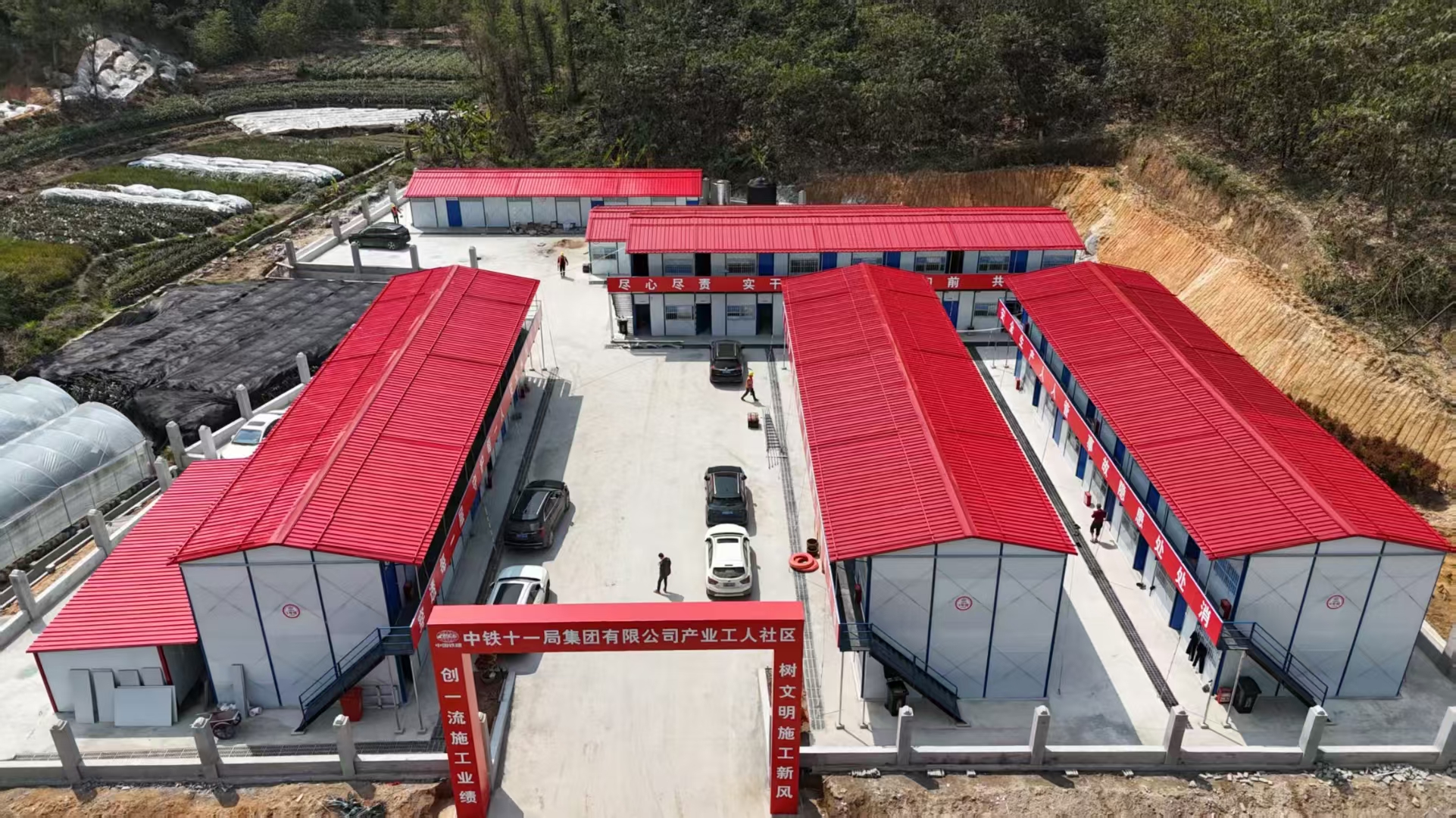
Key Features of Expandable Container Houses
When you look at container houses, you notice their standout features right away. These homes use a modular nature, which means you can expand or shrink your living space as needed. You get flexibility that traditional homes just can't match. Many people love the eco-friendly features, like recycled steel and energy-efficient insulation. If you want a home that supports sustainability, container houses make a great choice.
Lanen International leads the way in this field. They offer expandable container house solutions that focus on both comfort and durability. Their designs often include smart layouts, modern finishes, and easy-to-move structures. You can set up your home almost anywhere, which makes container house living very appealing.
How Expandable Shipping Container Houses Work
Expandable shipping container homes start as compact units. You transport them easily to your chosen site. Once there, you expand the walls and sections to create a larger living area. This process takes only a few hours, so you can move in quickly.
Here’s a look at the typical dimensions you might find:
You get a surprisingly spacious interior for such a portable home. The design lets you enjoy both mobility and comfort.
Common Uses for Container Houses
You can use container houses in many ways. People choose them for vacation cabins, backyard offices, guest suites, or even full-time homes. Some businesses use them as pop-up shops or mobile clinics. Their eco-friendly and sustainable housing appeal makes them popular for off-grid living, too.
Tip: If you want a home that adapts to your changing needs, container houses offer unmatched versatility.
Expandable shipping container houses fit well in remote areas, urban lots, or anywhere you need quick, flexible housing. With brands like Lanen International, you get reliable quality and innovative design every time.
Traditional Prefab Homes Explained
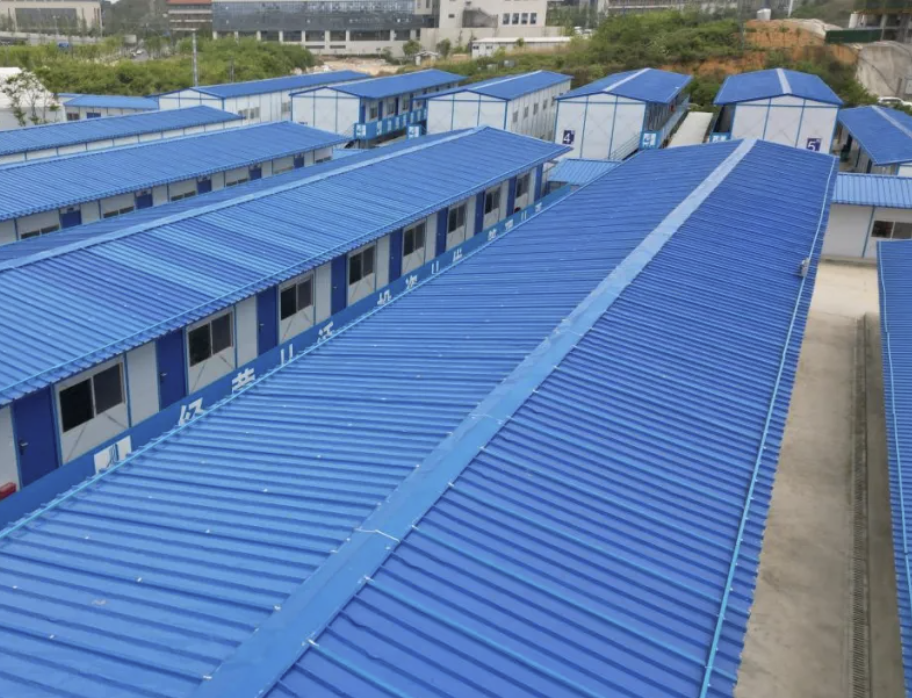
What Defines Traditional Homes
When you think about traditional homes, you probably picture a house built on-site, brick by brick. These traditional houses use standard materials and follow a process that takes place right where you plan to live. You get a sense of permanence and stability with this approach. Prefabricated houses, on the other hand, come together in a factory. The pieces arrive at your site ready to assemble, which saves time and often reduces costs.
Here’s a quick look at how traditional homes and prefabricated houses compare:
You can see that prefabricated houses offer some clear advantages, especially if you want energy efficiency and a streamlined process.
Types and Layouts of Prefab Homes
You have many choices when it comes to prefabricated houses. Some popular types include modular homes, panelized homes, and manufactured homes. Modular homes arrive in large sections and get assembled quickly. Panelized homes use flat panels for walls and roofs, which makes them easy to transport. Manufactured homes come as complete units and only need placement on a foundation.
Layouts for prefabricated houses range from cozy studios to spacious multi-bedroom traditional houses. You can pick open floor plans, split-level designs, or even two-story options. While traditional homes allow for more customization, prefabricated houses still give you plenty of flexibility.
Typical Applications
You might choose traditional houses if you want a custom design or plan to stay in one place for many years. Prefabricated houses work well for families, retirees, or anyone who wants a quick move-in. Many people use prefabricated homes as vacation properties, rental units, or even as their main residence.
If you want a balance between speed, cost, and comfort, prefabricated houses make a smart choice. Companies like Lanen International help you find the right fit, whether you prefer traditional homes or the efficiency of prefabricated living.
Construction and Setup Comparison
Shipping Container Homes: Build and Delivery
When you choose shipping container homes, you get a fast and simple setup. Most container houses arrive at your site almost ready to use. The main structure is already built in a factory, so you do not have to wait for months. You just need a flat surface or a basic foundation. After delivery, the team expands the unit and connects utilities. You can move in within a day or two.
Here’s what makes the process stand out:
The main structure of container houses is pre-built and modified off-site.
Site preparation is quick and easy. You do not need heavy equipment or deep foundations.
Delivery is straightforward. The crew places the unit, expands it, and hooks up water and power.
You can relocate shipping container homes if your needs change.
Tip: If you want a home that you can set up fast and move later, container houses are a smart pick. Lanen International offers expandable shipping container houses that make this process even smoother.
Traditional Homes: Assembly and Timeline
Traditional prefab homes take a different approach. The pieces arrive at your site, but the assembly takes longer. You need to prepare the land, pour a solid foundation, and sometimes build extra framing. This process can stretch over several weeks.
Let’s break down the steps:
You start with detailed site preparation, which often means digging and laying concrete.
The crew assembles the prefab sections, connects utilities, and finishes the interior.
The timeline is longer because each stage depends on the previous one.
Shipping container homes give you portability and speed. Traditional prefab homes offer stability and a familiar building process. You need to decide which setup fits your lifestyle best.
Cost and Value Factors
Expandable Container House Costs
If you want affordable housing, an expandable container house gives you a strong option. You pay less upfront compared to traditional houses. The modular design keeps costs low, and you avoid many construction delays. Lanen International offers container houses that focus on affordability and comfort. You get a home that arrives ready to use, so you save on labor and setup. Many people choose container houses for their budget-friendly price and quick installation. You also spend less on site preparation because container houses need only a flat surface.
Note: Container houses help you control costs and offer flexibility if you need to move or expand later.
Traditional Homes: Price and Resale Value
Traditional homes and prefabricated houses usually cost more at the start. You pay for detailed site work, foundations, and custom features. Prefabricated houses give you more space and comfort, but the price reflects that. Over time, traditional houses hold their value better. If you care about resale potential, traditional homes and prefabricated houses win. Buyers prefer traditional houses for their established construction methods and materials. You see higher resale prices and greater long-term value.
Here’s a quick comparison:
Maintenance and Long-Term Expenses
You need to think about maintenance and long-term value before you decide. Container houses use recycled steel, so you get durability and low upkeep. Prefabricated houses and traditional homes need more regular care, like painting and roof repairs. Over ten years, traditional houses cost more to maintain, but they offer greater comfort and resale potential. Prefabricated houses balance comfort and affordable housing, but you still pay for upkeep. Lanen International helps you find options that fit your budget and comfort needs. If you want low costs and easy care, container houses make sense. If you want long-term value and higher resale, traditional homes and prefabricated houses are the better choice.
Customization and Space Flexibility
Design Options for Container Houses
You might think container houses look the same, but you actually have more choices than you expect. Expandable container homes let you pick from different layouts and finishes. You can choose a simple studio or a two-bedroom setup. Some models even let you add a small kitchen or bathroom. If you want a modern look, you can select sleek metal panels or wood accents. You can also decide on window placement and door styles.
Lanen International gives you a range of design packages. You can pick the one that fits your taste and budget. Want to add solar panels or a deck? Many brands, including Lanen International, offer these upgrades. You can even paint the exterior to match your style.
Tip: If you want a home that stands out, try mixing materials or adding custom lighting. Small changes make a big difference in container homes.
Here’s a quick look at what you can customize:
Floor plan (studio, one-bedroom, two-bedroom)
Wall and floor finishes
Window and door placement
Exterior color and materials
Add-ons like decks or solar panels
Flexibility in Traditional Prefab Homes
Traditional prefab homes give you even more freedom. You can change almost every part of the design. Want a bigger kitchen or an extra bathroom? You can add those. You can also choose from many roof styles, siding options, and floor plans. Some companies let you design your own layout from scratch.
Prefab homes often come with options for garages, porches, or even a second story. You can pick open spaces or private rooms. If you want a home that grows with your family, prefab homes make it easy.
If you want the most flexibility, traditional prefab homes give you more ways to create your dream space.
Durability and Longevity
Structural Strength of Shipping Container Homes
When you look at shipping container homes, you see strength right away. These homes use steel, which means they can handle tough weather and heavy loads. You do not have to worry much about pests or rot. The steel walls keep out termites and other bugs. If you live in an area with strong winds or heavy snow, a container home stands up well.
Lanen International designs their expandable container houses with extra care. They use high-quality steel and strong joints. You get a home that feels solid and safe. Many people like that they can stack or move these homes without damage. If you want a house that lasts, a container home gives you peace of mind.
Note: You should check for rust or corrosion, especially if you live near the ocean. A little maintenance goes a long way.
Here’s a quick look at what makes container homes strong:
Thick steel walls and roof
Reinforced corners and frames
Weather-resistant coatings
Lifespan of Traditional Homes
Traditional prefab homes offer a different kind of durability. You get wood, concrete, or steel frames, depending on the design. These homes can last for decades, sometimes even longer than container homes. If you take care of your prefab house, it can serve your family for generations.
You might need to do more regular upkeep, like painting or fixing the roof. Still, many people find that traditional homes feel more permanent. You can also upgrade or remodel them as your needs change.
If you want a home that combines durability and energy efficiency, both options have strengths. Lanen International offers solutions that help you get the most out of your investment, no matter which type you choose.
Energy Efficiency and Sustainability
Eco-Friendly Aspects of Expandable Container Houses
If you care about sustainability, expandable container houses really shine. These homes use recycled steel, which means you help reduce waste and support sustainable housing. You get a home that is both eco-friendly and practical. The modular construction of container houses lowers the carbon footprint, so you make a positive long-term impact on the environment.
Here are some reasons why container homes stand out for eco-friendly and sustainable housing:
They use recycled materials, which cuts down on resource consumption.
Modular construction means less waste during the building process.
You get a lower carbon footprint compared to traditional homes.
These homes often include energy-efficient insulation and systems.
Tip: Choosing an expandable container house from a company like Lanen International lets you support sustainability while enjoying a modern, flexible home.
You also find that container homes fit well with off-grid living. Many owners add solar panels or rainwater collection systems, making their homes even more eco-friendly. If you want a sustainable housing solution that adapts to your needs, container houses offer a smart path.
Energy Performance in Prefab Homes
Prefab homes, including container houses, lead the way in energy efficiency. You get well-insulated walls and roofs, which help keep your home comfortable year-round. Most prefab homes use high-quality materials and compact designs that boost energy efficiency.
Check out this quick comparison:
Prefab homes often come with efficient heating and cooling systems already installed. You save money on energy bills and enjoy a comfortable living space. Sustainable housing is not just a trend—it is a smart choice for your wallet and the planet. When you pick a prefab home, you help lower the environmental impact of your living space and support sustainability for the future.
Pros and Cons of Expandable Container Houses
Advantages of Expandable Container Houses
You might notice the growing popularity of container houses in many communities. People love how shipping container homes offer a fast and flexible way to get a new place to live. You can set up your home almost anywhere, which makes container house living perfect for remote areas or temporary needs.
Here are some top advantages you get with shipping container homes:
Quick Setup: You can move in within days. The process is much faster than building a traditional house.
Portability: You can relocate your home if your job or lifestyle changes. This flexibility stands out.
Eco-Friendly: Shipping container homes use recycled steel. You help the planet by choosing sustainable materials.
Cost Savings: You spend less on construction and site prep. Many people find container houses fit their budget.
Expandable Design: With expandable shipping container houses, you can add space as your needs grow.
Tip: Lanen International offers container houses that combine comfort, style, and easy setup. You get a modern home without the long wait.
Limitations of Container Houses
Container house living does have some drawbacks. You should think about these before making a decision.
Limited Space: Shipping container homes usually have less room than traditional houses. You may need to adjust your lifestyle.
Resale Value: Container houses appeal to a niche market. The popularity is rising, but resale can be tricky.
Customization: You get fewer design options compared to regular prefab homes.
Insulation Needs: Steel walls can get hot or cold. You must invest in good insulation for comfort.
Local Rules: Some places have strict building codes. You might face challenges getting permits for container houses.
Note: If you want a home that grows with you, container houses work best for flexible, adventurous lifestyles.
You can see why shipping container homes attract so much attention. They offer a unique path to homeownership, but you should weigh the pros and cons before you jump in.
Pros and Cons of Traditional Prefab Homes
Benefits of Traditional Homes
You might wonder why so many people choose traditional homes built with prefabricated methods. The answer often comes down to speed, quality, and savings. When you pick prefabricated houses, you get a home much faster than with traditional houses. The building process happens indoors, so weather delays rarely slow things down. You save time and move in sooner.
Take a look at this table showing the top benefits:
You also get fewer failure costs and less transport. Automated assembly control means better quality and safer working conditions. Prefabricated houses often come with guarantees on components, so you feel confident about your investment. Lanen International offers prefabricated houses that meet high standards and give you peace of mind.
Drawbacks of Prefab Homes
You should know about the drawbacks before you decide. Prefabricated houses sometimes offer less flexibility in design compared to traditional houses. You might find that some layouts feel limited. If you want a truly custom home, traditional homes built on-site give you more options.
Transporting large sections of prefabricated houses can be tricky. Some sites need extra preparation, which adds to the cost. You may also face local building codes that slow down the process. Traditional houses often blend better with older neighborhoods, while prefabricated homes stand out.
Limited design choices
Possible extra site prep
Challenges with local regulations
Less resale value in some markets
You need to weigh these factors carefully. If you want speed and quality, prefabricated houses make sense. If you want more control over every detail, traditional homes might suit you better.
Choosing the Right Home for You
Matching Home Type to Your Needs
You want a housing solution that fits your lifestyle, budget, and future plans. Both expandable container houses and traditional homes offer unique benefits, but the right choice depends on what matters most to you. If you value affordability and sustainability, container houses stand out as a smart housing solution. They use recycled materials and have a lower carbon footprint, making them a great pick for eco-conscious buyers. You can set up a container house quickly and move it if your needs change. This flexibility appeals to people who want a portable or temporary housing solution.
Traditional homes, especially prefabricated houses, shine when you want more space, long-term value, and design freedom. You get a timeless look and extensive customization options. Prefabricated houses use established building methods, so you know what to expect in terms of quality and comfort. If you plan to stay in one place for many years, traditional houses give you a sense of permanence and stability.
Let’s break down the most important factors to help you compare:
You might find that container houses work best for a flexible, budget-friendly lifestyle. Prefabricated houses fit those who want a classic home with room to grow. Lanen International offers both types, so you can explore options that match your vision.
Tip: Think about how long you plan to stay, how much space you need, and how important sustainability is to you. Your answers will point you toward the best housing solution.
Key Questions Before Deciding
Choosing between an expandable container house and a traditional prefab home is a big step. You want to feel confident in your decision. Start by asking yourself a few key questions:
What is my budget for a new home?
Do I need a portable or permanent housing solution?
How much space do I need now and in the future?
How important is energy efficiency and sustainability to me?
Do I want a modern or classic look for my home?
Am I comfortable with a niche housing solution, or do I prefer something more traditional?
How much customization do I want in my living space?
What are the local building codes and regulations in my area?
You might notice that container houses are often more affordable and sustainable. Traditional homes, especially prefabricated, provide greater long-term value and more ways to personalize your space. Prefabricated houses also offer a predictable cost structure, which helps with planning. Before you decide, take time to research both options. Visit model homes, talk to builders like Lanen International, and compare features side by side.
Note: The best housing solution is the one that fits your needs today and supports your goals for tomorrow. Take your time, ask questions, and choose the home that feels right for you.
If you want a quick summary, here’s what to keep in mind:
Container houses offer a more affordable housing solution.
Traditional homes and prefabricated houses give you more space and customization.
Both options have strengths, so match your choice to your lifestyle, budget, and long-term plans.
You hold the key to your next home. Whether you pick a modern container house or a classic prefabricated home, you can create a space that feels just right.
You see clear differences when you compare expandable container houses and traditional prefab homes. Take a look at this table for a quick summary:
If you want speed, flexibility, and a green solution, container houses from Lanen International might fit your needs. If you prefer more space and long-term value, traditional prefab homes make sense. Think about your budget, space needs, and future plans before you decide.
FAQ
Can you customize an expandable container house?
Yes, you can choose layouts, finishes, and add-ons like solar panels. Lanen International offers several design packages. You get options for windows, doors, and exterior colors. You can make your container house fit your style.
How long does it take to set up a container house?
You can set up most expandable container houses in just a few hours. Lanen International delivers units ready to expand and connect. You move in quickly, which saves you time and hassle.
Are prefab homes more expensive than container houses?
Prefab homes usually cost more upfront. You pay for extra space and custom features. Container houses from Lanen International offer a budget-friendly option. You spend less on site prep and installation.
Do container houses work in cold or hot climates?
Yes, container houses can handle different climates. You need good insulation for comfort. Lanen International uses energy-efficient materials to keep your home cozy in winter and cool in summer.