

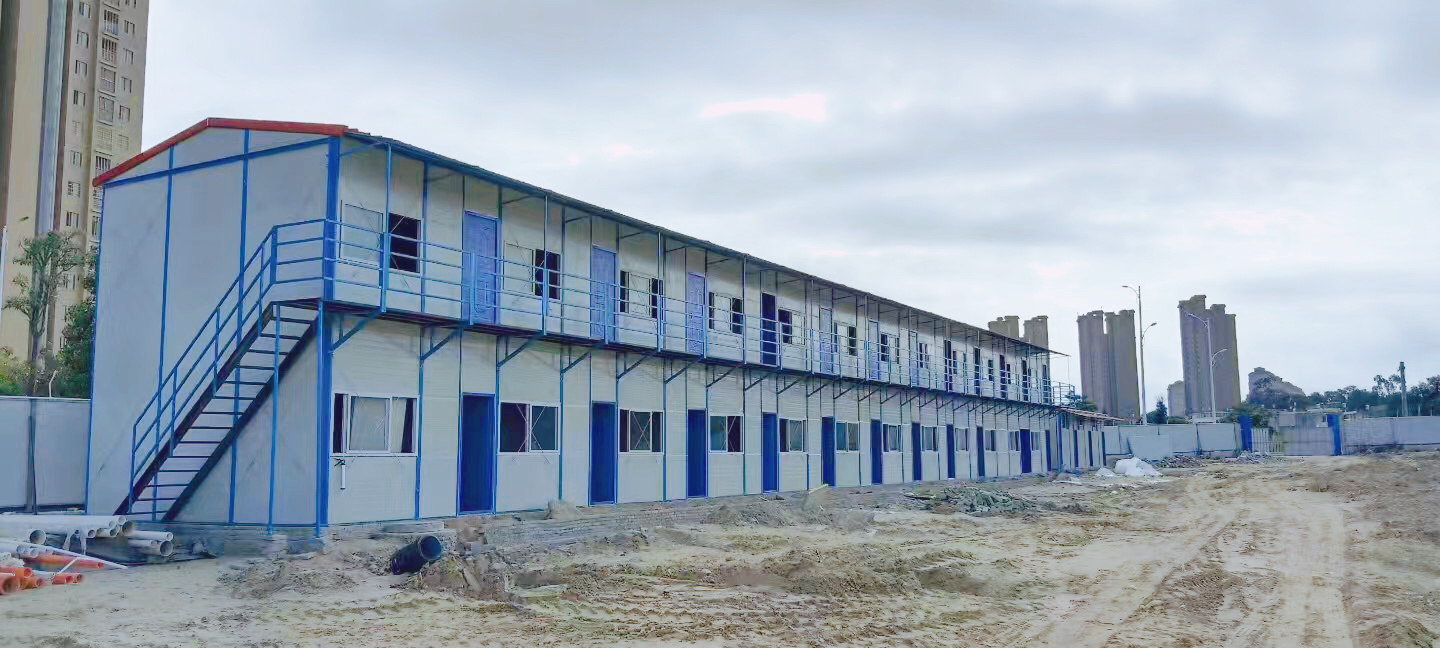
Yes, the Lanen customized special container house overcomes modern housing obstacles. You see a customized special container house as a modern solution that transforms shipping containers into comfortable living spaces. Today, you face housing crises marked by affordability challenges, planning barriers, and poor-quality options. Rising costs and limited supply make traditional homes less accessible. The customized special container house from Lanen stands out with rapid deployment, modular flexibility, and a strong focus on sustainability. As the market for container homes grows faster than other alternatives, you gain a practical path to secure, high-quality housing through the customized special container house.
Key Takeaways
Customized special container houses offer a cost-effective solution to housing crises, with prices significantly lower than traditional homes.
These homes can be rapidly deployed, often ready in just weeks, making them ideal for urgent housing needs.
Sustainability is a core benefit, as container homes recycle materials and reduce waste, helping to lower your carbon footprint.
Modular design allows for flexibility, enabling you to expand or reconfigure your living space as your needs change.
Understanding local regulations is crucial; Lanen International's approach ensures compliance with building codes, making the process smoother.
What Are Shipping Container Homes
Definition and Features
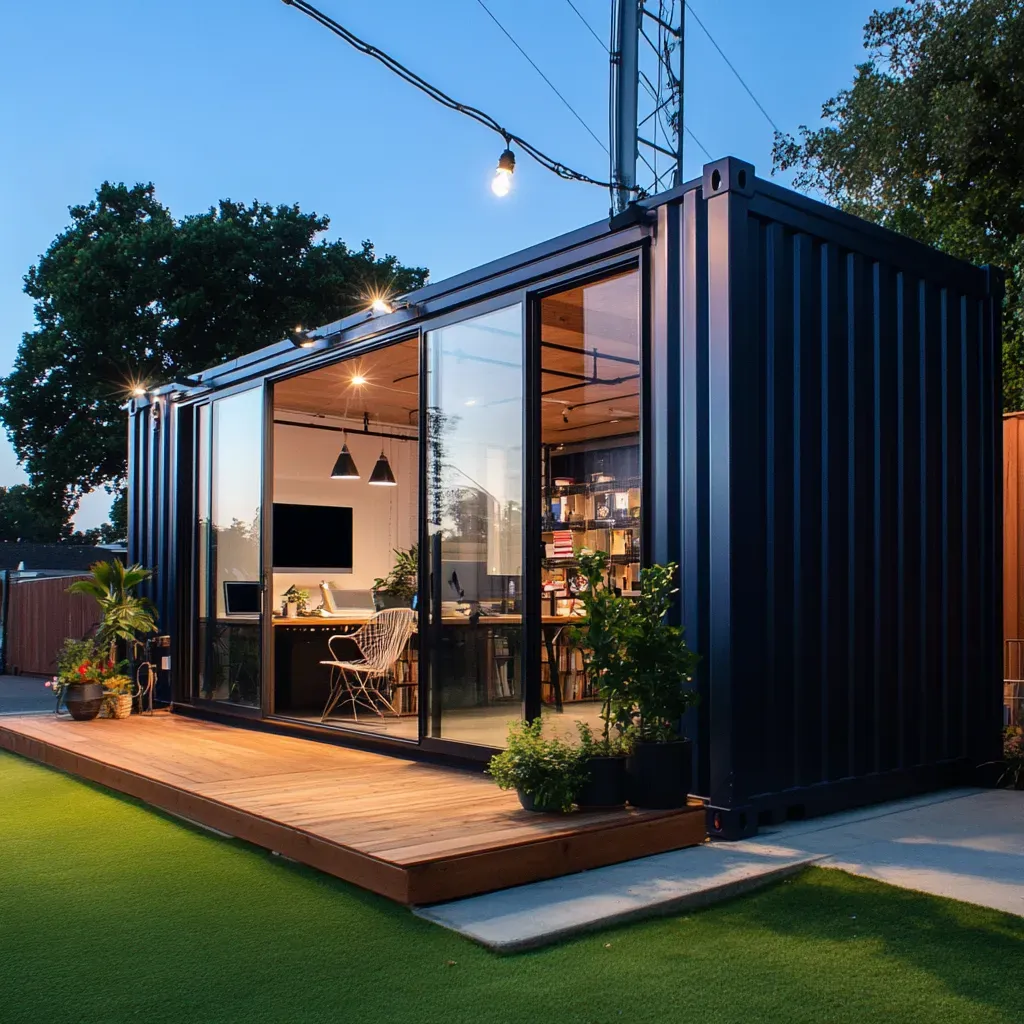
You may have noticed the growing popularity of shipping container homes in recent years. These homes use retired shipping containers as the main building blocks. You can find shipping container homes in cities, rural areas, and even remote locations. The compact nature of shipping container homes allows you to enjoy rapid construction. Many people choose shipping container homes because they offer a quick solution when you need a place to live. You also benefit from lower costs compared to traditional houses. Shipping container homes help you reduce waste and save raw materials. By choosing shipping container homes, you support sustainable building practices and lower your carbon footprint.
Shipping container homes stand out for their flexibility. You can customise your space by combining containers in different ways. Some shipping container homes feature single units, while others use multiple containers to create larger, multi-storey layouts. You can add smart building technologies, passive energy-saving features, and even bionic structures. Shipping container homes also allow for building renovation and revitalisation. The use of recyclable materials in shipping container homes aligns with green building principles.
Here is a table that summarises the main characteristics of customised special container houses:
Modular Design Explained
You will find that modular design is at the heart of shipping container homes. This approach means you can build your home using separate modules, which are constructed offsite. Up to 90% of the work happens in a controlled factory environment. This process gives you better quality control and reduces defects. When you choose shipping container homes, you benefit from a modular system that cuts down on waste by up to 90%. You also save time, as assembly on your site can take just days.
Shipping container homes use modular construction to offer you flexibility and efficiency. You can expand your home by adding more modules or rearrange spaces as your needs change. Modular design also means you can build in places with limited infrastructure. You get a home that adapts to your lifestyle and location. Shipping container homes make it easy for you to create unique layouts and multi-level structures. The modular approach supports rapid production and precise quality control, so you receive a reliable and safe living space.
Tip: Shipping container homes can be ready in as little as three weeks, much faster than traditional houses.
Modern Housing Challenges
Affordability Issues
You face a major challenge with housing: affordability. Traditional homes in cities often come with high price tags, making it difficult for many people to own or rent. The following table shows the cost difference between traditional housing and container homes:
Container homes offer a practical solution to the affordability crisis. You benefit from lower costs and faster construction. In high-demand urban areas, container homes provide a way to meet urgent housing needs. Architects now design multi-storey container buildings that are both affordable and quick to build. This trend helps you access eco-friendly and modular housing options that can scale up quickly for growing communities.
Space and Density
Urban areas often struggle with limited space and high population density. You see container homes as a flexible answer to these challenges. Here are some ways container homes help you make the most of available space:
You can stack and arrange containers in many configurations, using land efficiently.
Two containers can create a one-bedroom apartment, showing how you can build compact homes.
Stacking containers keeps the footprint narrow, which matches city standards in places like London.
This approach allows you to address housing shortages without sacrificing comfort or quality.
Sustainability Concerns
Sustainability is now a key concern in housing. You want homes that reduce waste and lower environmental impact. Container homes help you achieve this goal in several ways:
You also improve energy efficiency by using natural insulation materials like wool or straw. Repurposing containers reduces the carbon footprint of new housing projects.
Regulatory Barriers
You may encounter regulatory barriers when building new housing. Common challenges include:
Planning permission, which depends on the use, size, and location of your container home.
Building regulations, which ensure safety and performance for habitable spaces.
Special rules in Conservation Areas, Areas of Outstanding Natural Beauty, or National Parks.
You must also follow national, state, and local codes. These rules cover safety, energy efficiency, and land use. By understanding these barriers, you can plan your housing project more effectively.
Solving Obstacles with Customized Special Container House
Cost-Effective Solutions
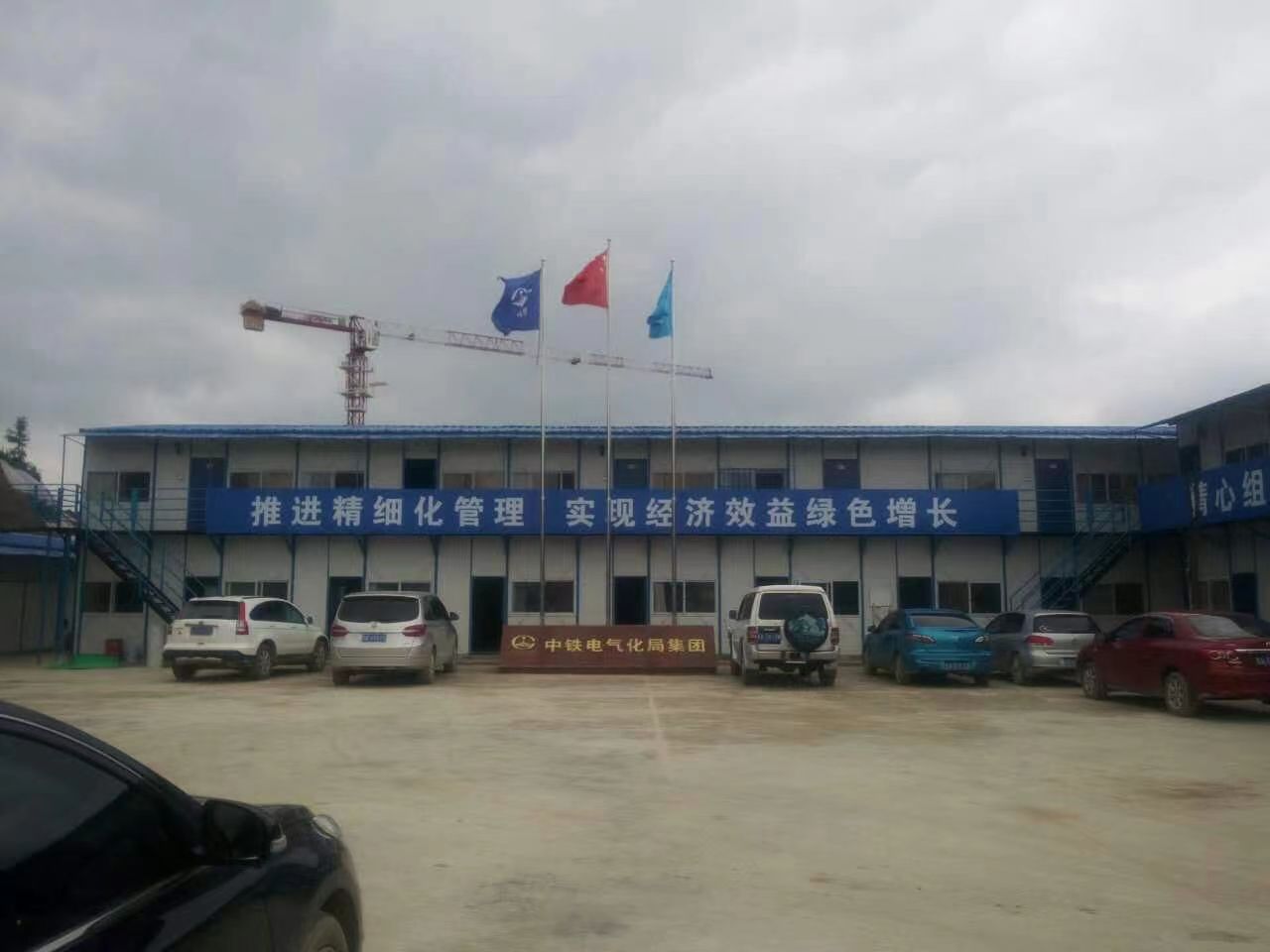
You want a home that does not break the bank. Lanen International’s customized special container house gives you a cost-effective alternative to traditional construction. The use of prefabricated modules means you save on both time and costs. Factory prefabrication allows you to cut construction timelines by 30–50%. You see site preparation and module fabrication happening at the same time, which speeds up the process. You also avoid many weather delays, so your project stays on schedule.
Here is a table that shows how Lanen International’s approach benefits you:
You pay less for on-site labour because most of the work happens in a controlled factory. This method also improves site safety. You get a secure and durable home without the high costs of traditional construction. Lanen International’s container homes offer you a practical solution for affordable living, especially in urban areas where land and labour costs are high.
You can see real-world examples of rapid deployment. In rural South Africa, container villages provide affordable homes for underserved communities. After the 2011 earthquake, Christchurch used container homes for temporary housing, helping thousands of people. Following Typhoon Haiyan, Hope Village transformed containers into resilient homes for families. These examples show how you can rely on container homes for both emergency and long-term solutions.
Flexible Modular Adaptability
You need a home that adapts to your changing needs. Lanen International’s modular construction gives you unmatched flexibility. You can choose from single-box micro homes, multi-level clusters, or even pop-up retail spaces. The modular design lets you expand, reduce, or reconfigure your space as your life changes.
You benefit from modular construction in several ways:
You can tailor modular buildings to your specific requirements, whether you want a micro home or a retail space.
The modularity of shipping containers allows you to cut, weld, and fit various features, supporting both aesthetic and functional needs.
You can relocate your home easily, which gives you true mobility and ease of mobility.
Modular construction supports quick expansion or downsizing, so your home grows with you.
Lanen International’s container homes stand out as a customizable and versatile alternative. You see these homes used in urban environments, rural communities, and even as creative spaces. For example, in Watchet, three shipping containers became Contains Art, an arts hub with studios and exhibitions. Bristol’s Smallest Art Gallery used a single container to host exhibitions, showing the potential for artistic expression. Shipment Studios in Winterbourne converted a container into a music production suite, proving the adaptability of modular interiors.
You also find that modular construction allows for rapid deployment. Compared to standard homes, shipping container homes can be ready in weeks or a couple of months, while traditional construction takes much longer. You get high modular flexibility, which means you can expand or customise your home with ease.
Sustainable Living
You want to make eco-conscious choices. Lanen International’s container homes offer you an eco-conscious option that reduces your carbon footprint. By repurposing shipping containers, you help lower waste and cut the need for new raw materials. This approach makes container homes a sustainable alternative to traditional construction.
Here is a table that highlights the sustainability benefits:
You can add solar panels and rainwater harvesting systems to your home, which boosts energy efficiency and reduces your reliance on external resources. The conversion of shipping containers into homes not only repurposes materials that would otherwise contribute to waste but also significantly reduces the need for new raw materials, thereby lowering CO₂ emissions associated with traditional construction.
You see container homes used for off-grid living in rural South Africa, where sustainable materials and systems support communities. Lanen International’s focus on sustainability means you get a home that is both durable and environmentally friendly.
Navigating Regulations
You may worry about building regulations and planning permission. Lanen International’s modular construction helps you navigate these challenges. Factory prefabrication ensures that each module meets strict quality and safety standards before it arrives on your site. You get a home that complies with national and local codes.
You find that modular homes can be installed quickly, which helps you meet temporary or emergency housing needs. The modular approach also allows you to build in areas with limited infrastructure, making it easier to secure permission in challenging locations.
Lanen International’s container homes offer you a secure and durable alternative that meets regulatory requirements. You can use these homes in conservation areas, urban centres, or remote sites. The flexibility of modular construction means you can adapt your project to fit local rules and community needs.
Tip: When you choose a Lanen International container house, you get a home that combines rapid deployment, modular adaptability, sustainability, and aesthetic appeal. You gain a practical and modern solution to today’s housing obstacles.
You see how the Lanen International customised special container house tackles modern housing challenges. You gain affordable options, rapid deployment, and sustainable living. Studies show container homes cost less and adapt to many needs. You benefit from secure, durable, and versatile spaces. Experts recommend planning logistics, ensuring compliance, and working with skilled professionals. You can explore container housing as a practical solution. Consider consulting with Lanen International for guidance on your next steps.
FAQ
What makes Lanen International container houses different from traditional homes?
You get rapid installation, modular flexibility, and eco-friendly materials. Lanen International container houses use high-strength steel and factory prefabrication. You enjoy modern design and reliable quality.
Can you customise the layout of your Lanen International container house?
Yes, you can. You choose from single units, multi-level clusters, or creative spaces. You select finishes, colours, and features to match your needs.
How long does it take to install a Lanen International container house?
You can have your container house ready in as little as one day. Factory prefabrication speeds up the process. You save time compared to traditional building methods.
Are Lanen International container houses suitable for all climates?
You benefit from advanced insulation and weatherproofing. Your container house stays comfortable in hot or cold climates. You can add extra features for extreme conditions.
Do Lanen International container houses meet building regulations?
You receive a home that meets strict safety and quality standards. Lanen International ensures compliance with national and local codes. You can use your container house in many locations.