

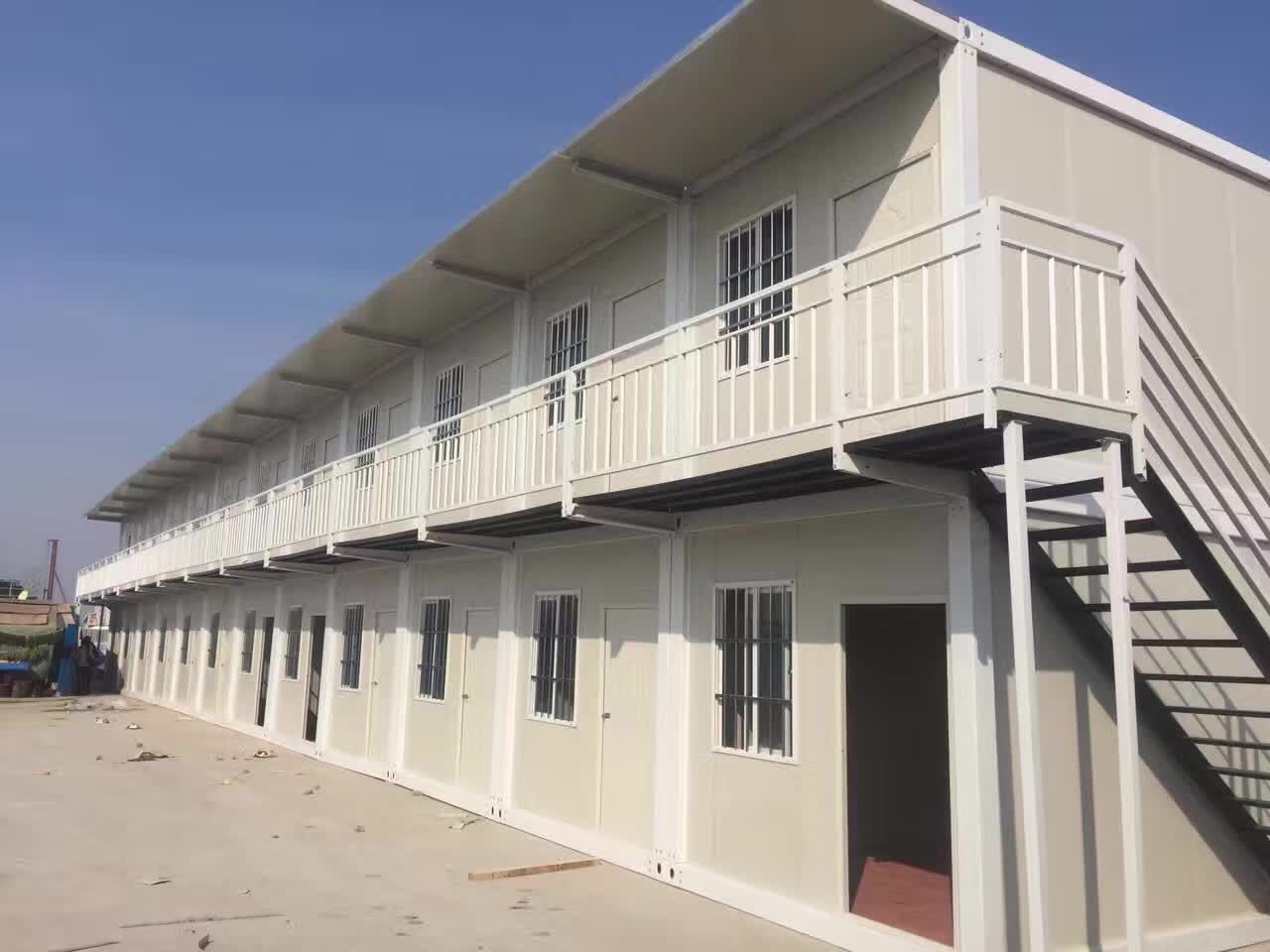
Container housing delivers immediate, scalable solutions when disasters strike in 2025. Communities need reliable shelter fast after storms or earthquakes. Container housing offers solutions that combine speed, affordability, and adaptability. The shipping container structure provides a strong foundation for container homes and other forms of temporary shelter. Recent innovation in container housing allows for quick deployment and sustainable solutions. Lanen International leads with container solution technology, showing how container housing transforms emergency housing needs.
Key Takeaways
Container housing provides rapid deployment, allowing communities to set up shelters within hours after disasters.
The modular design of container homes offers flexibility, enabling them to adapt to various needs like family shelters, clinics, or classrooms.
Using durable materials, container homes ensure safety and comfort, making them a long-term solution for emergency housing.
Affordable funding models, including partnerships and leasing options, help organizations quickly scale housing solutions in crisis situations.
Eco-friendly features, such as solar panels and rainwater collection, support sustainable living in remote areas.
Fast Deployment of Container Housing
Quick Setup and Delivery
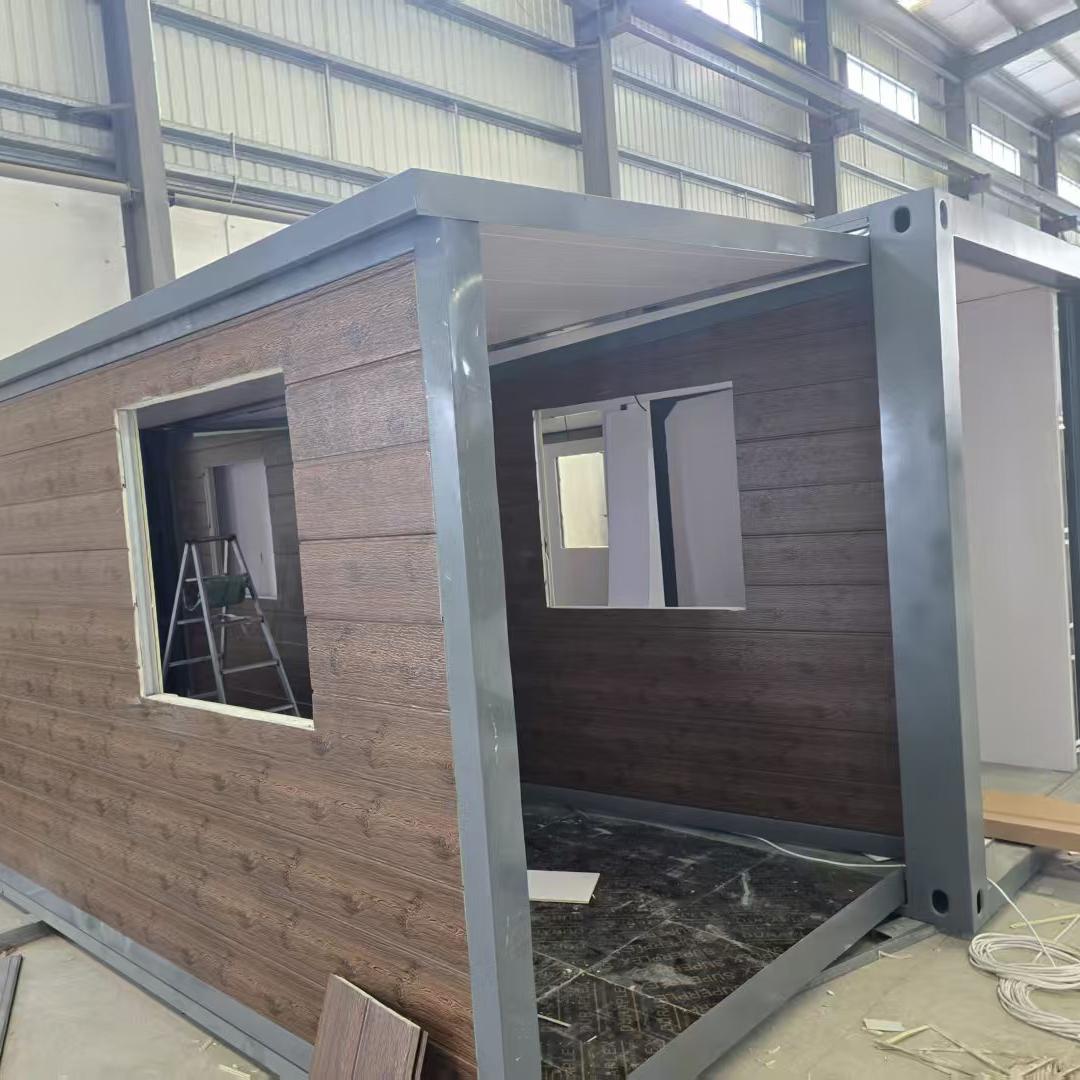
Lanen International stands at the forefront of emergency shelter innovation in 2025. Their factory-built container housing solutions enable communities to respond quickly after disasters. Prefabricated containers arrive ready for immediate use, allowing teams to establish command centers, medical stations, or family shelters within hours. This approach eliminates the long wait times associated with traditional construction.
Tip: Prefabricated container units can transform a disaster site into a functioning community in less than a day.
The expandable design of these containers means that setup requires only basic ground preparation. Teams can deploy shelters rapidly, even in challenging environments. The short installation period reduces labor costs and allows projects to become operational sooner, which is crucial during emergencies.
Minimal On-Site Work
Container housing from Lanen International requires minimal on-site work. Most of the construction and outfitting happens off-site in controlled factory settings. This process ensures quality and consistency while reducing the need for skilled labor at the disaster location.
Custom container units are built off-site and equipped with essential systems.
After completion, teams transport the units to the site and place them with minimal effort.
This method reduces disruption and allows for faster occupancy.
Prefab dormitories and shelters can be designed, fabricated, and installed in as little as 6 to 12 weeks. Off-site manufacturing allows teams to prepare the foundation while the containers are being built, which shortens the overall project timeline. This approach is especially important for projects with tight schedules and urgent needs.
Mobility and Multi-Site Response
Mobility defines the next generation of emergency shelter. Lanen International’s folding and stackable container designs make transport and redeployment efficient. These containers reduce storage requirements to one-fifth of their full size, which means more units can be shipped at once. Teams can deploy each unit in less than 10 minutes, using minimal labor.
Folding container technology from Lanen International also reduces transportation costs by up to 50%. The durable steel construction withstands extreme weather and seismic activity, ensuring reliability in diverse conditions. Teams can move and reconfigure shelters as needs change, supporting multi-site responses during ongoing crises.
Note: The mobility and modularity of container housing make it a superior choice for emergency shelter, especially when compared to traditional tents or temporary structures.
Cost & Funding for Emergency Shelter
Affordable Shelter Solutions
Container homes offer a cost-effective alternative for emergency shelter in 2025. Lanen International provides solutions that maximize affordability for communities facing urgent needs. The Mini 700 units demonstrate impressive cost efficiency, with overall expenses reported to be 30–45% lower than similar expandable units when freight costs are included. This reduction in cost allows organizations to allocate resources to other critical areas, such as medical care or food distribution. Container homes deliver affordability through factory-built designs and streamlined logistics, making them accessible for large-scale deployments.
Lower upfront costs compared to traditional emergency shelters
Reduced transportation expenses due to folding and stackable designs
Minimal on-site labor requirements
🏠 Container homes help agencies stretch budgets further, supporting more families during crisis events.
Funding Models and Partnerships
Lanen International collaborates with governments, NGOs, and private donors to create flexible funding models for container homes. These partnerships enable rapid scaling of affordable housing projects in disaster zones. Organizations can choose between direct purchase, leasing, or joint funding arrangements. This flexibility ensures that container homes reach communities quickly, regardless of budget constraints. Funding options often include grants, public-private partnerships, and international aid programs. By working together, stakeholders can address housing shortages efficiently and transparently.
Long-Term Value vs. Housing Shortages
Container homes provide lasting value in the fight against housing shortages. Unlike temporary shelters, which may lack durability, container homes offer a sustainable solution that adapts to evolving needs. Their steel construction and insulated panels ensure longevity and comfort. Communities benefit from affordable housing that remains viable for decades. Container homes address ongoing housing shortages by delivering rapid deployment, adaptability, and affordability. These features make container homes a preferred choice for emergency shelter and long-term housing strategies.
Shipping container homes stand out for their affordability, sustainability, and rapid deployment. They offer a permanent solution that supports families, clinics, and classrooms. As housing shortages persist, container homes continue to deliver comfort and security where it matters most.
Sustainability of Shipping Container Shelters
Eco-Friendly Materials and Insulation
Lanen International uses shipping containers as the foundation for their emergency shelters. These structures come from repurposed steel, which supports sustainable living by reducing the demand for new raw materials. Each shipping container receives anti-corrosion treatments and insulated panels. This process ensures long-term comfort and energy efficiency. Insulation helps maintain stable indoor temperatures, which lowers heating and cooling needs. The use of recycled steel and advanced insulation demonstrates a commitment to sustainability.
Tip: Choosing shipping containers for shelter projects reduces construction waste and supports eco-friendly practices.
Off-Grid Ready Features
Many shipping container shelters from Lanen International include off-grid features. Solar panels provide renewable energy for lighting and basic appliances. Rainwater collection systems supply water for daily needs. These features allow shelters to function in remote areas without access to traditional utilities. Off-grid solutions support sustainable living and help communities recover faster after disasters. The flexibility of shipping container designs makes it easy to add or upgrade these systems as needs change.
Durability and Low Maintenance
Shipping container shelters offer impressive durability. Steel construction resists harsh weather, pests, and fire. Anti-corrosion coatings extend the lifespan of each container solution. Maintenance needs remain low compared to traditional buildings. This reliability means shelters can serve communities for decades. The long service life of shipping containers reduces the need for frequent replacements, which lowers environmental impact. By choosing shipping container shelters, organizations invest in sustainability and long-term value.
Shipping container shelters from Lanen International set a new standard for sustainable emergency housing.
Adaptability of Shipping Containers for Shelter
Modular Design for Different Needs
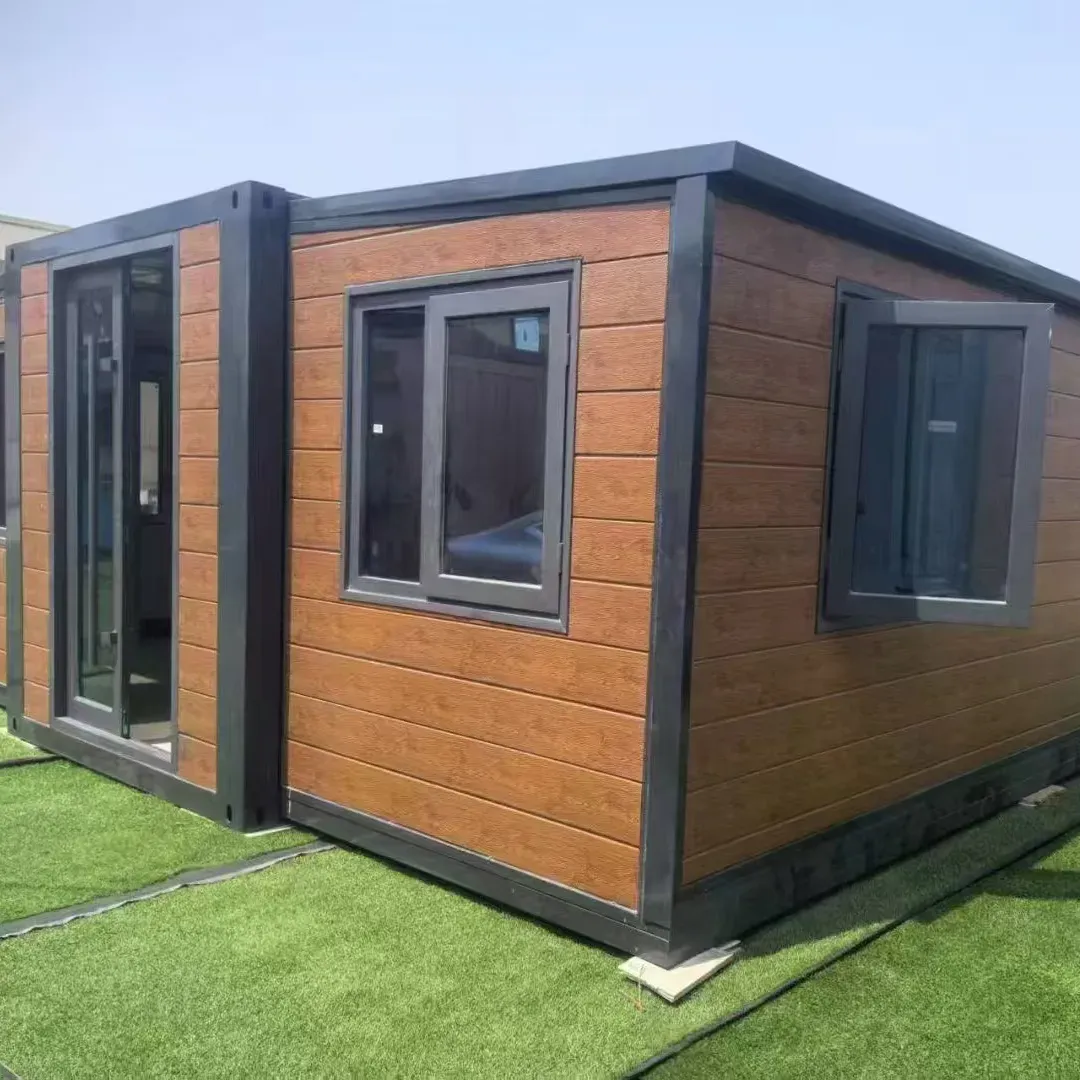
Container homes from Lanen International showcase modularity at its best. The modular nature of these containers allows teams to create different configurations for a wide range of emergency needs. Foldable container houses can be quickly deployed as emergency housing, clinics, or classrooms. Expandable designs provide more internal space, making them suitable for family units, small clinics, and educational facilities. Their rapid installation and reusability ensure they adapt to changing situations.
Foldable containers offer fast deployment for housing, clinics, and classrooms.
Expandable units create larger spaces for families or group activities.
Teams can reconfigure layouts as needs evolve during disaster response.
This flexibility means container homes can serve as private workstations, meeting areas, command centers, or break rooms. The table below highlights common configurations:
Customization for Climate and Culture
Lanen International designs container homes to meet diverse climate and cultural needs. Insulation prevents overheating or excessive cooling in different environments. Ventilation systems ensure proper air circulation, which aligns with local preferences. Air conditioning provides comfort in hot climates. Electrical cabling supports modern living requirements, while internal insulation panels enhance energy efficiency.
Pop-up community centers, mobile clinics, and even art galleries have used containers to meet specific cultural or environmental needs in 2025. This adaptability ensures that container homes remain relevant in any setting.
Use Cases: Family, Clinic, Classroom
Container homes support a variety of use cases during disaster response. Their adaptability allows for rapid transformation into family shelters, clinics, or classrooms. Collapsible container homes provide immediate, secure shelter and can be rapidly assembled, making them ideal for emergency housing, educational, and healthcare facilities.
HUSH shelters provide immediate accommodation for displaced families, temporary clinics for essential care, and classrooms for displaced children.
The table below shows how container homes support diverse needs:
Container homes from Lanen International demonstrate adaptability and reliability in every emergency scenario.
Real-World Impact on Housing Shortages
Case Studies and Outcomes
Lanen International has played a key role in addressing housing shortages after recent disasters. In 2024, a major earthquake displaced thousands in a coastal city. Emergency container housing units arrived within days. Relief teams set up family shelters, clinics, and classrooms quickly. Residents reported improved safety and comfort compared to tents. The modular design allowed for easy expansion as more families arrived. In another case, a flood-affected region used container housing to restore community services. Schools and health centers reopened in record time. These outcomes show that container housing can restore stability and hope for communities in crisis.
Addressing Common Challenges
Container housing projects often face challenges during deployment. Teams must navigate zoning laws, health standards, and space limitations. Lanen International addresses these issues through careful planning and expert support. The table below highlights common challenges and effective solutions:
By addressing these challenges, Lanen International ensures that housing solutions remain safe, comfortable, and adaptable for long-term use.
Lessons for Future Shelter Solutions
Recent deployments have taught valuable lessons about emergency housing. Teams learned that rapid response and adaptability are essential. Modular container housing allows communities to scale up or down as needs change. Proper insulation and ventilation improve comfort in different climates. Early coordination with local authorities helps avoid delays. Lanen International continues to refine its approach, focusing on quality, speed, and sustainability. These lessons guide future projects and help reduce housing shortages worldwide.
Note: Container housing offers a proven path to resilient communities, even in the face of ongoing challenges.
Container housing delivers rapid, affordable, and sustainable shelter for emergencies in 2025. Lanen International provides solutions that adapt to changing needs and support long-term resilience.
Fast deployment and modular design help communities recover quickly.
Durable materials and off-grid features ensure comfort and safety.
Flexible funding models make large-scale response possible.
Experts predict future improvements in smart technology and energy efficiency for container shelters. Stakeholders should consider container housing for emergency response and lasting community support.
FAQ
What makes container housing suitable for emergencies?
Container housing offers rapid deployment, strong steel construction, and modular design. Relief teams can set up shelters quickly after disasters. These units provide safety and comfort for displaced families.
How long does it take to install a container shelter?
Most container shelters arrive prefabricated. Teams can install them in a few hours with minimal on-site work. This speed helps communities recover faster after emergencies.
Can container homes operate off-grid?
Yes. Many container homes include solar panels and rainwater collection systems. These features allow shelters to function in remote areas without traditional utilities.
Who supplies these emergency container shelters?
Lanen International supplies factory-built container shelters worldwide. The company partners with governments and aid organizations to deliver reliable, adaptable housing solutions for crisis response.