

You may wonder, how long do shipping container homes last? On average, these homes last anywhere from 20 to over 50 years. Understanding the expected lifespan helps you make informed decisions about maintenance, investment, and long-term comfort. Modified shipping container homes offer a unique housing solution, but their durability depends on several factors. When you know what affects their longevity, you can better plan for your future.
Key Takeaways
Shipping container homes can last between 20 to over 50 years, depending on factors like container quality and maintenance.
Choose new or lightly used containers for better durability; inspect for rust or damage before purchase.
Regular maintenance, including inspections and repairs, is crucial to extend the lifespan of your container home.
Proper insulation and ventilation prevent moisture buildup, which can lead to rust and mold.
Consider your local climate when building; harsh conditions can affect the longevity of your shipping container home.
Average Lifespan Of Modified Shipping Container Homes
How Long Do Shipping Container Homes Last
You can expect the average lifespan of a shipping container home to range from 20 to over 50 years. This wide range depends on several important factors. The condition of the container at the start plays a big role. New containers usually last longer than used ones. Used containers may have dents, rust, or other damage from their time at sea. These issues can shorten the lifespan if you do not address them during construction.
The materials used in building your home also matter. Most shipping container homes use high-strength corten steel. This steel resists corrosion and gives your home a strong structure. Proper insulation helps keep the inside temperature stable and prevents condensation. Without good insulation, moisture can build up and cause rust, which reduces the lifespan.
Tip: If you want your home to last longer, choose new containers and high-quality building materials.
Expected Lifespan Of Shipping Container Homes
The expected lifespan of shipping container homes depends on how you build and maintain them. Good construction practices and regular maintenance can help your home reach or even exceed the upper end of the average lifespan. You should clean and seal your home often to protect it from rust and weather damage. Homes in areas with harsh climates or natural disasters may not last as long. Strong winds, heavy rain, or salty air can wear down the steel faster.
Here is a table that shows the main factors that affect how long your home will last:
You can see that the choices you make during construction and the care you give your home over time both matter. If you invest in quality materials and keep up with maintenance, your shipping container home can provide safe and comfortable living for decades.
Key Factors Affecting Lifespan
Container Quality And Age
The quality of the container you choose forms the foundation for your home’s longevity. New containers offer the best structural integrity because they have not experienced the wear and tear of shipping. Used containers may have dents, rust, or previous repairs that weaken their structure. When you select a container, always inspect it for signs of corrosion or damage. The quality of the container directly affects how well your home stands up to time and environmental conditions.
A well-constructed shipping container home starts with a container that has strong structural integrity. If you invest in a new or lightly used container, you give your home a better chance at lasting for decades. The age of the container also matters. Older containers may have hidden weaknesses that reduce their lifespan, even if they look solid from the outside.
Climate And Environment
Climate and location play a huge role in how long your shipping container home will last. Environmental conditions such as humidity, rainfall, and temperature swings can impact the steel structure. In coastal areas, you face extra challenges. Moisture and salt in the air can accelerate corrosion, which threatens the structural integrity of your home. Heavy rainfall and saltwater exposure also increase wear and tear.
Note: In humid or coastal regions, moisture levels stay high. Salt air can dramatically speed up corrosion, reducing the lifespan of your home if you do not take proper precautions.
If you live in a dry climate, your container home may last longer because there is less moisture to cause rust. However, extreme heat or cold can still affect insulation and structural materials. Always consider the climate and environment before building.
Foundation And Installation
A proper foundation is essential for the structural integrity of your shipping container home. The foundation and structural support keep your home level and stable. If you skip this step or use poor materials, you risk uneven settling, which can cause cracks or warping in the steel.
The design and construction quality of the installation process also matter. A strong, well-built foundation prevents water from pooling under the home, which helps control moisture and reduces the risk of rust. You should always work with professionals who understand the unique needs of container homes.
Modifications And Materials
The modifications you make and the materials you use can either strengthen or weaken your home’s structure. Cutting large openings for windows or doors can reduce structural strength if you do not reinforce the frame. Always use high-quality materials for insulation, siding, and roofing.
Proper insulation helps regulate temperature and prevents condensation inside the container. Without good airflow and insulation, moisture can build up, leading to rust and mold. Choose materials that resist moisture and provide good airflow to protect the steel.
Use spray foam or rigid board insulation for best results.
Install vapor barriers to keep moisture out.
Reinforce any cut sections to maintain structural strength.
Maintenance And Upkeep
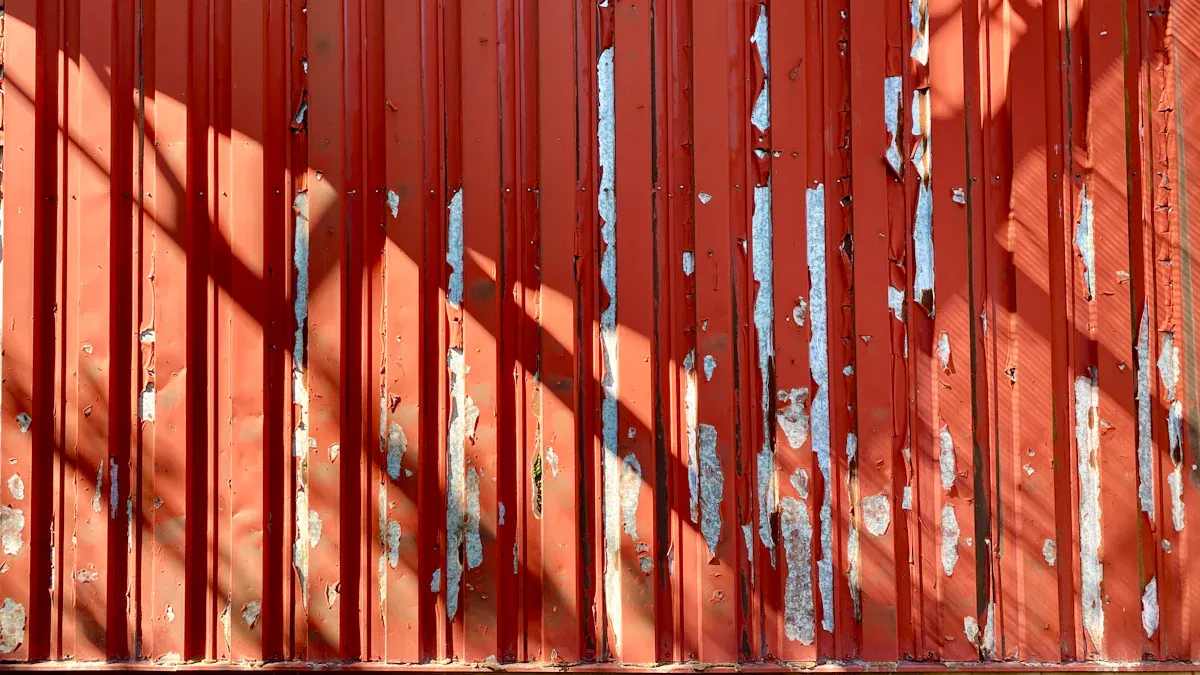
Regular maintenance is one of the most important factors that affect the lifespan of your shipping container home. You should inspect your home for rust, leaks, or damage at least once a year. Clean and repaint any areas where paint has chipped away. Seal joints and seams to keep moisture out.
If you live in an area with harsh weather, you may need to perform maintenance more often. Keeping up with repairs and protecting your home from moisture will help preserve its structural integrity and extend its longevity.
Tip: Schedule routine inspections and address small problems before they become major issues. This habit will help your home last as long as possible.
By understanding these factors and taking action, you can maximize the longevity of your shipping container home. Focus on quality at every stage, from the container you choose to the materials you use and the maintenance you perform.
Extending The Life Of Your Prefab Container Home
Proper Installation
You set the foundation for a long-lasting container home by focusing on proper installation. Start with quality containers from trusted suppliers. Always design your prefab container home for your local climate. Use high-quality insulation and protective coatings that match your weather conditions. Work with structural engineers if you plan to make large modifications. Prioritize a strong foundation with good elevation and drainage. Install professional-grade moisture barriers and sealants. Plan your prefab container home so you can easily access areas for inspection and maintenance. Choose marine-grade finishes for extra durability. Keep records of all materials and maintenance for future reference.
Best practices for installation:
Select one-trip or lightly used containers.
Adapt your prefab container home design to your climate.
Reinforce structural changes with expert help.
Build a solid, elevated foundation with drainage.
Use moisture barriers and quality sealants.
Make inspection and maintenance easy.
Apply marine-grade paints and coatings.
Schedule regular inspections.
Set aside a yearly maintenance budget.
Document every step.
Rust Prevention
Rust can shorten the life of modified shipping container homes. You can prevent corrosion by using rust-resistant paints and coatings. Always keep your prefab container home elevated to stop water from pooling underneath. Seal all openings and repair gaps to keep the structure weatherproof. Good ventilation helps avoid condensation and mold, which can lead to rust. These steps help you make your shipping container home last longer.
Apply rust-resistant coatings.
Elevate your prefab container home.
Seal and repair all gaps.
Ensure proper ventilation.
Tip: Regularly check for signs of rust and address them quickly to protect your investment.
Insulation And Airflow
High-quality insulation is essential for prefab container home durability. Insulation keeps temperatures stable and prevents condensation. Without it, moisture can build up and cause rust or mold. Use spray foam or rigid board insulation for the best results. Install vapor barriers to improve moisture control. Good airflow also helps keep the interior dry and comfortable. Plan your prefab container home with vents and windows that allow air to circulate.
Use spray foam or rigid board insulation.
Add vapor barriers for moisture control.
Design for airflow with vents and windows.
Regular Maintenance
Proper care and maintenance keep modified shipping container homes in top shape. Inspect your prefab container home at least once a year. Look for rust, leaks, or damage. Clean and repaint any chipped areas. Reseal joints and seams to block moisture. In harsh climates, increase your inspection schedule. Good maintenance practices help you avoid costly repairs and extend the life of your prefab container home.
Note: Routine maintenance protects your prefab container home and ensures its durability for years to come.
Investment Value Of Modified Shipping Container Homes
Durability Vs. Traditional Homes
You may wonder how container homes compare to traditional houses in terms of investment. Shipping container homes offer strong durability because of their steel construction. Corten steel resists corrosion and stands up well to harsh weather. Traditional homes use wood or brick, which can suffer from termites, rot, or shifting foundations. You get a structure that can last for decades with proper care. However, traditional homes often have a longer track record and may appreciate more steadily in value. Your container home can match or exceed the lifespan of many wood-framed houses if you maintain it well.
Resale And Market Trends
The resale value of your shipping container home depends on several market factors. In recent years, demand for container homes has grown. People want affordable, sustainable, and flexible housing. Events like the COVID-19 pandemic increased demand and reduced supply, which pushed up container prices. E-commerce growth also raised demand for containers, making them more valuable. Inflation affects manufacturing costs, which can impact the price of new builds. Sustainability trends drive more buyers to seek eco-friendly homes, boosting the market for modified containers.
Tip: If you plan to sell your container home, highlight its eco-friendly features and modern design. These qualities attract buyers and can increase resale value.
Maintenance Costs
You will find that maintenance costs for container homes are often lower than for traditional homes. Steel structures need less frequent repairs than wood. You must inspect for rust and repaint as needed, but you avoid issues like termite damage or roof rot. Insulation and weatherproofing add to your upfront costs, but they help reduce long-term expenses. Regular upkeep keeps your investment strong and helps your home retain value over time.
Inspect for rust and leaks yearly.
Repaint and reseal as needed.
Address small issues before they grow.
A well-maintained shipping container home can offer you a solid return on investment, especially if you focus on quality construction and regular care.
You can expect a well-built shipping container home to last 25 to over 50 years. Your choices matter. Quality construction, regular inspections, and proper care help you reach or exceed the 50-year mark. Container homes resist warping, shifting, and rotting better than traditional houses.
Start with a high-quality container.
Maintain your home with routine touch-ups.
Consider your location and climate.
With smart planning and upkeep, you make a strong, long-term investment in your home.
FAQ
How do you prevent rust on a shipping container home?
You can prevent rust by applying rust-resistant paint and sealants. Inspect your home regularly for scratches or chips. Touch up damaged areas right away. Keep the container elevated to avoid water pooling underneath.
Can you build a shipping container home in any climate?
You can build a container home in most climates. Use proper insulation and ventilation for extreme temperatures. In humid or coastal areas, add extra protection against moisture and salt to prevent corrosion.
Do shipping container homes require special maintenance?
You need to inspect your home at least once a year. Look for rust, leaks, or damage. Clean and repaint as needed. Reseal joints and seams to keep moisture out. Regular care helps your home last longer.
Are shipping container homes safe during storms?
Shipping container homes have strong steel frames. They resist wind and rain better than many traditional homes. Secure your home to a solid foundation. Add reinforcements if you live in an area with hurricanes or tornadoes.
How long does it take to build a shipping container home?
You can build a basic shipping container home in two to six months. The timeline depends on design, permits, and site preparation. Custom features or large modifications may add extra time.