

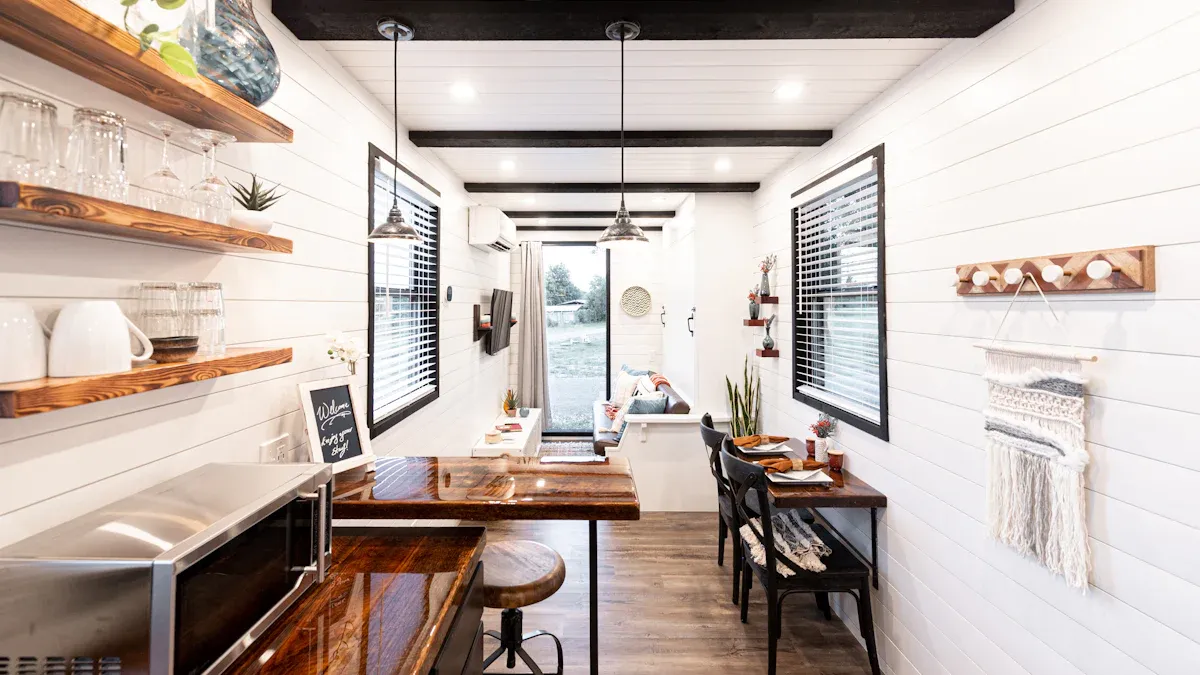
Most shipping container homes last between 20 and 50 years, with 25 years as a common benchmark. You will see the lifespan of your container home depend on how well you maintain it. The local climate and whether you use a new or used shipping container also play a big role in durability. Regular care helps you get the most from your home.
Key Takeaways
Shipping container homes typically last between 20 and 50 years, with proper maintenance extending their lifespan.
Choosing a new shipping container over a used one can significantly enhance durability and reduce early repair needs.
Regular inspections and maintenance, such as checking for rust and ensuring proper drainage, are crucial for longevity.
Smart design choices, like good insulation and ventilation, help protect your container home from harsh weather conditions.
Investing in a shipping container home can save money over time, offering lower upfront costs and reduced maintenance compared to traditional housing.
How long do shipping container homes last?
New vs. Used Containers
When you choose a shipping container for your home, you face a key decision: new or used. This choice has a big impact on the longevity of your container home.
New shipping containers usually last longer than used ones. They have not faced harsh conditions at sea or heavy use.
The average lifespan of a shipping container home built from a new unit is around 25 years or more.
Used containers may have already spent over 10 years in service. This can shorten their expected lifespan.
New containers often have fewer structural issues. You will likely need fewer early repairs if you start with a new unit.
Used containers can still offer good longevity if you pick one in solid condition and keep up with maintenance.
The longevity of a used container depends on how it was used before, any damage it suffered, and repairs made before you bought it.
You should always inspect a used shipping container carefully. Look for rust, dents, or repairs. These signs can tell you a lot about how long your container home will last.
Typical Lifespan Range
You might wonder, how long do shipping container homes last in real-world conditions? Most shipping container homes last between 20 and 50 years. The average lifespan of a shipping container home is about 25 years, but you can extend this with proper care.
Shipping container homes can last a lifetime if you use quality materials, build in a mild climate, and follow a regular maintenance routine. The expected lifespan of shipping container homes depends on several factors:
You can see that maintenance and environment play a huge role in how long shipping container homes last. If you live in a humid or coastal area, you need to watch for rust and corrosion. If you live in a place with big temperature swings, the steel can expand and contract, which may affect the structure over time.
Tip: Elevate your container home on a solid foundation to keep moisture away and reduce the risk of rust.
By choosing the right container, keeping up with repairs, and building with smart design, you can maximize the longevity of your shipping container home.
Durability of shipping container homes
Factors Affecting Durability
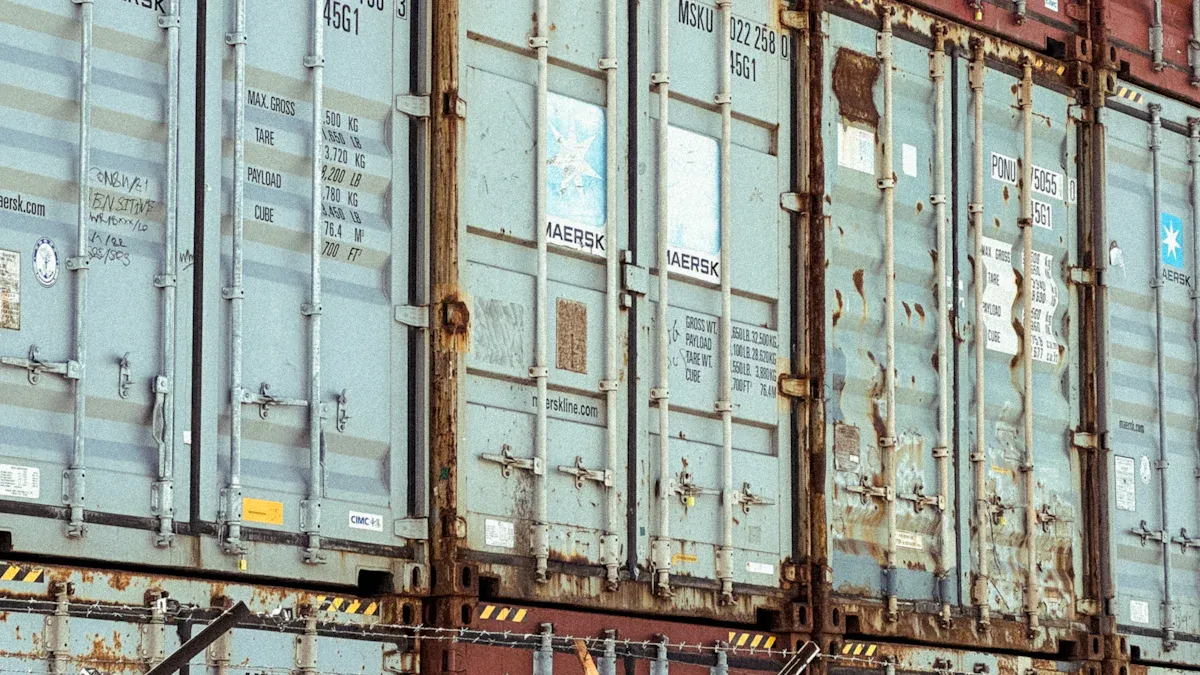
You want your container home to last as long as possible. The durability of shipping container homes depends on several important factors. The most critical include material quality, construction methods, and ongoing care. You should always start with quality containers. Inspect each shipping container for flaws like corrosion or structural problems before building. Proper modifications also matter. If you cut into the steel, reinforce those areas to keep the structure strong.
Here is a table that shows the main factors that affect the lifespan of a container home:
You should also pay attention to materials and overall build. High-quality steel, reinforced corners, and weather-resistant coatings help create durable structures. Good door seals and protective flooring keep out water and dust. Advanced welding and ventilation systems add even more durability.
Environmental Impact
The environment plays a big role in the durability of your shipping container. Weather exposure, humidity, and temperature changes all affect how long your home will last. High humidity can speed up corrosion and decay of materials. Cold climates slow down deterioration, while hot and wet areas can cause rust. Insulation helps keep temperatures stable and reduces condensation, which prevents rust and damage.
You can adapt shipping container homes for different climates. Add insulation for cold regions or cooling systems for hot areas. These changes protect your home from harsh weather and keep it comfortable inside.
Maintenance and Upkeep
Regular maintenance is key to a long lifespan. You should check insulation, look for rust, and apply rust-resistant paints when needed. Keep the roof sealed to prevent leaks. Make sure plumbing and electrical systems work well. Inspect the structure, especially the flooring, to catch problems early.
With proper care, durable containers can last for decades. Quality materials and good design and construction quality make maintenance easier. If you keep up with these routines, you will enjoy a safe and comfortable container home for many years.
Extending the expected lifespan of shipping container homes
Maintenance Best Practices
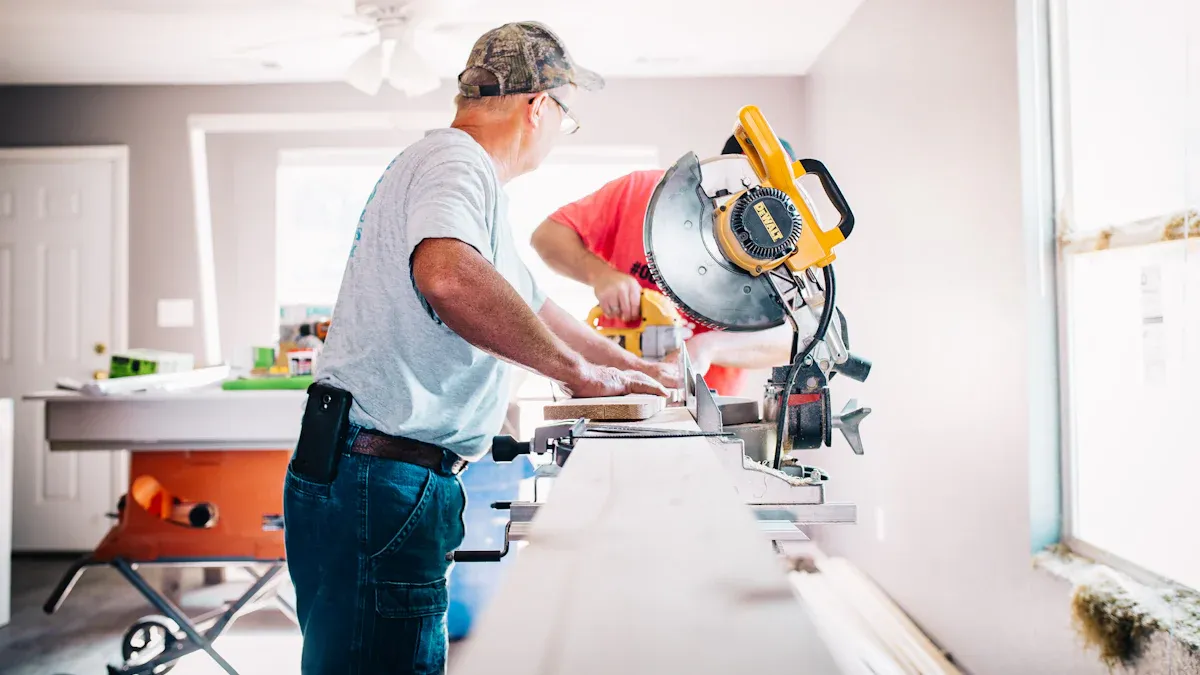
You can make your tiny home last for decades by following a few simple routines. Start with regular inspection of your shipping container. Look for early signs of rust, leaks, or damage. Clean the exterior often to remove dirt and debris. This step helps prevent moisture from causing corrosion. Always check that water drains away from your container home. Good drainage keeps the base dry and reduces rust risk. When you spot chips or cracks in the paint, repair them right away. Use high-quality coatings from trusted brands like Lanen International to seal and protect the steel. Ongoing maintenance, such as checking seals and cleaning gutters, will help you avoid costly repairs and extend the lifespan of your tiny home.
Tip: Schedule a thorough inspection every season to catch small problems before they grow.
Preventing Rust and Corrosion
Rust is the main enemy of any shipping container. You can prevent it by keeping your tiny home clean and dry. Power wash the exterior to remove mud and salt, especially if you live near the coast. Make sure water never pools around your shipping container. Apply protective coatings like zinc or aluminum blends to shield the steel. The table below shows how different coatings can help:
If you see any surface rust, treat it right away. Quick action keeps your tiny home strong and safe.
Smart Design Choices
Smart design choices play a big role in how to make your shipping container home last longer. Always use proper insulation and ventilation. Thermal insulation protects your tiny home from extreme temperatures and moisture. Spray foam insulation can last up to 80 years, making it a smart investment for your container home. Good ventilation prevents condensation, which can cause mold and rust. Place vents in key areas to keep air moving. Use fire-resistant materials and install smoke detectors for safety. Consult a structural engineer to ensure your tiny home meets all safety standards. Modular shipping container homes with proper insulation and ventilation can handle harsh climates and meet building codes. With these steps, you can enjoy a long-lasting container home with excellent durability.
Are shipping container homes a good long-term investment?
Cost vs. Longevity
You want to know if a shipping container home makes sense for your budget over time. The numbers show a clear advantage. Over a 25-year period, you spend much less on a shipping container home compared to traditional social housing. Here is a simple comparison:
You save a significant amount when you choose a shipping container home. Lower upfront costs and reduced maintenance mean you keep more money in your pocket. Longevity also adds value. A well-built container home lasts for decades, especially with regular care and quality products from companies like Lanen International.
Note: Longevity enhances durability, which increases the overall value of your home. You also benefit from lower maintenance costs and flexible design options that adapt to your needs.
Resale Value
The resale value of your container home depends on several factors. You get a higher price for newer shipping containers because they show less wear and last longer. Older containers usually sell for less due to visible damage or repairs. The grading of your shipping container, such as "cargo-worthy" or "wind and watertight," also affects the price. Higher grades bring better offers.
You can boost your container home's value by:
Removing rust and applying protective paint
Installing insulation and ventilation systems
Adding doors and windows for better looks and function
Market prices for shipping containers change over time. Heavily used or repaired containers tend to have lower resale values. If you keep your container home in good condition, you protect your investment.
Suitability for Permanent Living
You can live in a shipping container home year-round in many climates. Builders customize layouts to fit your needs and local weather. Rigid foam and spray insulation help your home stay warm in winter and cool in summer. These homes work well for both vacations and permanent living. You can place your container home in urban or remote areas, making it a flexible choice for many lifestyles.
Shipping container homes offer durability, cost savings, and adaptability. With smart design and regular maintenance, you can enjoy a comfortable and valuable home for years.
You can expect shipping container homes to last around 25 years, especially when you follow regular maintenance routines. Corten steel construction resists harsh weather, but rust can develop if you ignore upkeep. To extend durability, clean debris, inspect seals, and repaint any corroded areas. Experts note that these homes offer flexibility and cost savings, though local regulations and neighborhood acceptance may affect long-term value. Consider your climate, maintenance habits, and customization needs before investing.
Tip: Regular upkeep helps you protect your investment and enjoy a comfortable home for years.
FAQ
How do you maintain a shipping container home?
You should inspect your home every season. Clean the exterior, check for rust, and repair paint chips. Keep gutters clear and ensure water drains away from the base. Use quality coatings from brands like Lanen International for extra protection.
Can you live in a shipping container home in cold climates?
Yes, you can. Add spray foam or rigid insulation to keep your home warm. Seal windows and doors well. Good insulation prevents heat loss and keeps you comfortable during winter.
What is the biggest threat to a container home’s lifespan?
Rust causes the most damage. Moisture and salt speed up corrosion. You should keep your home dry, apply protective coatings, and fix any rust spots quickly.
Do shipping container homes need a special foundation?
Yes. You need a solid foundation, like concrete piers or a slab. This keeps the container level and away from ground moisture. A good foundation prevents rust and structural problems.
Are shipping container homes safe during storms?
Shipping container homes have strong steel walls. They resist wind and impact better than many traditional homes. Secure your home to the foundation and reinforce windows for extra safety.