

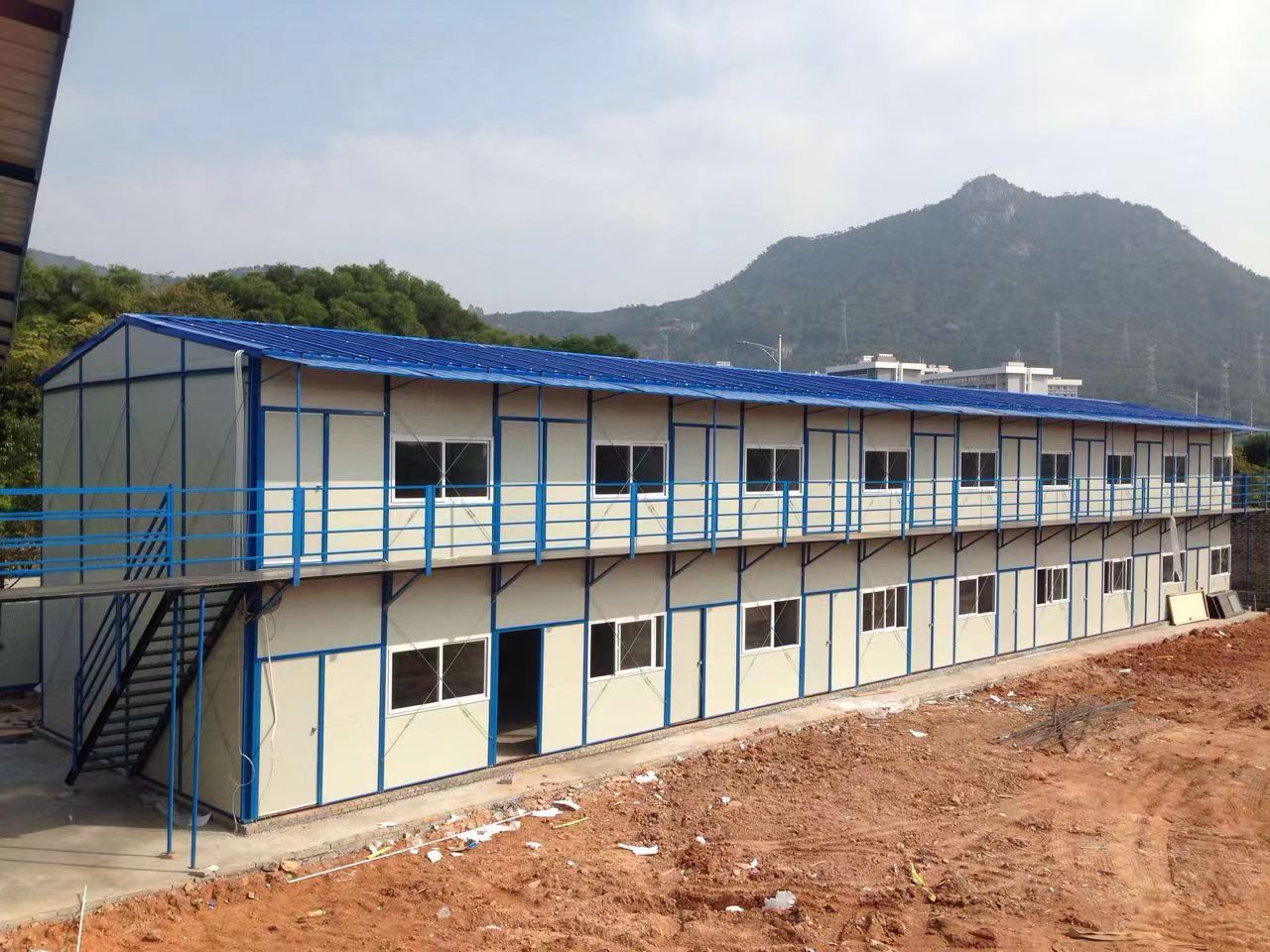
Shipping container homes can feel cozy in cold climates when owners make the right changes. Insulation stands out as the most important step—they need it to hold in warmth and keep energy bills low. Homeowners often face challenges like choosing the best insulation material and making sure it fits tightly.
Spray foam insulation expands to seal gaps.
Rigid foam boards cut easily for a snug fit.
Airtightness, good ventilation, and smart planning help create a comfortable space all winter long.
Key Takeaways
Insulation is crucial for shipping container homes in cold climates. Choose materials like spray foam or rigid foam boards to keep warmth inside.
Airtightness enhances comfort and energy efficiency. Seal all gaps and check for leaks to prevent cold drafts from entering your home.
Install proper ventilation systems like HRV or ERV to maintain air quality and manage moisture. This prevents mold and keeps the air fresh.
Select energy-efficient windows and doors. Double or triple-pane windows and insulated doors help retain heat and block cold air.
Plan your home's layout to maximize sun exposure. Position living areas on the south side to capture sunlight and reduce heating costs.
Insulation for Shipping Container Homes
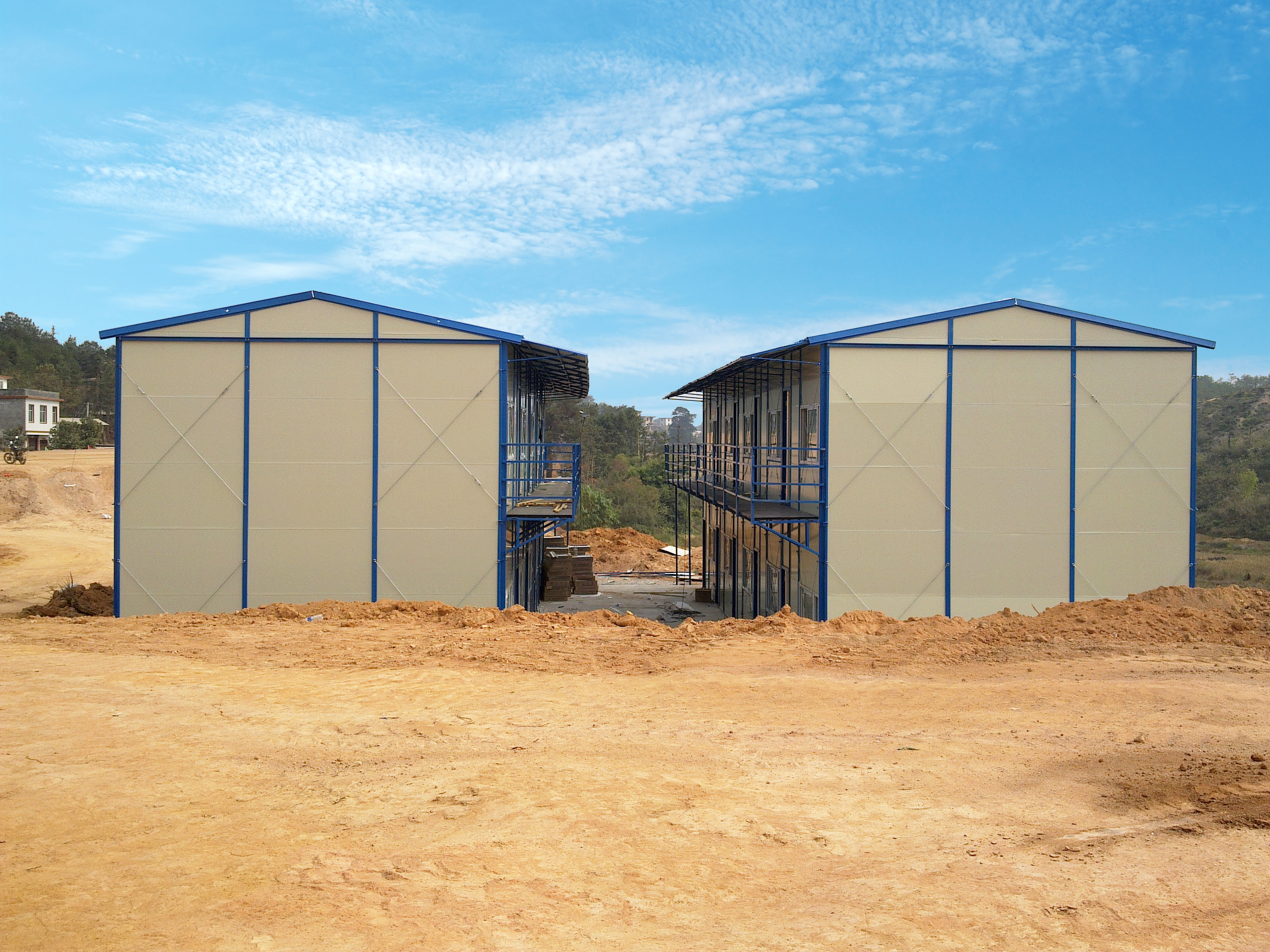
Insulation Types for Cold Climates
Insulation plays a huge role in making shipping container homes livable during harsh winters. Steel containers conduct heat and cold much faster than traditional building materials. This means the inside temperature can swing wildly if the insulation does not block outside air. People who live in cold climates need to focus on insulation that keeps warmth inside and stops drafts.
Why is insulation so important for steel containers?
Steel conducts heat and cold, which can lead to uncomfortable living conditions in container homes.
Insulation is essential to maintain a stable internal temperature by blocking external temperatures.
Proper insulation ensures comfort for occupants by retaining cool air and preventing heat loss.
Homeowners often ask which insulation works best for their container. The answer depends on budget, climate, and installation skill. Here’s a quick look at popular options:
Spray foam insulation (PU) expands to fill gaps and creates a tight seal. It works well for odd-shaped spaces and corners. PIR boards offer higher R-values, which means better thermal performance, but they cost more. Rock wool provides decent insulation and also helps with soundproofing. Lanen International recommends high-performance PIR panels for shipping container homes in cold climates. Their products help homeowners achieve better energy efficiency and comfort.
Best Practices for Installation
Getting insulation right means more than just picking the material. The way people install insulation matters just as much. They should measure carefully and cut panels to fit snugly against the steel walls. Gaps or loose edges let cold air sneak in. Spray foam works well for sealing tricky spots, but installers must watch out for over-spraying.
People should always check for thermal bridges. These are spots where heat escapes through metal parts that touch both inside and outside. To avoid this, they can use continuous insulation layers and break up direct metal-to-metal contact. Lanen International’s experts suggest using vapor barriers with insulation in cold climates. This keeps moisture from getting trapped and causing mold.
Tip: Always wear protective gear when handling insulation. Some materials can irritate skin or lungs.
Common Insulation Mistakes
Many homeowners make simple mistakes that cost them comfort and money. They sometimes forget to insulate the floor or ceiling, focusing only on the walls. This leaves big areas for heat loss. Others use the wrong type of insulation for their climate, picking low R-value products that do not block enough cold.
People also rush installation and leave gaps or cracks. These small spaces let cold air in and warm air out. Another mistake is skipping vapor barriers, which leads to moisture problems. Lanen International warns that poor installation can reduce the effectiveness of even the best insulation.
Note: Double-check every seam and joint after installing insulation. Small fixes now can prevent big problems later.
Airtightness and Ventilation
Benefits of Airtight Shipping Container Homes
Steel shipping containers come with a natural advantage—they are almost airtight. This feature helps keep warm air inside during winter and blocks cold drafts. People who live in container homes notice that airtightness makes a big difference in energy bills and comfort. Insulation works best when paired with a tight seal, so heat does not escape through cracks or gaps.
Insulation keeps container homes warm and cozy in winter.
It helps retain heat and ensures comfort in cold weather.
Airtightness prevents cold air from sneaking in, improving energy efficiency.
Proper ventilation stops moisture from building up, which can cause mold and rust.
Lanen International often recommends checking every seam and joint for leaks. Even small gaps can let in cold air and reduce the benefits of insulation. Homeowners who focus on airtightness see better results from their heating systems and enjoy a more stable indoor temperature.
HRV/ERV Systems for Cold Climates
Airtight homes need controlled ventilation to stay healthy. Without fresh air, moisture and pollutants build up inside. Heat Recovery Ventilators (HRV) and Energy Recovery Ventilators (ERV) solve this problem. These systems bring in fresh air while keeping most of the heat inside.
People who install HRV or ERV systems notice fewer drafts and less condensation on windows. These systems work quietly in the background, swapping stale air for fresh air without losing warmth. Lanen International’s experts suggest HRV or ERV units for every container home in cold climates. They help homeowners breathe easier and keep their homes dry.
Managing Moisture and Air Quality
Moisture control matters in airtight homes. Cooking, showering, and even breathing add water vapor to the air. If moisture stays trapped, it can lead to mold, rust, and poor air quality. Ventilation systems like HRV and ERV remove excess humidity and bring in fresh air.
People should check humidity levels often. A simple hygrometer helps track moisture in the air. If levels rise above 60%, mold can start to grow. Homeowners can use exhaust fans in kitchens and bathrooms to help manage moisture. Lanen International recommends regular maintenance for all ventilation systems to keep air fresh and healthy.
Tip: Open windows for a few minutes each day if possible. This quick burst of fresh air helps balance humidity and keeps the home feeling comfortable.
Shipping container homes in cold climates stay warm and healthy when owners focus on airtightness and smart ventilation. With the right systems in place, they enjoy cozy spaces and clean air all winter long.
Heating Systems and Energy Efficiency
Heating Options for Container Homes
People living in shipping container homes need reliable heating to stay comfortable during winter. Many choose electric baseboard heaters because they are easy to install and control. Others prefer mini-split heat pumps, which can both heat and cool the space. These systems work well in small homes and use less energy than older furnaces.
Some homeowners use pellet stoves or wood-burning stoves. These options add a cozy feel and work even during power outages. Radiant floor heating is another popular choice. It keeps feet warm and spreads heat evenly throughout the home.
Tip: Lanen International recommends sizing the heating system based on the insulation level and the size of the container. A system that is too large or too small can waste energy.
Improving Energy Efficiency in Cold Climates
Energy efficiency matters most in cold climates. Good insulation and airtightness help, but small changes make a big difference. People can use programmable thermostats to lower the heat at night or when they leave the house. Heavy curtains or insulated blinds keep warmth inside and block drafts from windows.
A table of quick energy-saving tips:
Lanen International suggests regular maintenance for heating systems. Clean filters and vents help systems run better and last longer.
Integrating Renewable Energy
Many owners want to use renewable energy to power their homes. Solar panels work well on the roof of a container home. They can provide electricity for heating, lighting, and appliances. Some people add battery storage to keep the lights on during storms.
Wind turbines are another option in open areas. These systems help reduce energy bills and lower the home's impact on the environment. People who live in places with both heat and cold weather find that combining solar and wind power gives the best results.
Note: Lanen International offers advice on choosing renewable energy systems that fit each homeowner’s needs and climate.
Windows and Doors
Energy-Efficient Window Choices
Windows play a big role in keeping container homes warm. People often choose double or triple-pane windows for better insulation. These windows trap air between layers of glass, which slows down heat loss. Homeowners in cold climates look for windows with low-E coatings. This special layer reflects heat back inside, making rooms feel cozier.
Lanen International suggests vinyl or fiberglass frames because they resist cold and moisture. Aluminum frames can let heat escape, so they work best with a thermal break. Some people add insulated window shades or heavy curtains for extra protection. These simple upgrades help block drafts and keep warmth inside.
Tip: Place windows on the south side of the home to catch more sunlight during winter.
Insulated Doors for Cold Weather
Doors need just as much attention as windows. Steel doors with foam insulation work well in shipping container homes. They stop cold air from sneaking in and keep heat from escaping. Homeowners often pick doors with weatherstripping around the edges. This flexible material seals gaps and blocks drafts.
Lanen International recommends doors with multi-point locking systems. These locks pull the door tight against the frame, improving the seal. People sometimes install storm doors for an extra layer of protection. Storm doors help block wind and add another barrier against the cold.
Sealing and Weatherproofing
Sealing windows and doors keeps container homes dry and warm. People use marine-grade paint or rust-proof primers on exterior surfaces to block moisture. High-quality sealants fill seams and welds, stopping water and air leaks. Proper drainage around the foundation helps water flow away from the home, reducing the risk of leaks.
A table of effective sealing and weatherproofing methods:
Lanen International’s experts remind homeowners to check seals every season. Small cracks or worn weatherstripping can let in cold air and moisture. Regular maintenance keeps windows and doors working their best, even in harsh winter weather.
Roof and Exterior Upgrades
Insulated Roof Solutions
A well-insulated roof makes a huge difference in a shipping container home during winter. The roof faces the brunt of cold winds and snow, so homeowners need to choose materials that block heat loss and keep moisture out. Lanen International often recommends cellular glass insulation for container roofs in cold climates. This material stands out because it resists water, stays rigid, and does not burn. People who use cellular glass insulation notice their homes stay warmer and their energy bills drop.
Here’s a quick look at why cellular glass insulation works so well:
Tip: Homeowners should check the roof for leaks before adding insulation. A dry, sealed surface helps insulation last longer.
Exterior Cladding for Extra Protection
Exterior cladding adds another layer of defense against cold weather. People often choose fiber cement panels, wood siding, or metal sheeting. These materials shield the steel container from wind, rain, and snow. Cladding also improves the look of the home, giving it a warmer and more inviting feel.
Lanen International suggests installing cladding with an air gap between the container and the outer layer. This gap helps moisture escape and prevents rust. Homeowners who use cladding notice less condensation inside and fewer drafts. Cladding also protects the insulation, making the whole system work better.
Fiber cement panels resist moisture and fire.
Wood siding adds natural warmth and charm.
Metal sheeting offers durability and a modern look.
Preventing Thermal Bridging
Thermal bridging happens when heat escapes through metal parts that connect the inside and outside of the container. This problem can make rooms feel cold even with good insulation. People can stop thermal bridging by using continuous insulation and breaking up direct metal-to-metal contact.
Lanen International recommends foam tape or rubber gaskets between steel surfaces and insulation. These simple fixes block heat loss and keep the home warmer. Homeowners should pay special attention to corners, roof edges, and window frames. Regular checks help spot trouble spots early.
Note: Preventing thermal bridging boosts energy efficiency and keeps container homes comfortable all winter.
Shipping Container Home Plans for Cold Climates

Prefab and Custom Design Considerations
People often wonder if prefab or custom designs work better for cold climates. Prefab shipping container home plans offer quick assembly and predictable costs. Many companies, including Lanen International, design prefab models with extra insulation and airtight features. These homes arrive ready for cold weather, so owners spend less time on upgrades. Custom shipping container home plans give more flexibility. Homeowners can choose thicker insulation, special windows, or unique layouts. Custom plans also allow for creative touches, like built-in mudrooms or heated entryways. Before starting, people should check local building codes. Every shipping container home plan must meet rules for safety, energy efficiency, and utility installation.
Orientation and Sun Exposure
Smart shipping container home plans use the sun to their advantage. People often place living areas and large windows on the south side. This layout lets sunlight warm the home during winter. Bedrooms and storage spaces fit well on the north side, where less heat is needed. Lanen International suggests using overhangs or shades to block summer sun but welcome winter rays. Owners who plan for sun exposure see lower heating bills and cozier rooms. They also enjoy brighter spaces, which feel more inviting during long winters.
Tip: Sketch the home’s layout on paper before building. Mark where the sun rises and sets to find the best orientation.
Landscaping for Wind Protection
Landscaping plays a big role in shipping container home plans for cold climates. Trees, shrubs, and fences block cold winds and help keep warmth inside. People often plant evergreens on the north and west sides. These natural barriers slow down icy gusts and protect the home’s exterior. Lanen International recommends using berms or raised beds for extra wind protection. Owners who add landscaping see less heat loss and fewer drafts. They also create outdoor spaces that look good year-round.
Note: Choose plants that survive harsh winters and grow quickly. Local nurseries can help pick the best options.
People can enjoy warmth and comfort in shipping container homes by following a few key steps. They should focus on insulation, airtightness, and smart ventilation. Lanen International offers prefab options and expert advice for those who want extra help. Many upgrades are DIY-friendly, so anyone can start improving their space. With good planning, anyone can create a cozy home—even in the coldest climates.
FAQ
How much insulation does a shipping container home need in cold climates?
Most experts recommend at least R-20 insulation for walls and R-30 for roofs. These levels help keep the inside warm and energy bills low. Lanen International can help homeowners choose the right insulation for their climate.
Can someone install insulation themselves?
Many people install insulation themselves. Spray foam and rigid panels work well for DIY projects. Safety gear is important. Some jobs, like sealing tricky corners, may need a professional.
What heating system works best for shipping container homes?
Mini-split heat pumps and radiant floor heating offer reliable warmth. Pellet stoves add a cozy touch. The best choice depends on the home's size and insulation.
How does ventilation help in winter?
Ventilation systems, like HRV or ERV units, bring in fresh air and remove moisture. These systems keep air healthy and prevent mold. Good ventilation also helps control humidity.
Are shipping container homes comfortable in snowy regions?
With proper insulation, airtightness, and smart heating, shipping container homes stay cozy even in snowy areas. Lanen International designs homes for harsh winters, so owners enjoy comfort all season.