

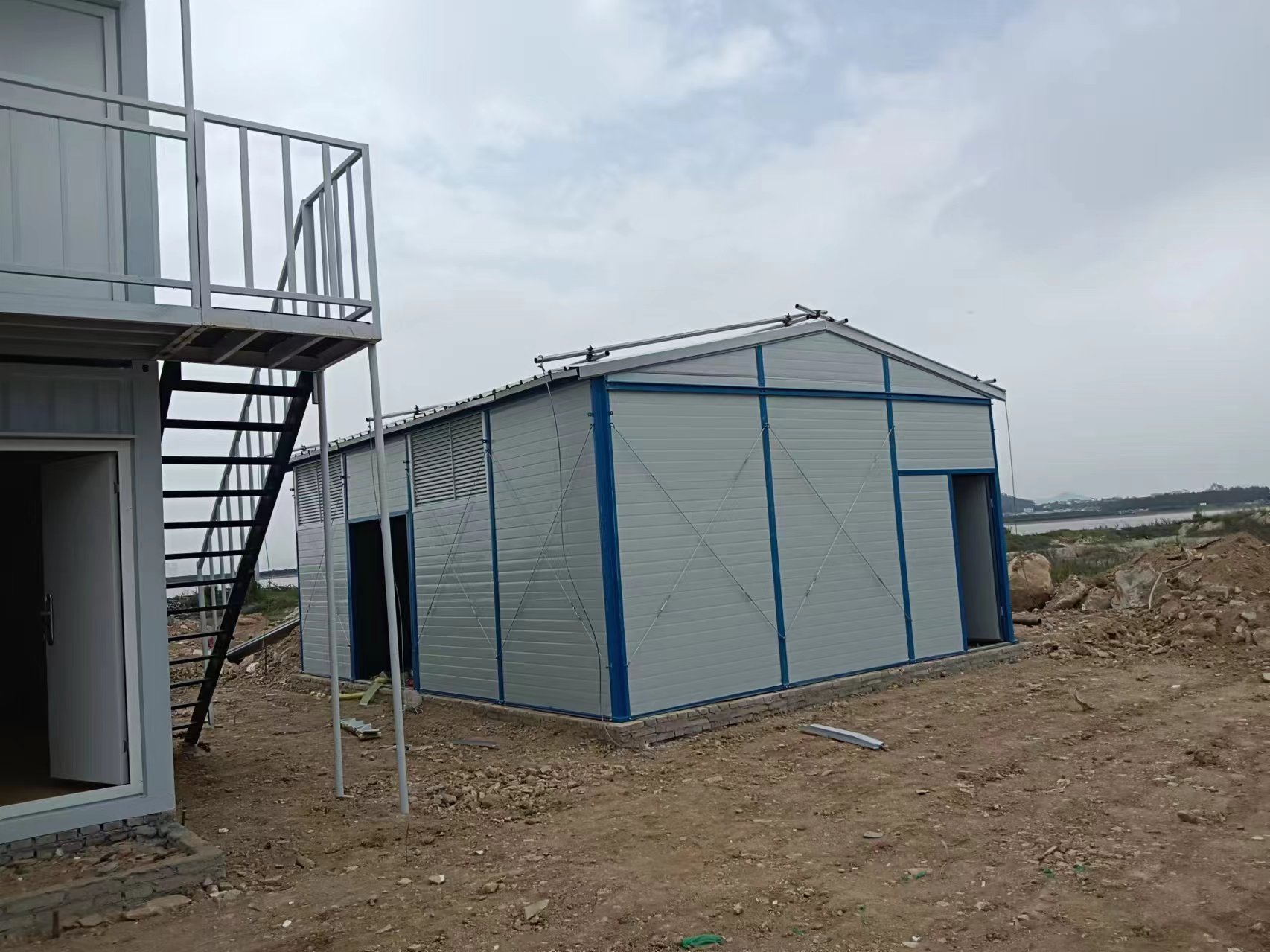
You can install a folding container house by following a few straightforward steps. First, check your site and gather your tools. Next, arrange for delivery and handle unloading with care. Then, unfold the structure, assemble the main frame, secure all fasteners, and finish the details. Safety comes first, so always review instructions and double-check everything. This process feels quick and manageable if you plan ahead.
Tip: Read the manufacturer’s guidelines before you start. You’ll avoid common mistakes and keep your project on track.
Key Takeaways
Prepare your site by ensuring a flat, stable surface and clearing any obstacles before installation.
Gather all necessary tools and materials beforehand to avoid delays during the installation process.
Follow safety precautions closely, including wearing protective gear and using proper lifting techniques.
Carefully inspect your folding container house upon delivery for any damage and document it immediately.
Double-check all connections and components during installation to ensure structural integrity and safety.
Preparation for Folding Container House Installation
Pre-Install Site Checks
Before you start building, you need to make sure your site is ready. Walk around the area and look for any slopes, rocks, or debris. You want a flat and stable surface for your folding container house. Check the ground for drainage issues. Water pooling can cause problems later. If you see any obstacles, clear them out. You should also measure the space to confirm it matches the house dimensions. Inspect the components when they arrive. Look for dents, rust, or missing parts. If you spot damage, contact your supplier right away.
Tools and Materials Needed
You don’t want to run around searching for tools in the middle of installation. Gather everything before you begin. Here’s a quick checklist:
Heavy-duty gloves
Safety goggles
Measuring tape
Level
Wrenches and screwdrivers
Power drill
Ladder
Sealant and waterproofing materials
Tip: Always use quality tools and materials. Brands like Lanen International offer reliable products and clear instructions. Following their guidelines helps you avoid mistakes and keeps your project safe.
Safety Precautions
Safety should be your top priority. Wear protective gear at all times. Make sure your work area is clear and organized. If you’re lifting heavy panels, ask for help or use proper equipment. Never rush through steps. Take breaks if you feel tired. Read the manufacturer’s safety instructions before you start. If you’re unsure about any part of the process, reach out to a professional. Staying safe means you’ll enjoy your new home without worries.
Delivery and Unloading
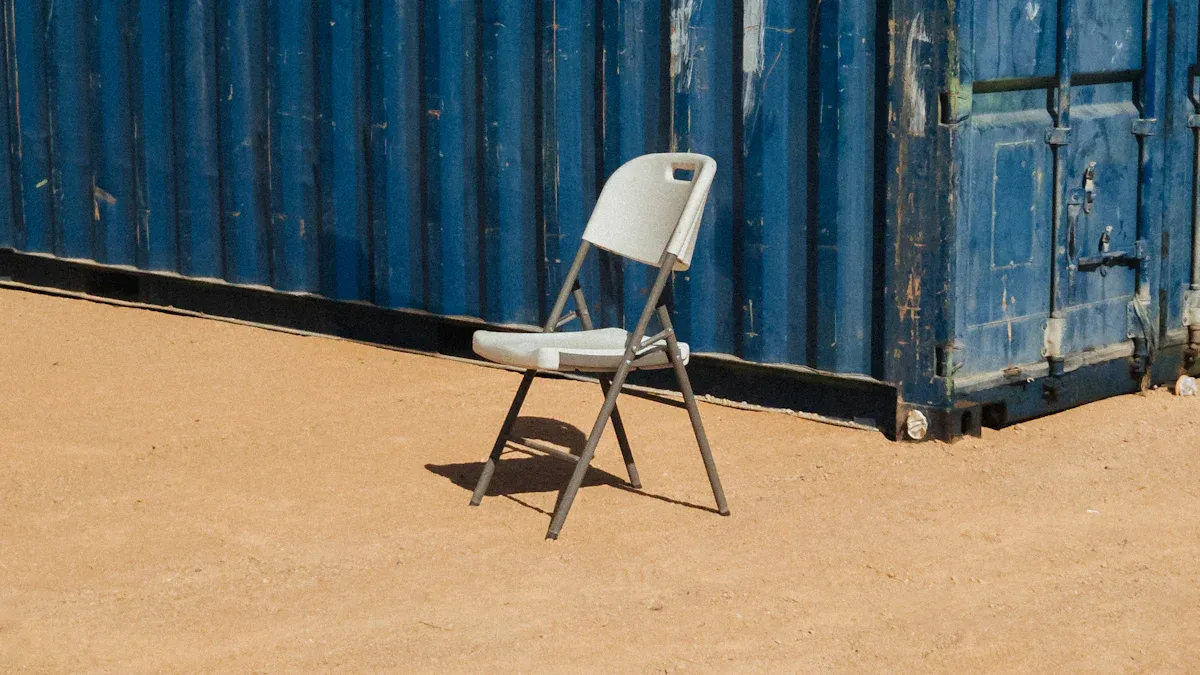
Safe Transport of Folding Container House
You want your folding container house to arrive in perfect shape. Start by choosing a reliable transport company with experience in moving container homes. Ask them about their equipment and how they secure loads. Make sure the truck bed is clean and free of sharp objects. You should double-check that the container is locked and strapped down tightly before the journey begins.
Tip: Snap a few photos of your container before it leaves the factory. These pictures help if you need to report damage later.
Follow the manufacturer’s transport instructions. Some companies require you to use specific lifting points or support beams. If you skip these steps, you risk bending the frame or damaging the panels. Always keep the instruction manual handy during this stage.
Careful Unloading Procedures
When your container house arrives, take a moment to inspect the delivery area. Clear away any obstacles like rocks, branches, or tools. You want a smooth path for the truck and enough space for unloading.
Use the right equipment for the job. A crane or forklift works best for heavy containers. Never try to unload by hand or with makeshift tools. If you’re unsure, ask the driver or a professional for help.
Here’s a quick checklist for safe unloading:
Wear gloves and safety goggles.
Check for overhead wires or low branches.
Guide the operator slowly and clearly.
Lower the container gently onto the prepared site.
Inspect the container for dents or scratches right away.
Note: If you spot any damage, document it and contact your supplier before moving forward.
By following these steps, you protect your investment and set yourself up for a smooth installation. Always stick to the manufacturer’s guidelines for handling and unloading. Safety and care now will save you time and money later.
Step-by-Step Installation Process

Positioning the Container House
You have your folding container house on site. Now, you need to position it correctly. Start by checking your foundation one more time. Make sure the surface is level and stable. Use a measuring tape and a level to confirm the placement matches your plan. If you have a team, assign clear roles. One person can guide the operator, another can watch for obstacles. Use a crane or forklift to lift the container. Move slowly and communicate with hand signals or walkie-talkies. Set the container down gently. Double-check the alignment with your foundation. Small adjustments now will save you trouble later.
Tip: If you notice the container is not sitting flat, use shims or blocks to adjust the height. This helps prevent future issues with doors and windows.
Unfolding Roof and Walls
You’re ready for the next step in the step-by-step installation. Unfolding the roof and walls is easier than you might think. Start by unlocking the safety latches. Most folding container house models have clear instructions for this part. Lift the roof section first. You may need a helper or a mechanical lift, depending on the weight. Once the roof is upright, move to the walls. Pull each wall panel outward until it clicks into place. Listen for the locking sound. This means the panels are secure.
Here’s a simple checklist to keep you on track:
Unlock all safety latches.
Lift the roof section.
Pull out each wall panel.
Confirm panels are locked in place.
If you run into resistance, stop and check for obstructions. Never force the panels. You could damage the hinges or the frame. Take your time and follow the manufacturer’s instructions for how to install a folding container house.
Aligning and Connecting Main Frame
Now, you need to align and connect the main frame. This step brings everything together. Use a level to check the vertical and horizontal alignment. If you see gaps, adjust the panels before securing them. Connect the frame sections using bolts or fasteners provided by the manufacturer. Tighten each connection firmly, but don’t over-tighten. You want a snug fit without bending the metal.
Note: Always use the recommended fasteners. Substituting hardware can weaken the structure.
Work your way around the container, connecting each corner and joint. If your model includes support beams, install them now. These beams add strength and stability. Check each connection as you go. If you notice a misalignment, loosen the fastener, adjust, and retighten.
You can complete this process quickly if you have the right equipment and a good team. The step-by-step installation makes it easy to install a folding container house without specialized skills. Just follow the instructions, stay organized, and double-check your work.
Securing and Final Assembly
Locking Hinges and Fasteners
Now that your container house stands in place, you need to secure every hinge and fastener. Start at one corner and work your way around. Use your wrench or power drill to tighten each bolt. Make sure you do not skip any. Check the hinges on the roof and walls. They should move smoothly but stay firm when locked. If you see a loose fastener, tighten it right away. This step keeps your house strong and safe.
Tip: Double-check all corners and joints. A missed bolt can cause problems later.
Installing Doors and Windows
Next, you will install the doors and windows. Most folding container houses come with pre-cut spaces for these. Lift each door into place and line it up with the hinges. Secure the hinges with screws. Test the door to make sure it opens and closes without sticking. For windows, slide them into their frames. Use the provided fasteners to lock them in. Check for gaps around the edges. If you find any, use sealant to close them up.
Make sure each door locks properly.
Open and close every window to test the fit.
Add weatherstripping if needed.
Utility Connections (Electricity & Plumbing)
You are almost ready to move in. Now, connect your utilities. If you have experience, you can install basic plumbing and electrical lines. If not, call a licensed professional. Start with the main water and power lines. Attach them to the connection points on your container house. Test each outlet and faucet to make sure everything works. Look for leaks or sparks. Fix any issues before you finish.
Note: Always follow local building codes for utility connections. Safety comes first.
You have now completed the main steps to install your folding container house. Take a moment to admire your work!
Waterproofing and Finishing Touches
Sealing Joints and Edges
You want your folding container house to last for years. That means you need to pay close attention to waterproofing and sealing. Start with the seams where the walls meet the roof and floor. Use a high-quality sealant for these areas. Apply the sealant in a steady line along every joint. Don’t rush this step. Sealing every edge keeps water out and protects your home from leaks.
Check the corners and around windows and doors. These spots need extra care. Use your finger or a small tool to press the sealant into any gaps. You should also look for small cracks or holes. Fill them with more sealant. Repeat the sealing process for all exterior joints. If you see old or damaged sealant, remove it and apply a fresh layer. Good waterproofing and sealing will keep your house dry and comfortable.
Tip: Work on sealing during dry weather. Wet surfaces can make the sealant less effective.
Exterior Finishes and Aesthetics
After you finish waterproofing, you can focus on making your container house look great. You have many options for exterior finishes. Paint gives you a quick and easy way to add color and style. Choose a paint that resists water and sun damage. Siding is another good choice. You can pick metal, wood, or vinyl siding for extra protection and a unique look.
You might want to add trim around windows and doors. This helps with sealing and adds a nice touch. Some people use decorative panels or even climbing plants for a cozy feel. No matter what you choose, make sure your finish works with your waterproofing plan. Good waterproofing and sealing protect your investment and boost your home’s curb appeal.
Note: Always check the manufacturer’s recommendations for waterproofing and sealing before you start any finishing work.
Final Safety Checks
Inspecting Structural Integrity
You have almost finished your folding container house. Now, take time to check every connection and component. Walk around the house and look at each corner, joint, and fastener. Use your hands to feel for loose bolts or wobbly panels. If you spot a gap or hear a creak, tighten the fastener or adjust the panel. Look at the hinges on doors and windows. They should move smoothly and stay secure. Check the roof and wall seams for any signs of shifting or misalignment.
Walk around the entire structure.
Touch and test each joint.
Tighten anything that feels loose.
Tip: Bring a flashlight. Sometimes, you can spot small issues in dark corners that you might miss in daylight.
Testing Utilities
You want your new home to work perfectly. Start by turning on the main power and water supply. Flip each light switch and plug in a small device to test the outlets. Run water through every faucet and flush the toilet. Watch for leaks under sinks or around pipes. Listen for strange sounds from the electrical system. If you notice a problem, turn off the utility and fix it before moving on.
Test every outlet and switch.
Run water in all sinks and showers.
Check for leaks or drips.
Note: If you feel unsure about any utility, call a licensed professional. Safety always comes first.
Reviewing Manufacturer Guidelines
Before you move in, read through the manufacturer’s installation guide one more time. Compare each step in the manual with your finished house. Make sure you did not miss anything. Some manufacturers include a checklist at the end of their guide. Use it to double-check your work.
Reminder: Following the manufacturer’s instructions helps you avoid future problems and keeps your warranty valid.
You have now completed your final safety checks. Your folding container house is ready for you to enjoy!
You’ve seen how a folding container house goes from delivery to move-in with a clear step-by-step installation. Always put safety first and follow the manufacturer’s instructions closely. Double-check your work and reach out to a pro if you feel unsure. You’ll love how quickly you can set up your new space—these homes install much faster than other modular options. When you use a guide, you get:
Easy installation from start to finish
A process that supports environmental protection
A setup that can take as little as 10 minutes with the right equipment
Enjoy the convenience and speed of your new folding container house!
FAQ
How long does it take to install a folding container house?
You can finish the main setup in just a few hours. With the right team and equipment, some models go up in as little as 10 minutes. Finishing touches may take longer.
Can I install a folding container house by myself?
You need at least one helper. Some steps require lifting heavy panels or using tools. For safety, ask a friend or hire a pro for the tricky parts.
Do I need special permits for installation?
Check with your local building office before you start. Most places require permits for new structures. Rules change by location, so always ask first.
What tools do I need for installation?
Power drill
Wrenches
Ladder
Level
Safety gear
You should gather all tools before you begin. This keeps your project moving smoothly.
Is a folding container house weatherproof?
Most folding container houses come with basic waterproofing. You should always seal joints and edges for extra protection. Good sealing keeps your home dry and comfortable.