

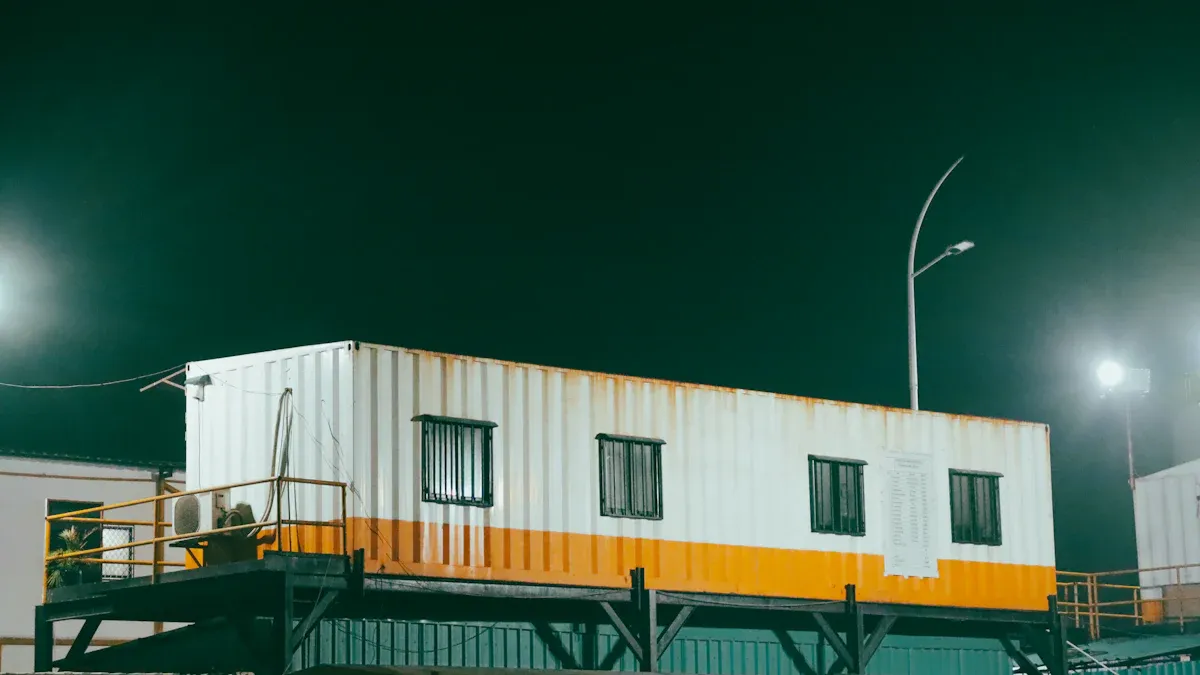
You can install plumbing and electrical systems in a container home. Careful planning helps you avoid costly mistakes and ensures that your container meets safety standards. Each container presents unique challenges, such as limited space and metal surfaces that can impact wiring or piping. Always check local codes before starting your project. If you feel unsure at any step, consider hiring a professional to protect your home and investment.
Key Takeaways
Careful planning is essential for installing plumbing and electrical systems in a container home. It helps avoid costly mistakes and ensures safety.
Always check local building codes and obtain necessary permits before starting your project. This step protects your investment and ensures compliance.
Use flexible PEX piping for plumbing to navigate tight spaces easily and resist freezing. Insulate pipes to maintain water flow in cold weather.
Plan your electrical layout carefully. Place outlets and switches where you need them most, and use energy-efficient LED lighting to reduce costs.
Regular maintenance is crucial. Inspect plumbing and electrical systems every few months to catch issues early and extend the life of your container home.
Can You Install Plumbing and Electrical in a Container Home?
Feasibility and Common Issues
You can install both plumbing and electrical systems in a container home. Many people choose a container home because it offers flexibility and a unique living space. You face some challenges when working with a container. The metal walls can make it harder to run wires and pipes. You need to think about insulation and how to protect your systems from temperature changes. You also need to plan for limited space. If you do not plan carefully, you might run into problems with leaks or electrical shorts.
Tip: Always check the condition of your container before you start. Look for rust, dents, or weak spots that could affect your installation.
Common issues include difficulty cutting through steel, finding space for pipes and wires, and making sure everything meets local codes. You must also consider how to connect your container to water and power sources. If you skip steps or ignore building codes, you risk safety problems and expensive repairs.
Overview of the Process
You need to follow a clear process to install systems in your container home. Here is a simple overview:
Assess your needs for water, waste, and electricity in your container home.
Research local building codes and get the right permits for your container project.
Prepare your container by cutting openings for pipes and wires. Frame these areas to prevent leaks and damage.
Plan your waste disposal system. You can use a septic tank or a composting toilet, depending on your location.
Install hot water systems in a way that fits your container’s layout.
Check your systems regularly for leaks or problems. Maintenance helps your container home last longer.
You can create a safe and comfortable container home if you follow these steps. Careful planning and attention to detail make the process easier and help you avoid common mistakes.
Planning and Code Compliance for Container Homes

Assessing Needs and Layout
You need to start your container home project with a clear plan. Think about how you will use each space in your container. Decide where you want your kitchen, bathroom, and laundry area. These choices affect where you will run plumbing and electrical lines. You should sketch a layout of your container. Mark the spots for sinks, toilets, showers, and appliances. This step helps you avoid mistakes later.
Tip: Plan your plumbing and wiring routes before you cut or drill into your container. This will help you protect the structure and insulation.
You should also consider the size of your water heater and the number of outlets you need. If you want to add solar panels or a rainwater collection system, include these in your plan. Careful planning makes your container home more comfortable and efficient.
Permits and Local Codes
You must check your local building codes before you start any work on your container. Many cities and counties have rules for plumbing and electrical systems in a container home. You may need to get permits before you begin. These permits show that your project meets safety standards.
Make a checklist of the permits you need. Contact your local building department for information. Some areas require inspections at different stages of your project. You should schedule these inspections to avoid delays.
Why permits matter:
They ensure your container home is safe.
They help you avoid fines or legal problems.
They make it easier to sell or insure your home in the future.
You should keep all your paperwork in one place. This will help you stay organized during your container project.
Materials, Tools, and Container Preparation
Essential Materials (e.g., PEX Piping)
Choosing the right materials for your container home project makes installation smoother and helps prevent future problems. PEX piping stands out as a top choice for plumbing because it bends easily and resists freezing. You can run PEX through tight spaces without worrying about cracks or leaks. For electrical work, you need products that protect your system and keep it safe in a metal container.
Here is a table showing recommended materials for plumbing and electrical installations in a container home:
Tip: Use thermal insulation around plumbing pipes to keep water flowing even in cold weather.
Preparing the Container (Portals, Insulation Integration)
You need to prepare your container before you install plumbing or electrical systems. Cut portals at the base or ceiling for pipes and cables. This method protects the insulation and keeps the structure strong. Avoid running plumbing through the walls because it can damage insulation and weaken the container.
Integrating plumbing and electrical systems with insulation is a common modification in container homes. You can use insulation panels like InSoFast to create a barrier between the metal and your systems. This step helps maintain temperature and prevents condensation. Always plan your routes for pipes and wires before you start cutting. Mark the locations for each portal to avoid mistakes.
Run plumbing through the floor or ceiling, not the walls.
Use insulation panels to protect both plumbing and electrical systems.
Plan all routes before making any cuts in the container.
You create a safer and more efficient container home when you follow these steps. Careful preparation saves you time and money during installation.
Plumbing and Electrical Installation in Container Buildings
Plumbing Steps (Water, Waste, Hot Water)
When you install plumbing in container homes, you need a clear plan for water supply, waste removal, and hot water delivery. Start by mapping your plumbing layout based on your container home designs. Place your kitchen, bathroom, and laundry close together to reduce the length of pipes. This approach lowers costs and makes maintenance easier.
For water supply, use PEX piping because it bends around corners and resists freezing. Modular construction methods allow you to pre-assemble sections of your plumbing system before installation. Prefabricated plumbing solutions can save time and reduce errors. Always install plumbing through the floor or ceiling of your container. Avoid running pipes through the walls, as this can damage insulation and weaken the structure.
When you handle waste, choose between a septic tank or a composting toilet. Many shipping container homes use modular waste solutions that fit under the container. Make sure your waste pipes slope downward to prevent clogs. Use thermal insulation around pipes to protect against freezing temperatures, especially in modern container homes located in colder climates.
Hot water systems in container dwellings often use tankless heaters. These units save space and improve energy-efficiency. Place your hot water heater near the main water use points to reduce heat loss. Prefabricated hot water solutions can integrate with your modular plumbing system for a seamless installation.
Tip: Always test your plumbing installation for leaks before closing up floors or ceilings. Early detection saves you from costly repairs later.
Do's and Don'ts for Plumbing Installation
Do: Use flexible PEX piping for easy routing.
Do: Insulate all water pipes.
Do: Plan your plumbing needs before starting construction.
Don't: Run plumbing through container walls.
Don't: Ignore local plumbing codes or skip permits.
Don't: Overlook the importance of proper waste management.
Electrical Setup (Wiring, Outlets, Safety)
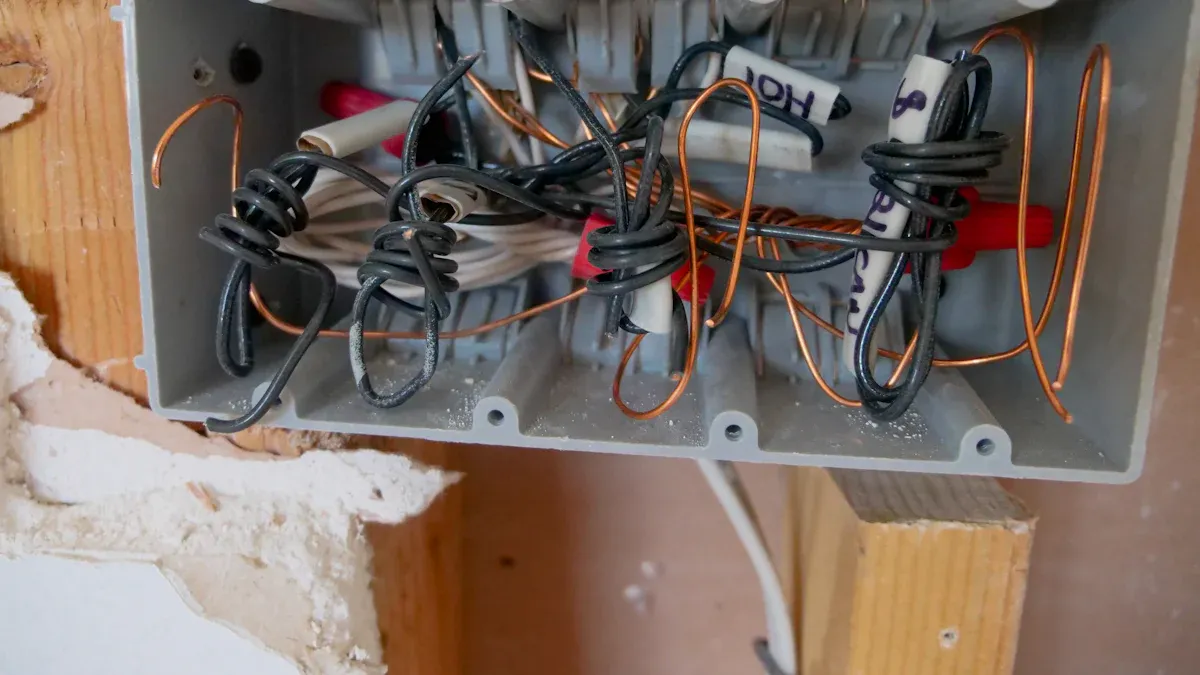
Electrical installation in container homes requires careful planning and strict adherence to safety regulations. Begin by designing your wiring routes before you start construction. Place outlets and switches where you need them most, such as near workspaces and appliances. Modular and prefabricated electrical panels can simplify the process and improve safety.
You must comply with the Electrical Indoor Installations Regulation and the Electric Power Current Facilities Regulation. Proper grounding is essential. Follow the Grounding Regulation in Electrical Installations to protect your home from electrical hazards. Use halogen-free cables for added safety in your container dwelling. These cables reduce fire risks and withstand harsh conditions inside shipping container homes.
Install fuses and circuit breakers to prevent overloads. Protect all cables from water and humidity by using junction boxes and insulation products. Regularly inspect cables for damage. Never use damaged cables in your container home. Energy-efficient LED lighting is a smart choice for modern container homes. It reduces fire risk and lowers energy costs.
Safety Note: Always turn off the main power before working on electrical systems. If you feel unsure, hire a licensed electrician.
Common Electrical Hazards in Container Homes
Improper grounding and lack of protection from moisture.
Overloaded circuits due to poor design.
Use of damaged or unsuitable cables.
Absence of fuses or circuit breakers.
Failure to follow local electrical codes.
Testing, Inspection, and Maintenance
After you complete plumbing and electrical installation, you must test all systems thoroughly. Fill your water lines and check every joint for leaks. Run water through all fixtures and inspect for proper drainage. For waste systems, flush toilets and run sinks to ensure smooth flow. Inspect hot water delivery at each tap.
Test all electrical outlets and switches. Use a voltage tester to confirm safe operation. Check that all circuit breakers and fuses function correctly. Inspect grounding connections and look for signs of moisture near electrical panels.
Schedule inspections with your local building department. Many areas require official approval before you can occupy your container home. Keep all inspection records as part of your investment documentation.
Regular maintenance keeps your container dwelling safe and comfortable. Inspect plumbing and electrical systems every few months. Look for leaks, corrosion, or damaged cables. Replace worn parts promptly. Modular and prefabricated solutions make repairs easier and faster.
Maintenance Tip: Create a checklist for routine inspections. This habit protects your investment and extends the life of your container home.
When to Hire a Professional
Some tasks in container home construction require expert help. Hire a licensed plumber if you face complex plumbing installation or need to connect to municipal water and waste systems. An electrician should handle main panel installation, grounding, and any work involving high voltage.
You should also hire professionals for inspections and code compliance. Mistakes in plumbing or electrical work can lead to costly repairs, safety hazards, or failed inspections. Investing in expert help protects your home, your investment, and your peace of mind.
Callout: If you feel unsure about any step, consult a professional. Your safety and the livability of your container home depend on quality construction and reliable systems.
By following these steps, you can install plumbing and electrical systems in modular, prefabricated, and customizable container homes. Careful planning, quality materials, and regular maintenance ensure your shipping container homes remain safe, efficient, and comfortable for years to come.
You can install plumbing and electrical systems in your container home with careful planning and attention to safety. Always map out your routes, follow local codes, and test your systems. When you need help, professionals can guide you through code compliance, structural safety, and energy-efficient design.
They help you meet building codes and zoning rules.
They offer advice on structural strength, especially in areas with harsh weather.
They suggest ways to improve energy efficiency and sustainability.
Start your project with confidence and keep your home safe for years to come.
FAQ
How do you protect plumbing from freezing in a container home?
You can wrap pipes with thermal insulation. PEX piping resists freezing better than metal pipes.
Tip: Place pipes away from exterior walls and use insulation panels for extra protection.
Can you install electrical outlets anywhere in a container home?
You should plan outlet locations based on your needs and code requirements.
Place outlets near workspaces and appliances.
Avoid exterior walls to reduce moisture risks.
What is the best way to run plumbing lines in a container home?
Run plumbing through the floor or ceiling. This method protects insulation and keeps the structure strong.
Do you need permits for plumbing and electrical work in a container home?
You must get permits before starting work. Local codes require inspections for safety.
Note: Contact your building department early to avoid delays and fines.