

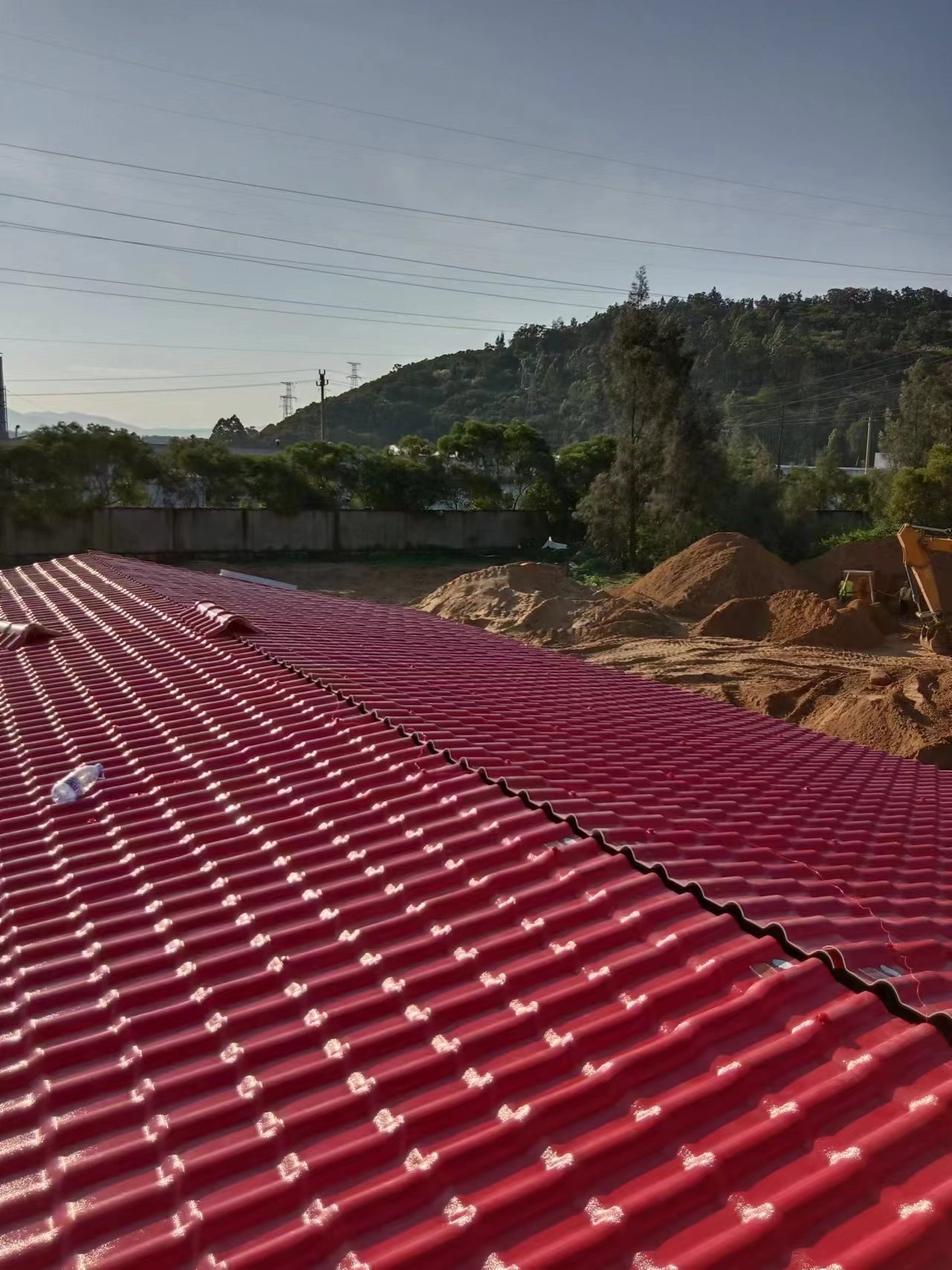
When you consider buying a folding container home, you might overlook many hidden costs that impact your final budget. Site prep, transportation, insulation, customization, and ongoing maintenance often add significant expenses beyond the sticker price. You need to understand these costs because they can turn affordable shipping container homes into expensive projects. If you plan a container home project, you must look at all these factors to avoid surprises and protect your investment in homes like these.
Key Takeaways
Understand site preparation costs. Clearing land and setting a foundation can add significant expenses to your budget.
Factor in permits and zoning fees. These costs can delay your project and increase your overall spending.
Plan for insulation and HVAC systems. Proper insulation and efficient heating/cooling can save you money on energy bills.
Budget for plumbing and electrical work. Custom installations can lead to unexpected costs, so get detailed quotes early.
Consider ongoing maintenance. Regular upkeep protects your investment and helps maintain your home's value.
Site Preparation Hidden Costs
When you plan to buy folding container homes, you need to look beyond the price tag. Site preparation often brings unexpected costs that can stretch your budget. You must prepare the land, choose the right foundation, and connect utilities before you move in. Each step adds expenses that many buyers overlook.
Land Clearing and Grading
You cannot place container homes on just any plot. You need to clear trees, rocks, and debris. Grading the land creates a level surface for your foundation. If your site has slopes or poor soil, you may pay more. Some buyers find that land clearing costs more than expected, especially in rural areas. You should ask Lanen International or your builder for a site assessment before you set your budget.
Tip: Request a detailed quote for land clearing and grading. This helps you avoid surprise expenses later.
Foundation Choices
You must select a foundation that supports your container homes. Options include concrete slabs, piers, or crawl spaces. Each type has different costs and installation steps. A strong foundation protects your home from moisture and shifting soil. If you choose a slab, you may pay more upfront, but you get better stability. Piers cost less but may not suit every site. You should compare foundation options and ask about long-term maintenance.
Utility Hookups
You need to connect water, electricity, and sewage before you can live in your container homes. Utility hookups often require trenching, permits, and inspections. If your site is far from city lines, you may need a septic system or well. These costs can add up quickly and impact your budget. Always include utility expenses in your planning.
Note: Utility hookup costs vary by location. Ask your builder for local estimates.
You must plan for these site preparation costs to avoid delays and extra expenses. Careful budgeting helps you protect your investment and enjoy your new home.
Permits and Zoning Fees
When you buy a folding container home, you must factor in the costs of permits and zoning. These fees can surprise many buyers and often add weeks or months to your timeline. You need to understand the rules in your area before you start building.
Building Permits
You cannot skip building permits. Local governments require you to get approval before you place a container home on your land. Permit fees vary by city and county. Some areas charge a flat rate, while others base fees on the size of your home. You may need to submit detailed plans and pay for engineering reviews. If you work with Lanen International, they can help you gather the right documents and avoid delays.
Tip: Start your permit application early. Delays can push back your move-in date and increase costs.
Zoning Compliance
Zoning laws control what you can build and where you can build it. You must check if your land allows for a folding container home. Some neighborhoods have strict rules about home types, sizes, and appearances. If your property does not meet these rules, you may need to apply for a variance or choose a different site.
You must obtain all necessary permits before construction.
You need to follow local zoning laws and building codes.
Rules for container homes change from one city to another, which can cause delays and extra costs.
You should contact your local planning office or ask Lanen International for guidance. They can help you understand the rules and avoid costly mistakes.
Inspections
After you get your permits, you must pass inspections. Inspectors check your foundation, electrical work, plumbing, and overall safety. Each inspection may have a separate fee. If you fail an inspection, you must fix the problem and pay for a re-inspection. These steps protect your investment but can add time and money to your project.
Note: Schedule inspections as soon as possible to keep your project on track.
Permits, zoning, and inspections are not optional. You must include these costs in your budget to avoid surprises and legal issues.
Insulation and Interior Upgrades
Insulation Needs
You need to focus on insulation when planning folding container homes. Metal walls transfer heat and cold quickly. Without proper insulation, you may face uncomfortable temperatures and higher energy bills. You can choose spray foam, rigid panels, or blanket insulation. Each type offers different benefits for your climate and budget. Lanen International often recommends spray foam because it seals gaps and prevents moisture buildup. Good insulation lowers heating and cooling costs over time. You should ask your builder about the best option for your location.
Tip: Insulate floors, walls, and ceilings to maximize comfort and energy savings.
Heating and Cooling
Heating and cooling systems play a big role in your long-term costs. You must install HVAC systems to keep your homes comfortable year-round. The initial cost for these systems can be high, but they help you save money on energy bills. The table below shows how insulation and HVAC choices affect your energy costs:
You should include HVAC installation in your budget. Ask Lanen International for advice on energy-efficient systems. They can help you choose units that match your home's size and climate.
Interior Finishes
Interior upgrades add style and comfort but also increase costs. You may want drywall, flooring, cabinets, and lighting. Each choice affects your budget. Some buyers prefer simple finishes to save money, while others invest in high-end materials. You need to balance your design goals with your budget. Lanen International can show you samples and help you compare prices. Remember, quality finishes improve your home's value and make daily living more enjoyable.
Note: Plan your interior upgrades early. This helps you avoid overspending and keeps your project on track.
Plumbing and Electrical Costs
Plumbing Installation
You need to plan for plumbing installation when you buy a folding container home. Plumbing costs can surprise you because container homes require custom solutions. You must install pipes for sinks, showers, and toilets. If your home sits far from city water lines, you may need a well or water storage tank. Plumbers often charge more for container homes because they must cut through steel walls. Lanen International recommends getting a detailed plumbing quote before you start your project.
Tip: Ask your builder if plumbing fixtures are included in your home package. This helps you avoid extra costs.
Electrical Wiring
Electrical wiring is another hidden cost you must consider. You need safe and reliable wiring for lights, outlets, and appliances. Electricians must follow local codes and may need special tools for metal containers. You should budget for the cost of a main electrical panel, circuit breakers, and wiring throughout your home. If you want smart home features or solar panels, expect higher costs. Lanen International can help you choose energy-efficient options that fit your needs.
Common electrical expenses:
Main panel installation
Outlet and switch placement
Lighting fixtures
Exterior power connections
Sewer or Septic
You must decide how to handle waste water. If your site connects to a city sewer, you pay hookup fees. If not, you need a septic system. Septic tanks and drain fields add thousands to your budget. You must follow local health codes and schedule inspections. Lanen International suggests checking local regulations before you buy land for your container home.
You must include plumbing and electrical costs in your budget. Careful planning helps you avoid delays and keeps your project on track.
Customization and Modifications
When you buy folding container homes, you may want to add personal touches or special features. Customization and modifications can make your home unique, but these changes often increase your costs. You should understand how design changes, special materials, and custom labor affect your budget.
Design Changes
You might want to change the layout, add extra rooms, or create open spaces. Each design change requires planning and skilled labor. Lanen International offers design services that help you create the look you want. If you ask for custom floor plans or special features, you pay more for engineering and construction. Some changes need extra permits or inspections. You should review your ideas with experts before you start building.
Tip: List your must-have features and share them with Lanen International. This helps you control costs and avoid last-minute changes.
Special Materials
You may want high-end finishes, eco-friendly products, or advanced insulation. Special materials cost more than standard options. For example, bamboo flooring or triple-pane windows add style but raise your budget. Lanen International can source unique materials for shipping container homes. They help you compare prices and choose options that fit your needs. You should ask for samples and price lists before you decide.
Labor for Custom Work
Custom work needs skilled labor. You pay more for workers who install special features or build custom furniture. Lanen International hires experienced teams for folding container homes. They ensure quality and safety, but custom labor increases your final bill. You should ask for a breakdown of labor costs before you approve any changes.
Note: Custom labor often takes more time. Plan for extra days in your project schedule.
Customization lets you create homes that match your style. You must budget for these upgrades and work with trusted brands like Lanen International to avoid unexpected costs.
Transportation and Delivery
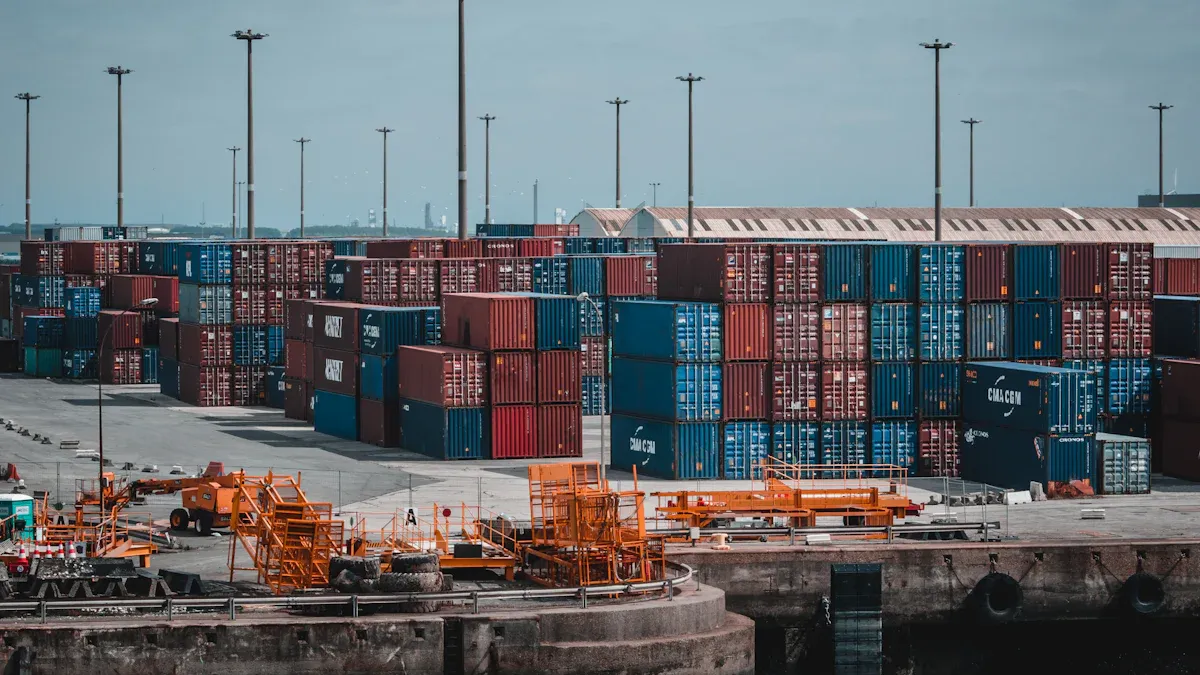
When you buy a folding container home, transportation and delivery costs often surprise you. These expenses can change based on distance, equipment, and site conditions. You need to plan for these costs to avoid budget problems.
Delivery Fees
You pay delivery fees based on how far your home travels and the size of the container. Longer distances mean higher costs. Some companies charge by the mile, while others use flat rates. You should ask Lanen International for a detailed quote before you finalize your purchase. They can help you understand what is included and what might cost extra.
Tip: Request a breakdown of delivery fees. This helps you spot hidden charges.
Crane Rental
You need a crane to lift and place your container home on the foundation. Crane rental costs depend on the size of the crane and how long you need it. You pay more if your site has limited access or if you need special equipment. Lanen International works with trusted crane operators to keep your project safe and efficient.
Common crane rental costs:
Small crane: $500 - $1,000 per day
Large crane: $1,500+ per day
Note: Schedule crane delivery early to avoid delays.
Site Access
Your site must allow trucks and cranes to reach the foundation. Narrow roads, steep driveways, or soft ground can increase costs. You may need to clear obstacles or reinforce the ground. Lanen International can assess your site and suggest improvements. Good access saves time and money.
🚚 Good site access makes delivery smoother and reduces risk of damage.
You must budget for transportation and delivery costs. Careful planning with Lanen International helps you avoid delays and unexpected expenses.
Exterior Upgrades
Upgrading the exterior of your folding container home protects your investment and improves comfort. You need to consider roofing, siding, windows, doors, and weatherproofing. These upgrades often add hidden costs that many buyers miss.
Roofing and Siding
You cannot rely on the original container roof for long-term protection. Most container roofs are flat and thin. You may face leaks or heat loss without proper upgrades. You should install a pitched roof or add extra layers for better drainage and insulation. Siding also helps your home blend with the neighborhood and shields the metal from weather.
Common Roofing and Siding Options:
Tip: Ask Lanen International for advice on roofing and siding that fit your climate and budget.
Windows and Doors
Standard container doors and windows do not provide enough insulation or security. You need to install energy-efficient windows and sturdy doors. These upgrades improve comfort and safety. Custom sizes or high-performance glass increase costs. You should choose windows and doors that match your design and local weather.
Double-pane windows reduce heat loss.
Reinforced doors boost security.
Custom shapes or sizes cost more.
Weatherproofing
Weatherproofing protects your home from rain, wind, and extreme temperatures. You need to seal all seams and joints. High-quality caulking and weatherstripping prevent leaks and drafts. You may also add exterior coatings to stop rust and corrosion.
🚨 Note: Proper weatherproofing extends the life of your container home and lowers maintenance costs.
You should work with experts like Lanen International to select the right materials and methods for your location. Careful planning for exterior upgrades helps you avoid costly repairs in the future.
Landscaping and Outdoor Additions
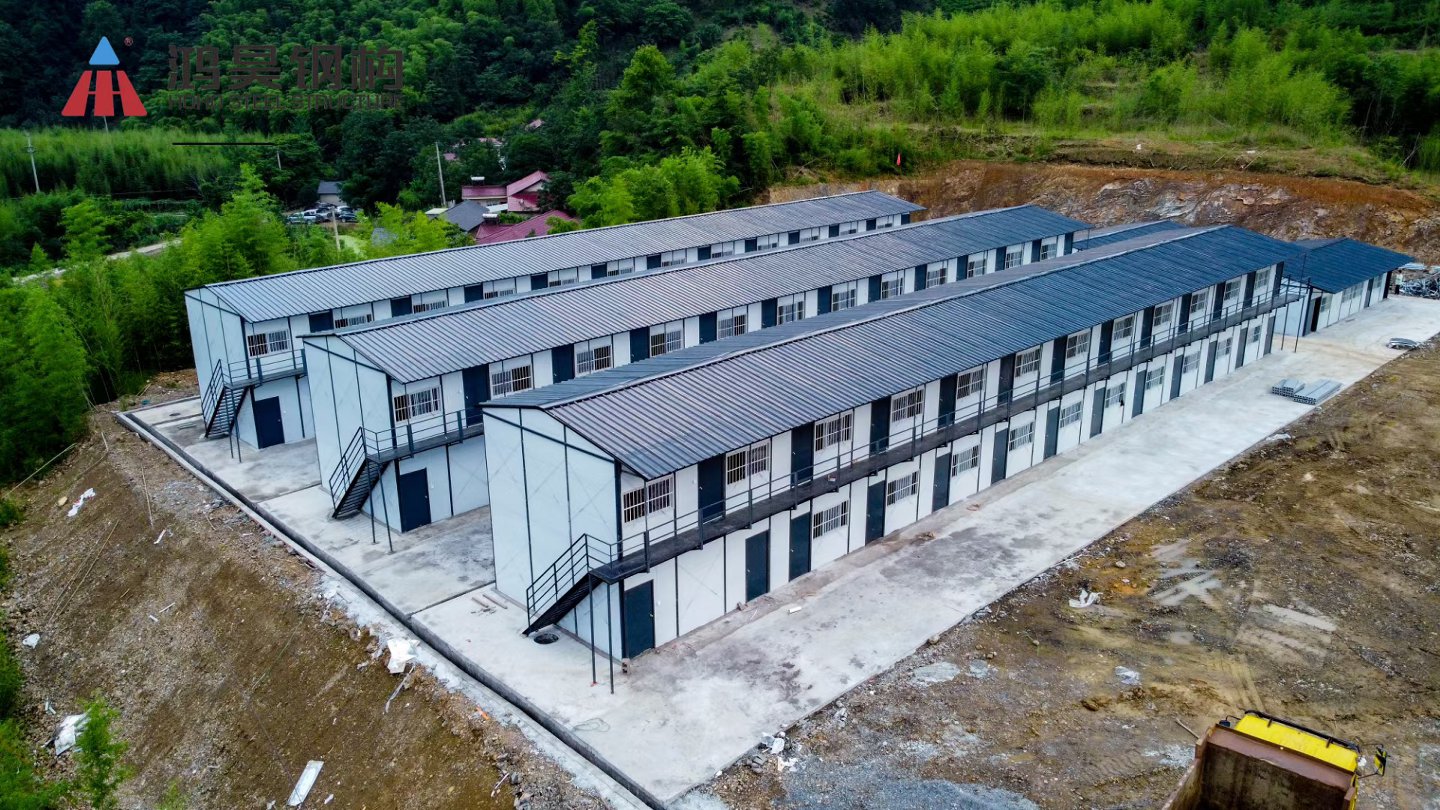
When you buy a folding container home, you need to think about the outdoor space. Landscaping and outdoor additions can add comfort and value, but they also bring extra costs. Many buyers forget to budget for these features.
Driveways and Walkways
You need a solid driveway for vehicle access. Gravel is the most affordable option, but concrete or pavers last longer and look better. Walkways help you move safely around your property. You may need to clear land, lay a base, and install edging. Costs depend on materials and the length of the path.
Tip: Ask Lanen International for advice on driveway materials that match your climate and budget.
Decks and Patios
You may want a deck or patio for outdoor living. These spaces give you room to relax, entertain, or enjoy nature. Wood decks cost less but need regular sealing. Composite decks last longer but cost more. Patios made from stone or concrete offer a solid surface and require less maintenance.
Wood deck: $15 - $35 per sq ft
Composite deck: $25 - $45 per sq ft
Stone or concrete patio: $10 - $30 per sq ft
You should plan your deck or patio size before you start building. Lanen International can help you design outdoor spaces that fit your needs.
Fencing
Fencing adds privacy and security. You can choose wood, vinyl, or metal. Each type has different costs and maintenance needs. Local rules may require permits for fences over a certain height.
Wood fencing gives a classic look but needs painting.
Vinyl fencing resists weather but costs more.
Metal fencing offers strength and lasts many years.
Note: Check with Lanen International for fencing options that meet local codes and your style.
Landscaping and outdoor additions improve your home's function and appearance. You should include these costs in your budget to avoid surprises.
Folding Container Home Maintenance
Rust Prevention
You need to protect your folding container home from rust. Steel walls in shipping container homes can develop rust if you do not maintain them. Moisture, rain, and scratches speed up corrosion. You should inspect the exterior at least twice a year. Look for chipped paint or exposed metal. Use a wire brush to remove rust spots, then apply a rust-inhibiting primer and paint. Lanen International recommends using marine-grade coatings for extra protection. This step helps you avoid expensive repairs later.
Tip: Keep gutters and drains clear to prevent water from pooling near your home.
Repairs and Upkeep
Shipping container homes require regular upkeep. You may need to fix dents, replace seals, or adjust doors and windows. Small problems can grow into big expenses if you ignore them. Create a maintenance checklist and follow it every season. Check for leaks, inspect insulation, and test your HVAC system. If you notice any issues, contact a professional or your builder. Lanen International offers support for repairs and can recommend trusted contractors. Staying on top of repairs helps you control costs and protect your budget.
Common maintenance tasks:
Touch up paint
Lubricate door hinges
Inspect roof and siding
Clean air filters
Resale Value
You should think about resale value when you invest in shipping container homes. Well-maintained homes attract more buyers and sell for higher prices. Keep records of all repairs and upgrades. Buyers want proof that you cared for your property. Upgrades like energy-efficient windows or new siding can boost value. Lanen International can advise you on improvements that increase resale potential. Good maintenance protects your investment and helps you recover expenses if you decide to sell.
Note: A clean, well-kept folding container home stands out in the market.
Unexpected Hidden Costs
When you plan your folding container home, you may think you have covered every detail. Many buyers still face hidden costs that appear late in the project. You need to know about these extra expenses so you can protect your budget and avoid stress.
Change Orders
You might want to change your design or add features after construction begins. These changes are called change orders. Each change order can lead to new materials, extra labor, and more time on the job. Even small changes can create hidden costs that add up quickly. For example, if you decide to move a wall or upgrade your kitchen, you pay for new plans and extra work. Lanen International recommends finalizing your design before building starts. This step helps you control costs and keeps your project on schedule.
Insurance and Financing
You need insurance to protect your investment. Some insurance companies do not cover folding container homes, or they charge higher premiums. You may need special policies for non-traditional structures. Financing can also bring hidden costs. Some banks do not offer loans for container homes, or they require higher down payments. You should talk to your lender and insurance agent early. This helps you avoid surprises and plan for all costs.
Tip: Ask Lanen International for a list of lenders and insurers who work with container homes.
Project Delays
Project delays are common in construction. Bad weather, permit issues, or late deliveries can slow your timeline. Each delay can lead to hidden costs, such as extra rent, storage fees, or higher labor charges. You should build extra time into your schedule and keep in touch with your builder. Good planning helps you handle unexpected costs and finish your home on time.
Here is a list of the most frequent unexpected costs in folding container home projects:
Site preparation and foundation
Permits and zoning
Insulation and climate control
Plumbing and electrical work
Interior finishing and fixtures
Exterior modifications and weatherproofing
Transportation and delivery
Landscaping and outdoor spaces
Maintenance and longevity
Unexpected costs
You can reduce hidden costs by working with experienced brands like Lanen International. Careful planning and clear communication help you avoid surprises and enjoy your new home.
You face many hidden costs when you buy a folding container home. These expenses can affect your total investment and your long-term satisfaction. You should plan for site preparation, permits, insulation, and ongoing maintenance. Consult experts like Lanen International to avoid mistakes. Careful budgeting and research help you make smart choices about your folding container home. Always review every detail before you start your folding container home project.
Tip: Create a checklist for each step to keep your folding container home project on track.
FAQ
What hidden costs surprise most buyers of folding container homes?
You often overlook site preparation, utility hookups, and permit fees. These costs can add thousands to your budget. Lanen International helps you identify these expenses early so you can plan better.
How do I estimate transportation and delivery costs?
You should ask for a detailed quote from Lanen International. Delivery fees depend on distance, site access, and crane rental. Always check if your location needs special equipment or extra permits.
Can I customize my folding container home without breaking the bank?
You can choose affordable upgrades by sharing your must-have features with Lanen International. They help you compare materials and labor costs. Avoid last-minute changes to keep your project within budget.
Do folding container homes require special maintenance?
You need to inspect for rust, repair seals, and maintain insulation. Regular upkeep protects your investment. Lanen International recommends a seasonal checklist to help you avoid expensive repairs.
Will my folding container home hold its resale value?
You increase resale value by keeping records of upgrades and maintenance. Energy-efficient improvements and quality finishes attract buyers. Lanen International offers advice on features that boost market appeal.