


You can expect to pay around $300 to ship a folding container house from China to the US. This cost covers one container and can include up to six houses, making shipping highly affordable. Folding container houses offer significant savings—over 70% compared to traditional prefab units. Prices vary based on size and customization. The table below shows typical price ranges you might see:
Shipping fees may change depending on your supplier and arrangement. Always request an exact quote before you place your order.
Key Takeaways
Shipping a folding container house from China to the US costs around $300, covering one container with up to six houses.
Understanding shipping methods and terms like FOB, CFR, and CIF helps you avoid hidden fees and clarify responsibilities.
Consolidating orders allows you to fit more units in one container, reducing the cost per house significantly.
Shipping costs fluctuate based on peak seasons; planning your shipment during off-peak times can save you money.
Always budget for additional fees like customs duties, insurance, and inland transportation to avoid unexpected expenses.
Folding Container House Shipping Cost Factors
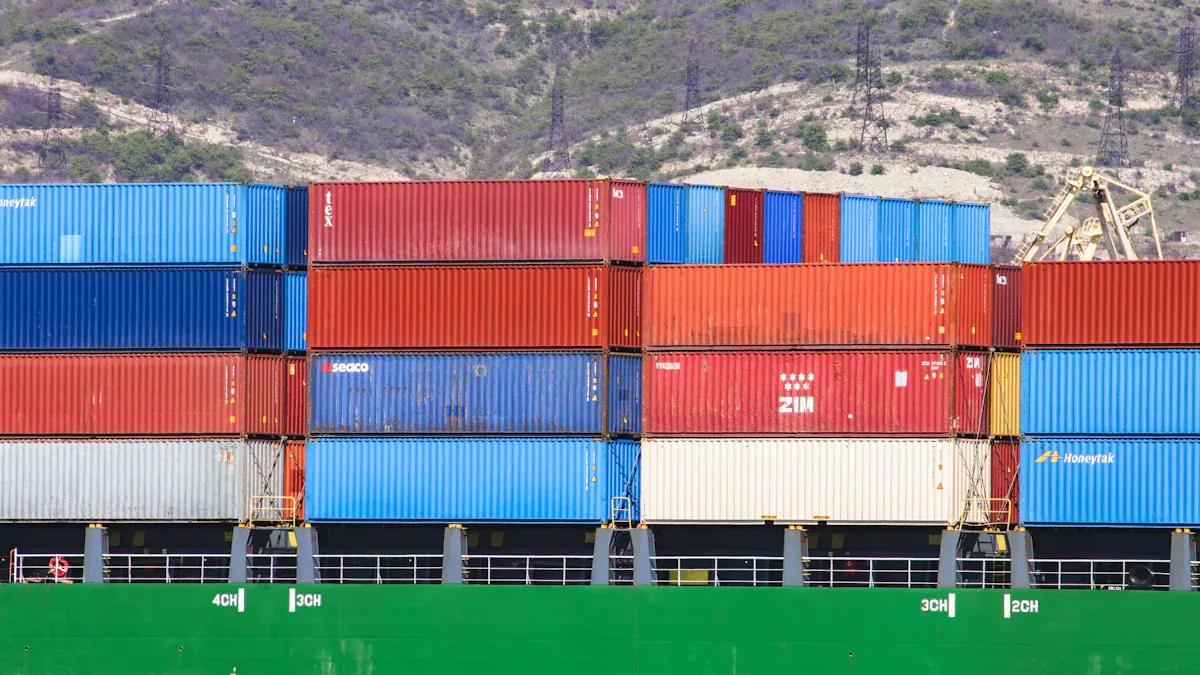
When you plan to import a folding container house from China, several factors will influence your total shipping cost. Understanding these elements helps you make informed decisions and avoid unexpected expenses.
Destination and Distance
Your shipping destination plays a major role in determining the final cost. Shipping a folding container house to the United States, Europe, or Africa will each have different rates. Longer distances usually mean higher freight charges. Some countries also have higher port fees or stricter customs regulations, which can add to your expenses. Always check the specific requirements and costs for your destination before placing an order.
Shipping Method
You can choose from several shipping methods, such as sea freight, rail, or air. Most buyers select sea freight because it offers the best value for large and heavy items like a folding container house. Air freight is much faster but costs significantly more, making it less practical for container homes. Rail shipping is an option for certain regions, especially within Eurasia, but it is less common for intercontinental shipments.
Shipping terms also affect your total cost. The most common terms include FOB, CFR, and CIF. Each term defines who pays for which part of the shipping process. The table below explains the differences:
You should always clarify the shipping term with your supplier to understand your responsibilities and avoid hidden fees.
Container Size and Quantity
The size and number of folding container houses you order will impact your shipping cost. A standard shipping container can hold up to six folding container houses because of their flat-pack design. This efficient packing method reduces both loading and unloading costs. You save money compared to shipping traditional prefab units, which take up more space and require more handling.
Flat-pack design allows you to fit more units per container.
You pay less per house when you ship in bulk.
Loading and unloading are faster and cheaper.
If you order only one or two units, your cost per house will be higher than if you fill a container. Consider consolidating your order to maximize savings.
Season and Market Rates
Shipping costs change throughout the year. Peak seasons, such as the months before major holidays or during global trade surges, often see higher freight rates. Market conditions, fuel prices, and global events can also affect shipping fees. Planning your purchase during off-peak times can help you secure better rates.
Tip: Ask your supplier about current market rates and the best time to ship your folding container house. This can help you avoid unnecessary expenses.
A folding container house remains one of the most cost-effective options for international buyers. The flat-pack design and efficient shipping methods offer over 70% savings compared to traditional prefab structures. By understanding these cost factors, you can better plan your purchase and avoid surprises.
Folding Container House Cost Breakdown
When you plan your budget for a folding container house, you need to understand all the cost components involved in shipping. Each part of the process adds to your total expense. Here is a breakdown of the main fees you should expect:
Freight Charges
Freight charges make up the core of your shipping cost. For most buyers, the average cost to ship a folding container house from China to the US is about $300 per container. This price usually covers sea freight, which is the most cost-effective method for large items. You can fit up to six folding container houses in one standard shipping container because of their flat-pack design. If you order more units, your cost per house drops. For example, if you ship six houses together, the freight charge per house is only about $50. This efficient packing method gives you a big advantage over traditional prefab homes.
Port and Handling Fees
Once your shipment arrives at the destination port, you will pay port and handling fees. These charges cover unloading, storage, and paperwork at the port. The amount varies by country and port, but you should expect to pay between $100 and $500 per container. Some ports charge extra for faster service or for handling oversized cargo. You should ask your supplier or freight forwarder for a detailed quote that includes these fees.
Customs Duties and Taxes
Every country has its own rules for customs duties and taxes. When you import a folding container house, you must pay these charges before you can collect your shipment. The rate depends on the declared value of your goods, which usually falls within the $1,700–$9,500 price range per house. Customs duties can range from 0% to 10% or more, depending on your country’s regulations. You may also need to pay value-added tax (VAT) or sales tax. Always check with your customs broker or local authorities to avoid surprises.
Note: Customs clearance can take extra time if you do not prepare the right documents. Make sure you have all invoices, packing lists, and certificates ready.
Insurance
Shipping insurance protects your investment during transit. Most suppliers offer basic coverage, but you can buy extra insurance for peace of mind. The cost usually ranges from 0.5% to 2% of the total value of your folding container house. For example, if your house costs $5,000, insurance might add $25 to $100 to your total bill. Insurance covers risks like damage, loss, or theft during shipping.
Inland Transportation
After your folding container house clears customs, you need to move it from the port to your final site. Inland transportation costs depend on the distance, road conditions, and the size of your shipment. You might pay $200 to $1,000 or more for delivery within the same country. If your site is far from the port or hard to reach, costs can rise. Some suppliers, such as Lanen International, can help you arrange inland transport for a smoother process.
Frequently Overlooked Fees
Many buyers forget to budget for extra charges that can appear during the shipping process. These often include:
Permit fees
Inspection charges
Transportation and delivery charges
Extra work due to site challenges or design changes
You should set aside at least 10% of your budget as a contingency fund. This helps you handle any unexpected costs without stress.
Tip: Careful planning and clear communication with your supplier can help you avoid most hidden fees.
By understanding each part of the cost breakdown, you can make smarter choices and avoid surprises when importing a folding container house.
Estimating Your Shipping Cost
Calculation Steps
You can estimate your shipping cost for a folding container house by following a clear process. Start by listing all major expenses. These include the purchase price, freight charges, port fees, customs duties, insurance, and inland transportation. Add modification costs, interior finishes, site work, and utility connections. Set aside at least 10% of your budget for unexpected expenses. Use this ordered approach:
Determine the purchase price of your container house.
Calculate freight charges based on the number of units and shipping method.
Add port and handling fees for your destination.
Estimate customs duties and taxes using your country’s rates.
Include insurance for transit protection.
Plan for inland transportation from the port to your site.
Factor in modification, interior, site work, and utility costs.
Reserve a contingency fund for unforeseen costs.
Example Estimate
Suppose you want to import six folding container houses from China to the US. Each house costs $5,000. Freight charges total $300 per container. Port fees add $200. Customs duties are 5% of the declared value. Insurance costs 1% of the total value. Inland transportation is $600. Modification and site work add 30% to your budget. You set aside 10% for contingency. Your calculation looks like this:
Tools and Resources
You can use online calculators and guides to simplify your estimate. Try the Cost Calculator at Yichen Container House for quick calculations. Review guides on container house costs to help with budgeting. Contact suppliers like Lanen International for personalized quotes and advice. These resources help you include all cost components and avoid missing important fees.
Tip: Always compare quotes from multiple suppliers and use online tools to double-check your budget.
Tips to Save on Shipping
Consolidate Orders
You can save a lot on shipping by consolidating your orders. The foldable design of folding container houses allows you to flat-pack multiple units into a single shipping container. This efficient use of space means you pay less per house when you ship more at once. For example, you can fit up to six houses in one standard container. The portable fold out container house also stacks easily, so you reduce transportation expenses while still getting a full-sized living space. If you plan your purchase with friends or business partners, you can share a container and split the shipping cost. This strategy works best when you coordinate with your supplier to maximize container space.
Tip: Ask your supplier how many units fit in one container and try to fill it completely for the lowest cost per house.
Choose Optimal Timing
Shipping rates change throughout the year. You can avoid high costs by choosing the right time to ship. Peak seasons, such as before major holidays or during global trade surges, often see higher freight rates. If you schedule your shipment during off-peak months, you may secure better rates and faster service. You should also watch for changes in fuel prices and global events that affect shipping fees. Planning ahead gives you more options and helps you avoid last-minute price spikes.
Negotiate with Suppliers
You should always negotiate with your supplier or freight forwarder. Many suppliers, including Lanen International, offer flexible shipping solutions and may provide discounts for bulk orders or repeat customers. You can ask for a detailed quote that includes all fees, so you know exactly what you will pay. If you compare offers from different suppliers, you can often find better deals. Good communication helps you avoid hidden charges and ensures a smooth shipping process.
Note: Building a strong relationship with your supplier can lead to better service and lower costs over time.
You face several cost factors when importing a folding container house. The table below highlights the main ones:
Use the estimation steps and reach out to suppliers like Lanen International for accurate quotes. Folding container houses help you save money, but you should understand every fee before you buy.
FAQ
How many folding container houses fit in one shipping container?
You can fit up to six folding container houses in one standard shipping container. The flat-pack design makes this possible. This method helps you save on shipping costs.
Do I need a customs broker to import a folding container house?
You do not need a customs broker, but hiring one helps. A broker guides you through paperwork and regulations. This reduces delays and avoids mistakes.
Can I track my shipment during transit?
Most suppliers provide tracking information. You can follow your container’s journey online. Ask your supplier, such as Lanen International, for tracking details before shipping.
What documents do I need for customs clearance?
You need these documents:
Commercial invoice
Packing list
Bill of lading
Import permits (if required)
Tip: Prepare all documents before your shipment arrives to avoid extra fees.
Are folding container houses safe for all climates?
Folding container houses work in many climates. You can add insulation, heating, or cooling systems for comfort. Ask your supplier about options for your location.