


Dreaming of a container house office that actually boosts your productivity? You can transform even the smallest container into a smart office space with the right practical tips and clever design ideas. Practical tips help you dodge clutter and make every inch count. Design ideas spark inspiration for a setup that fits your work style. With thoughtful workspace planning, your container house office becomes more than just a box—it turns into a creative hub. Practical tips and design ideas keep you focused and comfortable in your container house office.
Key Takeaways
Choose a high-quality container to ensure durability and safety. Look for features like insulation and solar integration to enhance comfort and efficiency.
Plan your office layout carefully. Define work and storage zones to avoid clutter and maximize space. Use natural light and ventilation to create a pleasant environment.
Set a realistic budget and timeline for your project. Include all costs and allow for unexpected expenses to keep your project on track.
Invest in ergonomic furniture to support comfort and productivity. Choose adjustable desks and chairs that fit your body and work style.
Incorporate eco-friendly materials and smart technology. This approach not only benefits the environment but also enhances the functionality of your container office.
Planning Your Container House Office
Choosing a High-Quality Container
You want your container office to last for years and keep you safe. That starts with picking a high-quality container. Not all containers are created equal. Some have hidden rust or weak spots that can cause trouble later. You should look for a container that’s strong, weather-resistant, and built for long-term use. Lanen International stands out as a trusted brand. Many people choose their containers for office conversions because they’re known for durability and reliability.
When you compare options, check for features that boost comfort and efficiency. Here’s a quick look at what matters most:
You also want to make sure your container meets all safety standards. Look for fire protection features and check that the container follows all legal safety requirements. Safety certifications matter, too. Here are the main ones to look for:
Choosing the right container sets the foundation for a safe, comfortable, and efficient workspace. You’ll thank yourself later for investing in quality.
Mapping Space and Setting Goals
Before you start building your container house office, you need a clear plan. Think about how you’ll use the space every day. Will you work alone, or do you need room for a team? Do you want a meeting area, or just a quiet spot for focused work? Write down your goals. This helps you avoid wasted space and makes your office fit your needs.
Start by measuring your container. Most people use these standard sizes for container offices:
You can use a 20-foot container for a small office or a 40-foot high-cube for more headroom. If you need more space, you can connect several containers to create a larger container home office. Customization is key. You can design your floor plans to include workstations, meeting areas, or even a break room.
When you plan your space, think about these aspects:
You can boost air quality and comfort by adding windows and vents. Natural light makes your container office feel bigger and more inviting. Good ventilation keeps the air fresh and reduces energy costs. When you map out your floor plans, focus on flexibility. Modular furniture and movable walls let you change your layout as your needs grow.
Tip: Sketch your floor plans on paper or use free online tools. Try different layouts until you find one that matches your workflow.
Budget and Timeline
You don’t want your container house office project to stall halfway through. Setting a realistic budget and timeline keeps everything on track. Start by listing all the costs. Include the price of the container, delivery, site preparation, insulation, windows, doors, and interior finishes. Don’t forget about permits and safety inspections.
Here’s a simple checklist to help you plan your budget:
Container purchase or rental
Delivery and setup
Site preparation (foundation, leveling)
Insulation and climate control
Windows, doors, and security features
Electrical and plumbing
Interior finishes and furniture
Permits and inspections
Contingency fund (for surprises)
You should also set a timeline for each step. Prefabricated containers can cut build time by over 40%, so you might finish faster than with traditional construction. Still, delays can happen. Weather, shipping, or permit issues can slow things down. Build in extra time for unexpected problems.
Note: Track your spending and progress as you go. Adjust your plan if costs rise or tasks take longer than expected.
When you plan your space, budget, and timeline, you set yourself up for a smooth project. You’ll avoid stress and get your container home office up and running faster. Careful planning means you can focus on what matters—creating a productive, comfortable workspace that fits your style.
Functional Container Office Layout
Zoning for Work and Storage
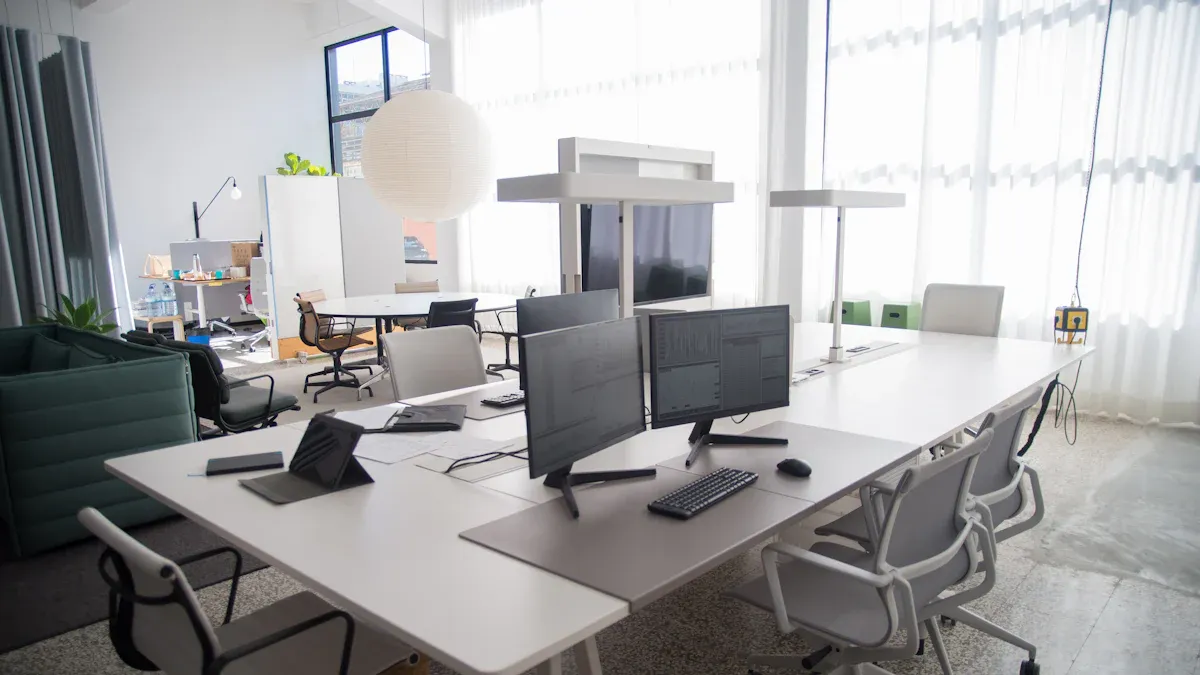
You want your container office to feel organized, not cramped. Start by dividing your space into clear zones. Create a work area where you can focus and a storage zone for supplies or files. This kind of configuration helps you keep clutter away from your desk. You can use shelving, cabinets, or even a small partition to separate these zones. If you like an open-concept layout, try using furniture to define each area instead of walls. This approach keeps the interior layout flexible and makes your office feel bigger.
Tip: Place your work zone near windows for natural light. Put storage along one wall to keep walkways clear.
Maximizing Vertical Space
A container office has limited floor space, but you can make the most of it by looking up. Use the height of your walls for storage. Here’s how you can boost your storage capacity:
Stack storage containers to use every inch of vertical space.
Choose stackable containers designed for vertical storage.
Organize your containers so you can reach what you need without moving everything.
Add shelving units to support stacked containers and make access easy.
This configuration lets you store more without taking up valuable floor space. You get a functional layout that feels open and efficient.
Efficient Traffic Flow
A smart interior layout keeps you moving easily from one area to another. Think about how you walk through your office. Avoid putting furniture in the middle of pathways. Make sure you have clear routes between your desk, door, and storage. This kind of configuration prevents overcrowding and helps your office feel comfortable. When you plan your layout, you create an efficient container office that supports your workflow.
If you want a truly efficient container office, focus on how each configuration supports your daily routine. A well-planned layout means less stress and more productivity.
Space-Saving Furniture for Container Offices
Ergonomic Desks and Chairs
You spend hours at your desk in your container office, so comfort matters. Good container office design always starts with ergonomic furniture. You want desks and chairs that support your body and help you stay focused. Ergonomic workstations adapt to your needs and keep you safe. They also reduce physical strain and boost productivity.
Here are some ergonomic standards to keep in mind:
Choose adjustable chairs and desks for your container office.
Make sure your workspace fits your body and work style.
Following ergonomic guidelines in your container office design helps you avoid aches and pains.
Tip: Test different setups before you commit. Your comfort shapes your productivity.
Modular and Multi-Use Pieces
Container office design thrives on flexibility. Modular furniture lets you change your layout as your needs shift. You can move, stack, or reconfigure pieces to create new zones or open up space. This approach adds functionality and keeps your container office feeling fresh.
Check out these popular modular options:
Multi-use pieces, like fold-out desks or storage ottomans, give you more from every square foot. You can turn a meeting table into a workbench or use a bench with hidden storage. This style of container office design makes every piece count.
Smart Storage Solutions
Smart storage is the secret to a tidy container office. You want solutions that adapt as your team grows or your work changes. Modular storage systems let you expand or rearrange as needed. They support hybrid work models and help you save on rental costs.
Here’s what makes smart storage work in container office design:
Organize your supplies with shelves, bins, and wall-mounted racks.
Use vertical storage to free up floor space in your container office.
Smart storage boosts functionality and keeps your container office design clutter-free.
Note: The right storage makes your container office flexible and ready for anything.
Lighting, Ventilation, and Insulation
Creating a comfortable container office starts with smart choices for lighting, ventilation, and insulation. These features shape worker comfort and productivity every day. You want your space to feel bright, fresh, and energy efficient, no matter the season.
Natural Light and Window Placement
Natural light can boost your mood and help you stay focused. In your container office, place desks near windows to soak up daylight. Use light-colored walls to reflect sunlight and make the space feel bigger. Sheer curtains or blinds let you control glare without blocking brightness. Mirrors also help bounce light around, creating a cheerful vibe.
Natural light enhances mood and productivity.
Positioning desks near windows maximizes light exposure.
Light colors reflect natural light throughout the workspace.
Sheer curtains or blinds control glare while allowing brightness.
Mirrors can reflect light, creating a brighter atmosphere.
When you plan window placement, think about which direction your windows face. South-facing windows usually bring in more daylight. A higher window-to-wall ratio on upper floors means more light. If your container office sits on the first floor or faces north, add extra windows or use glass doors to improve indoor-outdoor flow.
Artificial Lighting Choices
You need good lighting even after the sun goes down. LED lamps work best for a container office. They use only a tenth of the energy that old bulbs need and last over 10,000 hours. This choice saves money and supports energy efficiency.
Tip: Mix overhead LEDs with desk lamps for a balanced, glare-free workspace.
Ventilation and Air Quality
Fresh air keeps your container office healthy. Mechanical ventilation systems remove pollutants and control humidity. High-performance air purifiers and supply air filters also help. These upgrades give you cleaner air and a more comfortable place to work.
Insulation Materials and Climate Control
Insulation matters for comfort and energy bills. PU sandwich panels offer top thermal performance. Their low thermal conductivity keeps your container office cool in summer and warm in winter. Lanen International often uses these panels for reliable, eco-friendly results.
Good insulation and climate control mean you stay comfortable and save on energy costs.
Privacy, Security, and Comfort in Container Offices
Soundproofing and Noise Control
You want your container office to feel calm and private, even if you work in a busy area. Noise can distract you and lower your focus. You can use several smart techniques to keep things quiet:
Add wall panels or ceiling sails to absorb sound.
Hang curtains or lay down carpets to soften noise.
Place free-standing acoustic screens or privacy panels where you need extra quiet.
Try acoustic ceilings or suspended ceilings for even better sound control.
Use upholstered furniture or acoustic boxes for quiet zones.
These solutions help you create a peaceful workspace. You can move some elements around as your needs change. That flexibility makes your office more comfortable and productive.
Secure Doors and Windows
Security matters in any office, but it’s even more important in a container setup. You want to protect your equipment and keep your space safe. Here are some top features to look for:
You can add these features to your Lanen International container office for extra peace of mind. Strong locks and window bars keep your workspace secure, even when you’re away.
Climate Control Systems
Comfort is key if you want to stay productive all year. Modern container offices come with advanced climate control options. You can choose systems that fit your needs and budget. Here’s what to look for:
Many offices, like those from Lanen International, include air conditioning and modern insulation. You get a workspace that feels good in every season. That means you can focus on your work, not the weather.
Personalizing Your Container Office Design
Color Schemes and Decor
You want your office to feel like your own space, not just a metal box. The right colors and decor can make a huge difference. Some colors help you focus and keep stress low. Try these options for your walls, furniture, or accents:
Blue and green shades create a calming vibe and help you concentrate.
Warm neutrals and earthy tones make the space feel cozy and welcoming.
Soft greens and soothing blues set a peaceful mood.
A calming palette with green and blue can help you relax and stay sharp.
Add plants, artwork, or a rug to show off your style. You can even hang up a whiteboard or corkboard for notes and inspiration. These touches turn your container into a stylish shipping container office that feels both personal and professional.
Integrating Technology
Smart tech can boost your productivity and keep your office running smoothly. You have lots of options for making your workspace more efficient. Here’s a quick look at some top choices:
You can choose the tech that fits your needs best. Lanen International offers container offices that support many of these upgrades, so you can work smarter every day.
Custom Features for Functionality
You can add custom features to make your office work better for you. Here are some ideas to get you started:
Lighting: Mix natural and artificial light for a bright workspace.
Insulation: Use thermal and acoustic insulation for comfort and quiet.
Furniture Selection: Pick ergonomic, multi-purpose furniture to save space.
Design Elements: Add modern touches that show off your brand’s personality.
Ventilation: Make sure you have good airflow for fresh air.
Privacy: Use partitions or panels to create private spots.
Outdoor Space: Set up a small outdoor area for breaks or meetings.
Building Codes: Always follow local rules and regulations.
Sustainability: Choose eco-friendly materials and practices.
Tip: Start with the features that matter most to you, then add more as your needs change.
With the right colors, smart tech, and custom features, you can create a container office that feels just right for you.
Sustainable Choices for Container Home Offices
Eco-Friendly Materials
You can make your container office greener by choosing eco-friendly materials right from the start. Shipping containers themselves already help the planet. They use recycled steel, which means less waste and a lower environmental impact than traditional buildings. You also need fewer raw materials and less energy to build and move your office.
Here are some ways you can boost your office’s green credentials:
Use recycled or reclaimed wood for floors and walls.
Pick low-VOC paints to keep your air clean.
Install energy-efficient windows and doors.
Choose insulation made from recycled or natural fibers.
When you work with brands like Lanen International, you often get options that support sustainable design and help you reduce your carbon footprint.
Meeting Codes and Permits
Before you set up your container house office, you need to check local building codes and permit rules. Every city has its own requirements, so you want to avoid surprises. Here’s what you should look out for:
Get planning permission for technical equipment, insulation, and energy efficiency.
Make sure your office poses no risk to people or the environment.
Ask a local expert to check your foundation and container system.
Never skip permits—unauthorized builds can get removed.
Start with a preliminary inquiry at your local authority.
Submit your application through an architect or civil engineer.
Most places follow the International Residential Code or International Building Code, but some areas add extra rules for things like hurricanes or earthquakes. You also need to meet standards for insulation, plumbing, electrical work, and HVAC systems.
Tip: Always double-check with your local office before you buy or build.
Planning for Future Upgrades
You want your container office to grow with you. Plan for upgrades right from the beginning. Leave space for extra desks or storage. Use modular furniture so you can rearrange your layout as your needs change. Pick systems that let you add solar panels or smart tech later.
A little planning now saves you time and money down the road. You get a flexible, future-ready workspace that supports your business as it evolves.
Designing a functional container house office takes smart choices and careful planning. You want to avoid common mistakes, like skipping insulation or picking the wrong size. Check out this quick table:
When you plan your space, you boost productivity and comfort. Many companies have seen big savings and happier teams by thinking ahead. Start your project with these tips, and revisit them as you go. Your perfect office is within reach!
FAQ
What makes a container office from Lanen International different?
You get a container office built for durability and comfort. Lanen International uses strong materials, advanced insulation, and smart features. You can trust their offices to last and keep you productive.
Can I customize my container office layout?
Absolutely! You can design your own floor plan. Move walls, add windows, or pick special furniture. Lanen International helps you create a workspace that fits your needs.
How do I keep my container office comfortable year-round?
You should use quality insulation and climate control systems. Lanen International offers options like PU sandwich panels and modern air conditioning. These features keep your office cool in summer and warm in winter.
Is it hard to get permits for a container office?
Getting permits can feel tricky, but you can make it easier by checking local rules first. Lanen International can guide you through the process and help you meet all requirements.
Can I expand my container office later?
Yes! You can add more containers or change the layout as your business grows. Modular designs from Lanen International make upgrades simple and stress-free.