

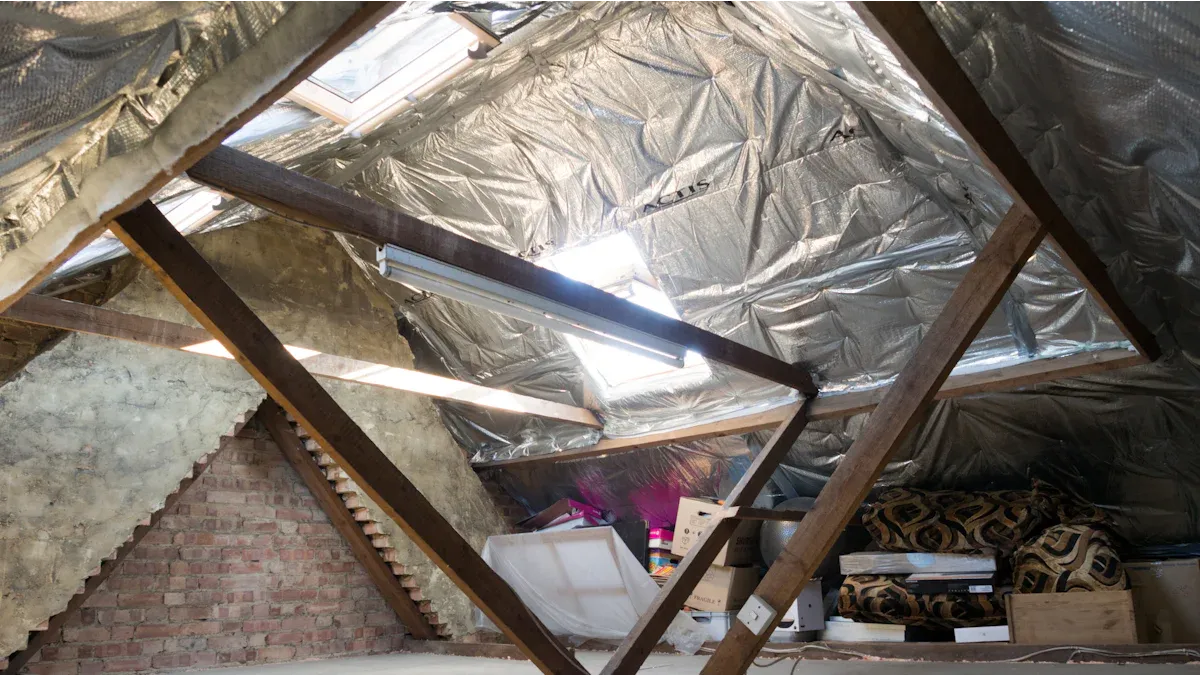
You will find several insulation materials used in folding container houses. Common options include rock wool, glass wool, polyurethane foam, expanded polystyrene (EPS), extruded polystyrene (XPS), fibreglass, spray foam, mineral wool, and cellulose. EPS and XPS offer lightweight structure and good thermal performance. Rock wool and glass wool provide strong fire resistance and sound insulation. Each material has distinct strengths and weaknesses, so you can select the most fitting insulation materials based on your needs.
Key Takeaways
Choose insulation based on your climate, budget, and specific needs for optimal performance.
Consider fire safety; materials like rock wool and mineral wool offer excellent fire resistance.
Evaluate thermal efficiency; polyurethane foam and spray foam provide high energy savings.
Look for moisture resistance; spray foam and EPS help prevent mould and water damage.
Explore eco-friendly options like cellulose to support sustainable living in your container house.
Main Insulation Materials for Folding Container Houses
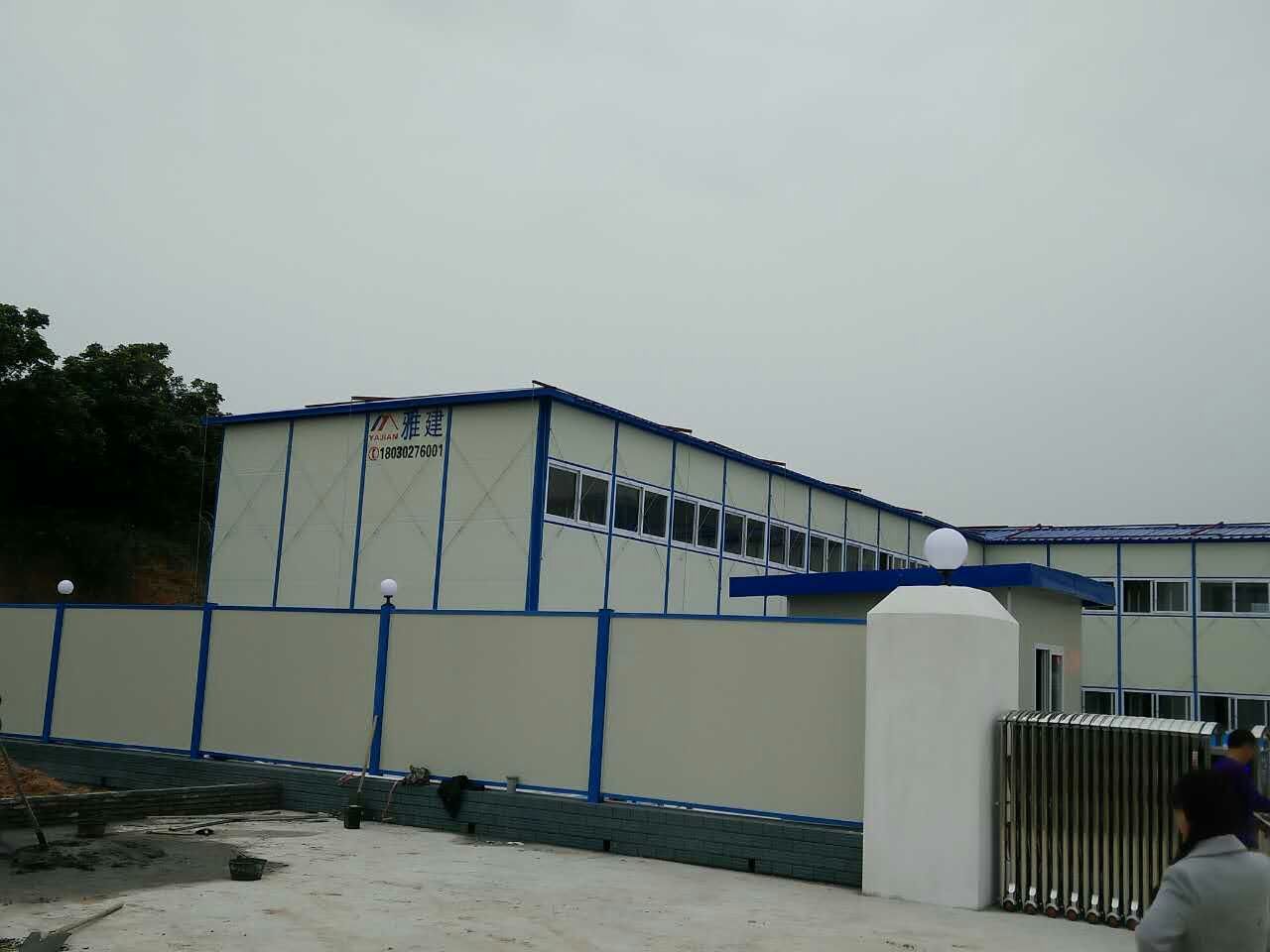
When you choose insulation for folding container houses, you encounter a range of materials. Each option offers unique benefits and suits different needs. Below, you will find a detailed overview of the main insulation materials used in folding container houses.
Rock Wool
Rock wool stands out for its durability and fire safety. You can rely on it to maintain its effectiveness over time. It resists wear and copes well with harsh environments. Many folding container houses use rock wool for both thermal and acoustic insulation. The table below summarises its key properties and applications:
Glass Wool
Glass wool provides reliable thermal and sound insulation. You find it easy to install, and it adapts well to different shapes and spaces. Many folding container houses use glass wool because it offers good fire resistance and does not absorb much moisture. You can select glass wool if you want a cost-effective solution that balances performance and safety.
Polyurethane Foam (PU)
Polyurethane foam delivers high thermal efficiency. You can spray it directly onto surfaces, which creates a seamless barrier against heat loss. This material also blocks air leaks and helps prevent condensation. You often see PU foam in folding container houses where space is limited and maximum insulation is needed. It suits both walls and roofs.
Expanded Polystyrene (EPS)
EPS insulation appears frequently in folding container houses. You benefit from its lightweight structure and strong thermal performance. The walls of these houses often feature steel cladding with EPS inside, which gives you both thermal and acoustic protection. You also find EPS to be cost-effective compared to other materials, especially when you consider long-term efficiency.
EPS provides thermal and acoustic protection in folding container houses.
You find EPS in walls with steel cladding, which improves durability.
EPS offers a cost-effective solution for insulation.
Fibreglass
Fibreglass insulation remains a popular choice for many folding container houses. You can install it easily, and it fits into tight spaces. Fibreglass resists fire and does not attract pests. You may choose fibreglass if you want a material that balances affordability and performance. It works well in walls, ceilings, and floors.
Spray Foam
Spray foam insulation gives you excellent air sealing and thermal protection. You apply it as a liquid, and it expands to fill gaps and cracks. This process creates a continuous barrier that blocks heat and moisture. Folding container houses benefit from spray foam because it adapts to irregular surfaces and improves energy efficiency.
Mineral Wool
Mineral wool shares many qualities with rock wool. You find it durable and fire-resistant. It also provides strong acoustic insulation. Mineral wool suits folding container houses in areas with extreme temperatures or high noise levels. You can install it in walls, roofs, and floors for comprehensive protection.
Cellulose
Cellulose insulation uses recycled paper treated for fire resistance. You may select cellulose if you want an eco-friendly option. It offers good thermal and sound insulation. You can blow cellulose into wall cavities, which helps fill gaps and improve energy efficiency. Folding container houses with cellulose insulation often achieve better sustainability.
Tip: When you compare these materials, consider your climate, budget, and the specific needs of your folding container house. Lanen International recommends evaluating both short-term costs and long-term performance to make the best choice.
Performance of Insulation Materials
Thermal Efficiency
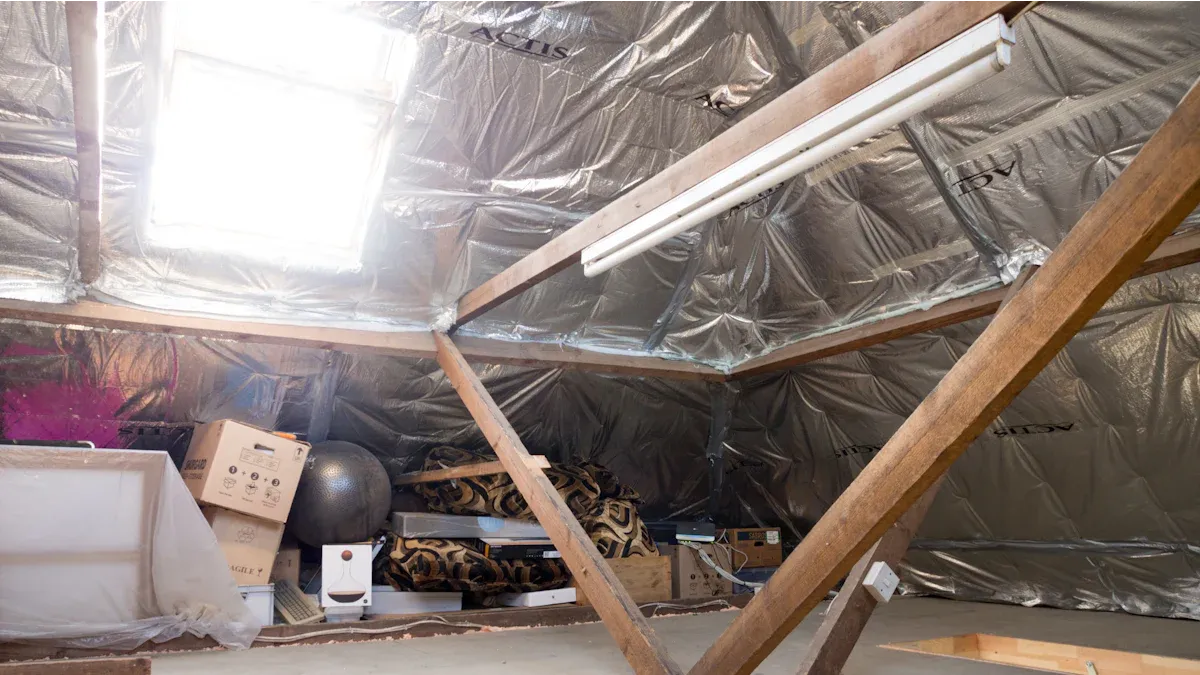
You want your folding container houses to stay comfortable in every season. Thermal efficiency measures how well insulation keeps heat inside during winter and outside during summer. Polyurethane foam and spray foam offer high thermal resistance, which means you lose less energy. EPS and XPS also perform well, especially in walls and roofs. Rock wool and mineral wool provide solid thermal protection, but you may notice slightly lower efficiency compared to foam options.
Fire and Safety Ratings
Safety matters when you choose insulation. Rock wool and mineral wool stand out because they resist fire and do not burn easily. Glass wool also provides good fire protection. Polyurethane foam and spray foam can burn, but manufacturers treat them with fire retardants. EPS and XPS melt at high temperatures, so you need to consider fire safety in your design.
Tip: Lanen International recommends checking fire ratings before you select insulation for your folding container houses.
Moisture and Mould Resistance
Moisture can damage your home and reduce insulation performance. Spray foam and polyurethane foam create a tight seal that blocks water and prevents mould. EPS and XPS resist moisture, so you can use them in damp areas. Rock wool and mineral wool do not absorb water, but you need to install them properly to avoid mould. Glass wool and cellulose may trap moisture if you do not protect them.
Acoustic Insulation
You want peace and quiet inside your folding container houses. Rock wool, mineral wool, and glass wool absorb sound well, which helps reduce noise from outside. Cellulose also provides good acoustic insulation. Polyurethane foam and spray foam block some noise, but they work best for thermal protection. EPS and XPS offer limited sound absorption.
Pros and Cons of Each Material
Advantages
You can find many benefits when you choose the right insulation for folding container houses. Each material offers unique strengths:
Tip: Lanen International recommends considering both thermal and acoustic benefits when you select insulation.
Disadvantages
You should also look at the drawbacks before you make a decision. Some materials have limitations that may affect your choice:
Rock wool can cost more than other options and may need careful installation.
Glass wool may irritate your skin during installation and can trap moisture if not protected.
Polyurethane foam requires professional application and may release chemicals during installation.
EPS and XPS offer limited sound absorption and can melt at high temperatures.
Fibreglass may lose effectiveness if it gets wet and can be uncomfortable to handle.
Spray foam costs more and may need skilled installers.
Mineral wool is heavier and may be harder to cut for small spaces.
Cellulose can settle over time and may need extra fire protection.
Note: You should weigh both the advantages and disadvantages to find the best insulation for your folding container houses.
Choosing the Right Insulation for Folding Container Houses
Cost and Value
You want to maximise comfort and efficiency in shipping container homes without overspending. Insulation costs vary depending on the material and the size of your project. Polyurethane foam and spray foam often cost more upfront, but you gain excellent thermal performance and energy savings over time. EPS and fibreglass offer budget-friendly options for shipping container homes, though you may see lower insulation values. Rock wool and mineral wool provide long-term durability, which can reduce maintenance costs. Lanen International supplies a wide range of insulation materials for shipping container homes, helping you balance quality and value.
Tip: You should compare both initial costs and future savings when choosing insulation for shipping container homes.
Installation and Maintenance
You need to consider how easy it is to install and maintain insulation in shipping container homes. Spray foam and rigid foam require professional installation, which ensures proper coverage and air sealing. Fibreglass and glass wool can be installed by hand, but you must wear protective gear. Cellulose works well for filling gaps in shipping container homes, though it may settle over time. Regular checks help you spot moisture or damage early. Lanen International offers expert advice and installation support for shipping container homes, making the process smoother.
Environmental Considerations
You can reduce your environmental impact by choosing sustainable insulation for shipping container homes. Many insulation materials now use recycled steel, which lowers resource consumption and waste. Prefabricated components in shipping container homes also cut down on construction waste, helping you shrink your carbon footprint. Eco-friendly options like cellulose and mineral wool support greener living. You help protect the environment when you select insulation that is recyclable and energy-efficient.
Note: Experts recommend you use rigid foam or spray foam for temperature control, apply rust-proof paint to the exterior, and ensure good ventilation in shipping container homes.
Key decision factors for shipping container homes:
Climate and temperature extremes
Budget and long-term savings
Installation method and maintenance needs
Environmental impact and recyclability
Expert support from trusted brands like Lanen International
You make the best choice for your shipping container homes when you weigh these factors and seek professional guidance.
You have many insulation options for folding container houses. Rock wool and mineral wool give you fire safety and sound control. Polyurethane foam and spray foam offer strong thermal efficiency. EPS and fibreglass help you save money. Cellulose supports eco-friendly choices. Think about your climate, budget, and comfort needs. Lanen International can guide you to the right solution. Always balance performance with long-term value for the best results.
FAQ
What is the best insulation for folding container houses?
You should choose insulation based on your climate, budget, and needs. Polyurethane foam gives you high thermal efficiency. Rock wool offers strong fire resistance. Lanen International can help you compare options for your specific project.
Can you install insulation yourself?
You can install materials like fibreglass or glass wool yourself. Spray foam and polyurethane foam need professional installation. Always follow safety guidelines. Lanen International provides expert advice if you need support.
How do you prevent mould in container house insulation?
You should use moisture-resistant materials such as spray foam or EPS. Ensure good ventilation and proper installation. Regular checks help you spot early signs of mould.
Is eco-friendly insulation available?
You can choose eco-friendly options like cellulose or mineral wool. These materials use recycled content and support sustainable living. Lanen International offers several green insulation solutions.
Does insulation affect soundproofing?
You gain better soundproofing with rock wool, mineral wool, or glass wool. These materials absorb noise and create a quieter space inside your folding container house.