

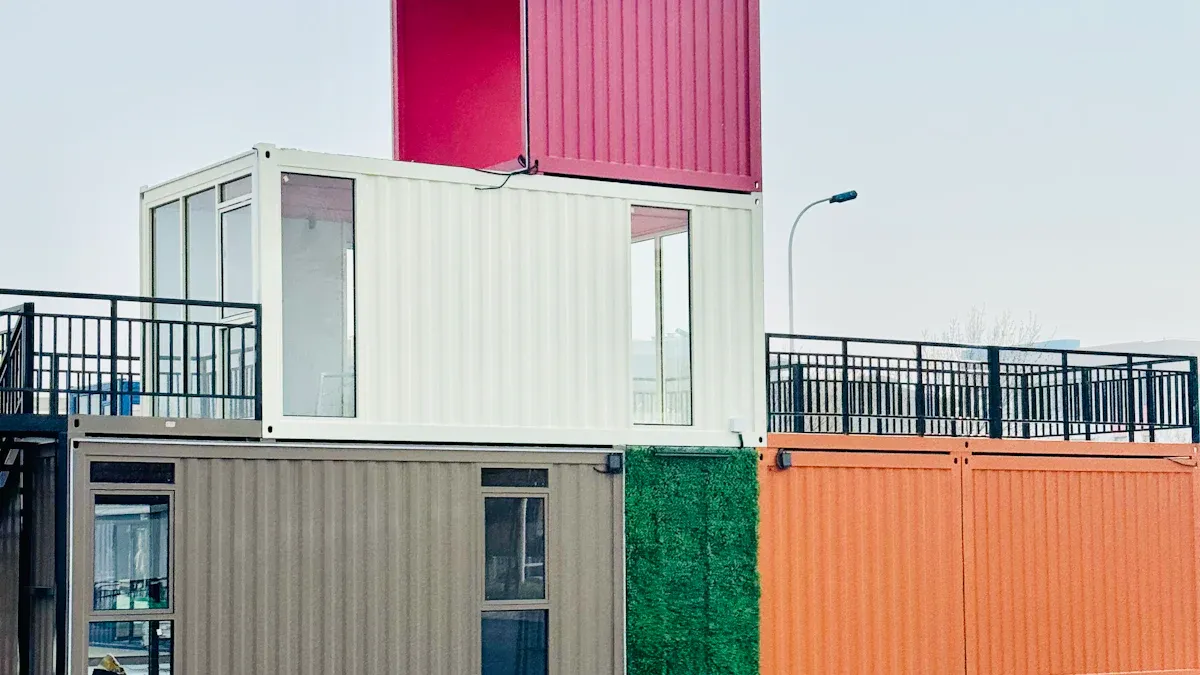
A shipping container house stands out for its innovative use of steel shipping containers as the core building blocks. You see homes that repurpose sturdy containers into unique living spaces. These structures offer an eco-friendly solution and adapt to many styles through modular design. You can customize layouts to match your needs or creativity, making each home truly individual. If you value adaptability and sustainability, this housing style may inspire you to rethink traditional living.
Key Takeaways
Shipping container houses use repurposed steel containers, making them eco-friendly and unique.
These homes offer flexible designs, allowing you to customize layouts to fit your lifestyle.
Building with shipping containers is cost-effective, saving money on materials and labor.
Construction is faster with shipping containers, allowing you to move in sooner than with traditional homes.
Regular maintenance, like painting and checking for rust, keeps your container house strong and lasting.
What Is a Shipping Container House

A shipping container house is a modern dwelling that you create by transforming steel shipping containers into comfortable living spaces. You start with containers that once carried goods across oceans. These containers become the foundation for a unique and adaptable home. You can design a space that fits your needs, whether you want a small studio or a multi-level family house.
Core Structure and Materials
You build the core of a shipping container house from strong steel containers. These containers come in several standard sizes, which gives you flexibility in design and layout. The table below shows the most common container sizes, their dimensions, and their weights:
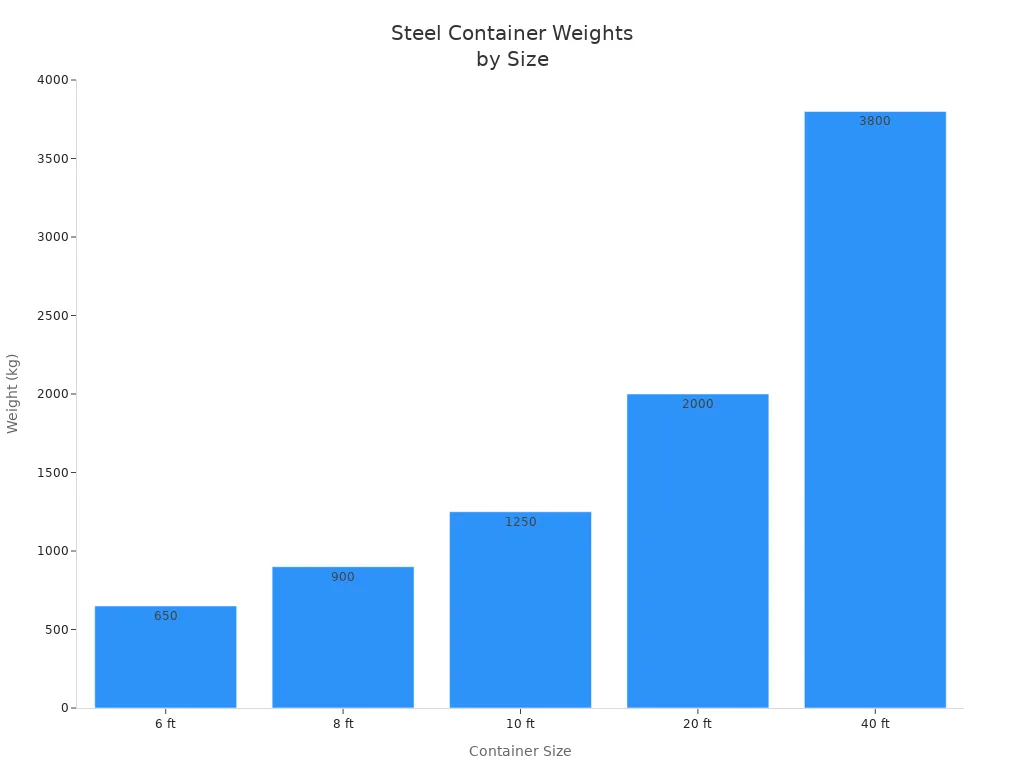
You can see that the 20-foot and 40-foot containers are the most popular choices for homes. Their size and strength make them ideal for stacking or joining together.
To turn a steel box into a livable space, you need to add insulation, windows, doors, and plumbing. Insulation is especially important because steel conducts heat and cold. You can choose from several eco-friendly insulation materials, such as Danish newspaper insulation, fiberglass from recycled glass, wood-wool, or polystyrene pellets from fruit boxes. The table below compares these options:
You also need to cut openings for windows and doors. This step brings in natural light and fresh air. Plumbing and electrical systems must be installed to meet your daily needs.
How They're Built
You start building a shipping container house by choosing the number and size of containers you want. You can place containers side by side, stack them, or arrange them in creative shapes. You cut away sections of steel to connect containers or create open spaces. You reinforce the structure where needed to keep it strong.
Next, you add insulation to the walls, floors, and ceilings. You install windows and doors to let in light and air. You set up plumbing for kitchens and bathrooms. You run electrical wiring for lights and appliances. You finish the interior with walls, flooring, and paint to make the space comfortable.
You can build a shipping container house on a concrete slab, piers, or another solid foundation. This step keeps your home stable and dry. You can also add decks, roofs, or other features to suit your style.
Tip: You can speed up construction by preparing containers off-site and assembling them quickly on your land.
Key Features
A shipping container house stands out because you use repurposed shipping containers as the main building blocks. This approach gives you flexibility in design. You can remove container walls to create large, open rooms. You can combine containers in many ways to fit your needs.
You get a home that is strong and durable. Steel containers resist harsh weather and pests. You also enjoy the benefits of modular construction. You can expand or change your home by adding more containers in the future.
You make a sustainable choice by reusing materials and reducing waste. You can also save time and money compared to traditional building methods.
Note: Shipping container houses offer more design freedom than many other modular homes. You can create unique layouts and modern spaces that reflect your personality.
By understanding these core elements, you can see why a shipping container house is a smart and flexible option for modern living.
Design and Modularity
Flexible Layouts
You can shape a shipping container house to fit your lifestyle. Modular design gives you the freedom to arrange containers in many ways. You might want a single-level home or a multi-story building. You can stack, join, or separate containers to create open spaces or private rooms. This flexibility lets you adapt your home as your needs change.
The Urban Rigger project uses a standardized container system. You can see how this approach allows for different configurations and scales.
Modularity means you can replicate designs in many urban settings. This helps meet the needs of different communities.
You can address the demand for affordable housing in high-density areas by using modular layouts.
Durability and Strength
You get a strong and reliable structure when you choose a shipping container house. Steel containers resist harsh weather, pests, and fire. You can trust the durability of your home, even in challenging environments.
"...very energy-efficient, very structurally strong, very beautiful multifamily housing. It happens to be that the materials that will build that housing are shipping containers..."
You can feel confident that your home will last for many years with proper care.
Creative Architecture
You can explore new ideas in architecture with shipping containers. Designers use these materials to create sustainable homes that reduce resource consumption. You can move your home if you need to relocate, thanks to the adaptability of container construction. Many projects showcase unique solutions, such as stacking containers or placing them on concrete bases.
The Musicon project features 48 stacked containers on a concrete base, creating 30 unique homes.
Large glass elements blend with the original container look, connecting the design to the area's history.
You can express your creativity and build a home that stands out in any neighborhood.
Benefits of Shipping Container Houses
Sustainability
You make a positive impact on the environment when you choose a shipping container house. You reuse steel containers that might otherwise sit unused in shipyards. This reduces waste and lowers the demand for new building materials. You can select eco-friendly insulation and energy-efficient windows to further reduce your carbon footprint. Many homeowners install solar panels or rainwater collection systems to support a sustainable lifestyle.
Tip: You can work with brands like Lanen International to find containers that meet high environmental standards.
Cost-Effectiveness
You save money by building with shipping containers. The containers themselves often cost less than traditional building materials. You can reduce labor costs because modular construction requires fewer workers and less time on site. You avoid many expenses linked to conventional homes, such as extensive framing or brickwork. You can also plan your budget more easily since container sizes are standardized.
Speed of Construction
You complete your home faster when you use shipping containers. Modular systems allow you to prepare containers off-site and assemble them quickly. You can finish a shipping container house in one-third less time than a traditional house. This means you move in sooner and spend less on temporary housing.
You prepare containers in a factory.
You transport them to your site.
You assemble and finish your home quickly.
You benefit from a streamlined process that saves time and reduces stress.
Practical Uses and Challenges
Residential and Commercial Applications
You can find shipping container homes in many places around the world. People use them as single-family homes, student housing, and even hotels. In cities, you might see offices, pop-up shops, or cafes built from containers. For example, Lanen International has helped create modular housing projects that serve both families and businesses. You can choose a design that fits your needs, whether you want a cozy home or a flexible workspace.
Tip: You can stack or join containers to create larger spaces for schools, clinics, or community centers.
Zoning and Permits
You need to check local rules before you build a shipping container house. Every city or town has its own zoning laws and building codes. Some places welcome container homes, while others have strict rules. You must get permits for construction, plumbing, and electricity. You may need to show plans that prove your home is safe and meets all standards.
Ask your local building department about container homes.
Prepare documents like site plans and engineering reports.
Follow all safety and fire regulations.
Note: Some areas require special inspections for steel structures.
Maintenance and Longevity
You must care for your shipping container house to keep it strong. Steel resists pests and fire, but you need to protect it from rust. Paint and seal the exterior to stop water damage. Check for leaks around windows and doors. Insulate well to keep your home comfortable in all seasons. You should also inspect the foundation and structure every year.
Regular care helps your home last for decades.
You discover a shipping container house offers strength, flexibility, and sustainability. You benefit from lower costs and faster construction. Eco-conscious and budget-minded homeowners find real value in this option. If you want to explore this path, follow these steps:
Research the pros and cons.
Decide on professional help or DIY.
Get design inspiration.
Check local permits and codes.
Select the right container.
Plan your foundation.
Prepare for delivery.
Install insulation, windows, and doors.
Plan utilities.
Inspect before moving in.
Lanen International supports your journey with modular solutions. You shape your future with alternative housing.
FAQ
How long does it take to build a shipping container house?
You can finish a shipping container house in a few weeks to a few months. The timeline depends on your design, permits, and site preparation. Lanen International can help speed up the process with modular solutions.
Are shipping container houses safe?
You get a strong and secure home. Steel containers resist fire, pests, and harsh weather. You must follow local building codes and use proper insulation for safety.
Can you customize the design of your container house?
You can choose your layout, finishes, and features. You can stack or join containers for more space. Lanen International offers design support to match your needs.
What is the average cost of a shipping container house?
You can expect to pay less than for a traditional house. Costs vary by size, location, and finishes. You save money on materials and labor.
Do shipping container houses require special maintenance?
You need to check for rust and repaint the exterior every few years. You should inspect insulation and seals. Regular care helps your home last longer.