

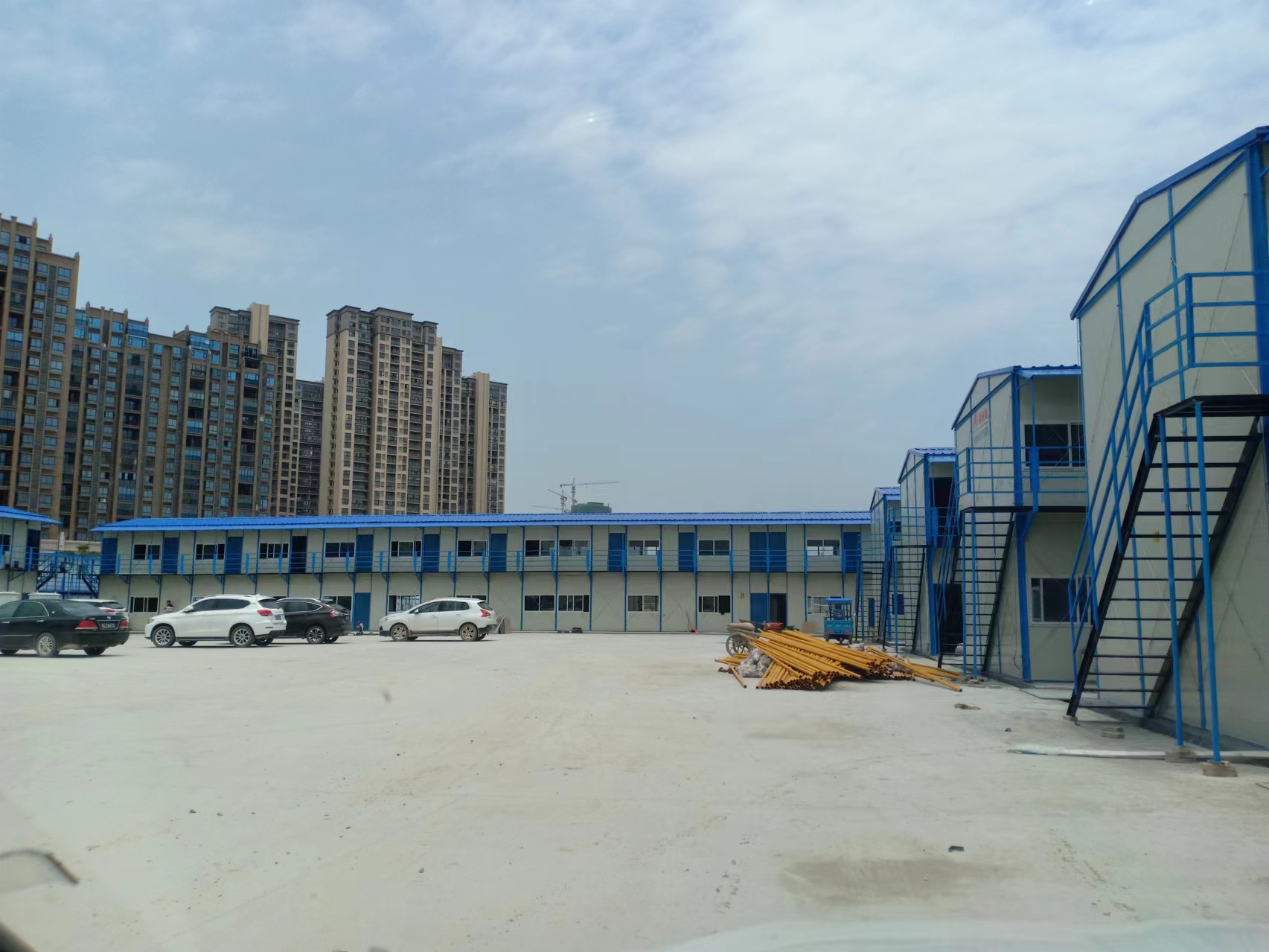
Are you searching for a place to live that is special and useful? Many people look at different homes like a shipping container home or tiny houses because they want something new. You might care about price, permits, size, shape, certifications, how long it takes to build, how easy it is to get, if you can move it, how you can change it, how strong it is, living off-grid, and how to pay for it. Each choice has its own good points. If you want the best one for your life, think about what makes a home cozy and good for you.
Key Takeaways
Think about how much space you need. Shipping container homes look modern but can feel small. Tiny houses use smart designs to give you more storage and comfort.
Think about the environment. Shipping container homes reuse steel. Tiny houses use less energy and can have green features like solar panels.
Look at the rules in your area. Shipping container homes often have tougher zoning laws. Tiny houses may be easier to get permits for, especially if they have wheels.
Look at the costs closely. Prefab tiny homes usually cost less at first and have fewer surprise costs. Shipping container homes may need more work and money.
Think about moving your home. Tiny houses are easier to move and you can tow them with a truck. Shipping container homes need special tools to move them.
Shipping Container Home vs Tiny House: Key Differences
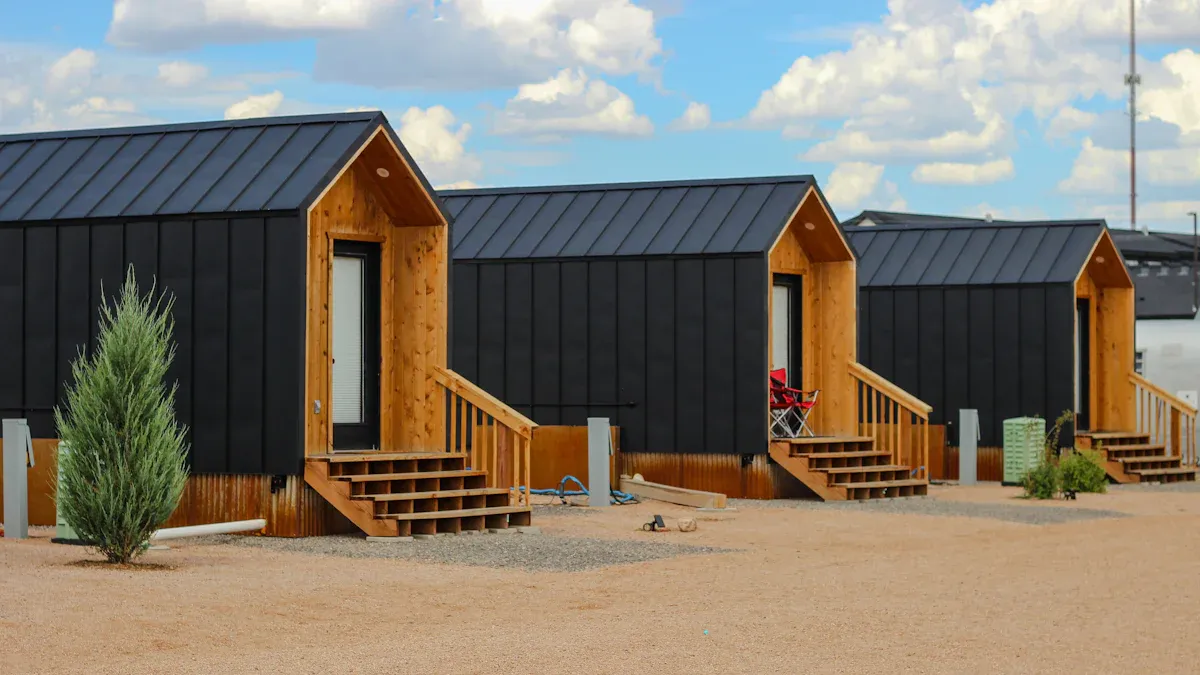
Space and Layout
When you pick between a shipping container home and a tiny house, space is important. Container homes are shaped like rectangles. They can feel tight if you use just one. If you want more space, you need to add more containers. This can cost more money and make building harder.
Tiny homes let you be creative with the layout. Builders use smart ideas to save space. You might see storage under stairs or beds that fold up. Some shelves go all the way to the ceiling. Tiny houses use tall spaces and furniture that does many things. This helps small homes feel bigger and more open.
Tip: If you want a cozy home with lots of storage, a tiny house could be best. If you like a modern style and do not mind a narrow space, a shipping container home might work for you.
Here’s a quick look at the main structural differences:
Sustainability
You might care about the planet when picking your home. Shipping container homes use old steel containers. This helps cut down on waste. It is a good choice if you want to recycle and help the earth. But you need to add insulation and sometimes treat the steel to make it safe.
Prefab tiny homes also try to be green. Builders use materials that are good for the earth. Tiny houses use less energy because they are small. You can add solar panels or composting toilets to make them even greener.
Note: If you want to reuse materials and like a bold look, shipping container homes are a good choice. If you want a cozy home that saves energy, a tiny house might be better.
Legal and Zoning Issues
Rules can make your choice harder. Shipping container homes have strict rules in many places. Some towns see them as different, so you might need special permits. Getting approval can take a long time and be confusing.
Prefab tiny homes have their own rules. Laws change from place to place. Sometimes you only need local permission, not a big permit. You should check the rules in your area before you build.
Zoning laws for prefab tiny homes are different in each state.
Shipping container homes can have more rules because of their shape.
Local rules can be hard to understand. You might need help for your state or county.
Tip: Always check local zoning laws before you choose. Some places like prefab tiny homes, but others make it hard to build shipping container homes.
Picking between a shipping container home and a tiny house means thinking about space, being green, and the rules. Tiny homes give you more freedom with layout and comfort. Container homes are strong and look modern, but you might face more rules. Both have good points, so think about what matters most to you.
Cost and Affordability
Shipping Container Home Cost
When you look at shipping container homes, you might notice the price can change a lot. Some people find a shipping container home for as low as $20,000. Others spend $60,000 or more. The cost depends on size, design, and how much work you do yourself. If you want a bigger space, you may need to buy more containers. That means more money for materials and labor. You also need to think about insulation, plumbing, and electricity. These things add to the final pricing. Many people use financing to help pay for shipping container homes because it can be hard to pay all at once.
Tiny House Cost
Prefab tiny homes can be very affordable. You can find prefab tiny homes for about $30,000. Some tiny houses cost up to $80,000 if you want special features or a custom design. The cost for prefab tiny homes often includes basic things like plumbing and electricity. You might save money if you build it yourself, but many people choose prefab tiny homes because they are easy and quick. Financing is common for tiny homes, too. Some companies offer special loans just for prefab tiny homes, which makes it easier to buy one.
Affordability Comparison
If you want the most affordable option, prefab tiny homes often win. They have lower starting prices and fewer surprise costs. Shipping container homes can be cheap at first, but extra work can make them more expensive. Both types of houses let you use financing, so you do not need all the money up front. Here’s a quick look at pricing:
Tip: Always check what is included in the price. Some prefab tiny homes come ready to live in, while shipping container homes may need more work. Think about your budget and how much you want to spend each month on financing.
Durability and Lifespan of Container Homes and Tiny Houses
Container Homes Durability
When you think about strength, container homes stand out. These homes use steel shipping containers that travel across oceans. The steel walls protect against wind, rain, and even pests. You do not have to worry much about rot or termites. If you want a home that can handle tough weather, a shipping container home gives you peace of mind. Some people even use container homes in areas with hurricanes or earthquakes. You might need to check for rust, but regular paint and care keep the steel strong for years.
Tip: If you want a home that feels safe and solid, container homes offer great comfort and security.
Tiny Homes Durability
Prefab tiny homes use wood, metal, or a mix of both. These houses can last a long time if you take care of them. You might see prefab tiny homes with strong frames and weatherproof siding. Some tiny houses use treated wood to stop rot and bugs. If you live in a place with lots of rain or snow, you need to check the roof and walls often. Good builders make prefab tiny homes that stand up to storms and daily use. You get comfort and warmth, but you must keep up with small repairs.
Prefab tiny homes need regular checks for leaks.
Tiny houses with metal roofs last longer in harsh weather.
You can add extra protection to boost comfort and lifespan.
Lifespan Comparison
You might wonder which home lasts longer. Container homes can last 25 to 50 years or more with good care. The steel frame stays strong, but you need to watch for rust. Prefab tiny homes can last 30 to 50 years if you keep them dry and fix problems early. Both types give you comfort for many years, but the materials make a difference.
Here’s a quick table to help you compare:
Note: If you want a home that feels sturdy and gives you comfort in any weather, a container home is a strong choice. If you love a cozy feel and want easy repairs, prefab tiny homes work well.
Comfort and Insulation
Shipping Container Homes Comfort
Shipping container homes have strong steel walls. These walls make the home feel safe. The style looks modern and cool. Sometimes, the rooms feel a bit narrow. To make it more comfortable, you need good insulation. Adding windows helps with light and air. Thick floors and soft lights make it cozy. Rugs and curtains add warmth. Comfy chairs and sofas help you relax. The steel walls block noise from outside. Many people say these homes feel quiet inside.
Tip: If you want a modern home that feels safe and private, shipping container homes can give you that comfort with the right upgrades.
Tiny House Comfort
Tiny houses use space in smart ways. You will see lots of storage and soft seats. Big windows let in sunlight and fresh air. The rooms feel warm and bright. Builders use wood and light colors. Some tiny homes have lofts for sleeping. Others have small nooks for relaxing. You can add pillows and blankets for comfort. Art and decorations make it feel special. Tiny houses often feel cheerful and welcoming.
Prefab tiny homes use clever designs for comfort.
You can add your own style with pillows, blankets, and art.
Tiny houses often feel cheerful and welcoming.
Insulation and Climate
Insulation is important for both home types. It keeps you warm in winter and cool in summer. Shipping container homes need extra insulation. Steel gets hot and cold quickly. Spray foam or panels help with this. Prefab tiny homes have insulation built in. This makes them ready for any weather. If you live where it gets very hot or cold, check the insulation first.
Note: Always ask about insulation when you look at prefab tiny homes or shipping container homes. Good insulation means better comfort all year.
Customization and Design Options
Container Homes Customization
You can get creative with shipping container homes. These homes start as simple steel boxes, but you can turn them into almost anything. Want big windows? You can add them. Need a rooftop deck? That works, too. You can stack containers or place them side by side for more space. Some people add sliding doors or even a small porch. You can paint the outside any color you like. If you want help, Lanen International offers design services for shipping container homes. They help you pick layouts, finishes, and features that fit your style.
Tip: Think about how you want to use each room. You can make a cozy bedroom, a bright kitchen, or a fun living space.
Tiny Homes Customization
Prefab tiny homes give you lots of choices, too. You can pick the floor plan that fits your life. Some prefab tiny homes have lofts for sleeping. Others have open spaces for easy movement. You can choose the colors, cabinets, and floors. Many companies let you add solar panels or special storage. Lanen International also helps with prefab tiny homes. They guide you through picking the right options and making your home feel just right.
Choose your favorite paint colors
Add built-in shelves or hidden storage
Pick energy-saving features
Design Flexibility
Both shipping container homes and prefab tiny homes offer great design flexibility. You can make your home modern, rustic, or anything in between. Shipping container homes work well for bold, modern looks. Prefab tiny homes feel warm and cozy. You can mix styles and try new ideas. If you want expert help, Lanen International can show you design plans and help you build the home you dream about.
Note: You can make your home as unique as you are. With the right help, your ideas can become real.
Mobility and Portability
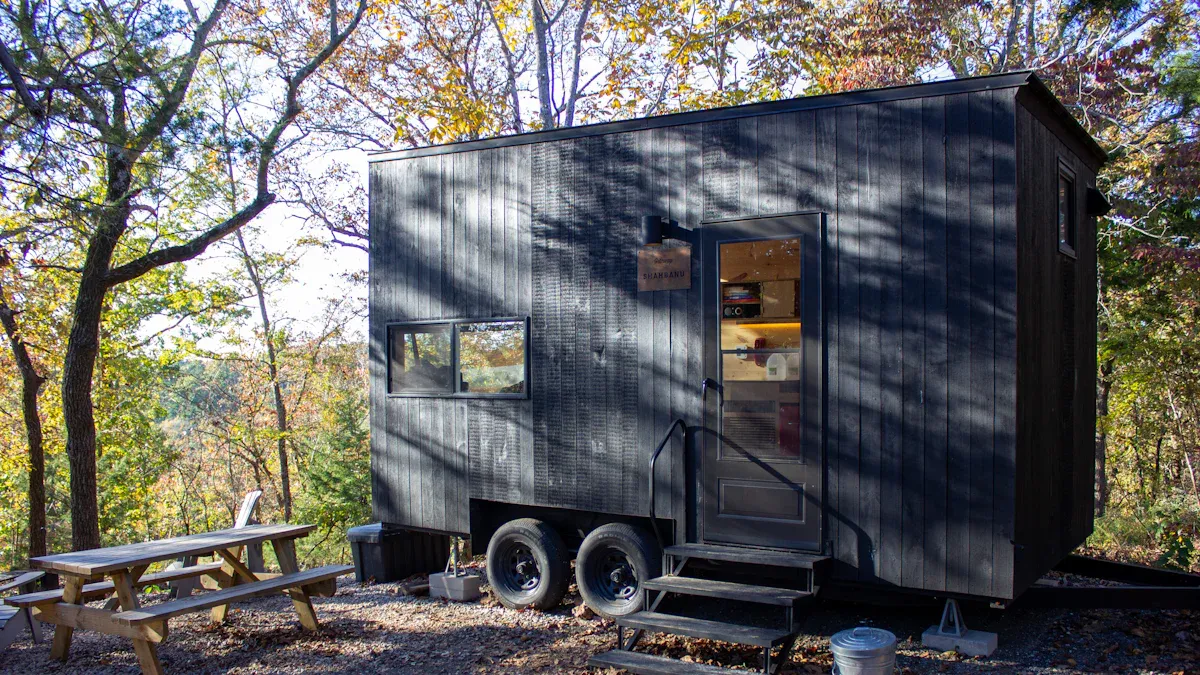
Moving a Shipping Container Home
You might think moving a shipping container home is easy because it looks like a big box. In reality, it takes planning and special equipment. You need a crane or a flatbed truck to lift and transport the container. The steel frame makes it heavy, so you cannot just hook it up to your car and drive away. If you want to move your home to a new city or state, you must hire professionals. They know how to handle the weight and size. Moving costs can add up fast. You also need to check local rules before you move your home. Some places have limits on where you can put a shipping container home.
Tip: If you plan to move often, think about the cost and effort before choosing a shipping container home.
Tiny House Mobility
Prefab tiny homes shine when you want to move. Many prefab tiny homes sit on trailers with wheels. You can tow them with a pickup truck or SUV. This makes moving simple and quick. You do not need a crane or special crew. You can take your home on road trips or move to a new town with less stress. Some prefab tiny homes even fit in RV parks or campgrounds. You get more freedom to travel and explore new places. If you love adventure, prefab tiny homes give you the chance to change your view whenever you want.
Easy to tow with a truck
Fits in more places
Less expensive to move
Best for Relocation
When you compare both options, prefab tiny homes win for portability. You can move them without much trouble. Shipping container homes are strong but hard to relocate. If you want a home that travels with you, prefab tiny homes are the best choice. If you want to stay in one spot and need a sturdy house, a shipping container home works well.
Note: Think about your lifestyle. If you want to move your home often, prefab tiny homes offer the best mix of comfort and portability.
Permits and Regulations
Shipping Container Homes Permits
You might feel excited to start building your shipping container home, but you need to get the right permits first. Many cities and towns have strict rules for shipping container homes. You often need to show your building plans and prove your home is safe. Some places want you to follow codes for regular houses, even if your home looks different. You may need to pay fees and wait for approval. If you skip this step, you could face fines or have to move your home. Always check with your local office before you start.
Tip: Ask your city or county about permits for shipping container homes before you buy any materials.
Tiny House Permits
Prefab tiny homes also need permits, but the process can be easier. Some towns treat prefab tiny homes like RVs or mobile homes. This means you might only need a simple permit to park or live in your home. Other places want you to follow the same rules as regular houses. You may need to show your plans and pass inspections. Each area has its own rules, so always ask first. Many prefab tiny homes companies help you with the paperwork.
Check if your prefab tiny home is on wheels or a foundation.
Ask about special rules for small houses in your area.
Keep all your paperwork in a safe place.
Zoning Challenges
Zoning laws can make things tricky. Some neighborhoods do not allow shipping container homes or prefab tiny homes. You might find rules about the size of houses or where you can put them. Some places want homes to look a certain way. If you want to live off-grid or in a new spot, you need to check the zoning map. Talking to your local office helps you avoid problems later.
Note: Always learn about permits and zoning before you build. This step saves you time and money.
Resale Value and Investment
Container Homes Resale Value
When you think about selling a container home, you might wonder if you can get your money back. Container homes often hold their value well if you keep them in good shape. People like the strong steel frame and modern look. If you add nice features or keep up with repairs, you can ask for a higher price. Some buyers want a shipping container home because it feels unique and sturdy. You may find that container homes in good locations sell faster. If you plan to move, you can often find someone who wants a home that stands out.
Tip: Keep your container home clean and fix small problems quickly. This helps you get a better price when you sell.
Tiny Homes Resale Value
Prefab tiny homes also have a strong market. Many people want to try tiny living, so you can find buyers who love small, smart spaces. If your prefab tiny home has energy-saving features or cool storage ideas, you might get more money. Tiny houses on wheels can be easier to sell because buyers can move them anywhere. You should keep your prefab tiny home in good condition and save all your paperwork. This makes it easier to show buyers that your home is safe and well-built.
Clean your prefab tiny home before showing it.
List all upgrades and special features.
Share photos of your tiny home in different seasons.
Long-Term Value
You might ask which home gives you the best long-term value. Both container homes and prefab tiny homes can be smart investments. If you pick a good spot and take care of your home, you can see a nice roi. Container homes last a long time and attract buyers who want something different. Prefab tiny homes cost less to keep up and use less energy, so you save money over time. Tiny houses can also move with you, so you do not lose your investment if you change jobs or cities.
Note: Think about your future plans. If you want a home that keeps its value and fits many lifestyles, prefab tiny homes and container homes both offer great options.
Quick Comparison Table
Side-by-Side Summary
You might want a fast way to compare these homes. This table shows the main differences between shipping container homes and prefab tiny homes. It helps you pick which home matches your life.
Tip: If you want a home that moves easily, prefab tiny homes are a good choice. If you want a modern style and lots of ways to design, shipping container homes could be better for you.
Prefab tiny homes are easy to move and feel cozy. They are great if you want to travel or live simply. Shipping container homes give you more room and a bold look. Both have good things about them. Think about what is most important to you before you choose.
Choosing between a tiny house and prefab tiny homes depends on what matters most to you. If you want to move often, prefab tiny homes make travel simple. For a strong, modern look, prefab tiny homes also offer great options. You can save money and enjoy easy setup with prefab tiny homes. If you love a cozy space, a tiny house gives you that special feeling. Think about your lifestyle and pick the home that fits you best.
FAQ
Can you live in a shipping container home year-round?
Yes, you can live in a shipping container home all year. You need good insulation and heating or cooling. Many people add windows and thick walls to stay comfortable in every season.
Do tiny houses have bathrooms and kitchens?
Most tiny houses come with a bathroom and kitchen. You get a shower, toilet, sink, and cooking space. Some models offer full-size appliances. You can choose what fits your needs.
Is it hard to get permits for these homes?
Getting permits can be tricky. Shipping container homes often need more paperwork. Tiny houses on wheels usually have easier rules. Always check with your local office before you start building.
Which is easier to move: a tiny house or a container home?
Tiny houses are much easier to move. You can tow them with a truck. Shipping container homes need cranes and special trucks. If you want to travel, tiny houses are the best choice.