

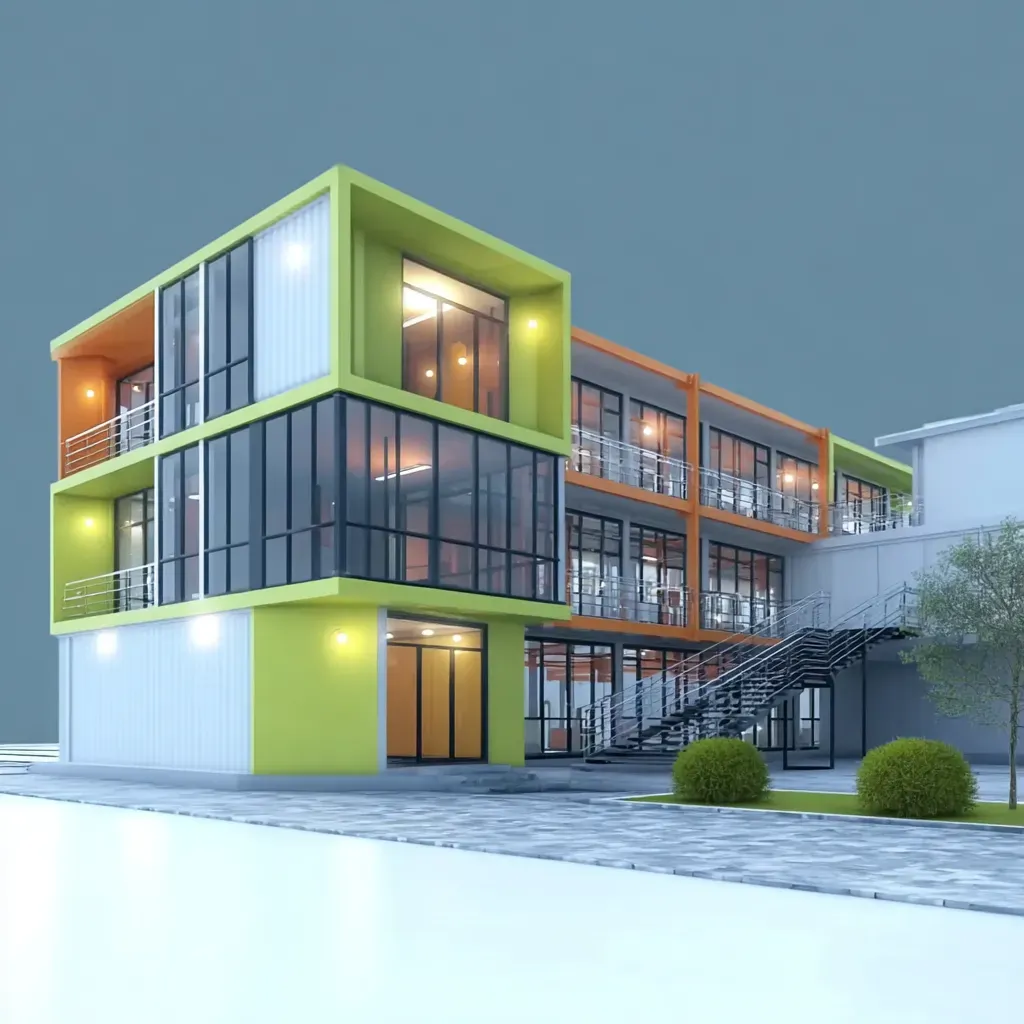
Many schools now face the challenge of overcrowding, with growing student populations putting pressure on existing facilities. The latest statistics show a steady increase in enrolments across both primary and secondary levels:
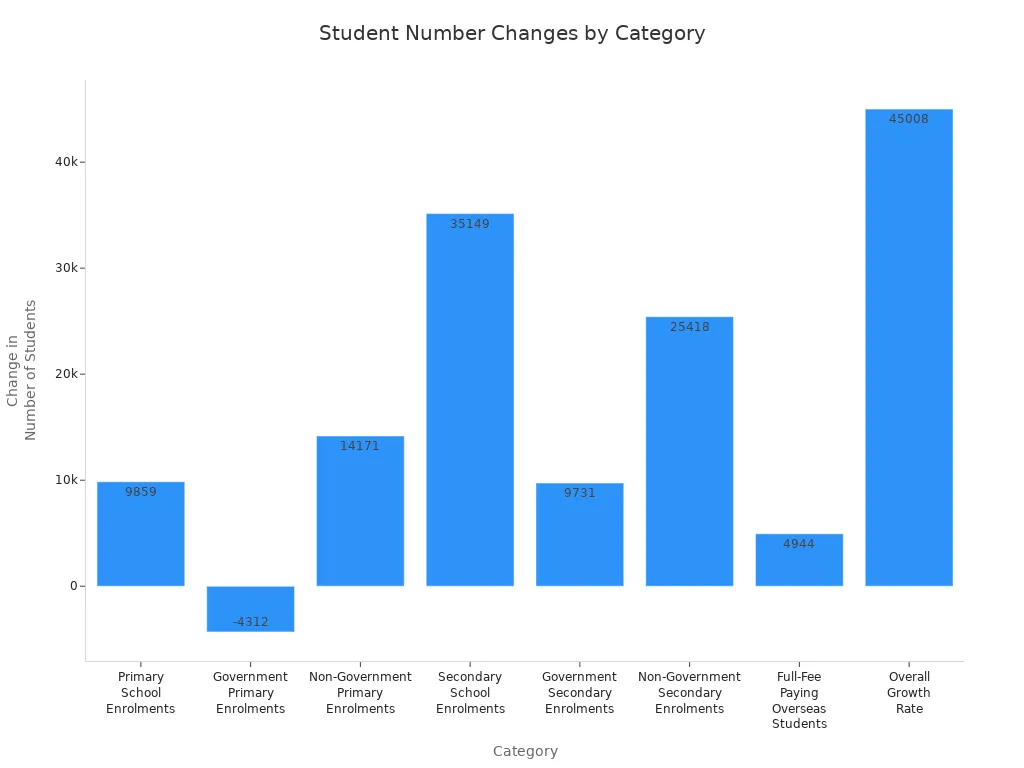
Schools seek cost-effective solutions to solve overcrowding and enhance learning for students. The modular container school offers a cost-effective solution for overcrowded schools, providing affordable options such as portable classrooms and container classrooms that adapt to changing educational needs. Lanen’s modular approach delivers portable, temporary spaces that support flexible classrooms, meeting the demand for modern, adaptable environments.
Key Takeaways
Modular container schools provide a quick solution to overcrowding, with classrooms ready for use in just 2-4 weeks.
These classrooms offer significant cost savings, reducing expenses by up to 30% compared to traditional building methods.
Flexible designs allow schools to adapt classrooms for various subjects and age groups, meeting changing educational needs.
Sustainability is a key benefit, as modular classrooms repurpose shipping containers and minimise waste, supporting eco-friendly practices.
Schools can enhance learning environments with modern, technology-ready classrooms that support digital learning initiatives.
Overcrowding Challenges in Schools
Impact on Learning
Overcrowding in schools has become a pressing issue as growing student populations put pressure on existing resources. Recent educational reports highlight that high maximum class sizes and inadequate funding for public schools are the main causes of overcrowding. For example, Western Australia allows up to 32 students per class, which is higher than other states. This situation increases the workload for teachers and reduces the amount of individual attention each student receives. Teacher burnout becomes more common, and students find it harder to focus and achieve their best.
Research shows a direct link between overcrowding and lower academic performance. When enrolment exceeds a school's intended capacity, students experience a decline in learning effectiveness. Schools struggle to solve overcrowding, and this challenge affects both teaching quality and student outcomes. Many families seek affordable options, but the lack of space and resources makes it difficult for schools to provide the support students need.
Note: Public schools face a funding shortfall of $4.5 billion, while private schools are overfunded by $800 million this year. Not one of Tasmania's public schools receives the minimum agreed funding level.
Infrastructure Limitations
Many schools face significant infrastructure limitations due to overcrowding. The need for additional classrooms continues to rise, with 7,200 more classrooms required to meet future needs. The following table highlights some of the most common issues:
Schools also face delays in project delivery and insufficient resources, which lead to increased costs and unmet educational demands. Overcrowding in classrooms due to inadequate teaching spaces remains a major concern. Without proper investment, the quality of education suffers, and schools cannot keep up with the needs of their communities.
Modular Container School Solutions
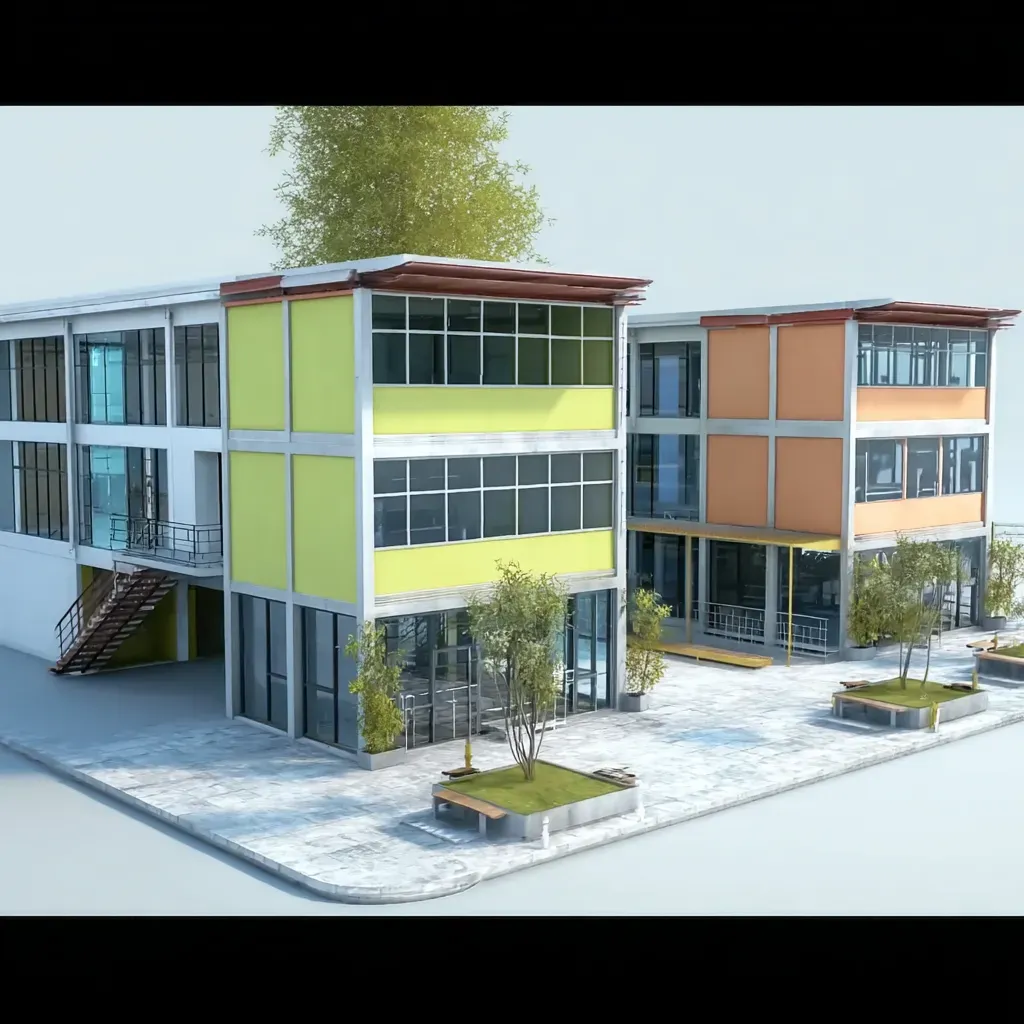
Fast Modular Deployment
Schools face urgent demands for extra space as growing student populations continue to rise. The modular container school offers a rapid response to these challenges. Lanen International leads the market with its innovative modular construction methods, delivering portable classrooms that can be assembled quickly and efficiently.
Modular container classrooms can be set up in as little as 2-4 weeks.
Traditional construction methods require much more time.
Modular classrooms provide a swift, cost-effective solution compared to traditional building.
The transformation from shipping containers to classrooms is both fast and economically viable.
Lanen’s factory-built modules arrive ready for assembly, reducing on-site work and minimising disruption to daily school activities. Schools can install 100m² of teaching space in just one day. This speed allows schools to maintain normal operations while expanding their facilities. Portable classrooms can be deployed during school breaks, ensuring students experience minimal interruption.
Cost-Effective Expansion
Budget constraints often limit the ability of schools to expand. Modular container school solutions address this issue by offering significant cost savings. Modular container construction can lead to savings of up to 30% compared to traditional building methods, making it a financially attractive option for school expansions. Lanen International’s approach ensures that schools receive high-quality, durable portable classrooms at a lower cost.
The factory production process reduces waste by up to 90%. Schools benefit from lower material costs and less labour on site. Portable classrooms and container classrooms offer a cost-effective way to create new learning spaces without the delays and expenses of conventional construction. Schools can invest in more flexible learning spaces and portable campuses, meeting changing educational needs without overspending.
Flexible Classrooms
Modern education requires adaptable spaces that support a variety of teaching styles. Modular container school solutions provide flexible classrooms that can be customised for different subjects and age groups. Lanen International designs container classrooms with high ceilings, robust steel structures, and anti-corrosion treatments, ensuring durability and safety.
Fast installation allows for minimal disruption to learning.
Custom layouts cater to various educational levels and subjects.
Durable materials ensure longevity and withstand daily use.
Flexible designs integrate well with existing campus architecture.
Sustainable construction methods minimise environmental impact.
Modular container classrooms are highly adaptable, providing multi-functional learning spaces that transition easily from traditional setups to modern teaching environments. Schools can relocate portable classrooms as enrolment numbers change. This flexibility ensures that schools can respond quickly to fluctuating student populations and changing educational needs.
Lanen International stands out by offering modular container school solutions that blend seamlessly with existing buildings. Customised façades and roof options allow portable classrooms to match the school’s style. The result is a modern, attractive, and functional education infrastructure that supports students and staff.
Tip: Schools can use modular container school solutions for permanent installations, temporary expansions, or emergency responses, making them a versatile choice for any situation.
Benefits for Students and Staff
Improved Learning Spaces
Modular container classrooms transform the learning environment for both staff and students. These classrooms offer sustainability, cost-effectiveness, and innovative design. The following table highlights key aspects:
Modular construction allows for quick and efficient creation of classrooms. Minimal on-site disruption ensures safety for everyone. Flexible construction timelines fit around academic schedules, so learning continues without interruption.
Safety and Comfort
Safety remains a top priority in modular container classrooms. These classrooms must adhere to strict building codes and standards. They ensure structural safety and comply with fire safety regulations. The table below compares safety features:
Comfort in classrooms is achieved through thoughtful design. Modular container classrooms can be warm in winter and cool in summer. Orientation towards the sun, shade structures, insulation, and airflow all contribute to a stable temperature. The 'passive house' concept helps maintain comfort with minimal energy use. Shade from eaves, awnings, or trellises with vines blocks heat in summer and allows warmth in winter.
Technology-Ready Classrooms
Modern classrooms must support digital learning. Modular container classrooms provide flexibility for different learning environments, such as computer labs or art studios. The table below shows how these classrooms support digital initiatives:
Classrooms come equipped with the infrastructure needed for technology integration. Schools can adapt these classrooms for future needs, ensuring that students have access to the latest educational tools.
Modular vs Traditional Construction

Speed and Disruption
Modular construction offers a clear advantage in speed compared to traditional building methods. Schools often need new classrooms quickly to address overcrowding. Modular classrooms arrive as factory-built units, ready for rapid assembly on-site. This process allows schools to add 100m² of teaching space in a single day. Traditional construction, by contrast, can take months and often disrupts daily school life. Modular solutions minimise noise, dust, and safety risks, letting students and teachers continue their routines without major interruptions. Many schools choose modular classrooms during holidays or breaks, ensuring minimal impact on learning.
Sustainability
Sustainability stands at the heart of modular container school design. Repurposing shipping containers for modular classrooms reduces waste and keeps containers out of landfills. The modular building process uses fewer materials and often includes recycled content. Local sourcing of materials helps cut transport emissions. Eco-friendly materials in modular classrooms support strong operational performance and reduce the impact on the local environment. The modular approach controls site emissions and waste, making it a responsible choice for schools. Sustainable design also improves health by using non-toxic materials, maximising daylight, and ensuring good air quality.
Many modular projects use green technologies such as solar panels and rainwater harvesting.
Adelaide’s Youth Inc. modular classrooms use solar power and other green features to create sustainable learning spaces.
Long-Term Value
Modular classrooms provide long-term value for schools. The robust steel structures in modular container schools ensure durability and safety for decades. Anti-corrosion treatments and high-quality finishes extend the lifespan of modular buildings. Schools can reconfigure or relocate modular classrooms as needs change, offering flexibility that traditional buildings cannot match. Modular solutions also blend with existing architecture, maintaining the school’s visual appeal. Over time, modular classrooms help schools save on maintenance and energy costs, supporting both financial and environmental goals.
Implementation and Portable Classrooms
Planning and Logistics
Schools planning to introduce portable classrooms must consider several important steps. First, they assess the current and projected enrolment numbers. This helps determine the number of portable classrooms required. Next, they select suitable locations on campus for installation. Site preparation often involves minimal groundwork, as portable classrooms can be placed on existing surfaces.
Project managers coordinate with suppliers to ensure timely delivery of portable units. Factory-built modules arrive ready for assembly, which reduces on-site construction time. Schools can install portable classrooms during school holidays or weekends, minimising disruption to learning. The modular nature of these classrooms allows for rapid deployment, with installation often completed in just a few days.
Portable classrooms offer flexibility for both short-term and long-term needs. Schools use them as temporary solutions during renovations or as permanent additions to growing campuses. The ability to relocate or reconfigure portable classrooms supports changing curriculum requirements and fluctuating student numbers.
Tip: Schools can create portable campuses by grouping several portable classrooms together, providing a cohesive and adaptable learning environment.
Case Studies
Many schools have reported positive outcomes after implementing portable classrooms. Lanen Modular Container School has delivered projects that showcase the advantages of this approach.
Schools have found portable classrooms to be affordable, adaptable, and sustainable.
The high flexibility of portable classrooms allows schools to adjust spaces for different subjects and activities.
Repurposing shipping containers for portable classrooms helps reduce the carbon footprint.
Portable classrooms can be installed and ready for use in 4-12 weeks, much faster than traditional construction.
Schools experience minimal site disruption, as portable classrooms arrive pre-fabricated and require little on-site work.
Portable classrooms can be reconfigured or relocated to meet specific community needs.
Traditional construction often involves lengthy timelines and high costs, while portable classrooms offer factory precision and rapid assembly.
Lanen’s projects demonstrate that portable classrooms provide practical, efficient, and sustainable solutions for schools facing space challenges. Schools benefit from the ability to expand quickly, maintain high-quality learning environments, and support both temporary and permanent needs.
Modular container schools offer a practical answer to overcrowding and space shortages. Schools benefit from:
Rapid deployment and minimal disruption
Cost savings and efficient use of resources
Flexible layouts that adapt to changing needs
High-quality, durable construction
School leaders should explore modular solutions to future-proof their campuses and provide students with inspiring learning environments.
FAQ
What is a modular container school?
A modular container school uses factory-built modules, often made from shipping containers, to create classrooms and other learning spaces. These modules arrive ready for assembly, allowing schools to expand quickly and efficiently.
How long does it take to install a modular classroom?
Most modular classrooms can be installed within a few days. Lanen’s system can deliver 100m² of teaching space in just one day, minimising disruption to school activities.
Are modular container schools safe and durable?
Yes. Lanen’s modular container schools use robust steel structures with anti-corrosion treatments. They meet strict wind and seismic standards, ensuring safety and a long lifespan.
Can modular classrooms support modern technology?
Absolutely. Modular classrooms come equipped with infrastructure for digital learning. Schools can easily add features such as interactive whiteboards, Wi-Fi, and charging stations to support technology-rich lessons.