

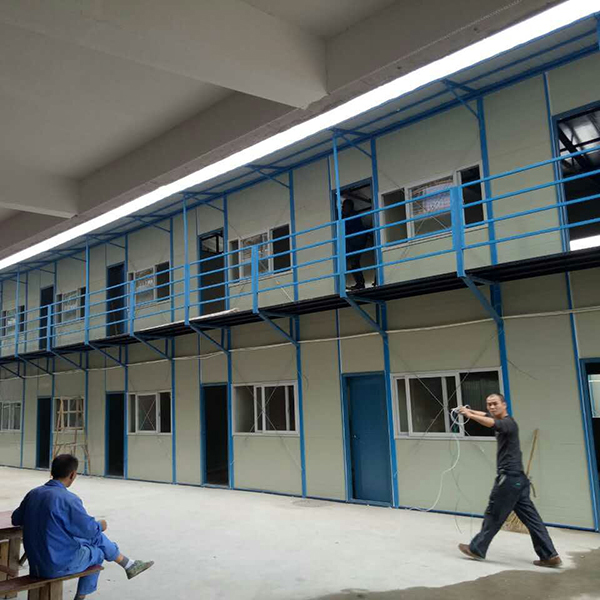
You can expect folding container houses to provide strong waterproof and windproof protection in most environments. Many owners share concerns about weather resistance, especially after moving their homes. Some common issues include:
Leaks from poorly sealed joints or caulking
Frames bending after relocation
Overflowing gutters during heavy rain
Stretched seams causing doors to jam or allow water inside
Foundation problems from unstable soil
These concerns show that both construction quality and ongoing maintenance play a big role in how well your container home stands up to the elements.
Key Takeaways
Folding container houses offer strong waterproof protection with interlocking groove designs that prevent leaks.
Regular maintenance is crucial; inspect seals around windows and doors at least twice a year to ensure they remain watertight.
Reinforced frames and corners enhance wind resistance, allowing these homes to withstand winds up to 180 mph.
Choose models with high wind resistance ratings if you live in storm-prone areas to ensure safety and stability.
Upgrading insulation and adding features like solar panels can improve energy efficiency and comfort in all climates.
Waterproofing in Folding Container Houses
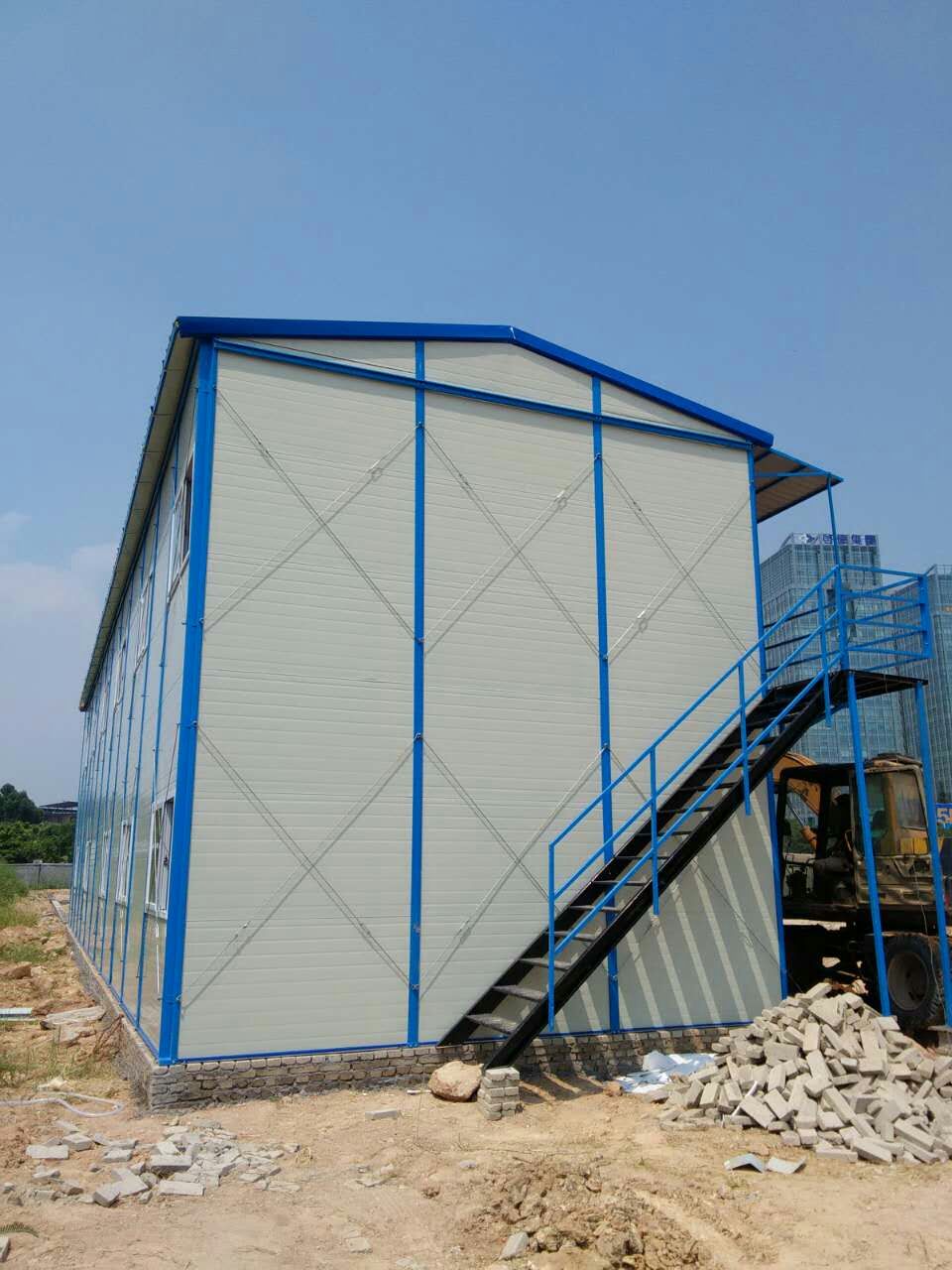
Interlocking Groove Design
You want your container homes to stay dry inside, even during heavy rain. Manufacturers use an interlocking groove design for the panels of folding container houses. This design helps each panel fit tightly against the next. The grooves direct water away from the seams, which reduces the chance of leaks. You get a watertight seal that keeps rain and water resistance high. This feature also improves the weatherproofing capabilities of your home. The interlocking system works well for both walls and roofs, making it a reliable choice for portable folding container house models.
Sealing Openings and Joints
Windows, doors, and joints are common weak points in container homes. You need to pay special attention to these areas to prevent water from entering. Builders use advanced sealants to close gaps around these openings. The most effective sealants have several important features:
You should check the seals around windows and doors at least twice a year. If you see cracks or gaps, apply additional waterproofing with a high-quality sealant. This step will help maintain protection from humidity and improve the long-term durability of your home.
Tip: Use proper insulation around windows and doors. This will help prevent condensation and add another layer of defense against leaks.
Waterproof Limitations
No container homes are completely immune to water problems. You may face leaks if the home shifts on its foundation or if the sealant ages and cracks. Snow and ice resistance can also become an issue if you live in a cold climate. Heavy snow can build up on the roof and cause water to seep through seams. You should remove snow quickly and check for ice dams after storms.
Portable container homes need regular maintenance to stay waterproof. Inspect the roof, gutters, and all seals every season. Clean debris from gutters to prevent overflow. Replace old sealant as soon as you notice wear. If you live in a very wet area, consider adding necessary insulation and extra waterproof layers to the roof and walls.
You can improve the durability and weatherproof performance of your home with these simple steps. Regular care will keep your home comfortable and dry, no matter the weather.
Windproof Strength of Folding Container Houses
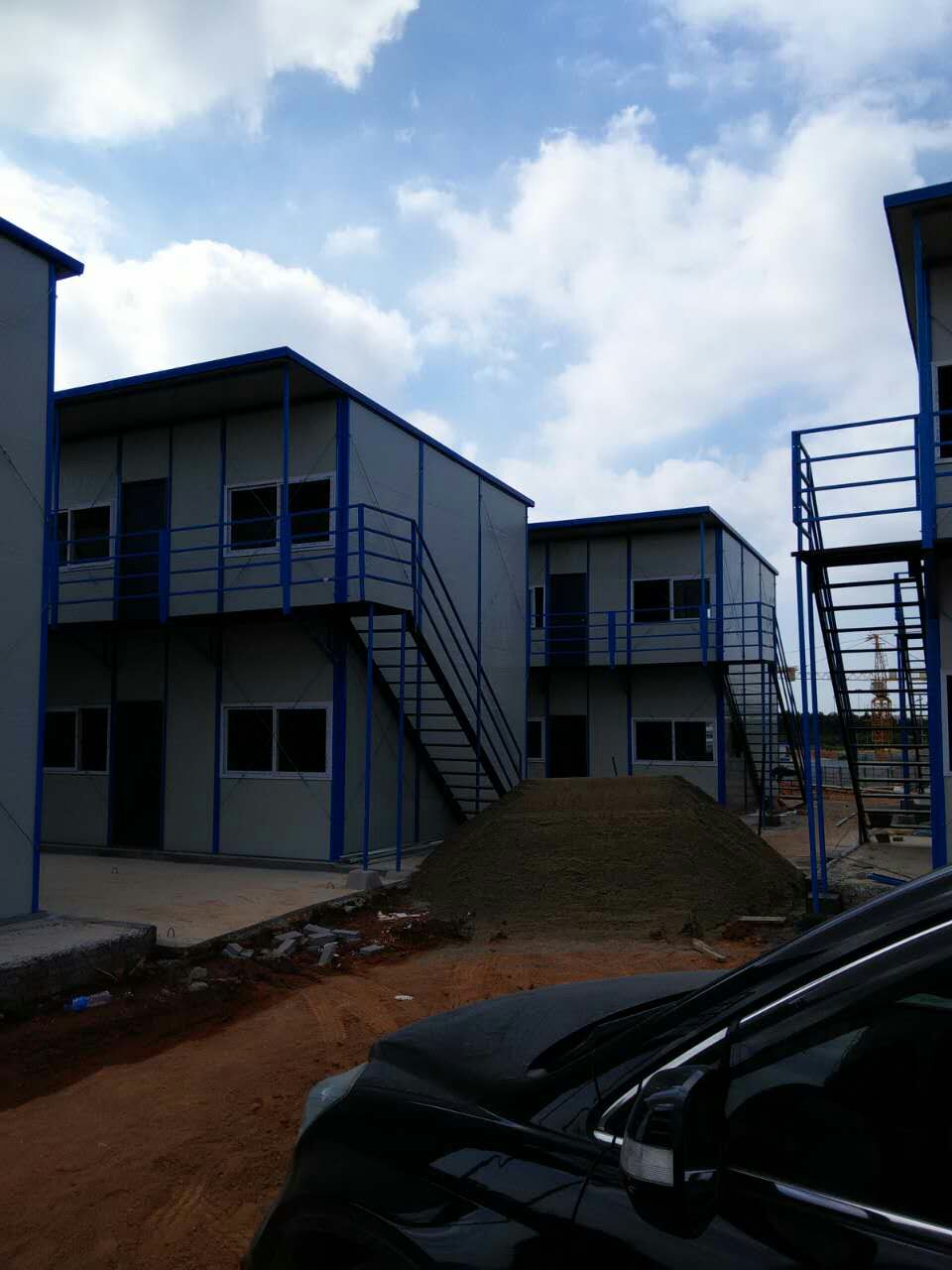
Reinforced Corners and Frames
You want your container homes to stand strong against high winds. Manufacturers design reinforced corners and frames to boost windproof performance. These features give your home good stability and carrying capacity. The steel frame structure creates a solid shell that resists bending and twisting. Reinforced corners help distribute wind pressure evenly across the building. This design keeps the structure from warping or collapsing during storms. You can trust the structural integrity of your portable folding container house when facing tough weather. The frame and corners work together to provide long-term durability and safety for you and your family.
Wind Resistance Ratings
You should always check the wind resistance ratings before choosing a container home. Most modern container homes can withstand wind speeds up to 150-180 mph. This level of wind resistance matches the strength of many hurricanes and severe storms. Manufacturers test these homes to ensure they meet strict standards for structural stability. You can find these ratings in the product specifications or by asking your supplier. If you live in a region with frequent high winds, select a model with a proven track record for windproof performance.
Tip: Always anchor your container homes securely to the foundation. Proper anchoring increases structural stability and reduces the risk of shifting during storms.
Extreme Weather Considerations
You may face extra challenges if you live in hurricane or tornado-prone areas. Strong winds can lift or move even heavy structures if not anchored well. You should use ground anchors or tie-down systems designed for container homes. These systems keep your home in place during extreme weather. Inspect the anchoring points and frames regularly for signs of wear or rust. Replace damaged parts right away to maintain windproof protection.
Portable container homes offer flexibility, but you must take extra steps for weatherproof safety. Add storm shutters to windows and doors for extra protection. Trim nearby trees and remove loose objects from your yard before storms. These actions help prevent damage from flying debris.
Note: Regular maintenance checks improve the long-term durability of your home. You protect your investment and keep your family safe by staying prepared.
You can rely on folding container houses for strong windproof performance when you follow these guidelines. The combination of reinforced frames, high wind resistance ratings, and proper maintenance ensures your home remains secure in all conditions.
Enhancing Container Homes for All Climates
Choosing the Right Model
You should always match your container homes to your local climate. Some models offer better durability, insulation, and comfort than others. The table below compares folding container houses with K-Type prefab shelters. You can see that folding container houses provide a longer lifespan, better insulation, and higher comfort, especially in extreme climates.
If you want reliable weatherproof performance, consider brands like Lanen International. Their portable folding container house models use advanced materials and design features that boost both waterproof and windproof protection.
Upgrades and Modifications
You can enhance your container homes with climate-specific features. Many models now include corrosion-resistant materials, solar panels, and smart home integration for energy efficiency and comfort.
You should also add proper insulation to walls, roofs, and floors. This step keeps your home comfortable in both hot and cold seasons. Upgrading doors and windows improves impact resistance and helps prevent leaks. Lanen International offers upgrade packages that focus on durability and proper insulation for all climates.
Tip: Install rainwater harvesting and solar panels to make your home more energy efficient and reduce long-term costs.
Seasonal Maintenance
Regular maintenance keeps your container homes weatherproof and extends their lifespan. You should focus on these key tasks each season:
You should inspect the seal around windows and doors, check for damage to the external structure, and make sure proper insulation remains intact. Regular inspections and quick repairs prevent leaks and other weather-related issues. These steps help your portable container homes stay safe and comfortable year-round.
You can trust folding container houses to deliver strong waterproof and windproof protection. Key features include tight seals, reinforced steel frames, and designs that meet strict international standards. Regular checks on door seals and insulation help you manage condensation and maintain comfort.
Choose a reliable brand like Lanen International, apply protective coatings, and clean your home regularly. Always assess your local weather risks and consult experts for the best results.
FAQ
Are folding container houses suitable for heavy rain areas?
You can use folding container houses in heavy rain areas. The interlocking groove design and quality sealants keep water out. Regularly check seals and gutters to prevent leaks.
How often should you inspect your container home for weather damage?
You should inspect your container home at least once every season. Look for cracks, worn sealant, or rust. Early repairs help you avoid bigger problems.
Can you upgrade your folding container house for better insulation?
Yes, you can add extra insulation to walls, roofs, and floors. Upgrading windows and doors also helps. Lanen International offers upgrade packages for improved comfort and energy savings.
What should you do if you find a leak?
First, locate the source of the leak. Clean the area and apply a high-quality sealant. If the problem continues, contact your supplier or a professional for help.
Do folding container houses need special anchoring in windy areas?
Yes. You should use ground anchors or tie-down systems in windy regions. Proper anchoring keeps your home stable during storms and prevents shifting.