

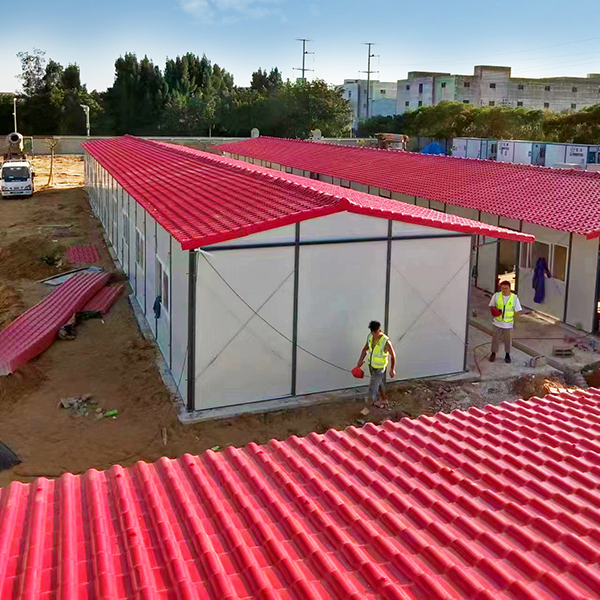
You may wonder if shipping container homes make a smart investment choice for long-term worth. These homes can become a valuable asset when you focus on quality construction, regular maintenance, and the local real estate market. The long-term value of a shipping container home depends on several factors:
If you build and maintain your home well and choose a strong market, you increase its investment potential and profitability. Legal status and market acceptance also shape investment potential, so you must weigh these before treating your home as an asset.
Key Takeaways
Shipping container homes offer lower initial costs compared to traditional houses, making them an affordable investment option.
Regular maintenance, such as sealing and painting, is crucial to preserve the home's value and durability over time.
Choosing a desirable location can significantly enhance the resale value and rental potential of container homes.
Eco-friendly features, like solar panels and energy-efficient insulation, attract buyers and can increase the home's market appeal.
Staying informed about local zoning laws and market trends helps protect your investment and maximize long-term value.
Initial Costs of Container Homes
Comparing Upfront Costs
When you look at container homes, you often notice the lower upfront costs compared to traditional houses. Many people choose container homes because you can buy used shipping containers at a fraction of the price of standard building materials. You also save on labor since the basic structure already exists.
Here is a simple comparison:
You see that container homes offer a more affordable entry point. You can customize the size and layout to fit your budget. Some people build small container homes for less than $50,000. Others invest more for larger, luxury container homes.
Tip: Always include costs for insulation, permits, and site preparation when you plan your budget for container homes.
Cost Savings Over Time
Container homes can help you save money over the years. You spend less on heating and cooling if you use proper insulation. Many container homes use energy-efficient windows and solar panels. These features lower your utility bills.
You also benefit from lower maintenance costs. The steel structure of container homes resists pests and mold. You do not need to worry about termites or wood rot. If you keep up with painting and sealing, your container homes will last for decades.
Some owners use container homes as rental properties. You can earn extra income and recover your investment faster. If you choose a good location, container homes attract renters who want unique and eco-friendly living spaces.
Container homes give you flexibility. You can expand or move them if your needs change. This adaptability adds value and helps you protect your investment.
Durability and Maintenance of Shipping Container Homes
Lifespan and Structural Strength
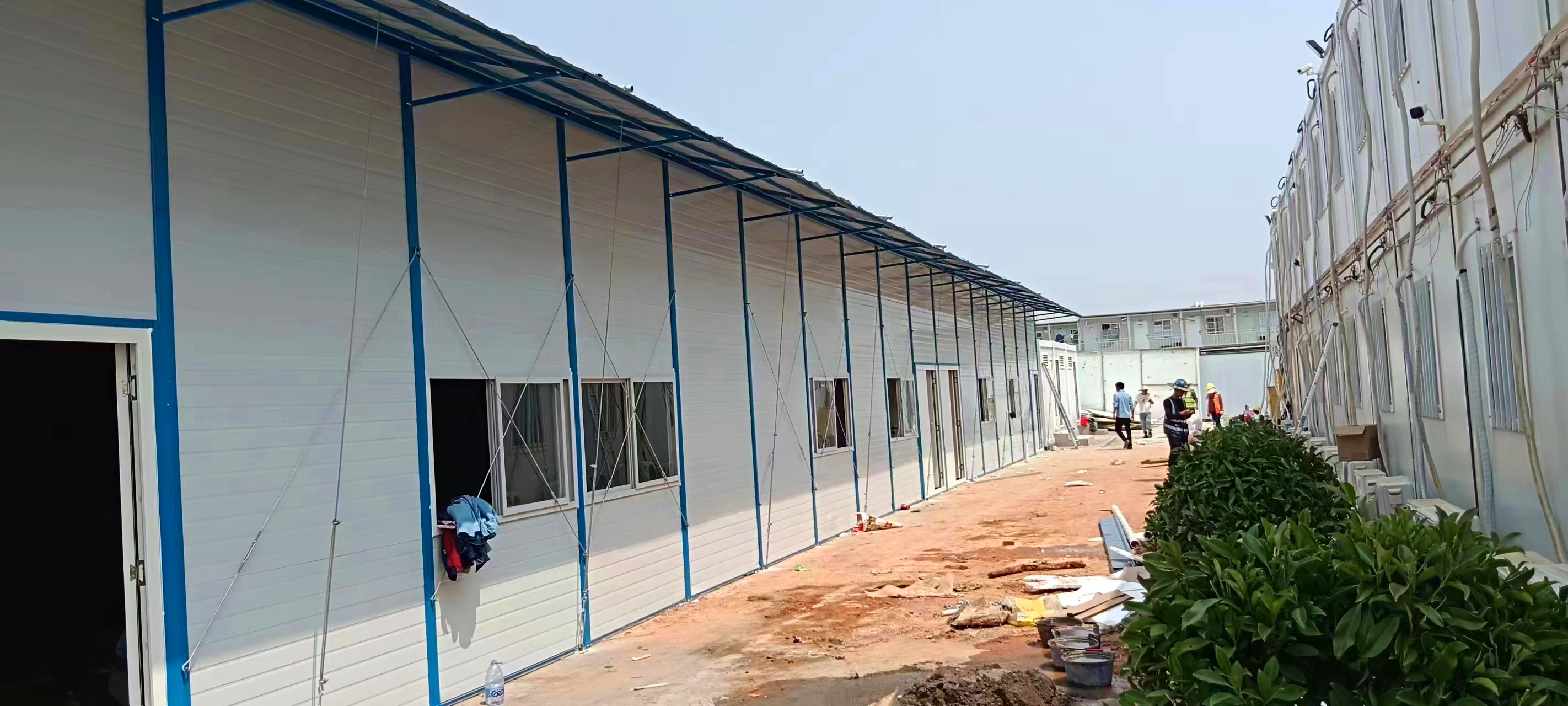
When you invest in a shipping container home, you benefit from impressive durability. Steel shipping containers can withstand harsh weather, heavy loads, and even seismic activity. This strength means your home can last for decades with proper care. Many homeowners find that container homes retain or even appreciate in value over time, similar to traditional houses. The steel framework resists termites and rot, so you avoid common problems that affect wood-framed homes.
You should know that durability depends on the quality of construction and regular upkeep. If you choose a well-built design and follow recommended maintenance procedures, your home will maintain its structural integrity for many years. Lanen International, for example, uses advanced design indicators and surface coating protection to enhance the lifespan of their container homes. These features help you enjoy a safe and comfortable living space while protecting your investment.
Tip: Inspect your container home regularly to catch any issues early and extend its durability.
Maintenance Needs
Shipping container homes require less maintenance than traditional homes. The steel construction means you do not need to worry about termites or wood rot. You will spend less on repairs and upkeep over a ten-year period. Here are the most common maintenance tasks you should expect:
Regular inspection and maintenance
Waterproofing treatment to prevent rust
Professional scratch repair for steel surfaces
Interior cleaning to maintain comfort
Accessory maintenance standards for doors and windows
Surface coating protection to fight corrosion
You also need to follow maintenance procedures and keep up with technological process regulations. Operator training and certification requirements may apply if you handle repairs yourself. With proper care, your container home will keep its durability and comfort for many years. Lower maintenance costs and fewer repairs make container homes a smart choice for long-term value.
Do Shipping Container Homes Hold Value?
Depreciation Rates and Value Retention
You want your container homes to hold value over time. Many buyers ask if these homes lose value quickly or if they can appreciate in value like traditional houses. The answer depends on several factors, but you can expect strong value retention when you focus on quality and location.
Container homes often have lower depreciation rates than mobile homes or prefabricated structures. The steel construction resists pests, mold, and weather damage. This durability helps your shipping container home maintain its resale value. In many cases, container homes in desirable areas can even appreciate in value, especially when demand for affordable and sustainable housing rises.
Note: The average resale value for container homes is about $75,000. This number changes based on design, features, and location.
You also benefit from a growing market. The global container home market is projected to exceed $73 billion by 2026. Increased interest in affordable and eco-friendly living supports long-term value. If you invest in a shipping container home in a high-demand area, you can expect a return on investment between 25% and 35%. Many owners use container homes as rentals in tourist hotspots, which helps them recover costs and hold value over time.
Factors That Help Homes Hold Value
Several key factors help container homes hold value and protect your investment. You should pay attention to these areas if you want your home to keep its worth for years.
Choose a location with strong demand for affordable housing. Urban and suburban areas often see higher resale value.
Invest in quality construction. Well-built container homes hold value better than those with shortcuts or poor materials.
Watch market trends. As more buyers seek sustainable and unique homes, container homes continue to hold value.
Consider upgrades and features. Modern designs, energy-efficient systems, and smart layouts increase resale value.
Use your container home as a rental. High tourist traffic areas can boost your return and help your home appreciate in value.
Tip: Regular maintenance, such as sealing and painting, keeps your container homes looking new and helps them hold value.
You can see that container homes offer strong value retention when you focus on the right factors. The combination of durability, market demand, and smart investment choices helps your shipping container homes hold value and provide long-term value for you as an owner.
Market Demand and Long-Term Value
Trends Affecting Container Homes
You see a growing demand for container homes in many regions. People want an affordable housing solution that stands out. Many buyers look for eco-friendly options, and container homes meet this need. You notice that younger buyers and investors often choose these homes for their unique style and lower costs. The market appeal of container homes continues to rise as more people seek alternatives to traditional housing.
You also find strong rental demand in urban areas. Travelers and students often prefer container homes for short-term stays. This trend helps you maintain a stable resale value. When you invest in container homes, you tap into a market that values sustainability and flexibility. Lanen International, a leader in the industry, reports steady growth in demand for container homes worldwide. Their research shows that buyers want homes that offer both value and durability.
Note: Market trends can shift quickly. You should watch for changes in local demand and buyer preferences.
Location and Legal Classification
Location plays a big role in the long-term value of container homes. You get higher resale value when you build in areas with strong demand for affordable housing. Urban and suburban locations often attract more buyers and renters. If you choose a remote area, you may see less demand and lower resale value.
Legal classification affects how your container home is assessed and sold. Some regions treat container homes as permanent structures, which can increase their value. Other places may classify them as temporary or mobile, which can limit your resale options. You should check local zoning laws before you invest. Lanen International recommends working with local authorities to ensure your container home meets all legal requirements. This step protects your investment and helps you achieve stable resale value.
Tip: Always research local laws and market demand before building or buying container homes.
Customization and Sustainability
Impact of Upgrades on Value
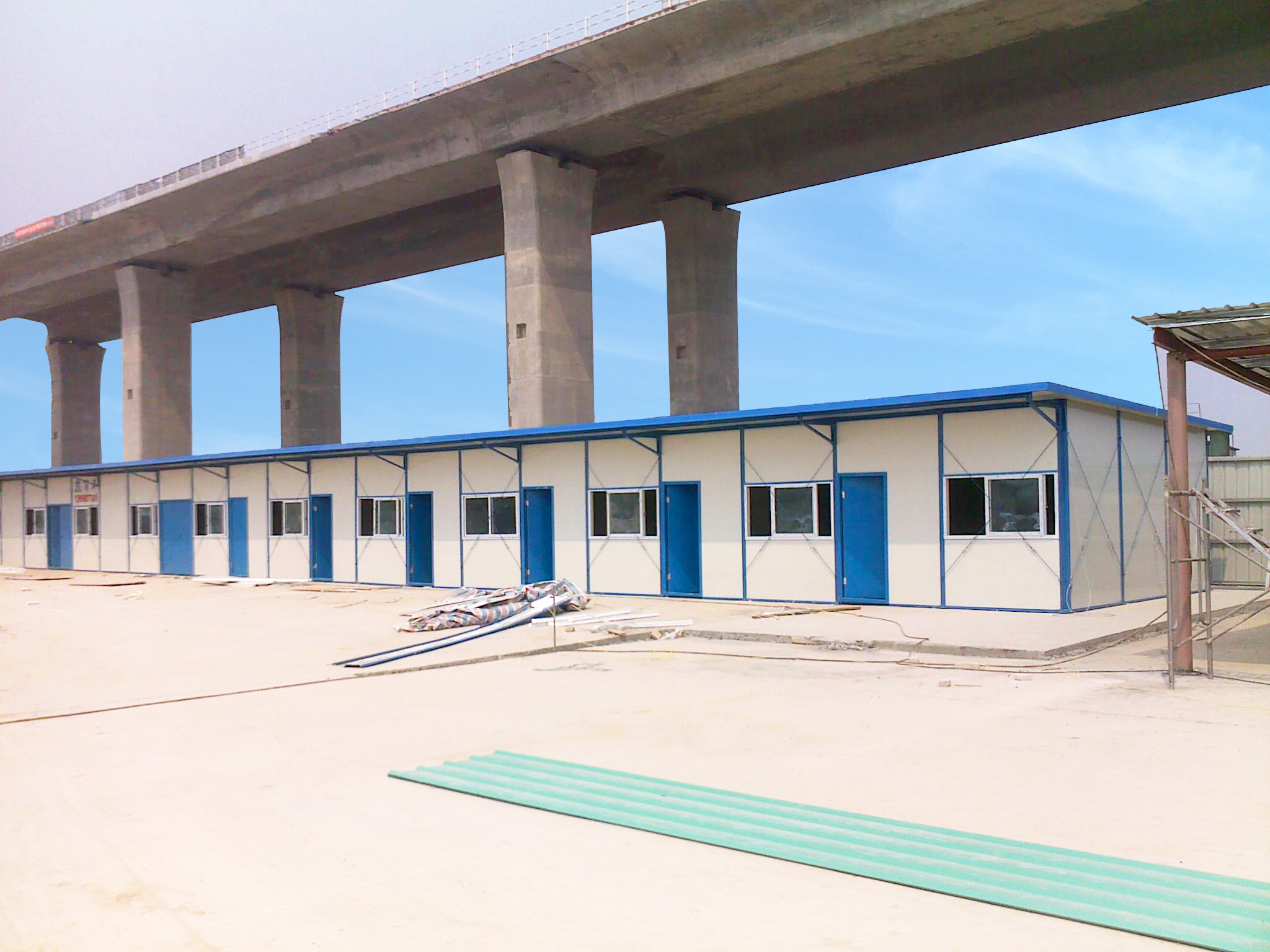
You can increase the value of container homes by choosing smart upgrades. Many buyers look for features that improve comfort and function. When you add high-quality insulation, modern windows, or energy-efficient systems, you boost both the appeal and the value of your home. Upgrades like solar panels, advanced HVAC systems, and custom interiors show your commitment to quality. These improvements make your home stand out in the market.
A well-constructed container home with thoughtful upgrades often attracts higher offers. You should focus on the quality of the build and the quality of construction. Buyers notice when you use durable materials and skilled craftsmanship. If you invest in quality finishes and smart layouts, you protect your investment and help your home hold its value over time.
Tip: Choose upgrades that match local buyer preferences. This strategy helps you get the best return on your investment.
Eco-Friendly Features
Sustainability plays a big role in the long-term value of container homes. Many people want homes that use fewer resources and create less waste. You can add eco-friendly features to your home, such as solar panels, rainwater collection systems, and recycled materials. These choices support sustainability and attract buyers who care about the environment.
Container homes often use advanced insulation materials like rock wool blankets, PIR foams, and ceramic paints. These materials help control temperature and reduce energy use. The table below compares energy efficiency features between container homes and conventional homes:
You see that container homes offer strong energy efficiency and lower costs. When you focus on sustainability and quality, you help your home keep its value. Lanen International recommends using eco-friendly upgrades to improve both comfort and market appeal. Buyers often pay more for homes that support a sustainable lifestyle.
Risks and Considerations for Investors
Zoning and Building Codes
You must check local zoning laws before you build container homes. Some cities do not allow these structures in residential areas. Others may require special permits or inspections. If you ignore these rules, you risk fines or even removal of your home. Legal classification also affects your home's value. Some regions treat container homes as permanent dwellings, while others see them as temporary. This difference can change how your property gets taxed and how buyers view its resale potential. Lanen International recommends working with local officials to ensure your project meets all requirements.
Insulation and Comfort
Container homes need proper insulation to provide comfort in all seasons. Steel walls transfer heat and cold quickly. Without good insulation, you may face high energy bills and uncomfortable living conditions. You should invest in quality materials like spray foam or rock wool. These upgrades help maintain temperature and protect your home's value. Buyers often look for energy-efficient features when they enter the market. If you skip insulation, you may see faster depreciation compared to traditional homes.
Market Uncertainty
The market for container homes changes quickly. Trends in design, sustainability, and buyer preferences can shift in a few years. You may see strong demand now, but future buyers might prefer other housing types. This uncertainty affects your home's long-term value. Unlike traditional homes, container homes may face more price swings. You should research local trends before making an investment. Watch for changes in laws, buyer interest, and resale activity. Staying informed helps you protect your home's value in a changing market.
You see strong value in shipping container homes when you focus on build quality, location, and legal status. Lower construction costs and high rental demand make these homes a smart investment. You can boost value with upgrades and eco-friendly features. As consumer interest in sustainability grows, shipping container home value often appreciates, especially in urban areas. Lanen International recommends researching market trends and customizing your container home to maximize long-term value.
Key takeaways:
Lower initial costs and strong rental income potential
Eco-friendly appeal and flexible customization
Value retention depends on maintenance and market demand
FAQ
How long do shipping container homes last?
You can expect a well-maintained shipping container home to last 25 to 50 years. Regular inspections and protective coatings help extend its lifespan. Lanen International recommends annual maintenance for best results.
Are container homes safe in extreme weather?
Container homes offer strong resistance to wind, rain, and earthquakes. You should reinforce doors and windows for extra safety. Proper insulation also helps protect against temperature extremes.
Can you finance a shipping container home?
Many banks and lenders now offer loans for container homes. You may need to show detailed plans and proof of legal compliance. Lanen International suggests working with lenders familiar with alternative housing.
Do container homes require special permits?
Most areas require permits for container homes. You should check local zoning laws before building. Some regions treat them as permanent homes, while others see them as temporary structures.
What upgrades add the most value?
Energy-efficient windows, quality insulation, and solar panels increase value the most. Buyers also look for modern kitchens and bathrooms. Lanen International recommends eco-friendly upgrades to attract more buyers.