

Yes, you can turn a shipping container home into a comfortable home with smart design. Many people think a shipping container feels too hot or cold, but good insulation and climate control give you steady comfort. You might worry about limited living space, but creative solutions make every inch count. Here’s what you should know:
Container homes cost less than traditional houses and let you customize your space.
Using old shipping containers helps the environment and keeps your footprint small.
These homes are strong, durable, and can move if you need a new spot.
Before you start, think about your lifestyle and what makes you feel at home.
Key Takeaways
Shipping container homes are affordable and customizable, making them a great option for unique living spaces.
Good insulation and climate control are essential for comfort in a shipping container home, ensuring a pleasant environment year-round.
Smart layout choices, like open floor plans and multi-functional furniture, maximize space and enhance comfort.
Incorporating natural light through large windows and mirrors can make your container home feel bigger and more inviting.
Creating outdoor living areas, like decks or patios, can significantly expand your usable space and enhance your lifestyle.
Shipping Container Home Size & Layout
Container Home Dimensions
When you start planning your container home, you need to know the actual dimensions you’ll work with. Standard shipping container homes come in two main sizes: 20ft and 40ft. After you add insulation and finishes, the interior space gets a bit smaller. Here’s a quick look at the typical interior measurements:
You can see that both options give you a narrow but long living space. Insulation is important for comfort, but it does take away a few inches from each wall. You should plan for this when you design your layout.
20ft vs. 40ft Container Homes
Choosing between a 20ft and a 40ft container home depends on your needs and how much space you want. Singles or couples often pick the 20ft size because it feels cozy and is easy to manage. Families usually go for the 40ft option, which gives you more room to spread out.
Let’s compare the usable space:
A 40ft container home almost doubles your living space compared to a 20ft one. You can fit a separate bedroom, a larger kitchen, or even a small office. If you want even more space, you can connect multiple containers. Brands like Lanen International offer flexible solutions, so you can mix and match sizes to create your ideal home.
Layout Choices for Comfort
You can make your container home feel bigger and more comfortable with smart layout choices. Here are some popular ideas:
Use natural light and neutral colors to make your living space feel open and airy.
Add mirrors and large windows. These features create the illusion of more space.
Design your layout to open up to the outdoors. A sliding door to a deck or patio can make your home feel twice as big.
You can also try these tips:
Keep the layout simple. Open floor plans work well in shipping container homes.
Use furniture that serves more than one purpose, like a sofa bed or a fold-down table.
Plan for built-in storage to keep clutter out of sight.
Shipping container homes use steel, which makes them strong and flexible for design. You can build them off-site and move them to your land. They cost less and go up faster than traditional homes, so you get comfort and value. With the right layout, you can turn a shipping container into a cozy, stylish home that fits your lifestyle.
Tip: Think about how you live day-to-day. Do you need a quiet spot to work? Do you love to cook? Let your routine guide your layout choices.
Container Home Floor Plans & Space Solutions
Open Layouts for Spacious Feel
You want your shipping container home to feel open and inviting, not cramped. Open layouts work best for this. When you skip unnecessary walls, your living space feels much larger. Many people choose open-concept floor plans for shipping container homes. You can combine your kitchen, dining, and living areas into one big space. Large windows and glass doors help bring in natural light, making your container home feel even bigger.
Here’s a quick look at some of the most popular floor plans for shipping container homes:
Dividing Space Efficiently
Even with an open layout, you still need some privacy. You can divide your living space with clever tricks. Use bookshelves, curtains, or partial walls to create zones for sleeping, working, or relaxing. This keeps your container home organized and cozy. Efficient floor plans use every inch wisely. Built-in desks or fold-down beds help you get more from your custom space solutions.
Tip: Try using rugs or different flooring to mark off areas without building walls.
Movable Walls & Sliding Doors
Movable walls and sliding doors give you flexibility in your container home. You can open up your living space during the day and close off a bedroom at night. Sliding doors take up less room than swinging doors, which is perfect for narrow layouts. Many shipping container homes use these features to create a functional layout that adapts to your needs. You get privacy when you want it and openness when you need it.
Shipping container homes offer endless ways to design your floor plans. With smart choices, you can create a living space that feels big, bright, and comfortable.
Design Tips for Shipping Container Homes
Multi-Functional Furniture
You want your container home to work hard for you. Multi-functional furniture helps you do just that. You can choose a foldable table that hangs on the wall and serves as both a desk and a dining spot. A daybed can turn into a double bed and even has storage underneath. Some people use a kitchen trolley that doubles as a DJ table, with space for tableware below. Modular sofa beds give you a comfy place to sleep and hide bedding inside. These pieces make your floor plans flexible and keep your living space tidy.
Tip: Pick furniture that does more than one job. You will save space and make your layout more efficient.
Vertical Storage Ideas
Maximizing space in a container home means looking up. Walls offer lots of storage options. Floating shelves keep things off the floor and make your home feel open. Beds with built-in drawers or ottomans with hidden storage help you stay organized. You can use slim rolling boxes under the bed for clothes or linens. Over-the-door shelves work well in kitchens and bathrooms. Transparent containers let you see what you have at a glance. These ideas boost efficiency and keep your floor plans clutter-free.
Light Colors & Materials
Light colors make your container home feel bigger and brighter. Try white or pale gray on walls and ceilings. Polished concrete works well for floors because it is tough and resists moisture. Natural wood softens the look and adds warmth. Stone brings texture and a grounded feel to your interior. These materials help your floor plans look modern and welcoming.
Maximizing Natural Light
Natural light changes everything in a shipping container home. You can add large windows or glass panels to your layout. Place a big mirror across from a window to bounce sunlight around the room. This trick makes your living space feel larger and more open. Check out this table for quick ideas:
Good light also helps with energy efficiency. You use less electricity during the day, which saves money and helps the planet. Smart design choices make your container home comfortable and stylish.
Expanding Space in Container Homes
Built-In Storage
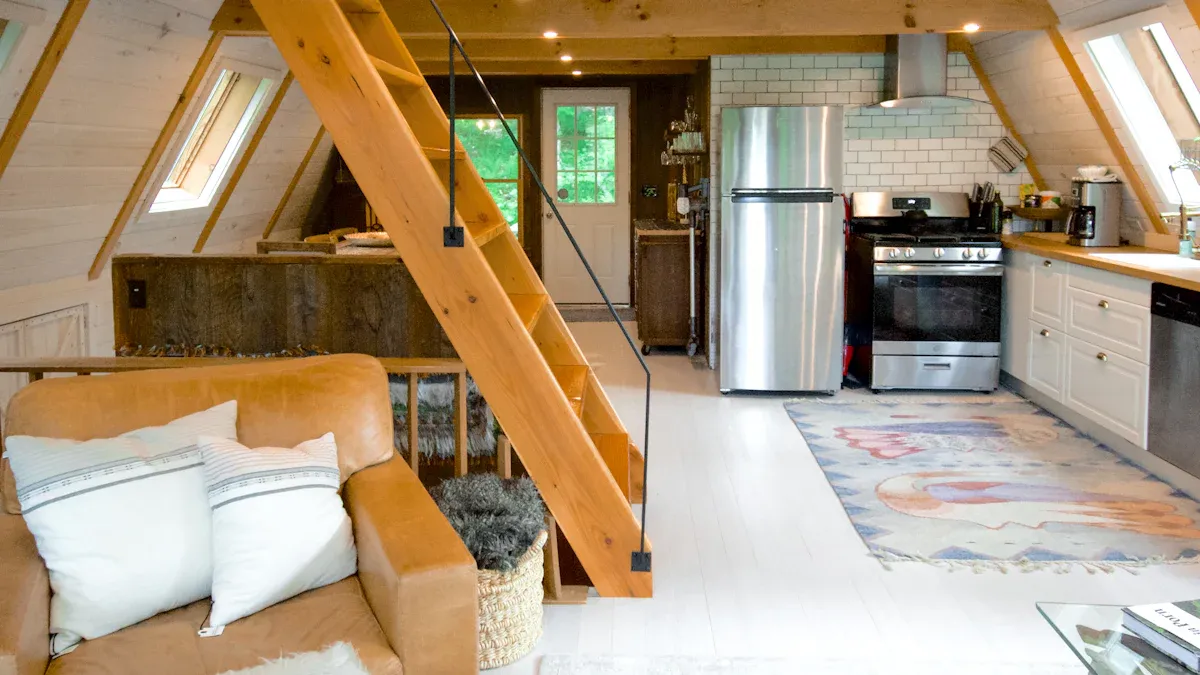
You can make your container home feel bigger by using built-in storage. Built-in shelves, benches, and beds help you use every inch of space. Wall storage keeps your things organized and off the floor. You might add drawers under your bed or a bench with hidden compartments. These ideas work well in all floor plans. When you design your layout, think about how you can use the height of your walls. Tall cabinets and floating shelves give you more room for books, clothes, or kitchen items. You will notice less clutter and more open space.
Tip: Use mirrors near built-in storage to reflect light and make your container home feel even larger.
Outdoor Living Areas
You can expand your living space by creating outdoor areas. A deck or patio gives you a place to relax, eat, or entertain friends. Many people add sliding doors to connect the inside with the outside. This trick makes your floor plans feel more open. You can use outdoor furniture that matches your style. Plants and string lights add a cozy touch. If you have a small container home, an outdoor area can double your usable space. You get fresh air and a new spot to enjoy your morning coffee.
Add a deck for extra dining space.
Use outdoor rugs to define zones.
Try a covered patio for shade and comfort.
Connecting Multiple Containers
You can join more than one shipping container to create a larger home. This option works well if you want more bedrooms, a bigger kitchen, or a home office. You can place containers side by side or stack them for two-story floor plans. Connecting containers gives you more options for your layout. You can design open living areas or private rooms. Large windows and sliding doors help link the spaces together. With smart floor plans, you can turn a shipping container home into a roomy and flexible place to live.
Note: When you connect containers, you can create unique layouts that fit your needs and style.
Shipping Container Home Examples
Comfortable Container Home Case Studies
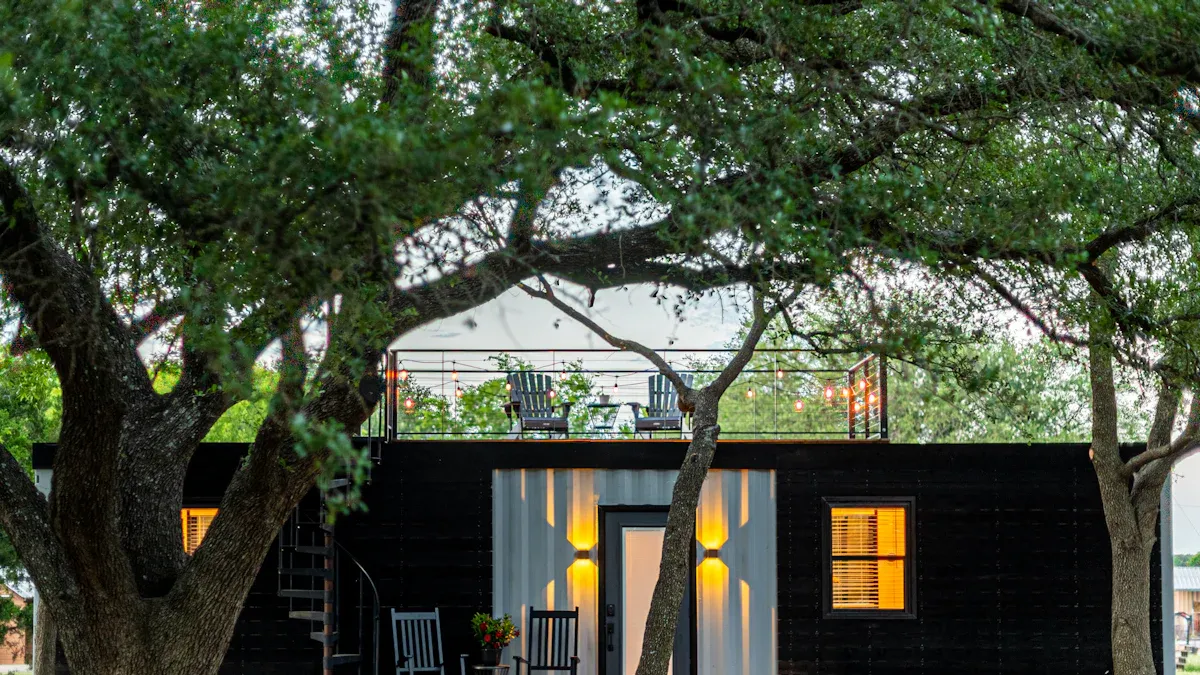
You might wonder how real people make a container home feel cozy. Let’s look at a few case studies. One couple in Texas turned a single 40ft container home into a bright space with an open kitchen and living area. They used large windows and a sliding door to connect their indoor and outdoor spaces. Their floor plans included a built-in bench with storage and a fold-down table for meals. Another family in Oregon combined two containers to create a three-bedroom home. Their floor plans featured a central living room and bedrooms at each end. They added a covered deck to expand their living area.
Lessons from Homeowners
You can learn a lot from people who live in a container home. Many say that smart floor plans make daily life easier. They suggest using multi-functional furniture and built-in storage. One homeowner shared, “Don’t be afraid to change your layout if something doesn’t work.” Another tip: focus on natural light. Large windows and glass doors make a big difference. You should also plan for outdoor space. Even a small patio can make your container home feel much bigger.
“The best part about a container home is how creative you can get with your floor plans.” — Real homeowner
Visualizing Your Container Home
You can start by sketching your own floor plans. Think about how you move through your day. Do you need a quiet spot for work or a big kitchen for cooking? Try using free online tools to design your container home. These tools let you move walls, add furniture, and see your ideas in 3D. You can also look at photos and videos of finished homes for inspiration. Picture yourself living in your new space. With the right floor plans, you can turn a shipping container home into a place you love.
You can create a comfortable shipping container home by following a few key steps:
Prepare your land and lay a solid foundation.
Select containers that fit your needs.
Install and position them for best use.
Upgrade with insulation, windows, and electrical features.
Add enhancements for comfort and style.
When you design thoughtfully and use space-saving ideas, you get a home that’s affordable, eco-friendly, and built to last. Your new space can reduce your carbon footprint, save money, and stand up to tough weather. The possibilities are endless!
FAQ
How do you keep a shipping container home warm or cool?
You can use spray foam or rigid insulation to keep your home comfortable. Good windows and doors help control temperature. Add a mini-split AC or a small heater for extra comfort.
Is it expensive to build a shipping container home?
You usually spend less than on a traditional house. Costs depend on size, finishes, and location. You can save money by doing some work yourself or choosing simple designs.
Do you need special permits for a container home?
Yes, you need permits just like any other home. Check with your local building office before you start. Rules can change by city or state.
Can a shipping container home handle bad weather?
Yes, these homes are strong and built to last. You get solid steel walls that stand up to wind and rain. Just make sure you seal and insulate your home well.