

You might wonder if shipping container homes can keep you safe during hurricane season. These structures handle strong winds, sometimes up to 175 mph, when installed correctly. You get extra peace of mind by adding reinforcements. While no home is completely hurricane-proof, you can trust these homes to offer impressive resistance with the right upgrades.
Key Takeaways
Shipping container homes can withstand winds up to 175 mph when built correctly, providing strong protection during hurricanes.
Reinforce windows and doors with impact-resistant materials to prevent shattering from flying debris.
Securely anchor your home to a solid foundation to prevent shifting or lifting during extreme weather.
Regularly inspect your home for weak points and make necessary upgrades before hurricane season.
Consult with experts like Lanen International for tailored advice on hurricane-resistant designs and materials.
Shipping Container Homes: Hurricane Resistance
Steel Structure Strength
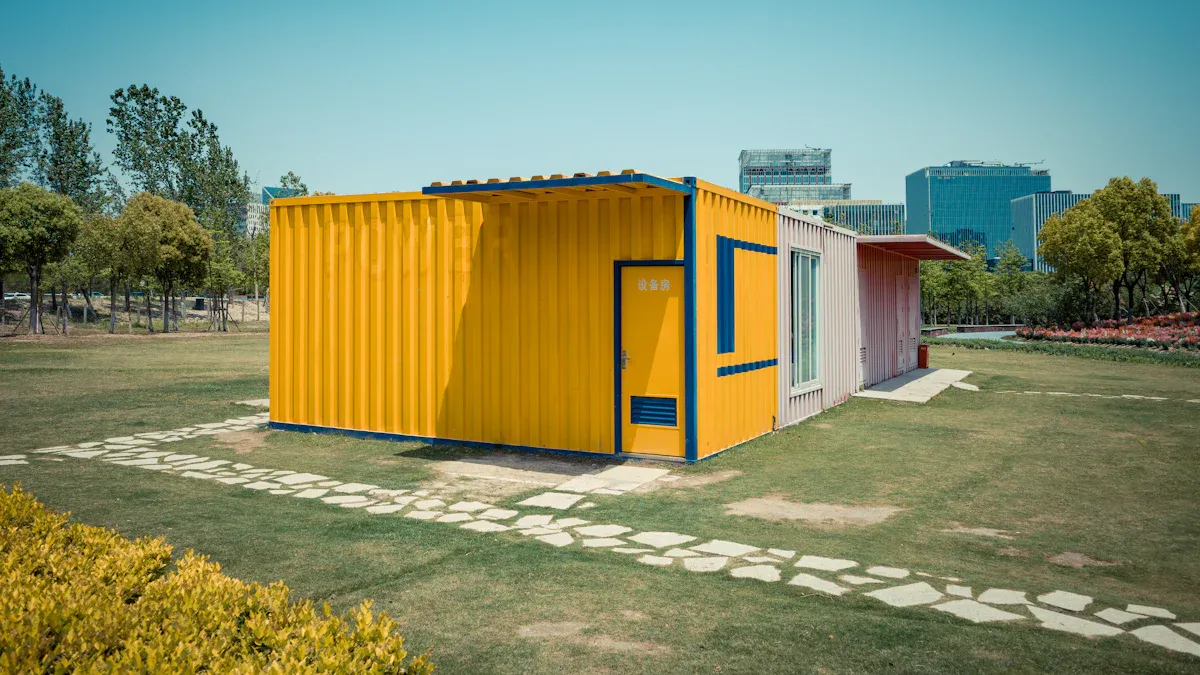
You get a strong foundation when you choose shipping container homes. These homes use heavy-duty steel, which gives you a solid barrier against high winds. Steel resists bending and twisting, so your home stays intact even when storms hit hard. The walls and roof connect as one unit, which helps the structure hold together under pressure.
Tip: You should always check the quality of the steel before building. High-quality steel means better protection during hurricane season.
Many engineers design shipping container homes to handle wind speeds up to 175 mph. This strength comes from the way shipping containers stack and lock together on cargo ships. You benefit from this industrial-grade durability in your own home.
Wind and Debris Protection
Hurricanes bring more than just wind. Flying debris can cause serious damage to most houses. Shipping container homes give you an advantage because the steel walls act as a shield. Small branches, roof tiles, and other objects bounce off the metal surface instead of breaking through.
You can make your home even safer by anchoring it to a strong foundation. Proper anchoring keeps the home from shifting or tipping during extreme weather. You should also work with a builder who understands hurricane-resistant design. They can add extra reinforcements at stress points, like corners and roof edges.
Key features for hurricane resistance:
Welded steel frame
Reinforced corners
Secure anchoring system
Minimal roof overhangs
Note: Lanen International recommends regular inspections before hurricane season. This helps you spot weak points and fix them early.
Shipping container homes offer you a reliable option for hurricane-prone areas. With the right design and installation, you can trust your home to stand strong against wind and debris.
Vulnerabilities and Risks
Foundation and Anchoring Issues
You need to pay close attention to the foundation and anchoring of your home. Even though shipping container homes have strong steel walls, weak foundations can put you at risk during hurricanes. If you do not anchor your home properly, high winds can shift or even lift the entire structure. You should choose a foundation that matches your local soil and weather conditions. Concrete piers, slab foundations, or deep footings work well in most hurricane-prone areas.
Tip: Always consult with a structural engineer before building. Lanen International recommends regular checks on your anchoring system, especially before hurricane season.
Improper anchoring can lead to cracks in the foundation or gaps between the container and the ground. Water can seep in through these gaps, causing further damage. You should inspect your foundation every year and fix any problems right away.
Windows and Doors Weaknesses
Windows and doors often become the weakest points in shipping container homes during hurricanes. Standard windows can shatter when hit by flying debris. Doors may blow open if you do not secure them with strong locks and frames. You should install impact-resistant windows and reinforced doors to reduce these risks.
Common window and door vulnerabilities:
Thin glass panes
Weak frames
Poor seals
Inadequate locking systems
You can add storm shutters or protective screens for extra safety. These upgrades help keep wind and water out of your home. Regular maintenance also plays a big role. Check for loose hinges, cracked glass, or worn-out seals before hurricane season starts.
Note: Taking these steps helps you protect your investment and keeps your family safe.
Safety Upgrades for Hurricane Season
Reinforcement Techniques
You can boost the strength of shipping container homes with several reinforcement methods. Start by adding extra steel bracing at stress points, such as corners and roof edges. Welded steel plates and cross-bracing help the structure resist twisting during high winds. Many homeowners also reinforce the roof with hurricane straps or tie-downs. These upgrades keep the container anchored and reduce the risk of roof separation.
Tip: Lanen International offers expert advice and products for reinforcing your container home. Their team can help you choose the right materials for your local weather conditions.
Window and Door Protection
Windows and doors need special attention before hurricane season. You should install impact-resistant glass or polycarbonate panels. These materials stop flying debris from breaking through. Reinforced frames and heavy-duty locks add another layer of safety. Storm shutters or removable panels give you extra protection when a storm approaches.
Checklist for window and door safety:
Impact-resistant glass
Reinforced frames
Secure locking systems
Storm shutters or panels
Lanen International supplies hurricane-rated windows and doors designed for shipping container homes. Their products meet strict safety standards and help you prepare for severe weather.
Insulation and Waterproofing
Proper insulation and waterproofing protect your home from water damage during hurricanes. Closed-cell spray foam creates a tight seal inside the walls. This material blocks moisture and adds strength to the structure. You should also seal all seams and joints with waterproof tape or caulk. A sloped roof helps water drain away quickly.
Note: Regular inspections help you spot leaks or weak spots before they become serious problems.
These upgrades make shipping container homes safer and more comfortable during hurricane season. You can trust expert providers like Lanen International to guide you through the process.
Shipping Container Homes vs. Traditional Homes
Wind and Flood Performance
You want your home to stand strong during a hurricane. Shipping container homes give you an edge because steel walls resist high winds better than most wood-framed houses. The welded corners and solid structure help keep the home together when storms hit. Traditional homes often lose roof shingles or suffer wall damage from flying debris. You see fewer dents and cracks in steel containers.
Flooding is another big concern. Shipping container homes sit higher off the ground if you use a raised foundation. This design helps keep water out during heavy rain. Many traditional homes use slab foundations, which can let water seep inside. You can add waterproof coatings and proper drainage to both types, but steel containers make it easier to seal out moisture.
Tip: Lanen International recommends regular inspections for both wind and flood protection. You should check seals, anchors, and drainage before hurricane season.
Cost and Insurance Factors
You might wonder about the cost difference. Shipping container homes often cost less to build than traditional houses, especially if you use recycled containers. You save money on materials and labor. Insurance can be tricky, though. Some companies do not have much experience with container homes, so you may need to shop around for the best rates.
Traditional homes usually have more insurance options. You might pay higher premiums in hurricane zones, but you find more policies to choose from. Shipping container homes sometimes qualify for discounts if you add hurricane-resistant upgrades. Lanen International can help you document these improvements for your insurance provider.
Quick Comparison Table:
You should weigh these factors before making your decision. Both home types can keep you safe, but shipping container homes offer unique advantages in hurricane-prone areas.
Real-World Performance
Evidence of Hurricane Survival
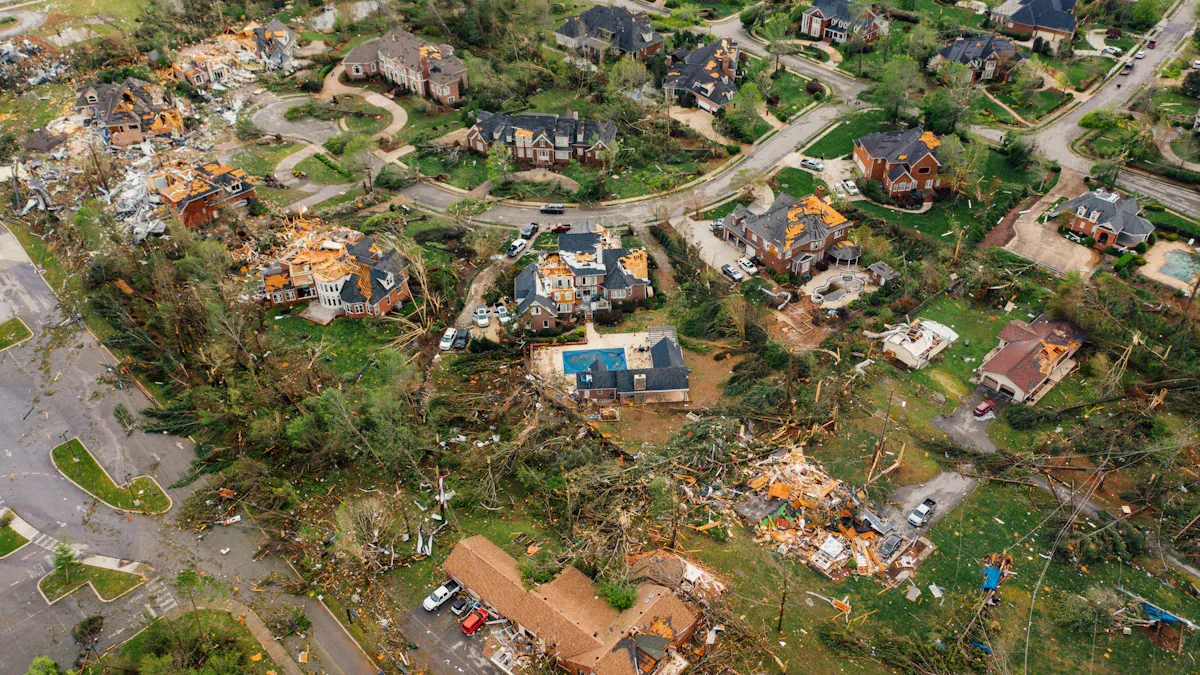
You may want to know how shipping container homes perform in real hurricanes. You will find that evidence is limited, but the results are promising. In several cases, homeowners have reported that their container homes stayed intact after strong storms. For example, some homes in Florida and the Caribbean have faced Category 4 hurricanes. These homes showed only minor dents or scratches. The steel structure helped them resist wind and flying debris.
You will not find many large studies or official reports. Most of the information comes from individual stories and builder testimonials. Lanen International collects feedback from customers who live in hurricane-prone areas. Their clients often share positive experiences after storms. You can use these stories to understand the real-world strength of container homes.
Note: Always ask your builder for references or case studies before you buy or build.
Lessons from Past Storms
You can learn important lessons from past hurricanes. First, you should never skip proper installation. Homes with strong foundations and secure anchoring survive storms better. You should also invest in reinforced windows and doors. Many homeowners who added storm shutters and extra bracing saw less damage.
Here are some key takeaways:
Inspect your home before hurricane season.
Upgrade weak points, such as windows and doors.
Anchor your home to a solid foundation.
Work with experts like Lanen International for advice.
You can improve your safety by following these steps. Real-world experience shows that preparation makes a big difference. Shipping container homes give you a strong starting point, but your choices matter most.
You can trust shipping container homes to offer strong hurricane resistance when you follow expert advice. Upgrades like reinforced windows, secure anchoring, and waterproofing make your home safer. Lanen International helps you choose the right solutions for your area. With proper installation and regular checks, you gain peace of mind in hurricane-prone regions.
FAQ
How strong are shipping container homes in hurricanes?
You get strong protection from steel walls. These homes can resist winds up to 175 mph with proper installation. Lanen International recommends regular inspections to keep your home safe.
Do I need special insurance for a shipping container home?
You may need to search for insurance companies that cover container homes. Some providers offer discounts if you add hurricane-resistant upgrades. Lanen International can help you document these improvements.
What upgrades make my container home safer?
You should install impact-resistant windows, reinforce doors, and anchor your home securely. Add waterproofing and insulation for extra safety. Lanen International offers products and advice for these upgrades.
Can I build a shipping container home in any hurricane zone?
You must check local building codes before you start. Some areas have strict rules for hurricane safety. Lanen International can guide you through the approval process.