

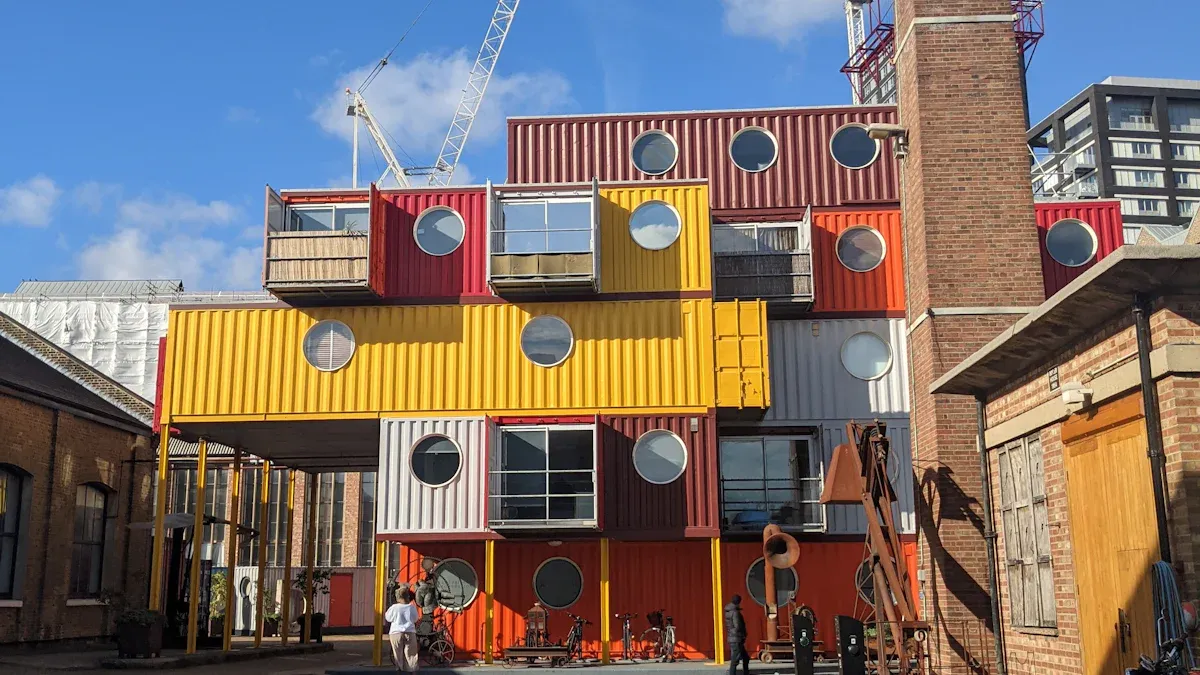
You might wonder if you can stack folding container houses. The answer is yes! You can usually stack them up to two floors. With strong reinforcement, a third floor becomes possible. Safety matters most, so you need to focus on solid structure and secure connections. You can stack these units both lengthwise and side by side. This flexibility lets you create the space you want while keeping everything stable.
Key Takeaways
You can stack folding container houses up to two floors safely. For a third floor, ensure proper reinforcement and consult a professional.
Choose between longitudinal and transverse stacking to maximize space and design flexibility. This allows you to create a layout that fits your needs.
Always check the frame strength and load limits before stacking. Use strong locking systems to ensure stability and safety.
Follow local building codes and regulations to ensure your stacked home is safe and compliant. Regular inspections help catch issues early.
Maintain your stacked home by checking connections and seals regularly. This prevents leaks and ensures long-lasting comfort.
Stacking folding container houses
How stacking works
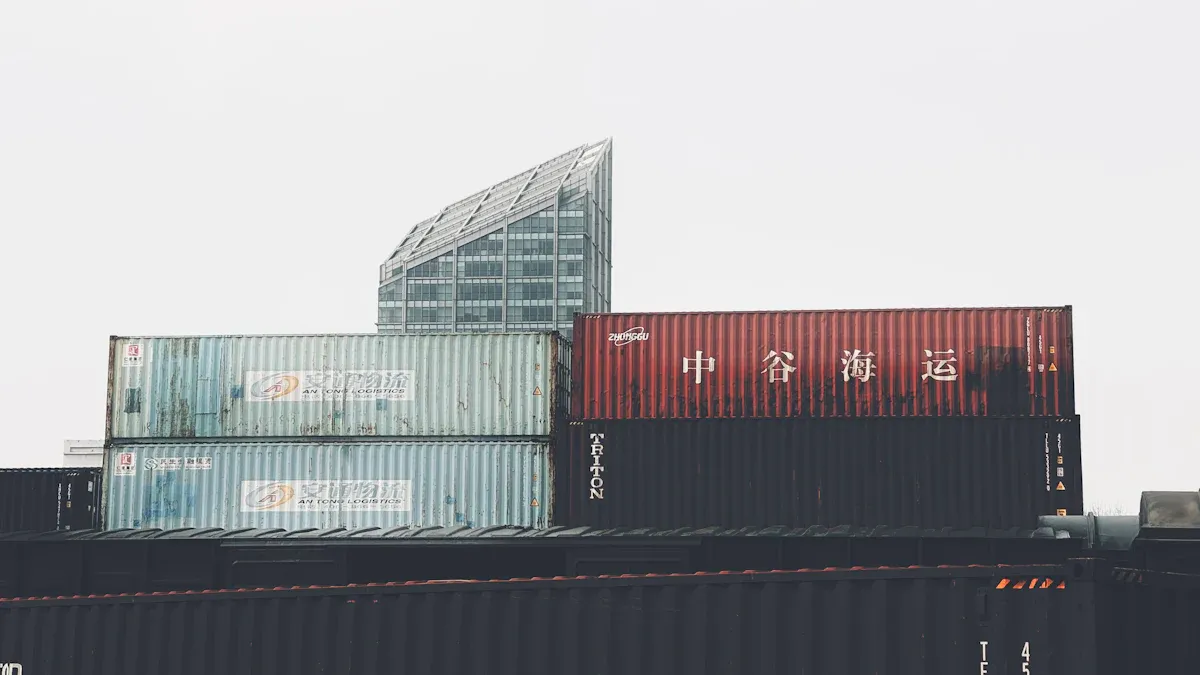
You might picture stacking folding container houses like building with giant blocks. The process starts with a solid, level foundation. You set the first unit in place and make sure it sits perfectly flat. Next, you unfold or assemble the house, depending on the design. Most folding container houses come with built-in connection points at the corners and along the edges. These spots let you lock one unit securely to another.
When you add the next floor, you lift the new unit and align it with the one below. You use bolts, clamps, or special locking systems to connect the frames. This step keeps everything tight and prevents shifting. Some models even have pre-drilled holes or guide pins to make stacking easier. You finish by sealing the joints to keep out wind and rain. The whole process moves quickly, especially if you have a team and the right tools.
Tip: Always double-check the connections before moving on to the next floor. A secure fit means a safer home.
Longitudinal and transverse stacking
You have options when arranging folding container houses. Manufacturers design these homes so you can stack them in two main directions:
Longitudinal stacking: Place units end-to-end, creating a longer building.
Transverse stacking: Set units side-by-side, making a wider space.
This flexibility lets you shape your home to fit your land or your needs. Want a long hallway with rooms on each side? Go longitudinal. Need a big open living area? Try transverse stacking. You can even mix both directions for a custom layout.
Here’s why these options matter:
You can maximize your space, even on a small lot.
You get more design freedom for things like windows, doors, and shared walls.
You can add or remove units later if your needs change.
Folding container houses give you the chance to build up, out, or both. You don’t have to stick to one style. You can create a home that grows with you.
Structural factors for stacking
Frame strength and load limits
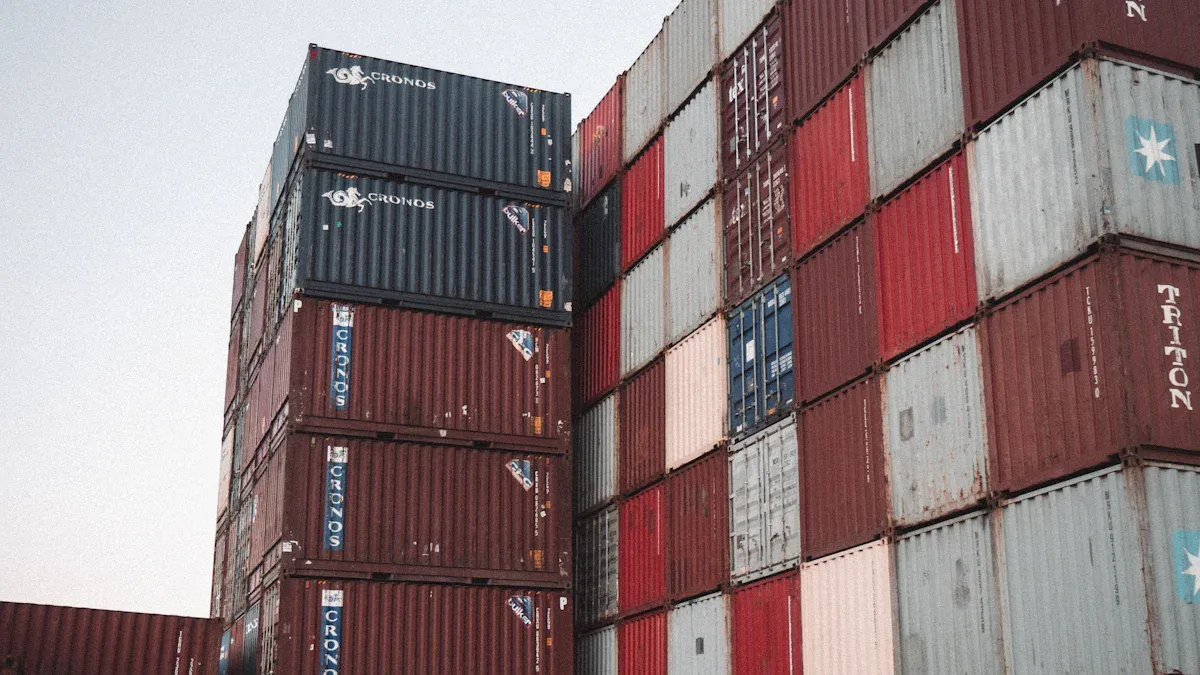
You want your stacked home to feel safe and solid. The frame acts as the backbone of folding container houses. It holds everything together and carries the weight of each floor. If you stack two or three units, the bottom one takes the most pressure. You need to check the frame strength before you start stacking.
Manufacturers usually list the load limits for each model. These numbers tell you how much weight the frame can handle. You should never guess or push past these limits. If you do, you risk bending the frame or causing a collapse. Most folding container houses use steel frames. Steel gives you a strong base, but not all steel is the same. Thicker steel means more strength, but it also adds weight.
Note: Always ask for the technical specs from your supplier. If you have doubts, talk to a structural engineer.
You also need to think about the locking systems. Good locks keep the units from sliding or shifting. Most designs use corner castings, bolts, or clamps. These parts connect the frames and help spread the weight evenly.
Reinforcement for additional floors
You might want to go higher than two floors. That’s possible, but you need extra support. Standard folding container houses can usually handle two stories. For a third floor, you must reinforce the structure.
Here are some common ways to add strength:
Steel columns: Place extra steel posts at the corners or along the walls.
Cross-bracing: Add diagonal steel bars to stop swaying.
Thicker frames: Upgrade to a model with a heavier frame.
Foundation upgrades: Use a reinforced concrete base to spread the load.
A table can help you see the difference:
You should never add a third floor without talking to a pro. An engineer can check your plans and suggest the right upgrades.
Securing and stability
You want your stacked home to stay put, even in strong winds or small earthquakes. Stability comes from good connections and a solid base. You should always anchor the bottom unit to the foundation. Use bolts or ground anchors for the best results.
When you stack units, line up the corners and lock them together. Some folding container houses have built-in guide pins. These make stacking easier and safer. You should also seal the joints to keep out water and drafts.
Tip: Check all connections after storms or if you notice any shifting. Tighten bolts and fix any loose parts right away.
If you follow these steps, you can enjoy a safe and sturdy stacked home.
Safety and codes
Building regulations
You want your stacked folding container house to meet all the rules. Building codes help keep you safe and protect your investment. Different countries and regions use their own standards. You should always check the local requirements before you start building.
Here’s a quick look at some important certifications and standards you might see:
You might need more than one certification, depending on where you live. Always ask your supplier for proof of compliance.
Inspection and compliance
You can’t skip inspections if you want a safe, legal home. Inspectors check your project at different stages. They look for:
Structural integrity, including welding and how you secure each container.
Fire safety, like fire-resistant materials, emergency exits, and smoke detectors.
Electrical and plumbing work, which must be done by licensed pros.
Local zoning laws, so you know container homes are allowed in your area.
Building codes for things like energy efficiency and insulation.
Permits and regular inspections to avoid fines or delays.
Environmental reviews, especially near protected land.
Health codes for insulation, ventilation, and waste management.
Tip: Expect several inspections during the build. Each one helps catch problems early.
Best practices for safe stacking
You want your stacked home to last. Here are some best practices:
Use only certified containers and materials.
Anchor the bottom unit to a strong foundation.
Double-check all connections after storms or heavy use.
Hire licensed professionals for electrical and plumbing work.
Keep emergency exits clear and install smoke detectors.
Stay up to date with local codes and renew permits as needed.
🛠️ Pro tip: Regular maintenance and inspections keep your home safe and comfortable for years.
Limitations and challenges
Maximum stacking height
You might dream of a tall, multi-story container home. Most folding container houses let you stack up to two floors safely. If you want a third floor, you need serious reinforcement. The frame and locking systems must handle extra weight. Local building codes often limit the height for safety reasons. You should always check with your city before you build higher. Going beyond three stories usually means switching to a different building method.
Site and foundation needs
Your land plays a big role in how well your stacked home stands. Flat, stable ground makes everything easier. Uneven or sloped sites bring extra challenges. You need the right foundation to keep your home level and secure. Here’s a quick look at common foundation types:
You should pick a foundation that matches your land and your design. A strong base keeps your stacked home safe for years.
Common issues
Stacking folding container houses brings a few headaches. You might run into problems with strength, stability, or structure. Here’s a table that shows some common issues and how you can solve them:
You can avoid most problems by planning ahead and working with pros. Regular checks and smart design choices help your stacked home stay safe and strong.
Pros and cons of stacking
Space efficiency
Stacking gives you a smart way to use your land. You can build up instead of out, which helps a lot in crowded cities. When you stack, you get more living space without needing a bigger lot. You can add new rooms or even a whole floor if your family grows or your needs change. The modular design lets you mix and match layouts, so you can create a home that fits your life.
Here’s a quick look at how stacking helps with space:
You get a lot of freedom with this kind of building. You can start small and add more later. This makes folding container houses a great choice for anyone who wants flexibility.
Risks and maintenance
Stacking comes with some challenges. You need to watch out for problems that can affect your home’s safety and comfort. Here are some common risks:
Stacking can reduce strength and stability, which might lead to structural failure.
Poor insulation or ventilation can trap moisture, causing mold and bad air.
Bad drainage can let water leak around the base.
You can avoid most problems with good planning and regular checks. Make sure you seal all joints and keep up with maintenance. If you do, your stacked home can last as long as a single-story unit. Most stacked container homes last over 15 years, just like other types:
🛠️ Tip: Check for leaks and tighten connections after storms. A little care goes a long way.
You can stack folding container houses up to two floors with confidence when you focus on safety and strong connections. If you want a third floor, you’ll need extra reinforcement and must follow building codes. Always talk with local experts and check your city’s rules before you start. Here’s why stacking works so well:
Research your local regulations to avoid delays.
Work with professionals to meet all safety standards.
Stay up to date on permits and inspections.
Stacked folding container houses give you flexibility, speed, and lasting value. You get more space without using more land—a smart move for any homeowner! 🏠
FAQ
Can you move stacked folding container houses after assembly?
You can move them, but you need to disassemble the stacked units first. Moving stacked homes as one piece is not safe. Always separate each floor before transport.
Do you need special tools to stack these houses?
You usually need a crane or forklift to lift the units. Basic hand tools like wrenches and drills help with connections. Most kits include what you need for assembly.
How do you insulate a stacked folding container house?
You can add insulation panels inside the walls and roof. Many models come with built-in insulation. For extra comfort, use spray foam or rigid boards.
What maintenance does a stacked container house need?
Check connections and seals every few months.
Look for leaks, rust, or loose bolts.
Clean gutters and drains to prevent water damage.
Tighten any loose parts after storms.