

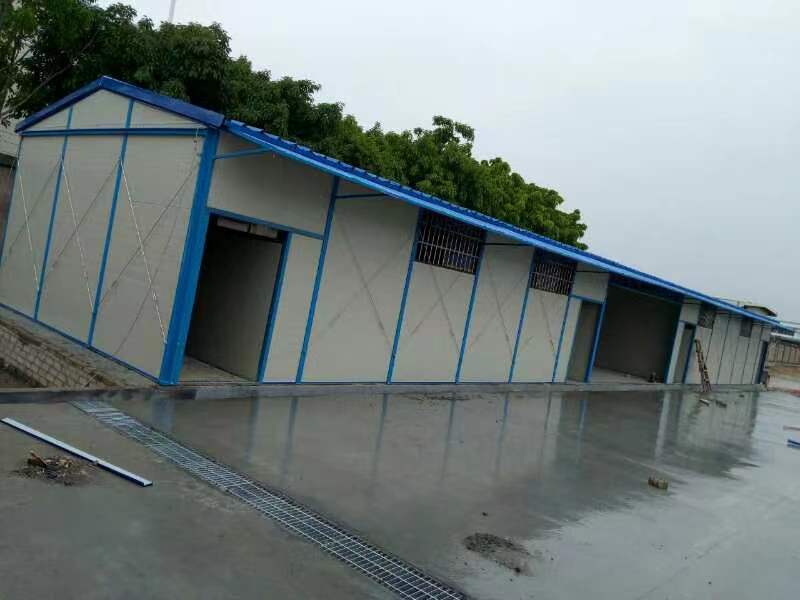
You face a choice in 2026: folding container house or flat pack container house. Your decision depends on how you value speed, cost, and durability. The container housing market grows quickly, making informed choices essential. Many buyers find installation speed, budget, and intended use most important. The table below shows how each container type matches different needs.
Key Takeaways
Folding container houses offer rapid setup, making them ideal for emergencies or short-term needs.
Flat pack container houses provide stronger construction and better insulation, suitable for long-term projects.
Consider your budget: folding models are cheaper upfront, while flat pack options save on maintenance over time.
Evaluate your project size: folding containers work for small setups, while flat packs excel in bulk projects.
Match your priorities to the container type: speed and flexibility favor folding, while durability and comfort favor flat pack.
Folding vs. Flat Pack: Quick Decision Guide
Key Differences at a Glance
You need to compare folding container house and flat pack container houses before you decide. Each type offers unique advantages. Folding container house gives you fast setup and easy relocation. Flat pack container houses provide stronger construction and better long-term value.
Here is a quick comparison to help you understand the main differences:
Tip: If you want a quick solution for temporary needs, folding container house works best. If you plan to build a permanent home or business, flat pack container houses offer more durability and comfort.
Who Benefits Most from Each Type
You should match your project needs to the right container house. Folding container house suits you if you need rapid deployment for emergencies or short-term accommodation. Flat pack container houses fit you if you want a long-lasting structure with better insulation and more customization.
The table below shows which buyers and projects benefit most from each type:
You may choose folding container house for disaster relief, outdoor cafes, or temporary clinics. You can use flat pack container houses for villas or modular expansions. Flat-pack designs allow you to connect multiple units and create larger spaces. You get better weather resistance and energy efficiency with flat pack container houses. You also enjoy more options for insulation and layout.
If you need to move your container house often, folding container house saves you time and effort.
If you want to invest in a long-term project, flat pack container houses give you better value and comfort.
Flat-pack models work well for bulk projects, such as building a group of homes or offices.
Note: You should consider your budget, installation speed, and how long you plan to use the container house. Flat pack container houses cost more at first, but they last longer and offer more features.
You can make a smart choice by thinking about your main priorities. If you want speed and flexibility, folding container house is your answer. If you need strength, insulation, and expansion, flat pack container houses are the best option.
Folding Container House Overview
Design and Structure
You will notice that folding container house models use advanced modular construction techniques. The frame uses galvanized steel, which gives you a lifespan of up to 25 years. The insulated panels attach to a 2.5mm thick iron frame with a seamless lock groove design. This structure keeps your container safe from leaks and weather damage. Water-resistant wooden floor panels and corrugated iron roofs add extra protection. You can easily disassemble and reassemble these foldable units, making them portable and practical for many situations. The container house design focuses on fireproof, seismic, windproof, and rainproof features. You get a structure that works well in areas with natural disasters. If you want an expandable container house, you can connect several units to create larger spaces. Modular container houses give you flexibility and safety.
Galvanized steel frame
Insulated panels with seamless lock groove
Water-resistant floors and leak-proof roof
Fireproof, seismic, windproof, and rainproof features
Easy to disassemble and reassemble
Tip: You can use foldable container houses in places where you need quick setup and strong protection.
Installation Speed and Labor
You can install a folding container house much faster than traditional modular construction. Most foldable units take only 4 to 8 weeks to set up, depending on design complexity, material availability, labor, and weather. The process uses fewer workers and less equipment. You save time and money because the modular construction system allows for quick assembly. The table below shows how installation time compares to other housing types:
You can choose foldable container houses for emergency shelters, site offices, or temporary clinics. The modular construction method helps you respond quickly to urgent needs.
Volume and Space Efficiency
Foldable container houses maximize space during transport and storage. You can stack several units together, which reduces freight costs and saves space. The modular construction design lets you expand or shrink your living area as needed. You can connect multiple expandable container house units to create larger rooms or separate spaces. This flexibility makes foldable container houses ideal for projects with changing requirements. You get efficient use of volume and easy relocation. Modular container houses adapt to your needs, whether you want a small office or a large accommodation block.
Note: You can move and reconfigure foldable container houses as your project grows or changes.
Flat Pack Container House Overview
Rigid Construction and Weather Resistance
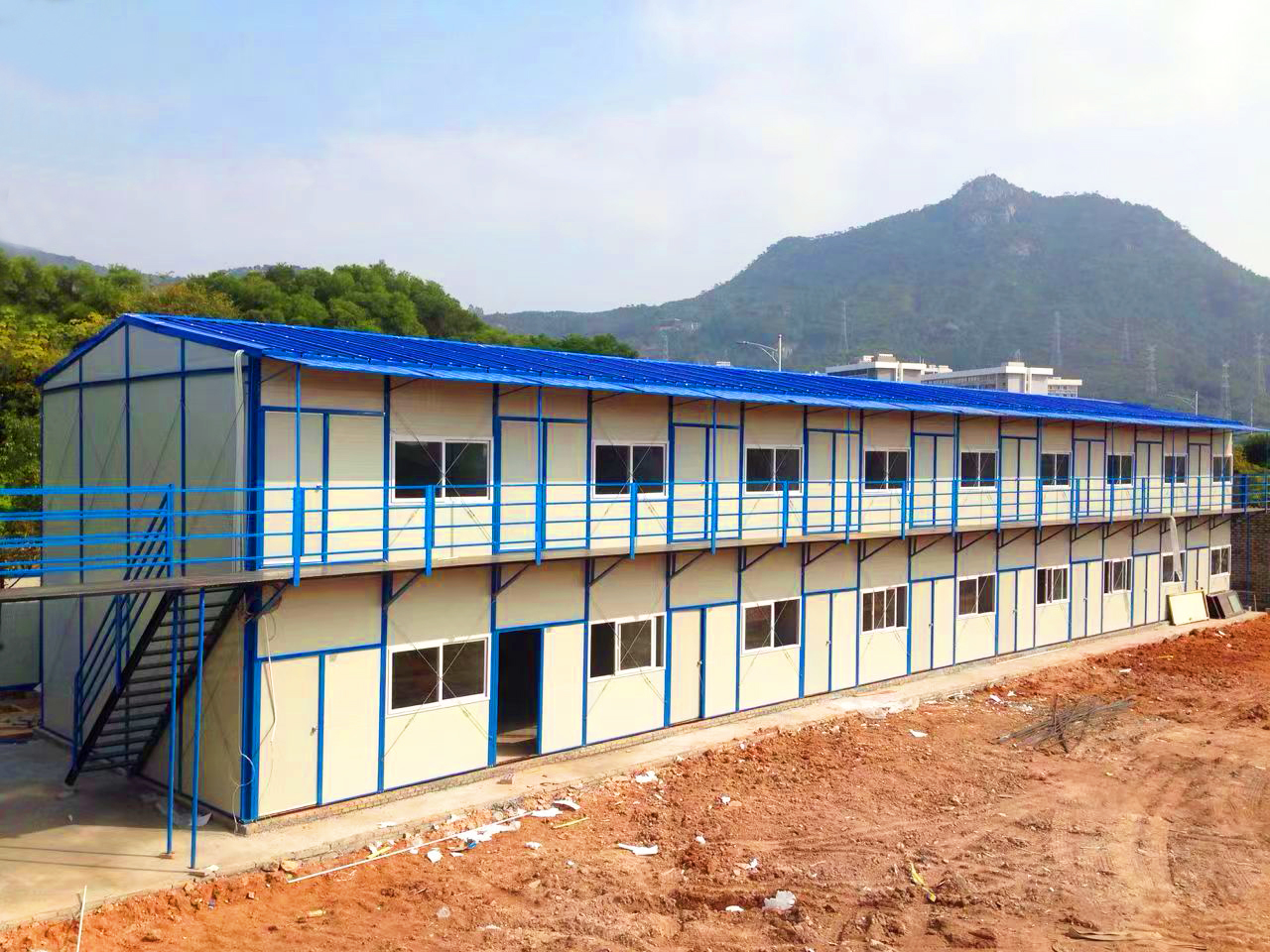
You get a strong and reliable structure when you choose a flat pack container house. The steel frame supports heavy loads and resists harsh weather. You see corner posts and beams that keep the container stable. The floors, walls, and roofs use steel and industrial materials. These parts protect you from warping, termites, and mold. You also benefit from insulation and waterproofing. The table below shows the main features of flat-pack and detachable container houses:
Tip: You can trust flat-pack and detachable container houses to stand up to storms and extreme temperatures.
Bulk Project Suitability
Flat-pack and detachable container houses work well for large projects. You can stack and connect many units to create big clusters or multi-story buildings. This system lets you build schools, offices, or housing complexes quickly. You save time and money because the modular design allows easy expansion. You can use flat-pack and foldable container houses for bulk orders. Many companies choose these container solutions for construction sites and remote camps. You get flexibility and speed when you need to scale up your project.
Stack units for multi-story buildings
Connect containers for large clusters
Use for schools, offices, housing, and camps
Insulation and Energy Efficiency
You enjoy better comfort with flat pack container house models. The walls and roofs have insulation that keeps you warm in winter and cool in summer. You use less energy for heating and cooling. Detachable container houses often include double-glazed windows and sealed doors. These features help you save on utility bills. You can customize ventilation and lighting to improve energy efficiency. Flat-pack and foldable container houses meet international standards for insulation. You get a safe and comfortable space for long-term use.
Note: You can choose flat-pack and detachable container houses for projects where energy savings and comfort matter most.
Cost and Lifespan Comparison
Initial Cost Differences
You will notice clear cost differences when you compare folding and flat pack container houses. Folding container houses usually cost less at the start. You pay less for materials and labor because the design is simple and the assembly is quick. Flat pack container houses require a higher initial investment. You pay more for stronger frames, better insulation, and extra features. The table below shows a basic comparison:
Tip: If you have a tight budget or need many units fast, folding container houses help you save money.
Maintenance and Durability
You will spend less on maintenance with flat pack container houses. The strong steel frame and weatherproof design protect your investment. You get fewer repairs and longer intervals between maintenance checks. Folding container houses need more attention. The moving parts and lighter materials can wear out faster. You may need to fix leaks or reinforce joints after frequent moves. Regular checks keep your folding container in good shape.
Flat pack container: Less frequent repairs, strong against weather
Folding container: Needs regular checks, more repairs if moved often
Expected Lifespan
You should consider the differences in lifespan when you choose a container house. Flat pack container houses last longer. You can expect 20 to 30 years of use with proper care. Folding container houses work best for short-term or temporary needs. Most last 10 to 15 years, especially if you move them often. Your choice depends on how long you plan to use the container and how much you want to invest in maintenance.
Note: If you want a container for long-term living or business, flat pack models give you better value over time.
Transportation and Deployment
Freight Efficiency of Flat-Pack
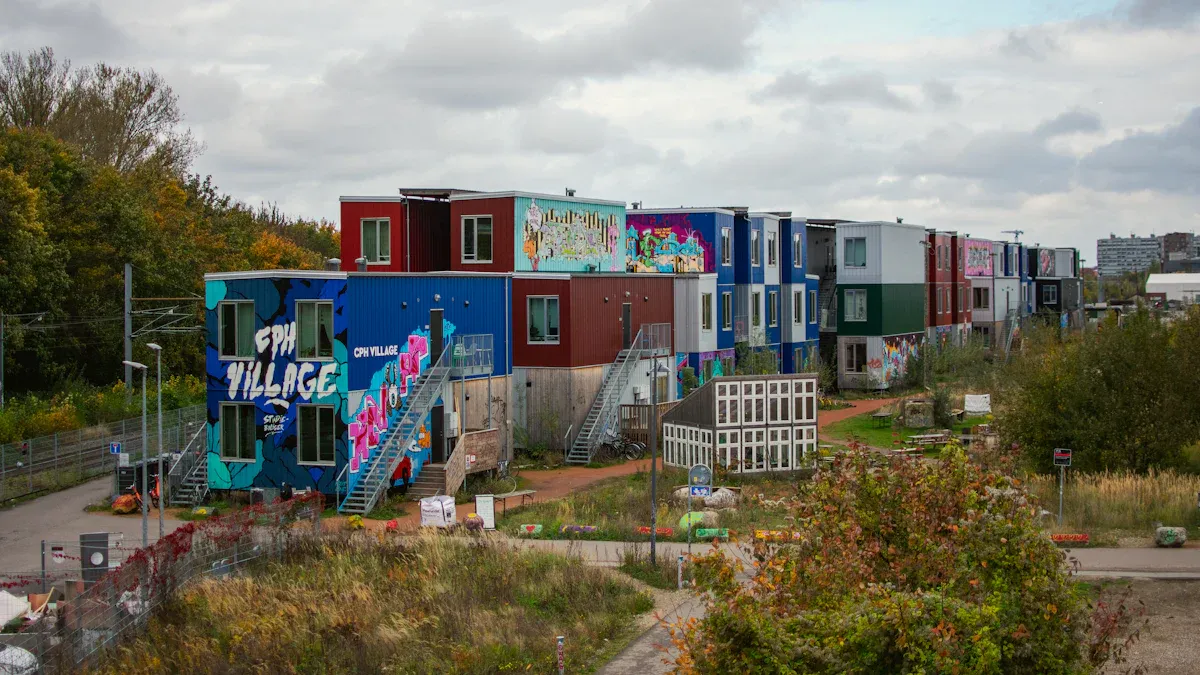
You want to save money and time when you move your container houses. Flat-pack models give you a big advantage in freight efficiency. You can stack several flat-pack units together, which lets you fit more containers into one shipping container or truck. This stacking method reduces shipping costs and helps you move large numbers of units at once. Many companies choose flat-pack container houses for big projects because they can deliver many units in a single trip.
You can load up to eight flat-pack units in one standard shipping container.
You reduce the number of trips needed for delivery.
You save on fuel and lower your carbon footprint.
Tip: If you plan a large project or need to ship container houses overseas, flat-pack models help you keep transportation costs low.
Rapid Deployment with Folding Container House
You may need to set up your container house quickly, especially in emergencies or for temporary needs. The folding container house gives you the fastest deployment option. You can unfold and assemble these units in just a few hours. Most folding container houses arrive at your site almost ready to use. You only need to unfold the structure and secure the panels. This process needs less labor and equipment than other container types.
You can set up a folding container house with a small team.
You get instant shelter for disaster relief, site offices, or pop-up clinics.
You can move and redeploy the same unit many times.
Note: Choose a folding container house if you need a fast, flexible solution that you can move and reuse as your project changes.
Choosing the Right Container House
Factors to Consider
You face many choices when selecting a container house. Your decision depends on your project’s needs and your personal priorities. Start by thinking about your budget. If you want to save money at the start, you may prefer a folding container house. This option gives you a lower upfront cost and quick setup. If you plan to use your container for many years, you should look at flat-pack models. These offer better durability and lower maintenance over time.
Speed matters for many buyers. You may need a shelter or workspace right away. Folding container houses set up in hours. Flat-pack units take longer to assemble but give you a stronger structure. Think about how fast you need your space ready.
Durability and comfort also play a big role. Flat-pack container houses provide better insulation and weather resistance. You stay comfortable in hot or cold climates. These models also allow you to expand or connect units for larger projects. If you want to move your container often, choose a design that handles frequent relocation.
Project size affects your choice. For a single office or small clinic, a folding container house works well. For a housing complex or multi-story building, flat-pack units offer better stacking and bulk transport.
Tip: Make a checklist of your top needs—budget, speed, durability, comfort, and project size. Match these to the container house type that fits best.
Example Use Cases
You can see how different projects benefit from each container house type. Real-world examples help you understand which option suits your needs.
Folding Container House in Action
A recent project in Dong Nai shows how effective a folding container house can be. Vu Anh Tai needed a quick solution for a small prefab house. Hoang Sa Viet Construction completed the 18m² unit in just two days, including shipping. The structure came with a 10-year warranty. This project highlights the speed and convenience of folding container houses for urgent needs.
Flat-Pack for Large-Scale Projects
You might need to build a group of offices, classrooms, or homes. Flat-pack container houses work well for these bulk projects. You can stack and connect many units to create larger spaces. This method saves on shipping and allows for easy expansion. Many companies use flat-pack models for construction camps, schools, or modular villages. You get strong, insulated buildings that last for decades.
Matching Your Needs
If you want fast deployment for emergencies or temporary use, choose a folding container house.
If you need a permanent, comfortable space with room to grow, select a flat-pack container house.
For projects that require frequent relocation, pick a container that is easy to move and reassemble.
For long-term savings and energy efficiency, flat-pack models offer better insulation and lower utility costs.
Note: Always consider your climate, local building codes, and future plans before making your final choice.
You can make the best decision by matching your priorities to the strengths of each container house type. Whether you need speed, strength, or flexibility, there is a container solution for your project.
You can match your needs to the right container house by looking at the main features. The table below shows how each type serves different situations:
Use this checklist to decide:
Do you need fast setup? Choose a folding container house.
Want long-term comfort? Pick a flat pack container.
Unsure? Talk to a container expert for guidance.
FAQ
What is the main difference between folding and flat pack container houses?
You get faster setup with folding container houses. Flat pack container houses give you stronger frames and better insulation. Folding models work best for short-term needs. Flat pack models suit long-term projects.
Can I customize the layout of my container house?
You can customize flat pack container houses with different layouts, windows, and doors. Folding container houses offer fewer options. Flat pack models let you expand or connect units for larger spaces.
How do I maintain my container house?
You should check for leaks, rust, and loose joints every few months. Clean the exterior and interior regularly. Flat pack models need less maintenance. Folding models need more attention if you move them often.
Are container houses safe in extreme weather?
You get strong weather resistance with flat pack container houses. These models use robust steel frames and insulation. Folding container houses provide basic protection. Always check local building codes for extra safety requirements.