

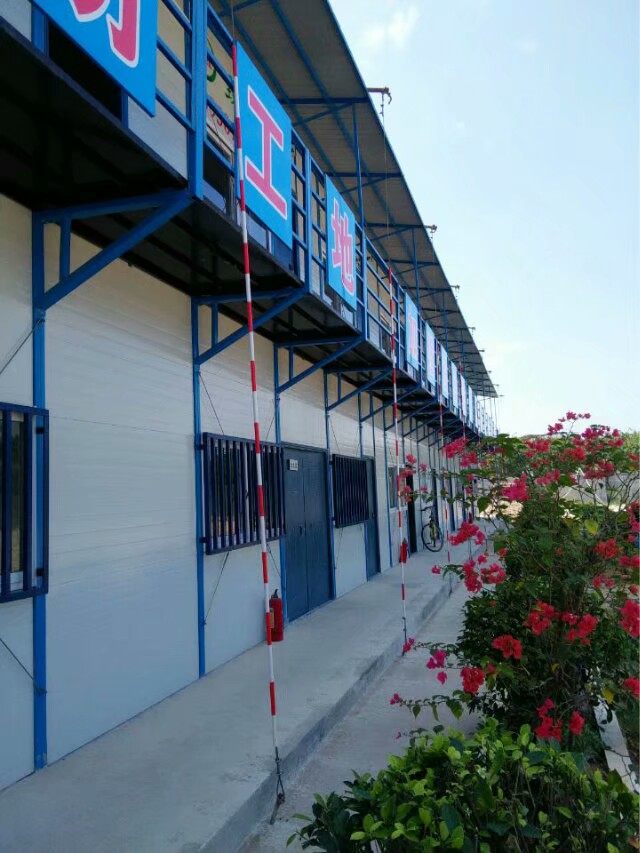
A folding container house gives you a compact space that folds down for easy transport. An expandable container house lets you increase your living area by opening up panels. You get more room when you need it. Picking the right type matters because your choice affects comfort, cost, and mobility.
If you want portability, go for folding. If you want extra space, consider expandable.
Key Takeaways
Folding container houses are ideal for quick setups and frequent moves. They save space during transport and are perfect for temporary needs.
Expandable container houses offer more living space and comfort. They are suitable for long-term use and can be customized to fit your lifestyle.
Consider your budget when choosing. Folding houses are generally less expensive, while expandable options provide more features at a higher cost.
Both types are easy to set up, but folding houses require less time and tools. Expandable houses take a bit longer but offer a larger area once set up.
Think about your future needs. If you want flexibility and mobility, choose folding. For a cozy, spacious home, go with expandable.
What Is a Folding Container House?
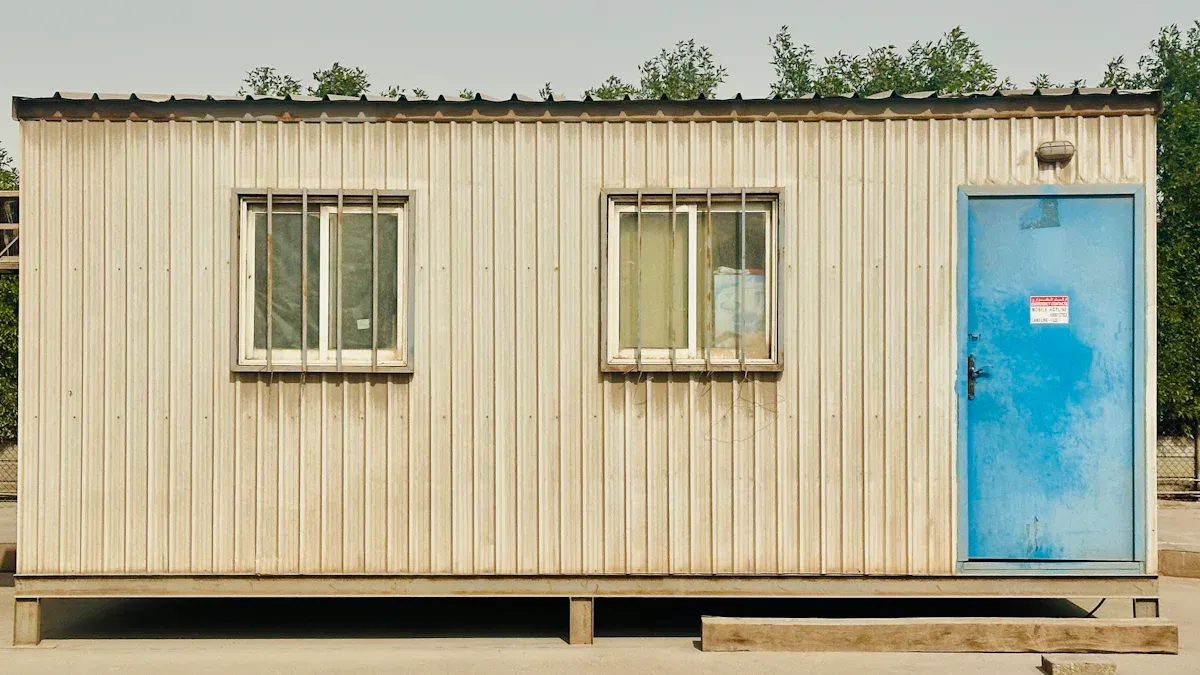
Structure and Design
You might picture a regular shipping container, but a folding container house takes things a step further. This type of home uses a smart, collapsible design. You can fold the walls, roof, and floor into a flat pack. When folded, the whole structure becomes very compact. The thickness can shrink down to just 0.35 meters. That means you can stack or transport several units at once.
A folding container house usually has a steel frame for strength. The panels often use insulated materials, so you get some comfort inside. You can find windows and doors already built in. The best part? You don’t need heavy tools or special skills to set it up. You just unfold the panels, lock them in place, and your foldable container house is ready.
How Folding Container Houses Work
Let’s say you need a quick shelter for a worksite or an emergency. You can bring a folding container house to the location on a truck. Because it folds flat, you save space and money during transport. Once you arrive, you unfold the unit. The walls and roof swing up and out. The floor drops down. In just a few hours, you have a sturdy, weatherproof space.
Here’s a quick look at why people choose a folding container house for temporary needs:
You’ll see foldable container house options at construction sites, disaster relief zones, or even as pop-up shops. If you want something easy to move, quick to set up, and simple to pack away, a folding container house makes sense. You get flexibility and speed without a lot of hassle.
What Is an Expandable Container House?

Structure and Design
When you look at an expandable container house, you see something that starts as a compact unit but transforms into a much larger living space. The design uses hinged panels and sliding sections. You can open up the sides, extend the roof, and sometimes even pull out extra rooms. This clever setup gives you more space without needing a bigger truck for delivery.
Most expandable container houses use strong steel frames. The walls often have insulation, so you stay comfortable in different weather. You get windows, doors, and sometimes built-in plumbing or electrical systems. The best part? You can set up the house in a few hours, and it feels much bigger inside than it looks from the outside.
Tip: If you want a home that grows with your needs, an expandable container house gives you flexibility and comfort.
How Expandable Container Houses Work
You start with a compact unit that arrives on-site. Once you place it where you want, you unlock the panels and pull them outward. The sides swing open, the roof extends, and sometimes the floor slides out. You get a living area that can double or even triple in size compared to the original footprint.
Here’s how the process usually goes:
Place the expandable container house on a flat surface.
Unlock and unfold the panels.
Extend the roof and floor sections.
Secure everything in place.
Add furniture and utilities if needed.
Expandable container houses work well for longer-term living. You get more space for bedrooms, kitchens, or offices. If you want a comfortable home that feels permanent but still moves when you need it, this option makes sense. You see these houses used for family homes, remote offices, or vacation cabins. The extra room means you don’t feel cramped, even if you stay for months.
If you want a spacious, flexible home that sets up fast, an expandable container house could be the perfect fit.
Folding vs. Expandable: Key Differences
Space and Layout
When you look at space, you notice a big difference right away. A folding container house gives you a compact living area. The design focuses on saving space during transport and storage. Once you unfold it, you get a simple, functional room. You might use it as an office, a small bedroom, or a temporary shelter. The layout stays basic, with just enough room for essentials.
An expandable container house changes the game. You start with a small unit, but after you expand it, you get much more space. The sides and sometimes the roof slide out, so you can add extra rooms or larger living areas. You can set up a kitchen, a living room, or even a couple of bedrooms. If you want a home that feels roomy and comfortable, the expandable option works better.
Tip: If you need more than just a single room, go for the expandable container house. It gives you flexibility and a real sense of home.
Assembly and Setup
You want something easy to set up, right? Both types offer quick solutions, but they work a bit differently. The folding container house stands out for rapid installation. You just unfold the panels, lock them in place, and you’re done. Most people can finish the setup in a few hours, even without special tools. This makes it perfect for emergencies or short-term projects.
The flat pack container house also shines in this area. It arrives as a flat pack, so you can move it easily and assemble it fast. You get the same rapid installation benefit. The process feels almost like opening a giant piece of origami.
Expandable container houses take a little more time. You need to unlock and pull out the sides, extend the roof, and secure everything. It’s still a rapid installation compared to traditional buildings, but you might spend a bit longer making sure all the moving parts fit together. The reward is a much bigger living space.
Folding container house: Fastest setup, minimal tools needed
Flat pack container house: Easy to transport and assemble, rapid installation
Expandable container house: Slightly longer setup, but more space in the end
Transport and Mobility
If you plan to move your home often, you need to think about transport. The folding container house wins here. It folds down to a very slim profile. You can stack several units on one truck. This saves you money and time. The flat pack container house works the same way. It’s designed for easy shipping and storage.
Expandable container houses travel as a single compact unit. They don’t fold as flat as a folding container house or a flat pack container house, but you can still move them with a standard truck. Once you reach your site, you expand the house to its full size. If you only move once or twice, this works well. If you move a lot, the folding or flat pack options make more sense.
Note: For frequent moves, choose a folding container house or flat pack container house. For a more permanent setup, expandable is a solid choice.
Cost and Efficiency
Let’s talk about your budget. A folding container house usually costs less. The simple design and rapid installation keep expenses down. You save on transport because you can move more units at once. The flat pack container house also offers great value. You get efficient shipping and quick setup, which means lower labor costs.
Expandable container houses cost more upfront. The extra space and complex design add to the price. You also spend a bit more on transport since you can’t stack as many units together. However, you get a bigger, more comfortable home. If you plan to stay in one place for a while, the extra investment can pay off.
If you want to save money and move often, stick with a folding container house or flat pack container house. If you want comfort and space, and you don’t mind spending more, go with expandable.
Durability and Insulation
Folding Container House Durability
When you look at a folding container house, you might wonder how long it will last. The lifespan of these homes depends on the materials and how often you move them. Most folding container houses use steel frames and insulated panels. These materials give you solid protection against wind and rain. If you set up your house carefully and avoid rough handling, you can expect a decent lifespan. Many people use folding container houses for temporary projects, so they do not always need to last as long as permanent homes.
You should know that frequent folding and unfolding can cause wear and tear. Hinges and joints might loosen over time. If you plan to move your house a lot, check these parts regularly. A well-maintained folding container house can last several years, but it may not match the lifespan of a traditional building. Still, for short-term needs or emergency shelters, you get a reliable and sturdy option.
Tip: Regular maintenance helps you extend the lifespan of your folding container house.
Expandable Container House Insulation
Expandable container houses focus on comfort and long-term use. You get thicker insulation in the walls, roof, and sometimes even the floor. This keeps you warm in winter and cool in summer. The lifespan of an expandable container house often matches or exceeds that of a folding model, especially if you keep it in one place.
You will notice differences in lifespan between folding and expandable container houses. Expandable models usually have fewer moving parts, so they face less wear from setup and transport. If you want a home that feels permanent and keeps you comfortable year-round, an expandable container house stands out. Good insulation also helps lower your energy bills and makes daily life more pleasant.
Best Use Cases
When to Choose a Folding Container House
You might want a folding container house if you need something fast and flexible. These homes work best when you move often or need a quick setup. You can use them for temporary offices, pop-up shops, or emergency shelters. If you work on construction sites or travel for projects, you will love how easy it is to pack up and go. You can stack several units on one truck, which saves money on transport.
Here are some situations where a folding container house shines:
You need a shelter for a short-term project.
You want to set up a mobile office or classroom.
You plan to move your space from place to place.
You need a cost-effective solution for emergencies.
You get a simple layout and rapid assembly. If you value speed and mobility, this option fits your needs.
When to Choose an Expandable Container House
You should look at an expandable container house if you want more space and comfort. These homes work well for longer stays or when you need extra rooms. You can use them as family homes, remote offices, or vacation cabins. The customizable design lets you add bedrooms, kitchens, or even a small living room. You get a home that feels permanent but still moves when you need it.
Expandable container houses offer great customizability. You can change the layout to fit your lifestyle. If you want a cozy home with more features, this type gives you that option.
Consider an expandable container house if:
You want a larger living area.
You plan to stay in one place for a long time.
You need a home with more comfort and features.
You want to customize your space for your family or business.
Tip: Think about your future needs. If you want a space that grows with you, expandable container houses make a smart choice.
Decision Guide: Which to Choose?
Matching Needs to Container House Type
Choosing between a folding container house and an expandable container house can feel tricky. You want to make the right call for your lifestyle, budget, and plans. Let’s break it down so you can see which one fits you best.
Start by asking yourself a few questions:
Do you need to move your house often?
Is your top priority saving money?
Do you want more space and comfort?
Will you use the house for a short project or as a long-term home?
If you move a lot or need something for short-term use, a folding container house gives you high flexibility. You can set it up fast, pack it away, and transport it with ease. This type works well for people who travel for work, run pop-up businesses, or need emergency shelters.
If you want a home that feels bigger and more permanent, look at an expandable container house. You get more living space and better insulation. This option suits families, remote workers, or anyone who wants a cozy place to stay for months or years.
Here’s a quick table to help you match your needs:
Tip: Think about your daily routine and future plans. The right container house should make your life easier, not harder.
Common Scenarios and Recommendations
You might still wonder how to choose the right solution for your situation. Let’s look at some common scenarios:
Construction Site Office
You need a space for a few months. You want to move it to different sites. Go with a folding container house. You get fast setup and easy transport.Disaster Relief Shelter
You need to help people quickly. You want to set up many units in a short time. Folding container houses work best here. You can stack and ship several at once.Remote Family Home
You want a comfortable place for your family. You plan to stay for years. Choose an expandable container house. You get more space, better insulation, and a homey feel.Vacation Cabin
You want a getaway spot that feels like a real house. You don’t plan to move it often. An expandable container house gives you the comfort and room you need.Mobile Pop-Up Shop
You run a business that travels to events. You need to set up and pack away quickly. A folding container house keeps things simple and cost-effective.
Note: No single option fits everyone. Your best choice depends on how you plan to use your space, how often you move, and what features matter most to you.
If you want a quick checklist, try this:
Need to move often? Pick folding.
Want more space? Pick expandable.
Tight budget? Folding is better.
Want a permanent home? Expandable wins.
Remember, both types offer unique benefits. Think about what matters most to you. That way, you’ll pick the container house that truly fits your needs.
You now know the main differences. Folding container houses give you speed and easy transport. Expandable ones offer more space and comfort. Check out this quick table:
Before you decide, ask yourself what matters most. Experts suggest you consider custom design, reliability, efficiency, and always talk to a specialist for advice.
FAQ
Can I customize the layout of my container house?
You can! Most suppliers let you pick window placement, door style, and even add extra rooms. Just ask about options before you buy.
How long does it take to set up each type?
You can set up a folding container house in a few hours. Expandable container houses usually take half a day. Both are much faster than building a traditional home.
Are these container houses safe in bad weather?
Yes, both types use strong steel frames. You get good protection from wind and rain. For extreme weather, ask your supplier about extra reinforcements.
What utilities can I add inside?
You can add electricity, plumbing, and air conditioning. Many expandable models come pre-wired. Folding houses may need a bit more setup, but you can still add the basics.
Which one is easier to move?
A folding container house is easier to move. You can stack several on one truck. Expandable houses move as a single unit, but they take up more space.