

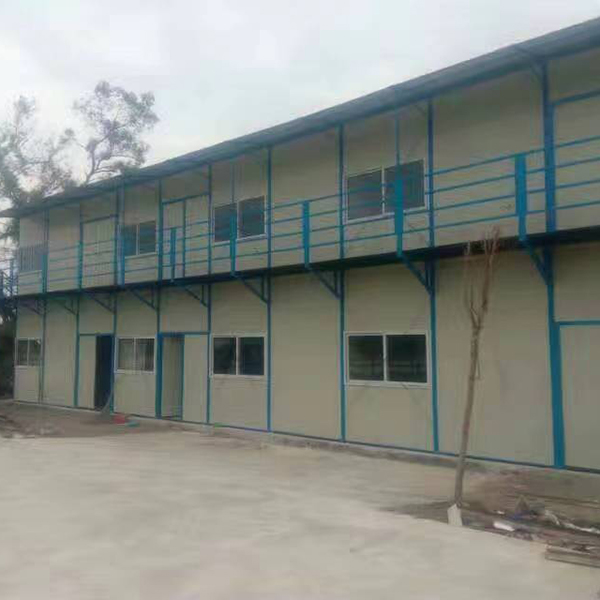
Yes, expandable container homes can leak water. You might notice leaks if builders use poor sealing or low-quality materials. Most leaks do not cause major problems. You can usually fix them with simple repairs. Stay calm if you spot water inside your home. Leaks often have easy solutions.
Key Takeaways
Expandable container homes can leak due to poor sealing or low-quality materials. Choose reputable builders to minimize this risk.
Regular inspections are crucial. Check seams, joints, and corners at least once every season to catch leaks early.
Use high-quality sealants like MS polymer for windows and doors. Proper sealing prevents moisture from entering your home.
Perform simple maintenance tasks, like cleaning gutters and checking drainage, to protect your home from water damage.
Act quickly on small leaks. Temporary fixes can help until you arrange for permanent repairs, keeping your home safe and dry.
Why Expandable Container Homes Leak
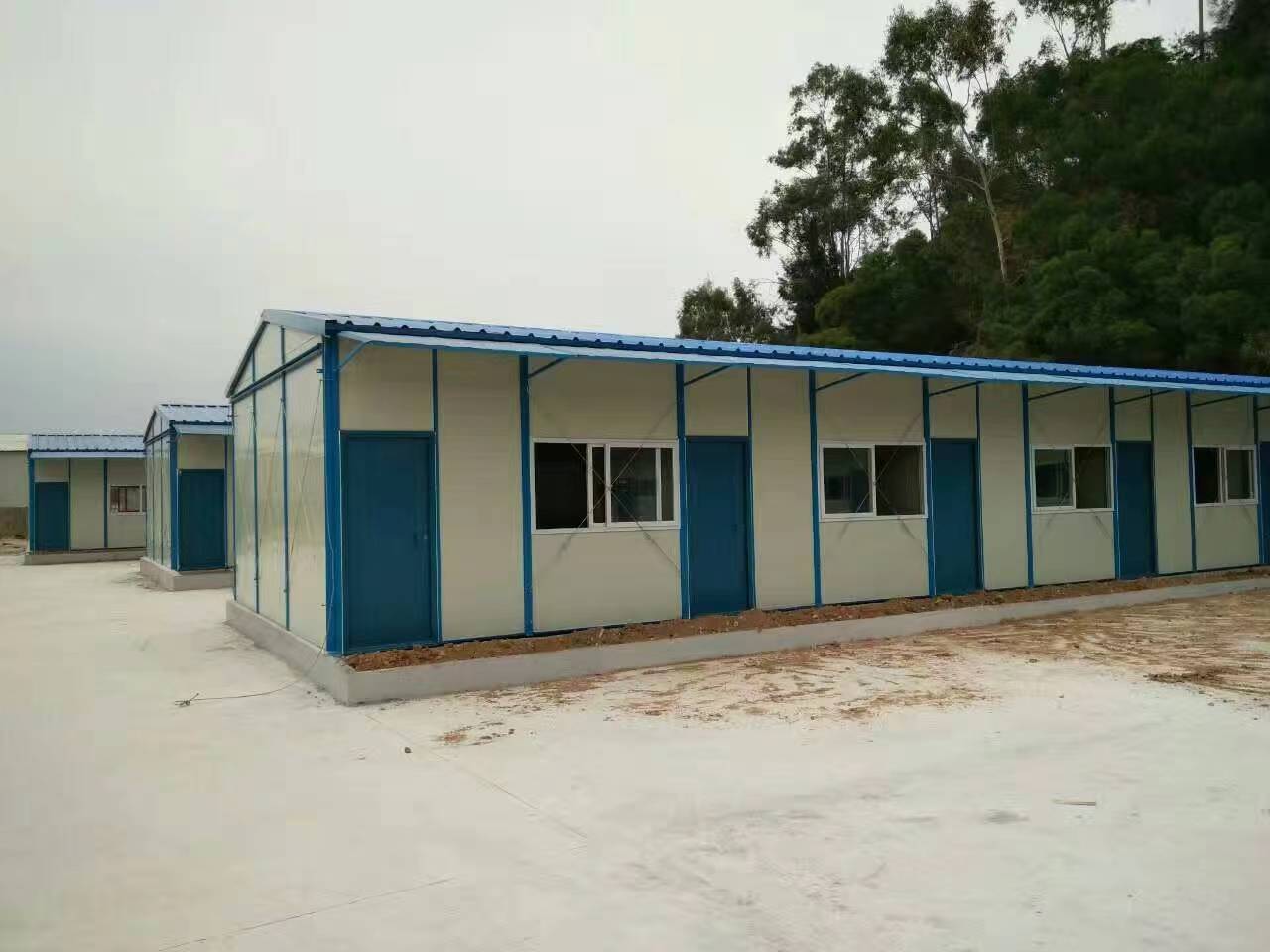
Expandable container homes do not leak because of an inherent design flaw. Most leaks happen due to issues during construction or from poor sealing. You can avoid these problems by understanding the main causes.
Construction Quality
You will notice that the quality of construction plays a big role in preventing leaks. Builders who use proper techniques and materials create homes that resist water intrusion. Budget models often cut corners, which increases the risk of leaks. When you choose a reputable builder, you get better craftsmanship and attention to detail.
Sealing joints with rubber and silicone keeps water out.
Rubber moulds in corners add extra protection.
Covering metal edges with rubber and sealing them helps prevent humidity and drafts.
If you invest in a well-built home, you reduce the chances of leaks. High-quality construction gives you peace of mind and a more comfortable living space.
Poor Sealing
Poor sealing stands out as one of the most common reasons for leaks in expandable container homes. If builders do not seal the seams, joints, and corners properly, water can find its way inside. You might see leaks around windows, doors, or where panels connect. Even small gaps can let in moisture during heavy rain.
Tip: Always check that your home has proper sealing at every joint and opening before you move in.
When you pay attention to sealing during installation, you prevent most water problems before they start.
Wear and Tear
Over time, every home faces wear and tear. Expandable container homes are no exception. Weather, movement, and daily use can weaken seals and joints. You might notice small cracks or gaps forming as the home ages. Regular maintenance helps you catch these issues early.
If you inspect your home often, you can fix minor problems before they turn into leaks. Simple repairs, like adding new sealant or replacing worn rubber, keep your home dry and comfortable.
Expandable container homes stay watertight when you focus on construction quality, proper sealing, and regular upkeep. Most leaks are easy to prevent and fix, so you can enjoy your home with confidence.
Common Leak Points
When you live in expandable container homes, you need to know where leaks usually start. Understanding these common leak points helps you protect your space and keep it dry.
Roof and Seams
The roof faces direct exposure to rain and sun. Seams along the roof can open up over time. You may see water entering through these areas after heavy storms. Inspect the roof regularly for gaps or rust. Use sealant to cover any visible cracks. A well-maintained roof keeps your home safe from water damage.
Tip: Check the roof after each season. Early detection prevents bigger problems.
Expandable Joints
Expandable joints allow your home to fold and unfold. These moving parts can create small openings. Water may seep in if the joints lose their tight seal. You should look for wear or loose fittings. Apply fresh sealant when you notice changes. Regular care ensures the joints stay watertight.
Windows and Doors
Windows and doors often let water in if not sealed properly. You can use MS polymer sealant for these areas. This sealant offers strong elasticity and cures quickly. It handles movement stress well, so it works for expandable container homes. You can apply it on wet surfaces and choose a color that matches your home. Proper sealing keeps moisture out and protects your living space.
MS polymer sealant resists movement stress up to ±25%.
Works on many surfaces, even in wet conditions.
Available in clear, black, white, and grey.
Utility Openings
Utility openings include spots for pipes, cables, and vents. These areas can develop leaks if not sealed tightly. You should inspect utility openings for gaps or loose fittings. Use waterproof tape or sealant to close any holes. Keeping these points secure helps prevent water from entering your home.
🛠️ Regular checks and quick repairs at these leak points help you maintain a dry and comfortable home.
Leak Prevention in Expandable Container Homes
Proper Sealing
You can prevent most leaks in expandable container homes by sealing every possible entry point during construction. Pay close attention to corners, seams, and joints. Builders often use rubber moulds in the corners to create a tight seal. They also cover metal edges with rubber and seal them with silicone. This method blocks humidity and drafts from entering your home. When you check these areas before moving in, you reduce the risk of water problems.
Tip: Inspect all seams and joints after installation. Early detection of gaps or cracks helps you avoid future leaks.
Quality Materials
Choosing high-quality materials makes a big difference in leak prevention. Reliable builders use strong rubber and silicone to seal joints and edges. These materials last longer and resist weather damage. You should look for homes that feature:
Rubber moulds fitted into corners for better sealing
Metal edges covered with rubber and sealed with silicone
Joints sealed with both rubber and silicone to stop water entry
Lanen International stands out as a reputable brand that uses these quality materials in their expandable container homes. When you select a trusted brand, you invest in long-term protection against leaks.
Professional Installation
Professional installation ensures that every part of your home fits together tightly. Skilled installers know how to apply sealants correctly and check for weak spots. They follow strict guidelines to make sure your home stays watertight. Lanen International offers expert installation services, giving you extra peace of mind.
Remember, prevention is always easier than repair. When you focus on sealing, quality materials, and professional installation, you protect your home from leaks before they start.
Maintenance Tips
Keeping your expandable container homes in top shape requires regular care. You can avoid most water issues by following a few simple maintenance steps.
Regular Inspections
You should inspect your home at least once every season. Look for cracks, rust, or gaps around seams, joints, and corners. Pay close attention to the roof and expandable joints. Use a flashlight to check dark or hidden areas. Early detection helps you stop leaks before they start.
Tip: Create a checklist for each inspection. Mark off each area as you go to ensure nothing gets missed.
Sealing and Caulking
Seals and caulking keep water out. Over time, these materials can dry out or crack. You need to check all seals around windows, doors, and utility openings. If you see any damage, remove the old caulk and apply a fresh layer. Use high-quality products like those recommended by Lanen International for best results.
Remove loose or cracked sealant.
Clean the area before applying new caulk.
Allow the new sealant to cure fully.
Drainage Management
Proper drainage protects your home from standing water. Make sure gutters and downspouts work well. Clear away leaves and debris that block water flow. Check the ground around your home. The soil should slope away from the foundation to prevent pooling.
Early Repairs
Fix small problems right away. If you spot a leak or damaged seal, act quickly. Small repairs cost less and take less time than fixing major water damage. You keep your home comfortable and dry by staying proactive.
Expandable container homes stay watertight when you follow these maintenance tips. Regular care extends the life of your home and gives you peace of mind.
Fixing Leaks
Finding the Source
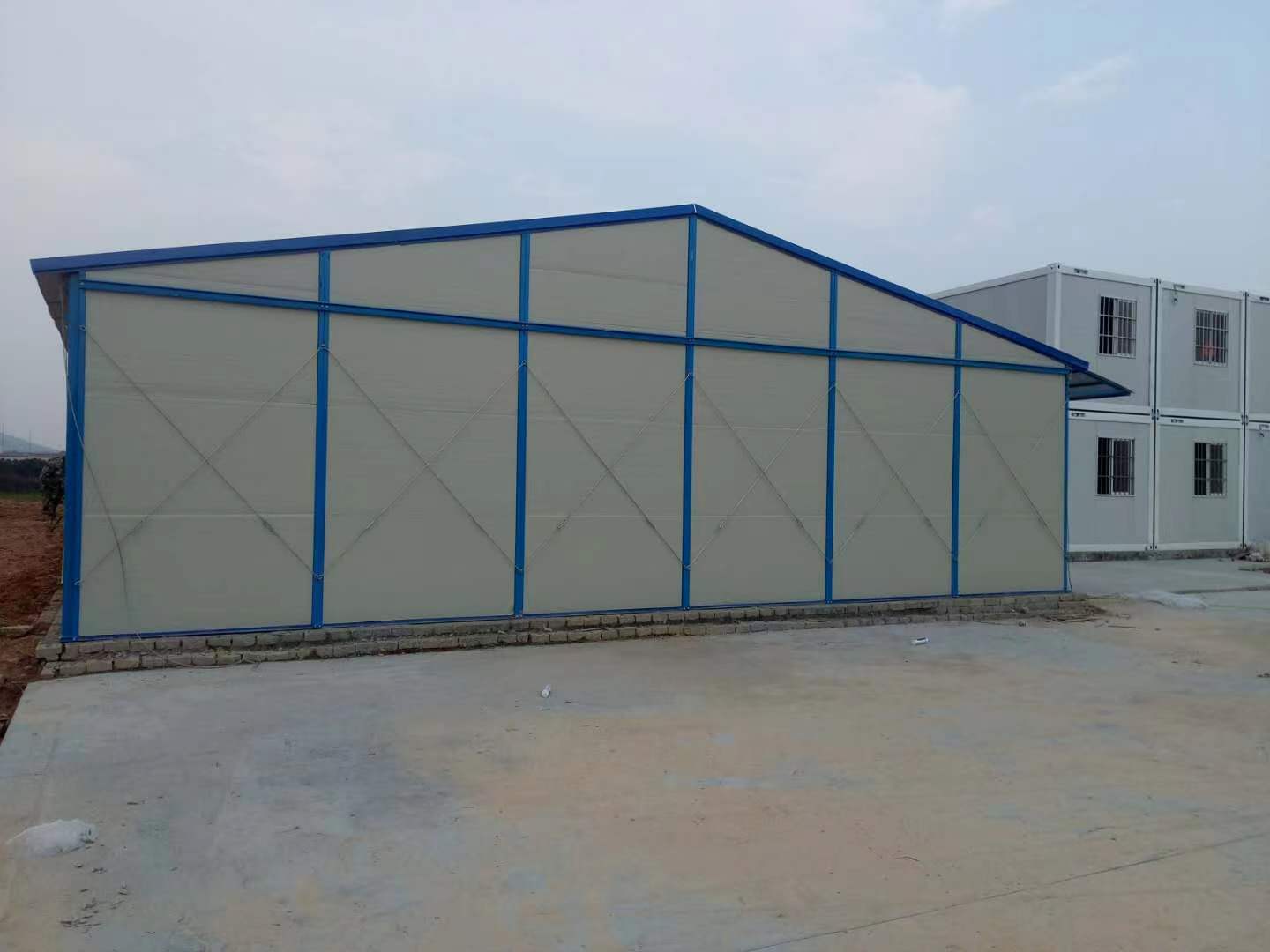
When you notice water inside your home, start by finding where it enters. Look for wet spots on walls, ceilings, or floors. Check seams, corners, and around windows or doors. Use a flashlight to inspect hidden areas. Sometimes, leaks appear far from the actual entry point. Trace the water path back to its origin. If you see rust or mold, these often mark the source. Take notes or photos to help you remember each spot.
Tip: After heavy rain, walk around your home and check for new damp areas. Early detection helps you act fast.
Temporary Fixes
You can use temporary solutions to stop leaks until you arrange a permanent repair. Waterproof tape works well for small cracks or gaps. Press the tape firmly over the leak to block water. Silicone sealant also provides quick relief. Apply it to seams, joints, or around windows. Make sure the area is clean and dry before you start. These fixes hold up for a short time, especially during storms.
Use waterproof tape for emergency patches.
Apply silicone sealant to small gaps.
Cover utility openings with plastic sheeting if needed.
Permanent Solutions
For a lasting fix, you need to repair or replace damaged materials. Remove old, cracked sealant and apply a fresh layer. Replace worn rubber moulds in corners or around joints. If you find large leaks or structural issues, call a professional. Lanen International offers expert repair services for expandable container homes. Their team uses quality materials and proven methods. You get peace of mind knowing your home stays dry and safe.
Note: Most leaks are easy to resolve with simple tools and materials. Act quickly to prevent bigger problems.
Leaks in expandable container homes rarely cause serious problems. You can prevent most issues with quality construction, proper sealing, and regular maintenance. Focus on early inspections and quick repairs. Do not let the idea of leaks discourage you. Well-built homes, like those from Lanen International, offer lasting comfort and strong protection against water. You can enjoy a safe and durable living space with the right care.
FAQ
Do all expandable container homes leak?
No, not all expandable container homes leak. You can avoid leaks by choosing quality construction and proper sealing. Homes from trusted brands like Lanen International use advanced sealing methods to keep water out.
How often should you inspect your container home for leaks?
You should inspect your home at least once every season. Regular checks help you catch small issues early. Focus on seams, joints, and areas around windows and doors.
Can you fix a leak yourself?
Yes, you can fix small leaks yourself. Use waterproof tape or silicone sealant for quick repairs. For larger leaks, you should contact a professional or your builder for help.
What materials work best for sealing leaks?
You get the best results with high-quality rubber, silicone, or MS polymer sealants. These materials last longer and resist weather damage. Lanen International recommends these products for their container homes.