

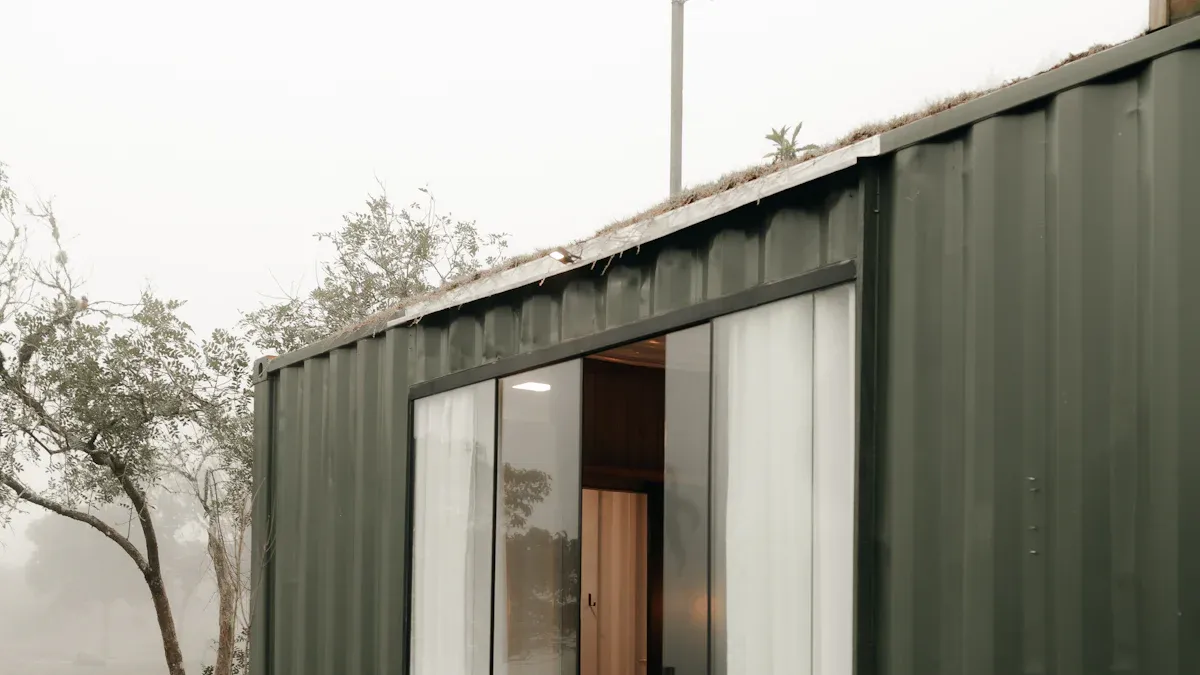
Yes, you can put a shipping container home in your backyard, but you need to check your local laws first. Rules can change depending on where you live and what you want to do with the space. Some places have strict codes, while others are more flexible. Always talk to your city or county office before you start planning. This way, you avoid surprises and keep your project on track.
Key Takeaways
Look at local zoning laws before you start your shipping container home. This makes sure your project follows the rules. - Get the right permits for building, plumbing, and electrical work. This helps keep your home safe and legal. - Think about the size and type of shipping container you can use. Most places let you use 20- or 40-foot containers. - Plan how your container home will look and where it will go. This helps you follow local appearance rules and think about your neighbors. - Ask experts like Lanen International for help if you have problems. Their advice can make getting approval easier.
Legal Requirements for a Shipping Container Home
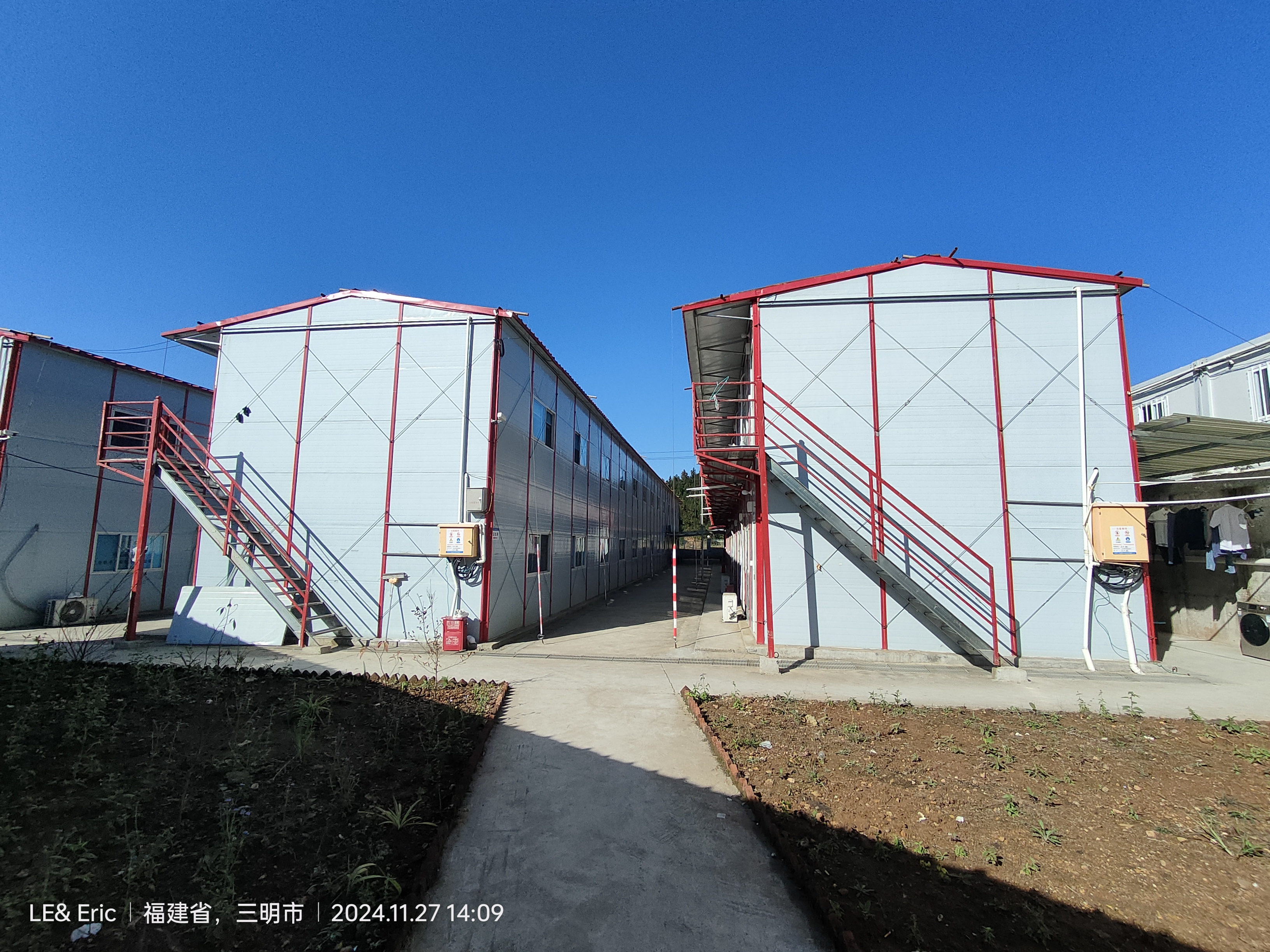
Before you start dreaming about your new shipping container home, you need to know the rules. Every city and county has its own laws. Some places welcome creative backyard projects. Others have strict limits. Let’s break down what you need to check.
Zoning and Local Laws
Zoning laws decide what you can build on your property. These rules split land into zones like residential, commercial, or industrial. If you want a shipping container home in your backyard, you must find out if your area allows it.
Residential Zones: Most backyards sit in residential zones. Some cities let you add a small home or accessory dwelling unit (ADU). Others say no to anything that looks different from a regular house.
Temporary vs. Permanent: If your container is not attached to the ground, some places treat it as a temporary structure. You might not need as many permits. But if you plan to live in it or connect utilities, expect more rules.
Local Differences: Rules change from one town to the next. Always check with your local planning office. They can tell you what’s allowed.
Tip: Ask your city or county for a zoning map. This helps you see what’s possible on your land.
Permits and Building Codes
You can’t just drop a shipping container home in your yard and call it done. You need permits. Building codes make sure your home is safe and strong.
Building Permit: You must apply for a building permit before you start. This shows the city your plans and makes sure you follow safety rules.
Codes to Follow: Your container must meet codes for plumbing, electricity, and fire safety. Inspectors will check your work.
Special Rules: Some places have extra rules for metal homes. They may ask for insulation or special foundations.
Here’s a simple table to help you see what you might need:
HOA and Deed Restrictions
If you live in a neighborhood with a Homeowners Association (HOA), you face another set of rules. HOAs often control what homes look like and what you can build.
HOA Approval: You may need to show your plans to the HOA board. They can say yes or no.
Deed Restrictions: Some properties have deed restrictions. These rules come with the land. They might ban shipping container homes or limit their size.
Appearance Rules: HOAs care about looks. They may ask you to paint your container or add landscaping.
Note: Lanen International can help you understand these rules. Our team knows how to work with HOAs and local offices.
Quick Checklist:
Check your zoning laws.
Ask about permits and building codes.
Review HOA and deed restrictions.
Decide if your container will be temporary or permanent.
You need to follow these steps to avoid problems. Every area is different. Some places make it easy. Others take more work. If you feel stuck, reach out to experts like Lanen International. We help people turn shipping container home dreams into reality.
Shipping Container Home Types and Placement

Allowed Sizes and Structures
When you start planning your shipping container home, you need to know what sizes and types you can use. Most local rules allow standard containers, which are usually 20 or 40 feet long. Some places let you stack containers or join them to make bigger spaces. You might see limits on height or total square footage, especially in neighborhoods with strict rules.
Here’s a quick table to help you compare common container sizes:
You can choose a single container or combine several for more room. Some areas only allow one container, while others let you build larger homes. Always check with your local office before you buy.
Tip: Many suppliers offer financing options. You can ask your provider about payment plans or loans. This makes it easier to start your project without paying everything up front.
Some suppliers work with banks or credit unions.
Others offer in-house financing.
You should contact your chosen provider to learn about their options.
Placement and Appearance Rules
Local authorities care about where you put your shipping container home and how it looks. You might need to place it a certain distance from property lines, roads, or other buildings. Some cities have rules about how close you can build to your neighbor’s fence.
You may also need to follow appearance rules. These can include painting your container, adding siding, or planting bushes around it. Some places want your home to blend in with others nearby. If you live in a neighborhood with an HOA, you might have extra rules about color, landscaping, or even roof style.
Note: Lanen International can help you understand placement and appearance rules. Our team knows how to work with local offices and HOAs to make your project easier.
If you follow these guidelines, you can create a shipping container home that fits your needs and meets local standards.
Getting Approval Step by Step
Ready to move forward with your shipping container home? Here’s a simple process you can follow to get the green light for your project.
Research Local Rules
Start by checking the rules in your city or county. Visit your local planning office or look up their website. Ask about zoning laws, building codes, and any special rules for container homes. Write down what you learn. This step helps you avoid problems later.
Tip: Take notes during your research. You’ll need this info when you talk to officials or fill out forms.
Define Use and Design
Decide how you want to use your shipping container home. Will it be a guest house, a rental, or your main home? Sketch out your design. Think about size, layout, and where you want to place it in your yard. Clear plans make it easier to explain your project to local authorities.
Make a list of features you want.
Draw a simple layout.
Choose a spot in your backyard.
Apply for Permits
Once you have your plan, gather the documents you need. Fill out permit applications for building, plumbing, and electricity. Submit your plans to the city or county office. Be ready to answer questions or make changes if needed.
Seek Professional Help
If you feel stuck or unsure, reach out to experts. Lanen International can guide you through the process. Their team knows how to work with local offices and HOAs. They can help you prepare documents and answer tough questions.
Note: Getting help from professionals saves you time and stress. You’ll feel more confident about your project.
Follow these steps, and you’ll be closer to making your backyard shipping container home a reality.
You can put a shipping container home in your backyard if you follow a few key steps:
Check your local zoning laws and building codes.
Plan your design and choose the right spot.
Apply for the permits you need.
Ask experts like Lanen International for help if you get stuck.
Remember, doing your homework keeps your project safe and legal. You can turn your backyard dream into reality with the right plan and support!
FAQ
Can you put any size shipping container in your backyard?
You can choose from different sizes, but local rules may limit what you use. Most places allow 20- or 40-foot containers. Always check with your city before you buy.
Do you need a permit for a shipping container home?
Yes, you need a permit for most container homes. Your city wants to make sure your home is safe. You should ask about building, plumbing, and electrical permits.
How long does it take to get approval?
Approval times vary. Some cities give you an answer in a few weeks. Others take longer. You can speed things up by having your documents ready and asking Lanen International for help.
Can you rent out your shipping container home?
You can rent it out if your local laws allow it. Some cities have rules for rentals. Check with your city office before you list your home.
What if your HOA says no to container homes?
If your HOA says no, you need to follow their rules. You can talk to the board and show your plans. Sometimes, Lanen International can help you work with your HOA.