

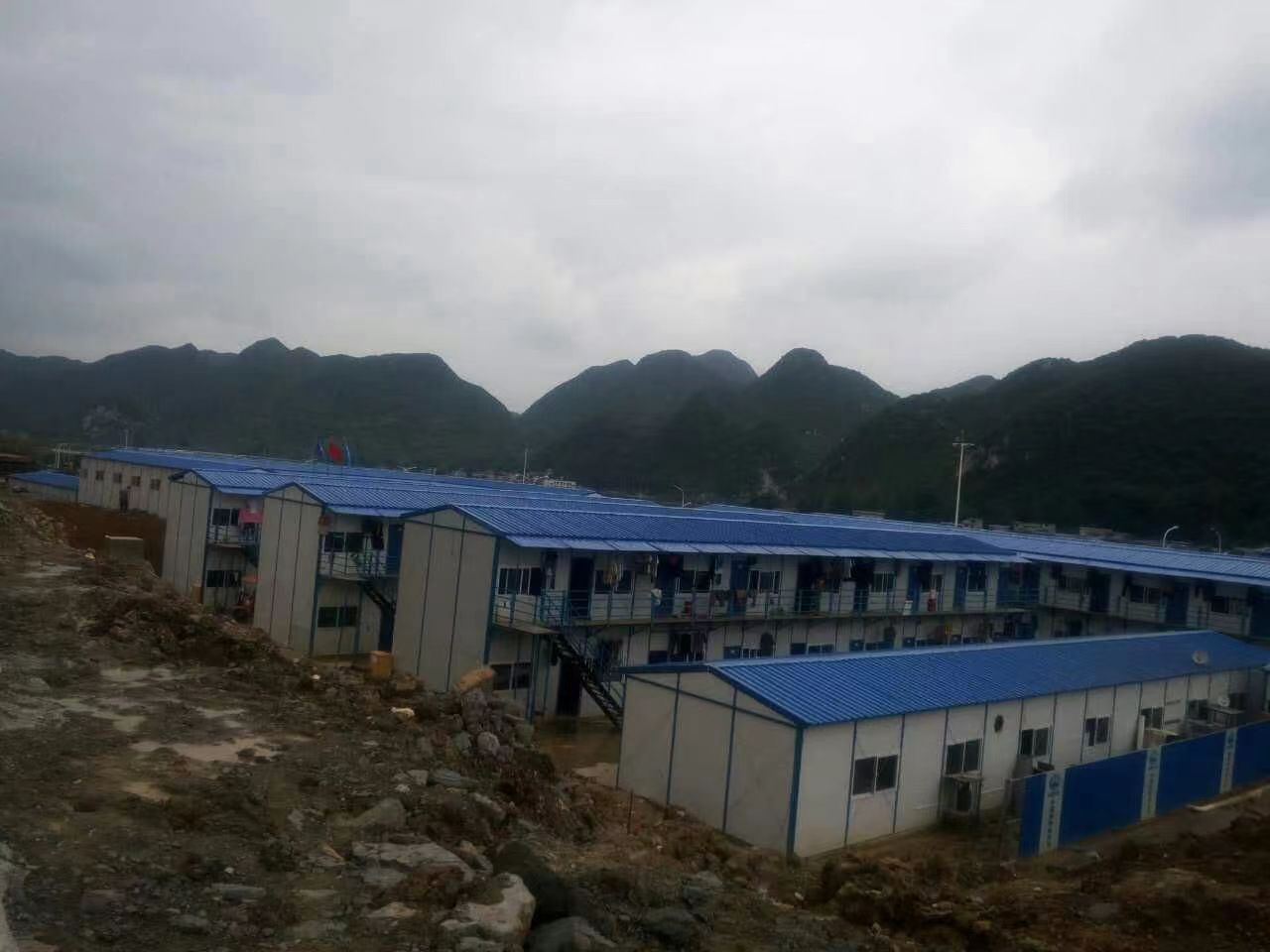
You experience year-round comfort in expandable container homes because advanced insulation and high-quality materials control temperature inside. Insulated walls and roofs block heat in summer and trap warmth in winter. These container homes use smart construction techniques that prevent drafts and energy loss. When you choose a home built with care, you get a cozy living space no matter the season.
Key Takeaways
Expandable container homes use advanced insulation to keep temperatures stable year-round. This means you stay comfortable in both hot and cold weather.
Choosing high-quality insulated panels, like EPS or polyurethane, enhances energy efficiency. These materials help reduce your energy bills and maintain a cozy environment.
Double-glazed windows are essential for blocking outside noise and maintaining indoor temperature. They improve your living space's comfort and tranquility.
Proper waterproofing and sealing are crucial. They prevent moisture from damaging insulation, ensuring your home remains healthy and effective for years.
Adding solar panels can significantly lower your utility costs. Many container homes are designed for easy solar installation, promoting energy savings.
Insulation Effectiveness in Expandable Container Homes
How Insulated Panels Work
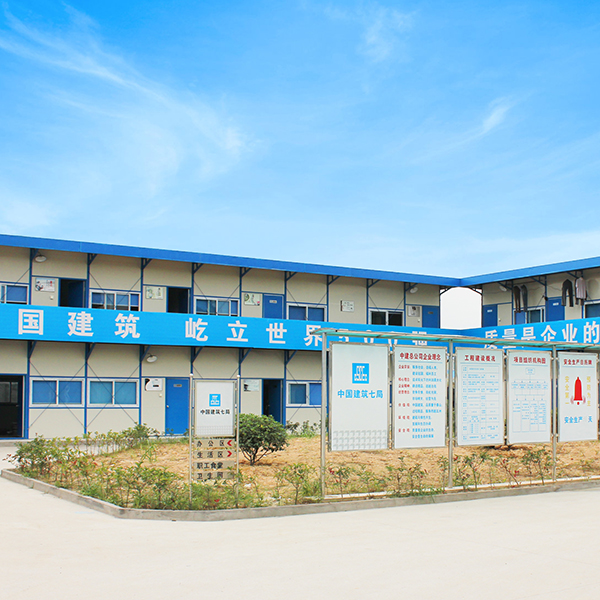
You rely on insulated panels to keep your expandable container homes comfortable in every season. These panels use high-density polyurethane or EPS (expanded polystyrene) as their core material. The dense structure of polyurethane panels gives you a high insulation coefficient, which means less heat escapes in winter and less heat enters in summer. EPS sandwich panels also provide strong thermal insulation by trapping air in small pockets, slowing down the transfer of heat.
Insulation thickness matters. Thicker panels offer better protection against temperature swings. You get complete insulation coverage when manufacturers install these panels in walls, roofs, and floors. This design blocks drafts and reduces energy loss. In hot, dry areas, high-performance thermal insulation and reflective roofing work together to keep your home cool. In colder regions, high-insulation materials and heating systems help maintain warmth.
Tip: Choose container homes with properly sealed insulated panels. This step prevents moisture from entering and keeps the insulation effective for years.
Here’s how insulation strategies change based on climate:
Thermal Bridge Structures
Thermal bridges are weak points in a building’s envelope where heat can escape or enter more easily. You want to avoid these in expandable container homes because they can cause cold spots and increase energy bills. Manufacturers use advanced construction techniques to minimize thermal bridges. They design the frame and joints to interrupt the path of heat flow, which keeps the inside temperature stable.
Insulation placement plays a key role. When you have continuous layers of insulation, you reduce the risk of thermal bridging. This approach lowers energy consumption and improves comfort. In extreme climates, container homes use high-grade insulation materials like spray foam, fiberglass, or polyurethane to boost energy efficiency.
Here’s a quick look at how expandable container homes handle extreme weather:
You get the best results when you combine thick insulated panels with smart design that blocks thermal bridges. This combination ensures your home stays warm in winter and cool in summer, no matter where you live.
How Are Container Homes Insulated
When you ask, "how are container homes insulated," you discover that manufacturers use advanced materials and smart installation techniques. These methods help you stay comfortable in all seasons. Expandable container homes rely on two main types of insulation panels: EPS sandwich panels and polyurethane panels. Each type offers unique benefits for thermal comfort and energy efficiency.
EPS Sandwich Panels
EPS sandwich panels use expanded polystyrene as the core material. You get lightweight panels that trap air inside tiny pockets. This structure slows down heat transfer. You feel cooler in summer and warmer in winter because the panels block outside temperatures. Lanen International, a leader in insulation solutions, supplies high-quality EPS panels for expandable container homes. Their panels meet strict standards for energy efficiency and durability.
You benefit from EPS panels because they are easy to install and fit tightly together. This tight fit reduces gaps where air could leak. You also notice that EPS panels resist mold and pests. Here is a quick overview of EPS sandwich panel advantages:
Polyurethane Panel Benefits
Polyurethane panels give you even higher insulation performance. The dense foam core blocks heat and cold more effectively than many other materials. You find that polyurethane panels have a high R-value, which means they keep your home at a stable temperature with less energy use. Lanen International also develops innovative polyurethane panels for expandable container homes, ensuring you get reliable and long-lasting insulation.
You can choose polyurethane panels if you want maximum energy savings. These panels work well in both hot and cold climates. You also get panels that are resistant to fire and chemicals. This extra protection adds to the safety of your living space.
Tip: When you select polyurethane panels, you invest in long-term comfort and lower utility bills.
Waterproof and Moisture Resistance
You need more than just good insulation to keep your home comfortable. Proper installation and waterproof seals play a big role. If water gets into the walls or roof, it can damage the insulation and reduce its effectiveness. Manufacturers use waterproof insulation materials and seal every joint carefully. This process keeps moisture out and prevents mold growth.
You should always check that your expandable container homes have high-quality waterproofing. Look for homes with sealed seams, treated panels, and moisture barriers. These features protect your investment and keep your living space healthy.
When you understand how are container homes insulated, you see that the right materials and careful installation make all the difference. EPS and polyurethane panels, especially those from Lanen International, provide strong thermal protection. Waterproof insulation materials and proper sealing ensure your home stays dry and comfortable year-round.
Expandable Container House Features for Comfort
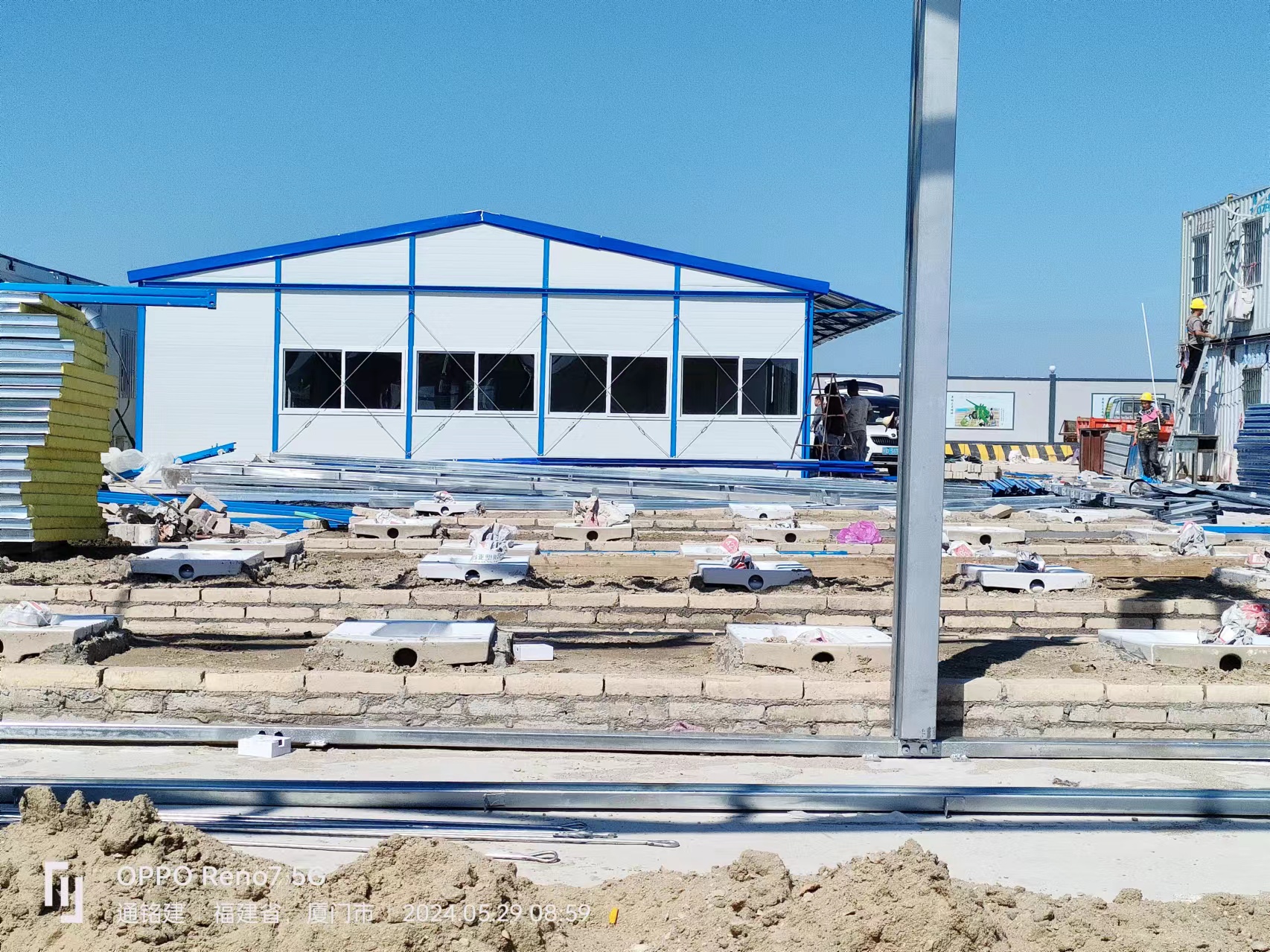
Expandable container homes offer you a range of key features that boost comfort and energy savings. You get advanced temperature control and a pleasant living space in every season. Let’s look at the main features that make your expandable container house stand out.
Double-Glazed Windows
You benefit from double-glazed windows in your expandable container house. These windows use two layers of glass with a sealed air gap. This design blocks heat from entering during summer and keeps warmth inside during winter. You notice less condensation and fewer drafts. Double-glazed windows also reduce outside noise, which makes your modular container homes quieter and more peaceful.
Tip: Choose an expandable container house with quality double-glazed windows from trusted brands like Lanen International for better insulation and durability.
Air Conditioning and Heating
You control the indoor climate in your expandable container house with modern air conditioning and heating systems. These systems respond quickly to changes in weather. You can set your preferred temperature and enjoy consistent comfort. Many modular units use energy-efficient split systems or heat pumps. These options save you money on energy bills and keep your home cozy or cool as needed.
Here are some key features of air conditioning and heating in modular container homes:
Fast temperature control for every room
Low energy consumption
Easy-to-use thermostats
Solar Power Options
You can add solar power systems to your expandable container house for even more energy savings. Solar panels on the roof collect sunlight and turn it into electricity. You use this power for lighting, appliances, and temperature control. Solar power lowers your utility bills and reduces your carbon footprint. Many modular designs include pre-wired connections for solar panels, making installation simple.
Note: Solar power works best when you combine it with other key features like double-glazed windows and strong insulation.
Expandable container homes give you flexible, modular solutions for year-round comfort. You enjoy advanced temperature control, energy savings, and a healthy indoor environment with these key features.
Benefits of Insulated Container Homes
Energy Efficiency
You save energy every day when you live in an expandable container house. The insulation in the walls, roof, and floor keeps your indoor temperature steady. You do not need to run your air conditioner or heater as much. This means you use less energy and pay lower utility bills. Lanen International designs expandable container homes with advanced insulation materials. You get a home that meets high standards for energy efficiency. You help the environment by reducing your carbon footprint.
Tip: Good insulation keeps your home comfortable and saves you money on energy costs.
Noise Reduction
You enjoy a peaceful living space in your expandable container house. The thick insulated panels block outside sounds. You hear less traffic, wind, or rain. This noise reduction makes your home quieter and more relaxing. You can study, work, or sleep without distractions. Double-glazed windows and tight seals add extra protection from noise. You notice the difference as soon as you move in.
Durability
You want your expandable container house to last for many years. The durability of expandable container homes comes from strong steel frames and high-quality insulation panels. You get walls that resist dents, moisture, and pests. The durability of expandable container homes means you do not worry about frequent repairs. Lanen International uses materials that stand up to harsh weather and daily use. You trust the durability of expandable container homes because they pass strict quality tests. The durability of your expandable container house protects your investment and gives you peace of mind.
Steel frames add strength and support.
Insulated panels prevent water damage.
Treated surfaces resist rust and corrosion.
You get a home that stays solid and safe for years.
Note: The durability of expandable container homes makes them a smart choice for families and businesses.
You see how expandable container homes use advanced insulation and smart design to keep the temperature comfortable in every season. When you choose an expandable container house built with high-quality materials, you get reliable performance and energy savings. You maintain your expandable container house easily by checking seals and insulation. Lanen International offers solutions that help you maintain your expandable container house for long-lasting comfort. You enjoy a cozy expandable container house all year.
FAQ
How do expandable container homes stay warm in winter?
You stay warm because insulated panels trap heat inside. Double-glazed windows and sealed joints prevent drafts. Lanen International uses high-quality materials that keep your home cozy during cold months.
Can I add solar panels to my container home?
You can add solar panels easily. Many expandable container homes come with pre-wired connections. Solar power helps you save energy and lower your utility bills.
Are container homes noisy during storms?
You hear less noise because insulated panels and double-glazed windows block sound. Lanen International designs homes to reduce outside noise, even during heavy rain or wind.
How long does the insulation last?
You get long-lasting insulation when you choose quality materials. Proper installation and waterproofing protect the panels. Regular checks help you maintain comfort for many years.
Is moisture a problem in expandable container homes?
You avoid moisture problems with waterproof insulation and sealed seams. Lanen International uses moisture-resistant materials to keep your living space dry and healthy.