

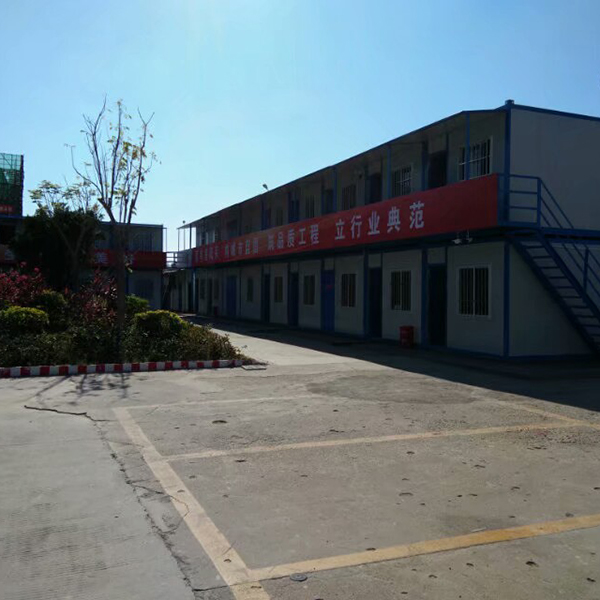
You might wonder how a folding container house handles electrical and plumbing needs. Most units come with wiring and plumbing already in place, so you can set up fast. You get safety features like shut-off valves and circuit breakers to protect your house. Hooking up to local utilities feels simple. You can move or expand your home with ease, making these houses a flexible choice for many.
Key Takeaways
Folding container houses come with pre-installed electrical and plumbing systems, making setup quick and easy.
You can choose from various utility options, including city connections, solar power, and rainwater collection, to fit your lifestyle.
Smart features like energy-efficient lighting and thermostats help you save money and control your home easily.
Regular maintenance, such as checking for leaks and cleaning drains, keeps your plumbing and electrical systems running smoothly.
Modular designs allow for easy expansion and relocation, giving you flexibility in your living space.
Utility Integration in Folding Container Houses
Structure and Utility Access Points
When you step into a folding container house, you notice how everything feels ready for action. Designers place utility access points in smart locations, so you can connect your systems without hassle. You get options for water, power, sanitation, and even internet. Here’s a quick look at the most common access points you’ll find:
You can pick the setup that fits your needs. If you want to go off-grid, you have choices. If you prefer city connections, you can hook up quickly.
Pre-Installed Systems and Factory Setup
You don’t have to worry about complicated installation when you choose folding container houses. Most fold out container homes systems come with pre-installed wiring and plumbing. The factory team sets up essential fixtures and fittings before your house arrives. This modular approach streamlines the process and cuts down on labor. You get rapid deployment because the folding design lets you unfold and set up your home in less time.
Pre-manufactured utilities mean less waiting for installation.
Modular connections make it easy to add or change systems.
Quick unfolding gets your house ready fast.
Planning for Expansion and Mobility
If you want to expand or move your fold out container homes, you have flexibility. The systems inside are designed to handle changes. You can add new modules or relocate your house without major headaches. Utility connections use modular fittings, so you can disconnect and reconnect with ease. This makes folding container house living perfect for people who value mobility and adaptability.
Electrical Systems in Folding Container Houses
Power Supply Options
You have several choices when it comes to powering your folding container house. Many folding container houses let you connect directly to the city grid. This option gives you steady power for all your needs. If you want more independence, you can use solar panels or portable generators. These options work well for off-grid living or remote locations.
Here’s a quick comparison of solar panels and generators for fold out container homes:
You can combine solar panels with generators for even more reliability. This setup helps you keep the lights on, even during cloudy days or at night. You get flexibility and peace of mind, no matter where you place your collapsible container house.
Wiring, Outlets, and Safety Devices
The engineering behind folding container house designs focuses on safety and convenience. Most manufacturers install copper wiring at the factory. You don’t have to worry about running wires through tight spaces. Outlets and switches come pre-installed, so you can plug in your devices right away.
You’ll find that electrical connections use modular fittings. This makes installation and future upgrades much easier. You can add more outlets or change the layout without tearing down walls. The systems also include circuit breakers and surge protectors. These devices guard your house against electrical surges and short circuits.
Tip: Always check that your fold out container homes meet local electrical codes. This step keeps you safe and helps you avoid problems during inspections.
Some collapsible container house models use hydraulic or electric lifting systems. These systems need a reliable power source. Make sure you plan for enough capacity to handle both your daily needs and any special equipment, like heating or air conditioning.
Smart Features and Energy Efficiency
You can boost the efficiency of your folding container house with smart technology. Many modern systems include smart thermostats, energy-efficient lighting, and remote controls. These features help you save energy and lower your bills.
Smart home features make life easier. You can control heating, cooling, and lighting from your phone. Energy-efficient appliances use less power, which is great for both your wallet and the environment. These advancements in engineering help you create a sustainable and comfortable living space.
If you want to upgrade your collapsible container house, look for systems that support smart devices. You’ll enjoy more control and better efficiency every day.
Plumbing Systems in Folding Container Houses
Water Supply and Shut-Off Valves
You want your folding container house to feel just like any other home. The good news? Most fold out container homes systems arrive with plumbing already in place. You don’t need to worry about complicated plumbing installation. The factory team sets up the pipes, connectors, and fixtures before your house even arrives. When you unfold your home, you’ll see clear access points for water supply. You can hook up to city water, a well, or even a rainwater collection system.
Shut-off valves play a huge role in safety and convenience. You’ll find these valves near sinks, toilets, and the main water line. If you ever need to fix a leak or swap out a faucet, you can turn off the water to just one area. This feature keeps your home safe and makes repairs much easier.
Tip: Always check that your shut-off valves work before you finish your installation. A quick test can save you from big headaches later.
Wastewater and Drainage
Every home needs a way to handle waste. Fold out container homes use smart systems to manage wastewater and sewage. You’ll see pre-installed drain pipes that connect to either a city sewer, a septic tank, or a composting toilet. These options give you flexibility, whether you live in the city or off the grid.
The drainage system uses gravity and venting to move waste away from your living space. You won’t have to worry about bad smells or clogs if you keep the system clean. Make sure you check the connections after you set up your house. Tight seals prevent leaks and protect your home from water damage.
Here’s a quick look at common wastewater solutions:
Space-Saving Fixtures
Space matters in a collapsible container house. You want every inch to count. That’s why manufacturers choose compact sinks, toilets, and showers. These fixtures fit perfectly into small bathrooms and kitchens. You get all the comfort of a regular home without wasting space.
Some systems use wall-mounted sinks or corner toilets. Others include foldable shower doors or sliding faucets. These clever designs help you move around easily, even in a tight spot. You can also find combo units, like a washer-dryer or a shower-toilet, to save even more room.
Wall-mounted sinks free up floor space.
Compact toilets use less water and fit in small corners.
Foldable shower doors make cleaning simple.
Winterization and Maintenance
Cold weather can cause big problems for plumbing. If you live in a place with freezing temperatures, you need to winterize your fold out container homes. Insulate pipes and use heat tape to keep water flowing. Drain outdoor lines before the first frost. These steps protect your system from burst pipes and costly repairs.
Regular maintenance keeps your plumbing running smoothly. Check for leaks, clean drains, and test shut-off valves every few months. When you take care of your system, you extend the life of your collapsible container house. You avoid expensive fixes and enjoy peace of mind.
Regular inspections catch small problems early.
Cleaning drains prevents clogs and odors.
Testing valves ensures you can stop leaks fast.
Note: Proper and regular maintenance will support the longevity of the plumbing systems in folding container houses.
You don’t need to be a pro to keep your plumbing in top shape. Just follow a simple checklist and stay alert for changes. Your house will thank you with years of trouble-free living.
Set Up a Folding Container House: Common Challenges and Solutions
Managing Limited Space for Systems
When you set up a folding container house, space feels tight. You want a fully functional space, but every inch matters. Try floating shelves to keep items off the floor. Wall-mounted hooks help you hang bags or keys. Hanging organizers work well for small items. Use vertical space by adding shelves high up on the walls. Multi-purpose furniture, like a sofa bed or drop-leaf table, gives you more options. Ottomans with storage hide clutter. Storage containers keep things organized. Declutter often to avoid wasted space. These tricks help you fit all your systems and still enjoy comfort.
Ensuring Flexibility for Folding and Transport
You want your fold out container homes to move easily. The engineering behind folding container house designs makes this possible. Modular systems and quick-connect fittings let you disconnect utilities fast. When you set up a folding container house, check that all connections are secure but easy to release. Flexible pipes and wiring protect your systems during folding and transport. Always test your utilities and amenities setup after moving. This step keeps your house safe and ready for use.
Preventing Leaks and Electrical Hazards
Leaks and electrical issues can ruin your experience. When you set up a folding container house, inspect all plumbing joints and electrical outlets. Tighten loose fittings and replace worn seals. Use surge protectors to guard against electrical spikes. Regularly check for drips or moisture near outlets. Good engineering and careful setup prevent most problems. If you spot trouble, fix it right away.
Tip: Always turn off power and water before making repairs. Safety comes first!
Cost-Effective Upgrades and DIY Tips
You can boost efficiency and comfort without spending a lot. Upgrade to LED lights for better energy use. Add insulation to improve heating and cooling. Smart thermostats help you control temperature. Many collapsible container house owners handle simple upgrades themselves. Watch for sales on compact appliances. Use DIY guides for small projects. These practical considerations for folding container house living save money and make your home better.
Practical considerations for folding container house living always include regular checks and smart upgrades. With a little effort, you keep your fold out container homes running smoothly and enjoy a cozy, efficient space.
You now know how easy it is to set up electrical and plumbing in a folding container house. Pre-installed systems and modular design save you time and stress. Plan your layout before you start. Call a pro for tricky jobs. Test every connection for safety. With a little care, your house will run smoothly and stay comfortable for years.
FAQ
How long does it take to set up utilities in a folding container house?
You can usually connect water and power in just a few hours. Most systems come pre-installed. You only need to hook up to local sources. This makes move-in day much easier.
Can I add more outlets or fixtures later?
Yes, you can! Modular wiring and plumbing let you add outlets or fixtures when you need them. Just make sure you follow safety guidelines. If you feel unsure, call a licensed pro.
What should I do if I find a leak?
First, turn off the nearest shut-off valve. Next, dry the area and check for damage. You can fix small leaks with plumber’s tape. For bigger problems, call a plumber right away.
Are folding container houses safe during storms?
Yes, they are. These homes use strong steel frames and secure connections. You get circuit breakers and surge protectors for extra safety. Always check that your house meets local building codes.