

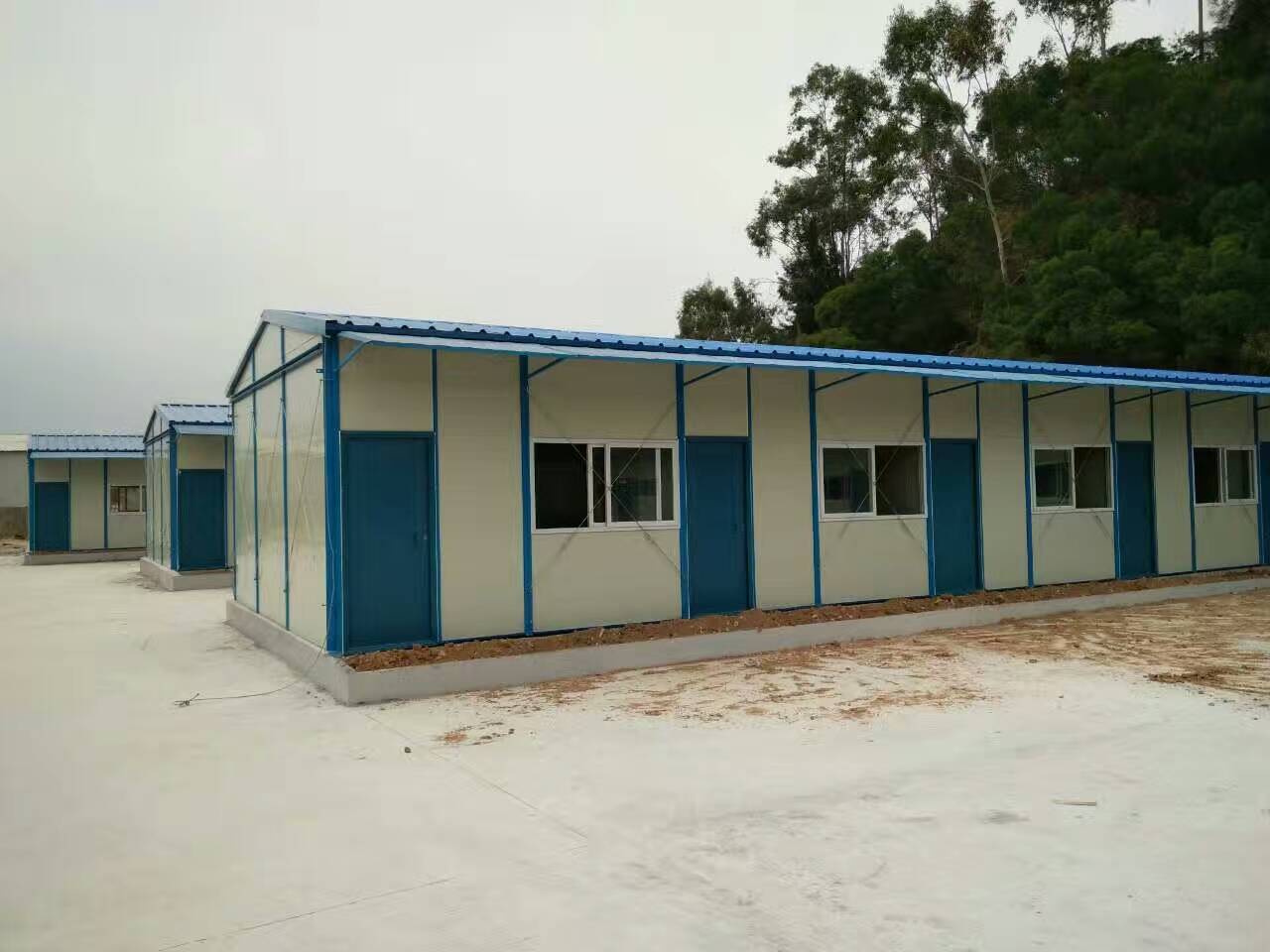
Insulating a shipping container home for winter requires a combination of effective materials and smart techniques. Choosing the right insulation boosts energy efficiency and keeps living spaces comfortable during cold weather. Many homeowners apply spray foam for quick coverage, install double-glazed windows, and seal gaps to prevent drafts. Natural options like wool and cork offer strong heat retention and sound insulation. The following table highlights some of the most reliable strategies:
Both experienced DIYers and those new to home improvement can insulate your shipping container home successfully and enjoy a warmer winter.
Key Takeaways
Choose the right insulation material, like closed-cell spray foam, for maximum heat retention and energy efficiency.
Seal all gaps and cracks in windows and doors to prevent cold drafts and maintain a warm interior.
Consider using double-glazed windows to significantly reduce heat loss and enhance comfort during winter.
Supplement insulation with thick rugs and radiant heating systems for added warmth and comfort in your shipping container home.
Regularly inspect insulation and seals to ensure they remain effective and address any issues promptly.
Why Insulation Matters for Shipping Container Homes
Heat Loss Challenges
Shipping container homes face unique challenges during winter. Steel walls conduct heat quickly, which means warmth escapes faster than in traditional houses. When cold air surrounds the metal, condensation can form inside. This moisture can damage belongings and create an uncomfortable living space. Without proper container home insulation, the interior temperature drops rapidly. Residents may notice cold spots near walls and floors. Heating systems must work harder to keep the space warm, which increases energy bills. In regions with cold winter temperatures, these issues become even more pronounced. The lack of insulation can also lead to drafts and uneven warmth throughout the home.
Benefits of Proper Container Home Insulation
Container home insulation provides several important benefits for shipping container home owners, especially in cold climates:
Proper insulation maintains a stable internal temperature. It prevents heat loss in winter and reduces heat gain in summer.
Insulation materials with high R-values, such as closed-cell spray foam, offer strong thermal resistance. This helps keep the home warm even when outside temperatures drop.
High-quality container home insulation can lead to significant energy savings. Lower heating costs offset the initial investment over time.
Effective insulation reduces drafts and cold spots. Residents enjoy a more comfortable and energy-efficient container home.
Good insulation also helps control moisture. It prevents condensation and protects the structure from mold or rust.
Tip: Investing in container home insulation early can make a big difference in comfort and energy efficiency during winter.
Shipping container home owners who focus on container home insulation create a warmer, healthier, and more cost-effective living environment. They also contribute to the growing trend of energy-efficient container homes.
Best Shipping Container Home Insulation Options

Choosing the best shipping container home insulation depends on climate, budget, and installation preferences. Each insulation material offers unique advantages for container home insulation. The following sections explain the most popular options and help homeowners select the best shipping container home insulation for winter.
Spray Foam Insulation
Spray foam insulation stands out as a top choice for shipping container home owners. This material expands after application, filling gaps and creating an airtight seal. Closed-cell spray foam provides a high R-value, which means it resists heat flow very well. Homeowners often choose closed-cell spray foam because it prevents moisture buildup and stops drafts. Closed cell foam also adds structural strength to container walls.
Closed-cell spray foam works well in cold climates. It blocks air leaks and keeps warmth inside. Many people prefer closed cell foam for its durability and long lifespan. Expanded foam insulation, a type of spray foam, covers large areas quickly. It adheres directly to steel surfaces, making it ideal for shipping container home projects.
Lanen International supplies high-quality closed-cell spray foam and expanded foam insulation products. Their solutions help homeowners achieve the best shipping container home insulation results. They offer professional guidance for both DIY and contractor-led installations.
Tip: Closed-cell spray foam can cost more than other options, but it delivers excellent energy savings over time.
Rigid Foam Board Insulation
Rigid foam board insulation offers another effective solution for container home insulation. These boards come in various thicknesses and sizes. Homeowners can cut and fit them between wall studs or attach them directly to container walls. Closed cell foam boards, such as polyisocyanurate and extruded polystyrene, provide strong thermal resistance.
Expanded foam insulation boards resist moisture and do not compress over time. They work well for walls, roofs, and floors. Many people use rigid foam board insulation in combination with spray foam to seal edges and corners. This method increases the overall effectiveness of container home insulation.
Lanen International offers a range of rigid foam board insulation products. Their boards meet high standards for energy efficiency and durability. Homeowners can consult with Lanen International to select the right closed cell foam board for their shipping container home.
Note: Rigid foam board insulation costs less than spray foam insulation. It requires careful cutting and sealing to prevent air leaks.
Fiberglass and Alternative Materials
Fiberglass insulation remains a common choice for many homeowners. It comes in batts or rolls and fits between framing studs. Fiberglass costs less than closed-cell spray foam or rigid foam board insulation. It provides moderate thermal resistance but does not block moisture as well as closed cell foam.
Some people prefer alternative materials for container home insulation. Wool, cotton, and cork offer natural insulation properties. These materials work best in mild climates or as supplemental layers. Expanded foam insulation can combine with natural materials to improve performance.
Homeowners should consider their climate and budget when choosing insulation. Closed-cell spray foam and rigid foam board insulation work best in cold regions. Fiberglass and natural materials suit moderate climates or interior walls.
Homeowners can contact Lanen International for expert advice on the best shipping container home insulation products for their needs.
How to Insulate Your Shipping Container Home Step-by-Step
Walls and Roof Insulation
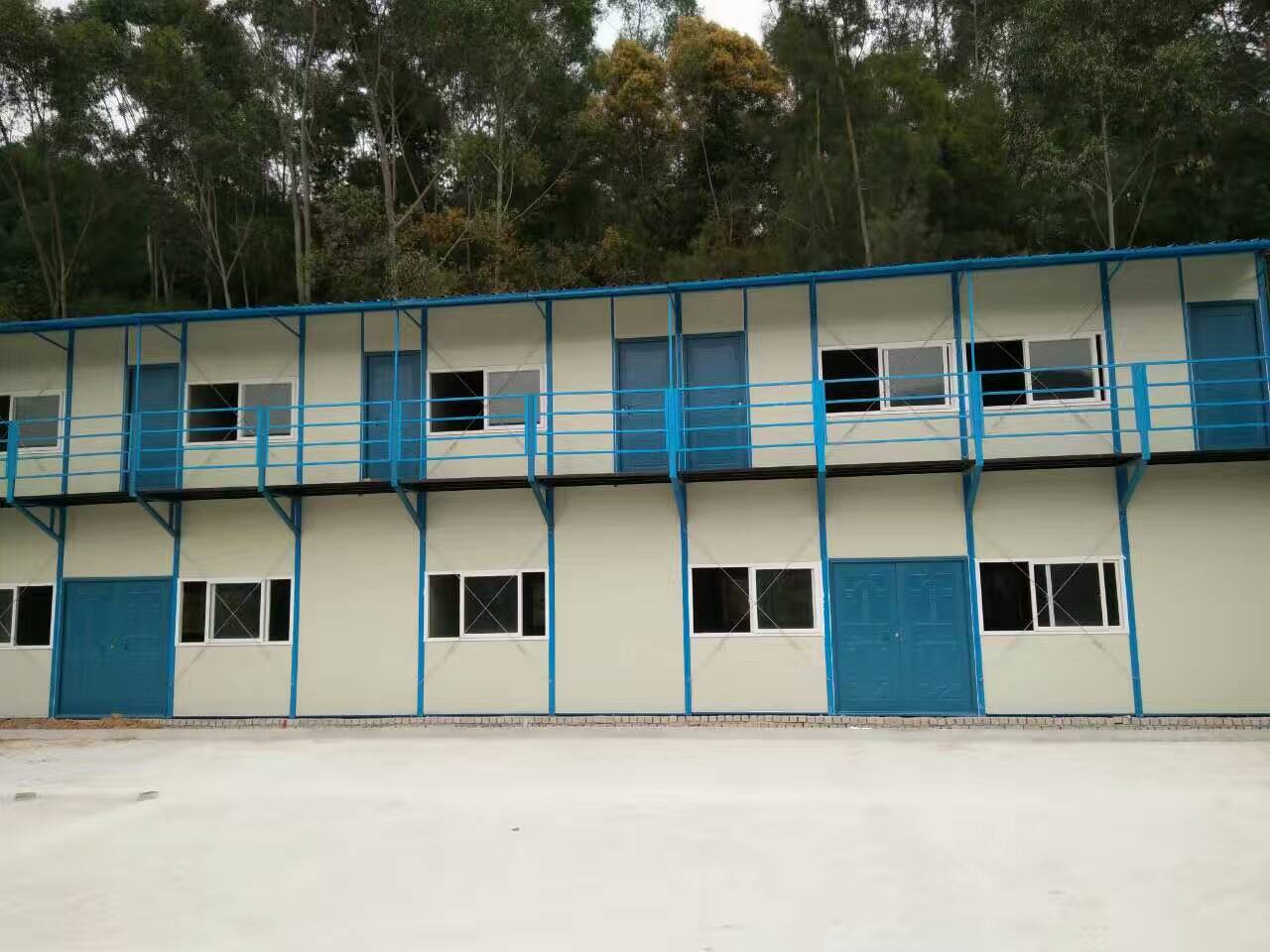
Insulating your container home begins with the walls and roof, which lose the most heat during winter. The process requires careful planning and the right materials to maximize energy efficiency and comfort.
Choose Insulation Material
Homeowners select closed-cell spray foam, expanded foam insulation, wool, denim, or cork. Closed-cell spray foam offers the highest R-value and superior air and water sealing. Wool, denim, and cork provide eco-friendly alternatives, though they have lower R-values.Prepare the Container
They clean the shipping container thoroughly, removing rust and debris. This step ensures proper adhesion and prevents future moisture problems.Apply Insulation
Closed-cell spray foam is sprayed directly onto both exterior and interior walls, creating an airtight barrier. Expanded foam sheets are cut to fit between metal studs, and gaps are sealed with mylar tape. Wool, denim, or cork can be fitted between timber framing for those seeking natural options.Install Vapor Barrier
When using denim insulation, a vapor barrier is essential. It maintains insulation properties and prevents moisture buildup.Finish with Interior Walls
After homeowners install insulation, they cover it with drywall or other finishes. This step protects the insulation and creates a comfortable living space.
Tip: Proper installation and climate conditions play a crucial role in maximizing insulation effectiveness. Lanen International recommends closed-cell spray foam for cold climates due to its durability and thermal performance.
Floor Insulation and Radiant Heating
Insulating the floor of a shipping container home prevents heat loss and increases comfort during winter. The floor often feels cold because steel conducts heat away quickly.
Homeowners apply spray foam insulation directly to the underside of the container floor. This method creates a continuous thermal barrier and blocks drafts.
Expanded foam boards can be installed above the subfloor. They fit snugly between timber framing and help retain warmth.
Thick area rugs add an extra layer of insulation. Rugs trap heat and make the interior more comfortable.
Some owners invest in radiant heating systems. These systems use electric or hydronic coils beneath the floor to provide consistent warmth.
Note: Investing in insulation for the floor is crucial, even if it reduces interior space. Lanen International supplies foam products designed for container home insulation, ensuring maximum efficiency.
Windows and Doors: Double-Glazing and Sealing
Windows and doors represent common sources of heat loss in shipping container homes. Insulating these areas is essential for maintaining warmth during winter.
Homeowners install double-glazed windows and doors. Double glazing improves energy efficiency and reduces heat loss, keeping more warmth indoors.
Weatherstripping and foam tape seal gaps around frames. These materials prevent cold drafts and moisture infiltration.
For older doors, adding foam panels or insulated curtains can enhance thermal performance.
Regular inspection helps identify new gaps or cracks. Prompt sealing maintains the effectiveness of container home insulation.
Callout: Double-glazed windows and doors provide effective insulation and energy savings. Lanen International offers solutions for insulating your container home, including foam products and expert advice.
Insulating your shipping container home requires attention to detail in every area. Homeowners who install insulation in walls, roof, floor, windows, and doors create a comfortable environment, even in cold winter months. Lanen International supports insulating a container home with high-quality foam products and expert guidance.
Extra Winterizing Tips for Container Homes
Sealing Gaps and Cracks
Shipping container home owners often face heat loss during winter because of small gaps and cracks. Steel walls and frames can shift over time, creating spaces where cold air enters. Sealing these gaps helps maintain warmth and reduces energy costs. Many people inspect windows and doors for air leaks. They seal doors and windows with silicone caulk, which blocks drafts and moisture. Closed cell foam insulation works well for filling larger gaps. This foam has a high R-value, so it keeps heat inside and prevents water infiltration. Homeowners can complete this task as a quick DIY project. Regular inspections ensure that new gaps do not develop as temperatures change.
Tip: Closed cell foam provides better heat retention than open cell foam. Lanen International recommends using closed cell foam for superior insulation in cold climates.
Common Areas to Seal:
Window frames
Door edges
Wall joints
Floor seams
A well-sealed container home stays warmer and uses less energy during winter.
Supplemental Heating Solutions
Insulation alone may not keep every shipping container home warm during the coldest winter nights. Supplemental heating solutions add comfort and improve energy efficiency. Many owners install wood burners or portable heaters for quick warmth. Radiant heating systems under the floor distribute heat evenly. Thick area rugs help retain heat and make floors feel warmer. Double-glazed windows also minimize heat loss and improve insulation. Lanen International supplies foam products that work with these upgrades to maximize energy savings.
Callout: Combining foam insulation with practical upgrades like double-glazed windows and heaters creates a comfortable living space all winter.
Shipping container home owners who seal gaps, use closed cell foam, and add supplemental heating enjoy a warmer, more energy-efficient home during winter.
Shipping container homeowners can achieve a warm, energy-efficient space by choosing the right insulation methods. Closed-cell spray foam, rigid foam boards, and natural materials like wool each offer unique benefits. Sealing gaps and upgrading windows further improve comfort. Lanen International provides expert advice and quality products for every project. Homeowners should start winterizing now to enjoy lower energy bills and a cozy home. For complex insulation needs, seeking professional help ensures the best results.
FAQ
What is the best insulation for a shipping container home in cold climates?
Closed-cell spray foam provides the highest R-value and moisture resistance. Many homeowners choose this option for winter. Lanen International offers quality spray foam products designed for container homes.
How can someone prevent condensation inside a container home?
Proper insulation and a vapor barrier help stop condensation. Sealing all gaps and using dehumidifiers also reduce moisture. Regular inspections keep the interior dry and comfortable.
Can natural insulation materials work in shipping container homes?
Natural materials like wool, cotton, and cork offer moderate insulation. They suit mild climates or work as supplemental layers. Homeowners should always use a vapor barrier with these materials to prevent moisture issues.
How often should insulation and seals be checked?
Homeowners should inspect insulation and seals at least once a year. Checking before winter ensures the home stays warm and energy efficient. Prompt repairs prevent heat loss and moisture problems.