

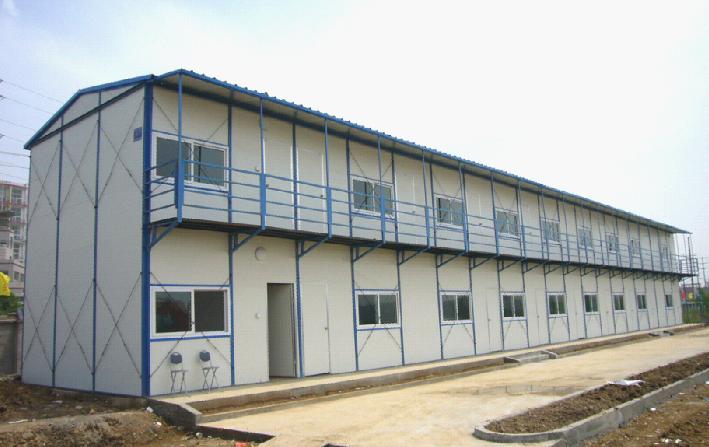
If you want to power a shipping container home off the grid, you have a few solid options. Solar power stands out as the most common and reliable choice for off-grid container home setups, thanks to its easy installation and strong performance. Wind energy can work well in the right spot, since it can generate power around the clock, but it depends heavily on local wind. Every off-grid living setup needs careful planning to match your location and daily needs.
Key Takeaways
Solar power is the most popular choice for off-grid container homes due to its reliability and ease of installation.
Wind turbines can provide continuous power in windy areas, making them a great addition to a solar setup for balanced energy supply.
Backup generators and battery storage are essential for ensuring power availability during cloudy days or low wind conditions.
Assess your daily energy needs before choosing equipment to ensure your off-grid system meets your lifestyle requirements.
Regular maintenance of your power system is crucial for long-term efficiency and safety; schedule seasonal checks to catch issues early.
Off-Grid Power Solutions for Shipping Container Homes
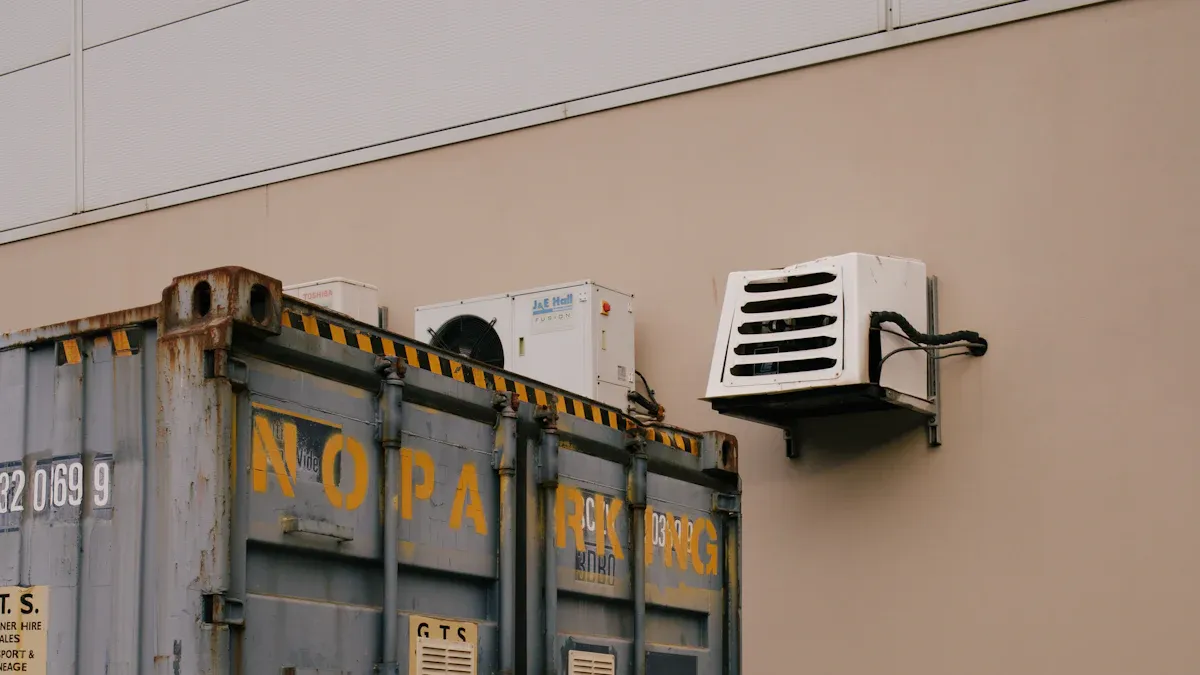
When you start planning your off-grid container home, you’ll find several ways to generate electricity without relying on the grid. Most people choose solar panels because they work well for many locations and are easy to install on a container roof. Wind turbines and backup generators also play important roles, especially if you want a reliable off-grid power setup year-round. Let’s break down each option so you can see what fits your needs best.
Solar Power for Container Homes
Solar power stands out as the top choice for most off-grid container home owners. You can mount solar panels right on the roof of your container, making use of space you already have. In sunny climates, solar panels capture plenty of energy during the day, giving you a steady supply of electricity for lights, appliances, and even air conditioning.
Advantages of solar power:
Reliable for off-grid power generation, especially in places with lots of sunshine.
Easy to install and expand as your energy needs grow.
Low maintenance once you set up the system.
Disadvantages of solar power:
Solar panels depend on sunlight, so cloudy or rainy weather can limit how much energy you get.
You may need a larger battery bank to store power for nighttime or bad weather.
If you want a trusted provider, Lanen International offers solar kits designed for off-grid container home setups. Their systems come with everything you need, from panels to inverters, and they offer support for installation and maintenance.
Tip: Always check how much sunlight your site gets before you invest in solar panels. A quick online search or a solar calculator can help you estimate your daily energy production.
Wind Power Options
Wind turbines give you another way to power your off-grid container home. If you live in a spot with steady breezes, a small wind turbine can generate electricity day and night. This means you can keep your lights on even when the sun goes down or clouds roll in.
Wind energy works best in regions with strong, consistent winds.
Unlike solar, wind turbines can produce power 24/7, which helps balance your off-grid power supply.
Some areas don’t get enough wind to make turbines worthwhile, so always check local wind maps before you buy.
You can combine wind and solar for a hybrid system. This setup gives you more reliable off-grid power, especially if your weather changes a lot. Lanen International also provides wind turbine kits that pair well with solar systems, making it easier to build a complete off-grid container home solution.
Backup Generators and Battery Storage
Even the best off-grid container home systems need a backup plan. That’s where generators and batteries come in. A backup generator, usually powered by propane or diesel, can keep your home running during long stretches of cloudy or windless days. You won’t use it all the time, but it’s a lifesaver when you need extra power.
Battery storage is just as important. Batteries store the energy your solar panels or wind turbine produce during the day, so you can use it at night or when the weather isn’t cooperating. Most off-grid container home owners choose lithium-ion batteries because they last longer and need less maintenance.
Here’s a quick comparison of the main off-grid power options for shipping container homes:
If you want a one-stop shop, Lanen International supplies batteries and generators that work seamlessly with their solar and wind systems. This makes it easier to build a reliable off-grid container home, no matter where you live.
Note: Always size your battery bank and generator based on your daily energy use. Too small, and you’ll run out of power. Too large, and you’ll spend more than you need.
With the right mix of solar, wind, batteries, and a backup generator, you can enjoy true off-grid living in your container home. Take time to compare your options and choose what works best for your climate, budget, and lifestyle.
Planning Your Off-Grid Container Home Power System
Assessing Energy Needs
Before you start building your off-grid container home, you need to figure out how much energy you use every day. Think about the appliances you want, how many lights you need, and whether you plan to run air conditioning or heating. Write down everything that uses electricity. Add up the wattage for each item and estimate how many hours you use them. This gives you a clear idea of your daily power needs. If you want a quick way to calculate, many online tools can help you add up your total energy use.
Tip: Always round up your energy estimate. It’s better to have extra power than not enough.
Sizing and Choosing Equipment
Once you know your energy needs, you can pick the right equipment for your off-grid container home. You want a system that matches your lifestyle and location. Here are some things to consider:
Solar panels work best for most off-grid setups. Wind turbines can help if you live in a windy area.
Choose lithium batteries for storage. They last longer and need less maintenance than lead-acid batteries.
Make sure your inverter can handle your total power load.
Lanen International offers solar and wind kits designed for off-grid container home owners. Their systems include high-quality lithium batteries and reliable inverters, making it easier to build a system that fits your needs.
Site Selection and Roof Mounting
Your location plays a big role in how well your off-grid power system works. Look for a spot with plenty of sunlight and open space for wind if you want to use turbines. The orientation of your container matters too. Place your container so the roof gets maximum sun exposure. Make sure the roof is strong enough to hold solar panels. Clear away any trees or buildings that might block sunlight or wind.
Here’s a quick checklist for planning your off-grid container home power system:
Consider both solar and wind energy as power sources.
Pick lithium batteries for efficiency and long life.
Prepare your site for sunlight and wind.
Check your roof space and orientation.
With careful planning, you can build an off-grid container home that meets your needs and works year-round.
Building a Shipping Container Home Off the Grid
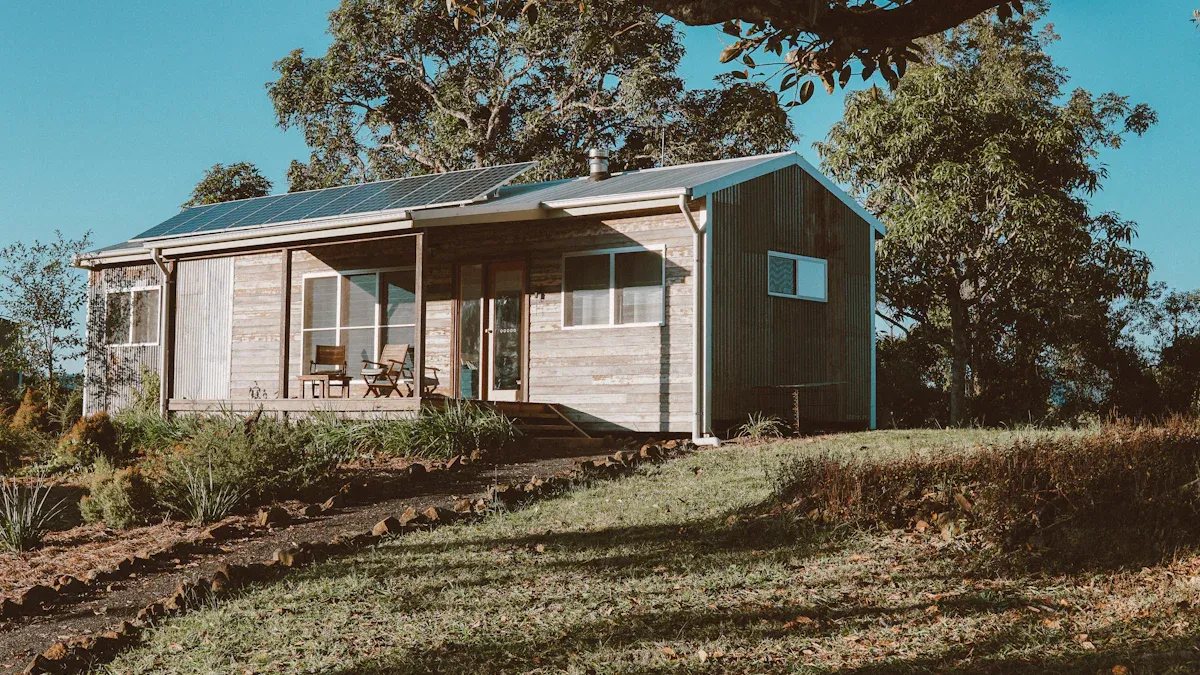
Installation Steps
You want your off-grid container home to run smoothly from day one. Start by planning your system layout. Place your solar panels on the roof where they get the most sun. If you add a wind turbine, set it up in an open area away from trees. Next, install your battery bank inside the container, keeping it cool and dry. Connect your inverter and charge controller to manage the power flow. Finally, wire your appliances and outlets. Many people choose Lanen International kits because they include clear instructions and all the parts you need. If you feel unsure, hire a licensed electrician for safety.
Maintenance and Safety
Keeping your off-grid container home running well means regular checks. Clean your solar panels every few months to remove dust and leaves. Inspect your wind turbine for loose bolts or worn blades. Check your battery bank for leaks or corrosion. Test your backup generator once a month. Always follow safety rules. Turn off the power before working on your system. Store fuel for your generator in a safe spot. If you notice strange noises or smells, call a professional right away.
Tip: Set a reminder to check your off-grid system every season. Small problems are easier to fix early.
Cost Estimates and Budgeting
Budgeting for an off-grid container home takes some planning. Solar kits for a small home start around $5,000. Adding wind power or a larger battery bank increases the price. Backup generators cost extra, but they add peace of mind. Don’t forget to budget for installation and future maintenance. Over time, you save money by avoiding monthly utility bills. Lanen International offers bundled deals that help you stick to your budget when you build an off-grid container home.
Note: Track your spending as you go. This helps you avoid surprises and keeps your off-grid project on track.
You can power your shipping container home off the grid with smart planning and the right equipment. When you choose solar or wind energy, you create a reliable system that fits your needs. Regular maintenance keeps everything running smoothly. Living in a shipping container home supports sustainability and energy independence:
You repurpose containers, cutting waste and costs.
You generate your own power with renewable energy.
You can harvest rainwater for daily use.
You reduce your reliance on fossil fuels.
If you want expert help, Lanen International offers support for every step. Start your off-grid living journey today!
FAQ
How do you choose the right off-grid power system for your container home?
You want to look at your daily energy needs, local climate, and available space. Lanen International offers the best guide to building a reliable system. Their kits make it easy to start tiny house living off the grid.
Can you use an off-grid water system with a shipping container home?
Yes, you can set up an off-grid water system for your container home. Rainwater harvesting and filtration work well. Lanen International can help you find the right setup for clean water in your tiny house living space.
What are the steps to build an off-grid container house?
You start by planning your energy and water needs. Next, you choose solar panels, wind turbines, and batteries. After that, you install everything and test your system. Lanen International provides support for each step.
How much does it cost to power a container home off the grid?
Costs depend on your energy use and system size. Solar kits start around $5,000. Adding wind power or a larger battery bank increases the price. Lanen International offers bundled deals to help you save money.
Is tiny house living in a container home comfortable year-round?
You can enjoy comfort year-round with proper insulation, ventilation, and a reliable off-grid power system. Lanen International’s products help you stay cozy and powered up, no matter the season.