

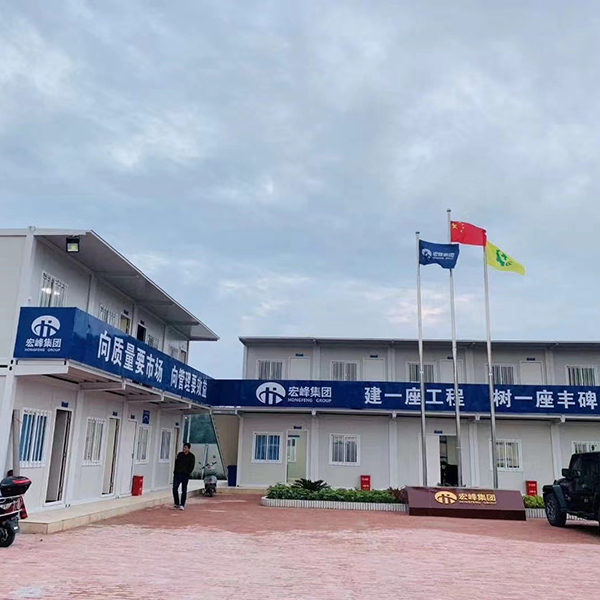
Expandable container homes offer strong protection in earthquake-prone areas. You benefit from a robust steel frame that resists shaking and lateral forces. The rigid structure helps keep you and your belongings safe during seismic events. Proper design, engineering, and installation play a key role in making your home secure. When you choose a well-built expandable container home, you invest in safety and peace of mind.
Key Takeaways
Expandable container homes use strong steel frames that absorb earthquake energy, providing safety during seismic events.
Look for homes with seismic dampers and cross-bracing, as these features enhance stability and reduce damage during earthquakes.
Always check for certifications and testing results to ensure your home meets safety standards for earthquake resistance.
These homes can be quickly installed, allowing you to have shelter soon after an earthquake, which aids in recovery.
The modular design allows for easy expansion and repairs, making these homes adaptable to your changing needs.
What Are Expandable Container Homes
Structure and Materials
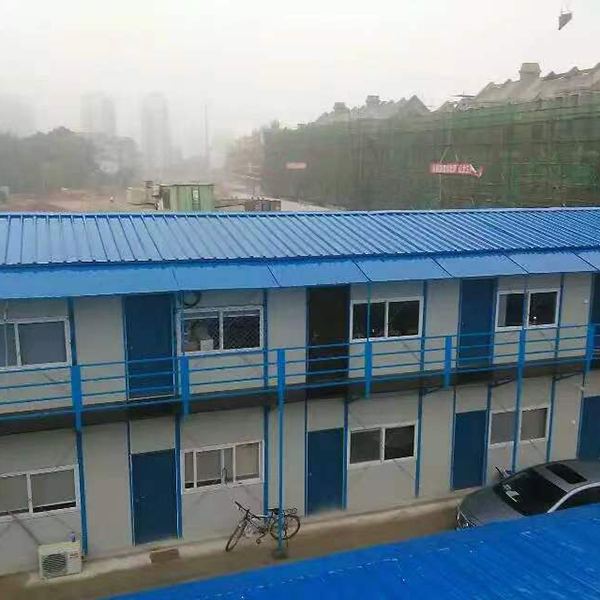
Expandable container homes give you a modern housing solution that combines strength and flexibility. You get a home built from modular steel frames, which provide a sturdy base that can handle the stresses of daily life and natural disasters. Manufacturers often use lightweight yet strong materials like steel and aluminum. These metals absorb seismic energy, which helps protect your home during an earthquake. The steel frame can bend and sway, reducing the risk of cracks or collapse. This flexibility is important for earthquake safety because it allows the structure to move with the ground instead of fighting against it.
You will also find that many expandable container homes include seismic dampers. These devices help dissipate the energy from an earthquake, lowering the stress on the frame and walls. The modular design means you can add or remove sections as needed, making your home adaptable to your needs and the environment. The foundation also plays a key role in safety. Depending on the soil, builders may use shallow or deep foundations to anchor your home securely. This reduces the risk of shifting or settling during a quake.
Expansion Mechanism
The expansion mechanism sets these homes apart from traditional buildings. You can expand your living space by sliding or folding out sections of the home. This process uses engineered joints and locking systems that keep the structure stable, even when expanded. The design ensures that the frame remains rigid and connected, so you do not lose strength when you add more space.
Before reaching you, expandable container homes go through strict testing. Engineers use shake tables to simulate earthquake conditions and check how the home performs. Independent agencies certify these homes to meet seismic safety standards. This gives you confidence that your home can handle the challenges of living in an earthquake-prone area.
Tip: Always ask for certification and testing results when choosing an expandable container home. This ensures you get a product that meets safety standards.
Earthquake Resistance
Steel Frame Strength
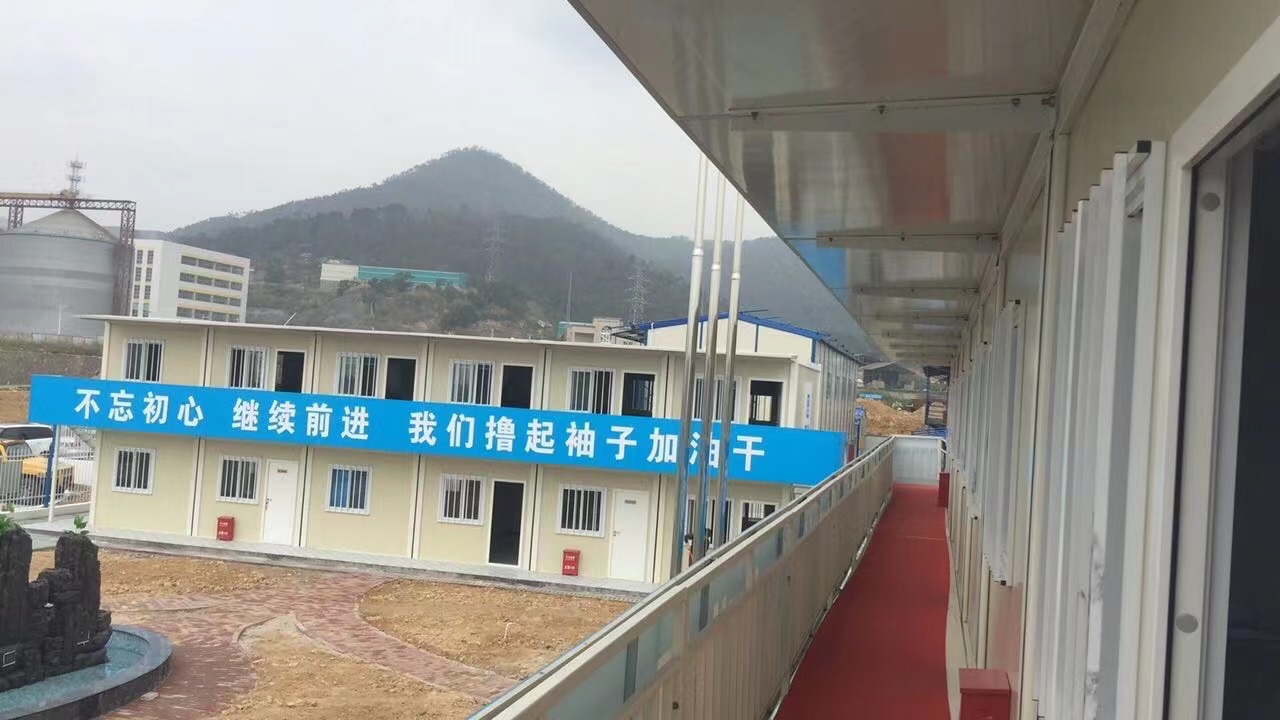
You get strong protection from the steel frame in expandable container homes. Steel resists bending and twisting during an earthquake. The frame absorbs and spreads out the energy from shaking. This helps keep your home standing when the ground moves. Steel does not crack easily. You can rely on it to hold up under stress. Many engineers choose steel for earthquake-resistant buildings because it handles lateral forces well.
Note: Steel frames in expandable container homes often use reinforced joints. These joints add extra strength at key points, making the structure safer during a quake.
Seismic Design Features
Expandable container homes include special features to help you stay safe in earthquake zones. Designers use cross-bracing and seismic dampers to control movement. Cross-bracing connects different parts of the frame, so the home moves as one unit. Seismic dampers absorb shock and reduce shaking. You benefit from these features because they lower the risk of damage.
Here is a simple table showing how seismic design features work:
You should look for these features when you choose a home. Lanen International and other trusted brands often highlight these design elements in their products.
Foundation Engineering
The foundation plays a big role in earthquake resistance. You need a strong base to keep your home stable. Builders use different types of foundations depending on the soil and risk level. Shallow foundations work well on firm ground. Deep foundations anchor the home in loose or soft soil. Engineers may add base isolators to separate the home from ground movement. This helps the structure move less during a quake.
Shallow foundation: Good for solid ground, easy to install.
Deep foundation: Best for soft soil, provides extra stability.
Base isolators: Reduce shaking, protect the frame.
You should always ask about the foundation when you buy expandable container homes. Proper engineering and installation make a big difference in safety. Lanen International recommends working with local experts to choose the right foundation for your area.
Tip: A well-designed foundation keeps your home safe and secure, even in strong earthquakes.
Certifications and Safety Standards
Earthquake-Resistant Standards
You need to check for certifications when you choose an expandable container home for an earthquake-prone area. These certifications show that your home meets strict safety standards. Most countries use codes like the International Building Code (IBC) or local seismic standards. You should look for homes that meet these requirements. Lanen International designs its container homes to comply with global and regional earthquake-resistant standards. This commitment helps you feel confident about your safety.
Here is a quick list of common certifications and standards:
International Building Code (IBC)
Eurocode 8 (for seismic design in Europe)
Local seismic safety codes
Certifications from independent agencies
Manufacturers often display these certifications on their product information. You can ask for documentation before you buy.
Manufacturer Testing
You want proof that your home can handle earthquakes. Manufacturers use advanced testing methods to check the strength and safety of their expandable container homes. Lanen International and other trusted brands perform shake table tests. These tests simulate real earthquake conditions and measure how the home responds.
Before our expandable houses are released to the market, they undergo rigorous testing to ensure their seismic performance. We conduct shake table tests, which simulate the effects of an earthquake on the structure. These tests allow us to evaluate the response of the house to different levels of seismic activity and make any necessary adjustments to the design.
Independent agencies also certify these homes. You get extra assurance when a third party verifies the safety claims.
In addition, our expandable houses are certified by independent testing agencies to meet the seismic safety standards of different countries. This certification provides our customers with the assurance that our houses are safe and reliable, even in earthquake-prone areas.
You should always ask for test results and certifications. This step helps you make an informed decision and ensures your home meets the highest safety standards.
Practical Benefits in Earthquake Zones
Quick Installation
You can set up expandable container homes much faster than traditional houses. After an earthquake, speed matters. You need shelter quickly. These homes arrive ready to assemble, and you can move in within days. Construction crews do not need heavy machinery or long building times. Lanen International designs its homes for rapid deployment, so you spend less time waiting and more time recovering. This quick installation helps families return to normal life sooner.
Tip: Fast setup means you can avoid long periods in temporary shelters or unsafe conditions.
Flexibility and Repairability
You gain flexibility with expandable container homes. You can adjust the size and layout to fit your needs. If your family grows or you need extra space, you can expand your home easily. After an earthquake, you might need to repair or change your living space. These homes use modular parts, so you can replace damaged sections without rebuilding the whole house. You save money and time because repairs are simple and cost-effective.
Here is a table comparing the benefits of expandable container homes to traditional housing in earthquake zones:
Emergency Shelter Use
You can use expandable container homes as emergency shelters. Relief organizations often choose these homes because they are portable and easy to transport. You can move them to areas that need help most. Lanen International supplies expandable homes for disaster relief, giving communities safe and reliable shelter. These homes protect you from harsh weather and aftershocks. You get a secure place to stay while rebuilding your life.
Note: Portability and adaptability make these homes ideal for emergency situations.
Expandable container homes offer you quick installation, flexibility, and reliable shelter in earthquake zones. You benefit from a solution that adapts to your needs and helps you recover faster.
You gain strong protection in earthquake zones with expandable container homes from Lanen International. These homes use steel and aluminum frames, seismic dampers, and flexible designs to absorb earthquake energy. Rigorous shake table tests and independent certifications ensure reliability. Always check for safety standards and consult experts before choosing your home. Here are organizations that can help:
FAQ
What makes expandable container homes safe during earthquakes?
You get safety from the steel frame and seismic design features. These homes absorb and spread earthquake energy. Lanen International uses reinforced joints and dampers to protect you during strong shaking.
Can you customize the size of your container home after installation?
You can expand or reduce your living space. The modular design lets you add or remove sections easily. You adjust your home to fit your needs without major construction.
How long does it take to install an expandable container home?
You set up your home in a few days. The process is much faster than building a traditional house. Quick installation helps you move in soon after an earthquake or disaster.
Do expandable container homes meet local building codes?
You should check certifications before buying. Lanen International designs homes to meet international and local seismic standards. Always ask for documentation to ensure your home follows safety rules.