

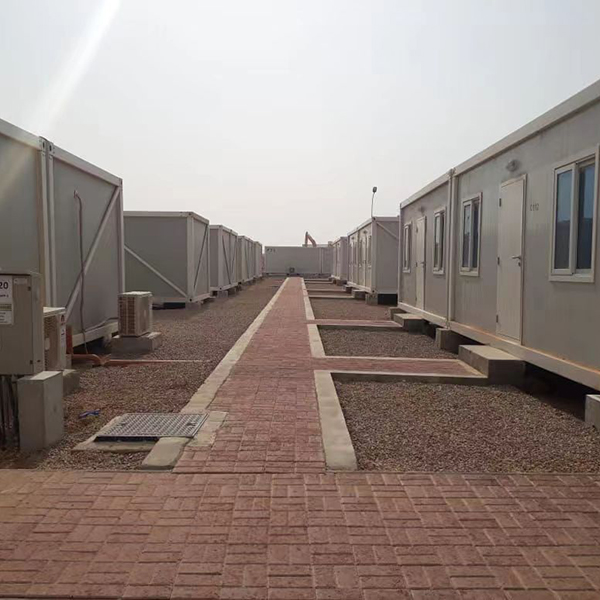
When a disaster strikes, communities need fast access to emergency medical clinics. A portable container clinic offers a swift solution, ensuring hospital-grade care reaches affected areas without delay. Teams can move these units quickly to locations that lack infrastructure. Advanced features like hygienic surfaces, energy efficiency, and digital health technology support safe and modern treatment. Adaptability allows the clinics to serve different needs, making them a transformative asset in urgent situations.
Key Takeaways
Portable container clinics provide rapid medical support during emergencies, ensuring timely access to care when every minute counts.
The modular design allows for quick setup and adaptability, enabling clinics to expand or reconfigure based on changing healthcare needs.
These clinics are built to withstand harsh conditions, ensuring safety and resilience for both patients and healthcare workers.
Integration with local services and digital health technology enhances the effectiveness of portable clinics, supporting continuous patient care.
Sustainability practices, such as energy-efficient systems, ensure that portable container clinics remain reliable and environmentally friendly assets.
What Is A Portable Container Clinic?
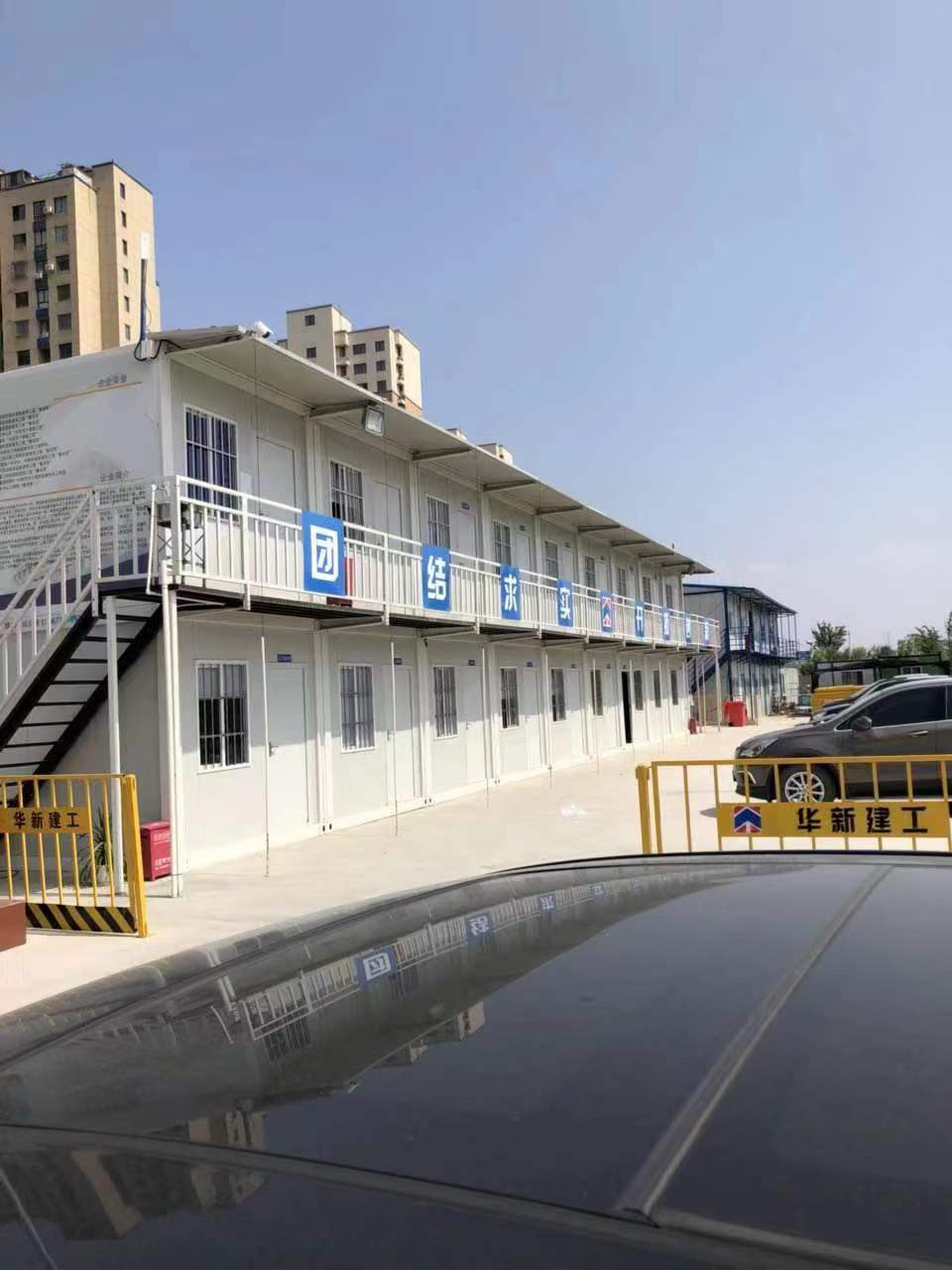
Key Features And Design
A portable container clinic serves as a modern solution for emergency healthcare. Lanen International manufactures these clinics to hospital-grade standards, ensuring that each unit meets strict requirements for safety and quality. The design uses robust shipping containers, which provide a strong and weather-resistant shell. This structure protects both patients and staff in challenging environments.
Lanen’s clinics feature CE/GS-compliant electrical and plumbing systems. These international standards guarantee reliable operation and safety for all users. The interior uses hygienic materials that support infection control and make cleaning easy. Each portable container clinic includes a patient-centred layout. Natural light, calming colours, and ergonomic furniture create a comfortable space for treatment and recovery.
Note: The integration of telemedicine and electronic health records allows medical teams to deliver advanced care, even in remote locations.
Modular And Adaptable Structure
The modular design of a portable container clinic allows for rapid deployment and flexible use. Teams can transport and assemble these clinics quickly, which is vital during disasters or public health emergencies. Offsite prefabrication reduces noise and disruption at the deployment site.
Modular and adaptable structures, such as shipping containers, provide a low-cost alternative for establishing medical facilities quickly. Their robust and weatherproof design ensures resilience in challenging environments, allowing for rapid deployment in disaster-stricken areas. These structures can be customised to include essential medical facilities, making them versatile for various healthcare needs.
Healthcare providers can expand or reconfigure the clinic as needs change. This adaptability supports a wide range of services, from triage to ongoing care. Mobile health clinics and other mobile medical facility solutions benefit from this approach, as they can respond to different scenarios with speed and efficiency.
Why Speed Matters In Disaster Response
Urgency In Medical Emergencies
Speed plays a crucial role when medical teams respond to emergencies. Many injuries and illnesses that occur during a disaster require immediate attention. Delays can lead to complications or even loss of life. Medical professionals know that the first hour after an injury, often called the "golden hour," is vital for survival. Quick access to treatment increases the chances of recovery.
The following table shows how survival rates improve with rapid intervention:
This data highlights the importance of acting fast. When clinics arrive quickly, they can treat more people and prevent minor injuries from becoming severe. Portable container clinics help medical teams reach affected areas without delay. They provide essential care when every minute counts.
Rapid Deployment Benefits
Rapid deployment of medical facilities transforms disaster response. Portable container clinics can be transported and set up in a matter of days. This speed ensures that communities receive medical support before conditions worsen. Teams can assemble these clinics with minimal disruption to the site, allowing other emergency services to operate smoothly.
Quick setup also means that healthcare workers can start treating patients sooner. They can stabilise injuries, prevent infections, and manage chronic conditions. The ability to deliver hospital-grade care in the field supports both immediate and long-term recovery. Fast deployment reduces the burden on local hospitals, which may become overwhelmed during a disaster. As a result, the entire community benefits from improved access to care and a stronger response to emergencies.
Deployment Process
Site Assessment
Teams begin the deployment process with a thorough site assessment. They evaluate the location for safety, accessibility, and stability. This step ensures the ground can support the weight of the portable container clinic. Teams check for hazards and plan the best layout for patient flow. Proper site assessment reduces risks and helps the clinic function smoothly from the start.
Tip: Early site evaluation can prevent delays and ensure rapid setup.
Transport And Setup
Lanen’s clinics arrive quickly due to offsite prefabrication. The company can deliver up to 1,000 units each month, with a delivery time of just 10 days. This high supply capacity means clinics reach affected areas without long waits. Teams transport the modules using standard vehicles. Once on site, they assemble the units with minimal disruption. Quick assembly allows medical staff to begin treating patients almost immediately.
The deployment process follows clear steps:
Equipping And Staffing
After setup, teams equip the clinic with medical devices, supplies, and digital health systems. Staff members include doctors, nurses, and support personnel. Training ensures everyone understands the layout and equipment. This preparation allows the clinic to provide hospital-grade care from the first day.
Integration With Local Services
The final step involves integrating the clinic with local emergency services and healthcare providers. Teams coordinate with ambulance services, public health officials, and community leaders. This cooperation ensures patients receive continuous care and that the clinic supports the wider response effort.
Clinic Advantages In Disasters
Fast Response
A portable container clinic enables rapid action during emergencies. Teams can deliver and assemble these clinics in a short time. This speed ensures that emergency medical clinics reach affected communities before conditions worsen. Medical staff can begin treating patients almost immediately after setup. Dental professionals also benefit from this quick deployment. They can provide oral health services alongside essential medical services, supporting both immediate and long-term recovery.
Quick access to care can save lives and reduce the impact of injuries. Communities gain reassurance when they see help arrive without delay.
Flexibility And Scalability
The modular design of a portable container clinic supports flexible use. Teams can expand or reconfigure the clinic to match changing needs. For example, they can add more units to increase capacity or adjust the layout for different types of care. Dental professionals can set up dedicated spaces for oral health services within the clinic. This adaptability allows the clinic to serve as a triage centre, vaccination site, or even a base for ongoing treatment.
A table below shows how modular clinics adapt to various scenarios:
Teams can scale the clinic up or down as the situation demands. This flexibility ensures that essential medical services remain available throughout the disaster response.
Safety And Resilience
Safety remains a top priority for any healthcare facility. A portable container clinic features robust construction that withstands harsh weather and seismic activity. The structure protects patients and staff from environmental hazards. Energy-efficient systems reduce the clinic’s reliance on external power sources, supporting sustainable operations. High-quality materials create a hygienic environment, which is vital for infection control.
The clinic’s resilience means it can continue operating even when local infrastructure suffers damage. This reliability supports ongoing care and recovery.
Sustainability also plays a key role. The clinic uses durable materials and efficient systems to minimise its environmental impact. Teams can relocate or repurpose the clinic for future needs, making it a valuable asset in any disaster response strategy.
Real-World Disaster Response Examples
Earthquake Relief
Earthquakes often damage hospitals and clinics, leaving communities without access to care. Portable container clinics offer a practical solution in these situations. Teams can deliver and assemble these clinics quickly, even when roads and infrastructure suffer damage. Medical staff use these units to provide first aid, surgery, and ongoing treatment. The strong structure of the clinic protects both patients and staff from aftershocks and harsh weather.
In the aftermath of Hurricane Maria in 2017, portable folding houses played a vital role. Teams used these units to set up temporary housing and distribution centres. This approach helped restore essential services and supported recovery efforts. The same strategy applies to earthquake zones, where rapid shelter and medical care are critical.
Portable container clinics support emergency medical clinics by offering hospital-grade care in the field. Their modular design allows teams to expand capacity as needed. Communities benefit from fast access to treatment, which reduces the impact of injuries and illness after an earthquake.
Flood Response
Floods can disrupt healthcare services and isolate entire regions. Portable container clinics help bridge the gap when traditional facilities become inaccessible. Teams transport these clinics by road, rail, or even air, depending on the situation. Once on site, staff set up the clinic and begin treating patients within hours.
These clinics provide a safe, clean environment for both patients and healthcare workers. The robust design resists water damage and supports infection control. Teams can use the clinic for triage, vaccinations, and ongoing care. This flexibility makes portable container clinics a key part of natural disaster relief. Communities regain access to essential health services, which supports recovery and reduces the risk of disease outbreaks.
Portable container clinics show how innovation can transform disaster response and improve outcomes for affected populations.
Challenges And Solutions
Logistics And Coordination
Logistics and coordination play a vital role in the success of portable container clinics during emergencies. Teams must move clinics quickly to disaster zones. They need to set up medical services without delay. Good planning helps teams avoid confusion and wasted resources.
During the Haiti 2010 earthquake, Médecins Sans Frontières (Doctors Without Borders) deployed Containerised Health Units. These units served as surgical theatres, outpatient clinics, and pharmacies, offering vital assistance to affected populations.
Teams often work with local healthcare providers. This cooperation ensures that patients receive continuous care. Local knowledge helps teams choose the best sites and understand community needs. Coordination with ambulance services and public health officials improves patient outcomes.
Shipping containers offer a low-cost alternative to constructing hospitals or clinics from scratch.
Their sturdy, weatherproof construction makes them resilient in challenging environments.
Portable clinics can be operational within days of deployment to disaster areas.
Clear communication remains essential. Teams use radios, mobile phones, and digital platforms to share information. Training sessions prepare staff for their roles. These steps help clinics run smoothly, even in chaotic situations.
Sustainability And Maintenance
Sustainability ensures that portable container clinics provide long-term value. Teams select energy-efficient systems to reduce power needs. Solar panels and LED lighting lower energy costs. Durable materials resist wear and tear, which means clinics last longer.
Maintenance teams check equipment and building systems regularly. They clean surfaces and replace filters to keep the environment safe. Routine checks prevent breakdowns and keep clinics ready for use.
Teams can relocate clinics when needs change. This flexibility reduces waste and supports future disaster responses. Clinics that use sustainable materials and efficient designs help protect the environment. They also lower costs for healthcare providers.
Tip: Regular maintenance and sustainable practices ensure that portable container clinics remain reliable assets in any emergency.
Portable container clinics have changed how emergency healthcare reaches disaster zones. These clinics address community need by offering rapid, reliable medical support. Key advantages include:
Shipping containers become mobile health clinics, delivering essential services.
Clinics provide a low-cost solution compared to new construction.
Sturdy designs withstand harsh conditions.
Teams can set up clinics within days for fast response.
Customisation allows for a range of medical services.
During the 2010 Haiti earthquake, Médecins Sans Frontières used container clinics as surgical theatres and outpatient centres. This approach highlights the value and future potential of modular healthcare solutions.
FAQ
How quickly can a portable container clinic be deployed?
Lanen delivers clinics within 10 days. Teams can assemble and start operations soon after arrival. This speed ensures medical support reaches disaster zones without delay.
What medical services can the clinic provide?
The clinic supports triage, emergency care, surgery, vaccinations, and dental services. Teams can adapt the layout for different healthcare needs.
Are portable container clinics safe during extreme weather?
The robust structure withstands wind and seismic activity. High-quality materials and secure fittings protect patients and staff in harsh conditions.
How does the clinic support sustainability?
Energy-efficient systems reduce power use.
Durable materials extend the clinic’s lifespan.
Teams can relocate or repurpose units for future needs.
Can the clinic integrate with digital health systems?
The clinic features telemedicine and electronic health record (EHR) capabilities. Medical teams can access and update patient information securely.