

You can install a folding container house rapidly and securely by following a clear sequence of actions. The popularity of these homes continues to rise, driven by their efficiency and safety.
The global market value increased by nearly $5 billion last year, with a growth rate of 10.1%.
You ensure a smooth process when you check each stage carefully and use the correct tools. Both DIY enthusiasts and professionals achieve the best results when they follow proven methods.
Key Takeaways
Choose a safe, flat location for your folding container house to ensure stability and quick setup.
Use the right tools and safety gear during installation to protect yourself and ensure a smooth process.
Follow the manufacturer's instructions carefully to avoid mistakes and ensure a secure assembly.
Conduct thorough checks on utilities and structural integrity to maintain safety and comfort in your home.
Regular maintenance and attention to detail will keep your folding container house secure and functional for years.
Folding Container House Overview
What Is a Folding Container House?
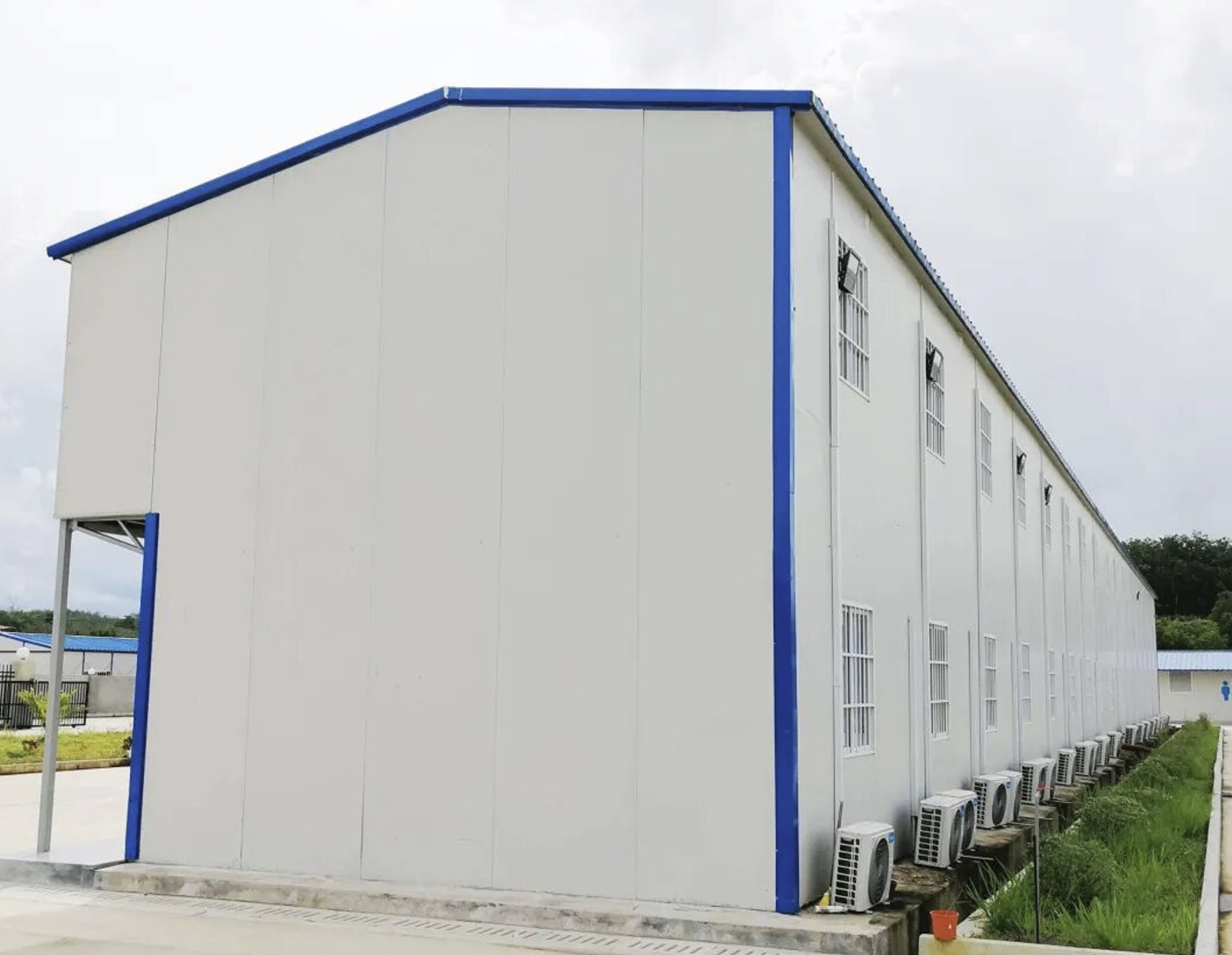
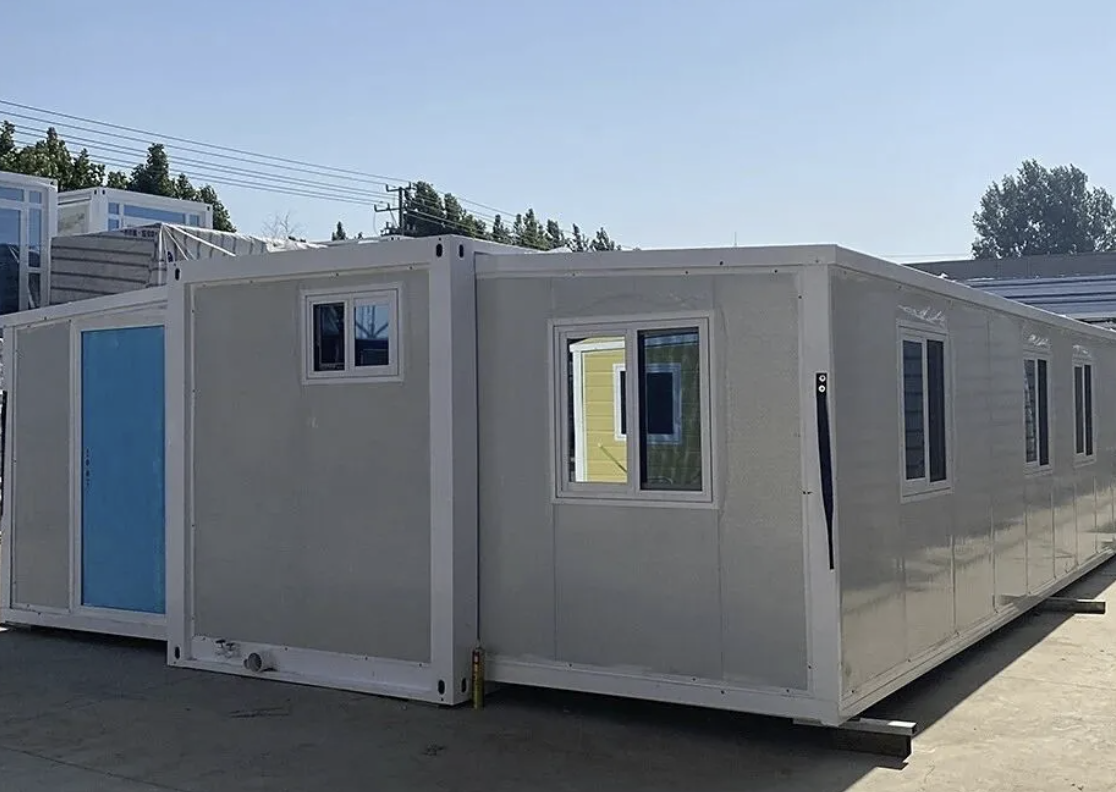
You see a foldable container house as a modern solution for rapid accommodation. This type of home uses a foldable steel frame and panels, which you can transport and assemble with ease. Lanen International stands out as a leading provider in this field. The brand earns recognition for its innovative designs and reliable quality. You benefit from their expertise when you choose a foldable container house for your project.
Foldable container houses use shipping containers that you can reuse. These containers offer durability and structural strength. You find them popular because they address sustainability concerns and provide an environmentally friendly choice. You can move and set up a foldable container house in many environments. This flexibility makes them ideal for emergency housing or temporary accommodation. Governments and NGOs often select foldable container houses for quick deployment during crises.
You notice the installation speed as a major advantage. With four workers, one crane, and just fifteen minutes, you can have a foldable container house ready for use. The process is extremely fast compared to traditional modular homes.
Tip: You can assemble a foldable container house quickly, even if you have limited construction experience.
Key Benefits
You gain several advantages when you choose a foldable container house. The table below highlights the top three benefits:
You also find foldable container houses affordable. The reuse of shipping containers lowers costs, making home ownership more accessible. You enjoy practical solutions that adapt to your requirements, whether you need a temporary shelter or a permanent home.
Set Up a Folding Container House: Site Preparation
Location and Levelling
You start site preparation by choosing a safe and accessible location. Look for flat ground that drains well. Avoid areas with a risk of flooding or landslides. Good site preparation helps you set up a folding container house quickly and safely. You need to clear away debris, rocks, and vegetation. Use basic tools to complete the levelling and groundwork. A level surface ensures your house sits evenly and prevents future problems. You can use a spirit level or laser level for accuracy.
Tip: Mark the corners of your site with stakes and string before you begin to set up a folding container house.
Foundation and Pre-Install Checks
You must lay a foundation that supports the weight of your folding container house. Concrete pads, steel piers, or compacted gravel all work well. The right foundation keeps your house stable and secure. Before you set up a folding container house, carry out pre-install checks. Inspect the ground for hidden pipes or cables. Check that your foundation is dry and solid. Review the delivery checklist from Lanen International to confirm you have all parts and instructions. Pre-install checks help you avoid delays and ensure safety.
Tools and Safety Gear
You need the right tools for site preparation and assembly. Gather items such as a shovel, tape measure, hammer, and drill. You also need safety gear. Wear gloves, a hard hat, and sturdy boots. These protect you from injury during each stage as you set up a folding container house. Always keep a first aid kit nearby. Good preparation and attention to safety make the installation process smooth and efficient.
Note: Careful site preparation and thorough pre-install checks give you confidence as you move to the next steps.
Install Foldable Container House: Assembly Steps
Unloading and Removing Film
You begin the installation process by unloading the foldable container house materials from the delivery vehicle. Always use high-quality roll containers for this task. You reduce the risk of injury and damage when you handle materials with care. Many accidents in supermarkets and distribution companies happen because of improper unloading. You avoid muscle strains by taking breaks during lifting. You protect the safety of the workers by following these safety cautions:
Use proper lifting techniques to prevent muscle injuries.
Take regular breaks to avoid fatigue.
Check that roll containers are in good condition before use.
Keep the unloading area clear of obstacles.
You remove the protective film from each foldable frame and panel. This step ensures that all parts are clean and ready for assembly. You inspect each frame for damage before you move to the next stage.
Tip: Always check the delivery checklist from Lanen International to confirm you have all the foldable components before you start to install.
Raise Top and Secure with Rods
You move to the next step in the installation process by raising the top frame of the foldable container house. You use a crane or manual lifting tools, depending on the size of the frame. You must secure the top frame with high-strength hydraulic support rods. These rods give the structure the stability it needs during unfolding and stabilizing the structure. You attach the rods at the designated points on the frame. You check each connection for tightness and alignment.
You should never skip this step. The support rods prevent the frame from shifting or collapsing. You ensure the safety of the workers and the success of the installation when you use the correct rods.
Raise Walls and Assemble
You continue the installation process by unfolding the side frames and raising the walls. You align each wall with the base and top frame. You attach walls and roof panels in the correct order for smooth assembly. You use bolts and fasteners to secure each frame connection. You check that all panels fit tightly and that there are no gaps.
You must follow the manufacturer's instructions from Lanen International for each foldable frame. You avoid mistakes and ensure a smooth assembly. You repeat the process for each wall until the foldable container house takes shape. You install and dismantle the temporary supports as needed to keep the structure stable.
Note: You should always wear gloves and a hard hat during this stage. These safety cautions protect you from sharp edges and falling objects.
Stabilise and Secure Structure
You finish the main installation process by stabilising and securing the foldable container house. You follow a clear sequence to ensure the structure is safe and durable. The table below shows the main methods you use to stabilise and secure the house:
You check each frame connection and fastener for tightness. You inspect the roof for proper alignment and sealing. You install and dismantle any temporary supports only after you confirm the structure is stable. You complete a final inspection to ensure the foldable container house meets all safety standards.
Callout: You achieve a safe and efficient installation when you follow each step in the correct order. You protect the safety of the workers and ensure the foldable container house is ready for use.
You can now move to the next stage of the installation process, which includes utility connections and final safety checks.
Utility Connections and Detachable Container House Checks
Electrical and Plumbing Setup
You start the utilities and amenities setup after you install the main structure and connect the frame securely. You must follow best practices for electrical work in a detachable container house. You keep grounds and neutrals separate in sub-panels. This step prevents dangerous situations, such as fire hazards or improper breaker tripping. You always run a ground wire inside metal conduit. You avoid letting neutral current flow on the conduit, which increases safety for everyone. You isolate neutrals and grounds to reduce electrical faults. You check each connection before you power up the system.
You move to plumbing next. You connect the frame to water supply and drainage points. You use flexible hoses and secure fittings to prevent leaks. You check for proper water flow and inspect joints for drips. You test all plumbing before you finish this stage.
Tip: You should always check the manufacturer's instructions from Lanen International for both electrical and plumbing work.
Climate Control and Insulation
You create a comfortable environment inside your detachable container house by installing climate control systems. Modern systems use less energy and keep the temperature steady all year. You save money compared to older heating methods. You enjoy a consistent indoor climate, whether you face summer heat or winter cold.
You improve energy efficiency by choosing the right insulation. Vacuum Insulation Panels (VIPs) give you the best thermal performance. VIPs use thin layers with low thermal conductivity. You reduce heat loss in winter and heat gain in summer. You use VIPs to keep your house green and clean. You check insulation panels for gaps and secure them tightly when you connect the frame.
Modern climate control systems are energy-efficient and provide comfort.
They offer a consistent internal environment year-round.
These systems are more cost-effective compared to traditional heating methods.
VIPs provide superior thermal performance compared to traditional insulation materials.
VIPs have extremely low thermal conductivity, allowing for thinner layers with higher insulation performance.
In both cold and hot climates, VIPs minimise heat loss or gain, leading to reduced energy consumption.
VIPs promote a cleaner construction environment and align with green building standards.
Final Safety and Quality Checks
You finish the installation by carrying out thorough checks. You inspect every utility connection and structural joint. You check the detachable container house for leaks, loose wires, and faulty switches. You test all systems, including climate control and insulation. You confirm that you connect the frame at every point. You check doors, windows, and locks for proper function. You record each check in a log for future reference.
Note: You protect your safety and extend the life of your detachable container house when you complete every check.
You achieve a quick and safe installation by following each step with care. Always consider your skills and tools before choosing between DIY and professional installation. Pay close attention to structural integrity, especially when adding doors or windows. Welding a steel box frame restores strength and prevents flexing. For ongoing support, you can access technical help, up-to-date information, and community forums. Regular maintenance ensures your folding container house remains secure and comfortable for years. Whether you build with friends or hire experts, you create a lasting home with confidence.
FAQ
How long does it take to install a folding container house?
You can complete installation in as little as fifteen minutes with a skilled team and the right equipment. Lanen International provides clear instructions to help you finish quickly and safely.
Can I install a folding container house by myself?
You need at least two people for safe assembly. Some steps require lifting heavy parts. Lanen International recommends teamwork for best results and safety.
What foundation do I need for a folding container house?
You can use concrete pads, steel piers, or compacted gravel. The foundation must be level and stable. Lanen International offers guidance on suitable foundations for different sites.
Are folding container houses energy efficient?
You achieve high energy efficiency with proper insulation and modern climate control systems. Vacuum Insulation Panels (VIPs) help reduce energy costs and keep your home comfortable.
Is it possible to customise my folding container house?
You can customise layouts, finishes, and features. Lanen International supports a range of options to match your needs and preferences.