

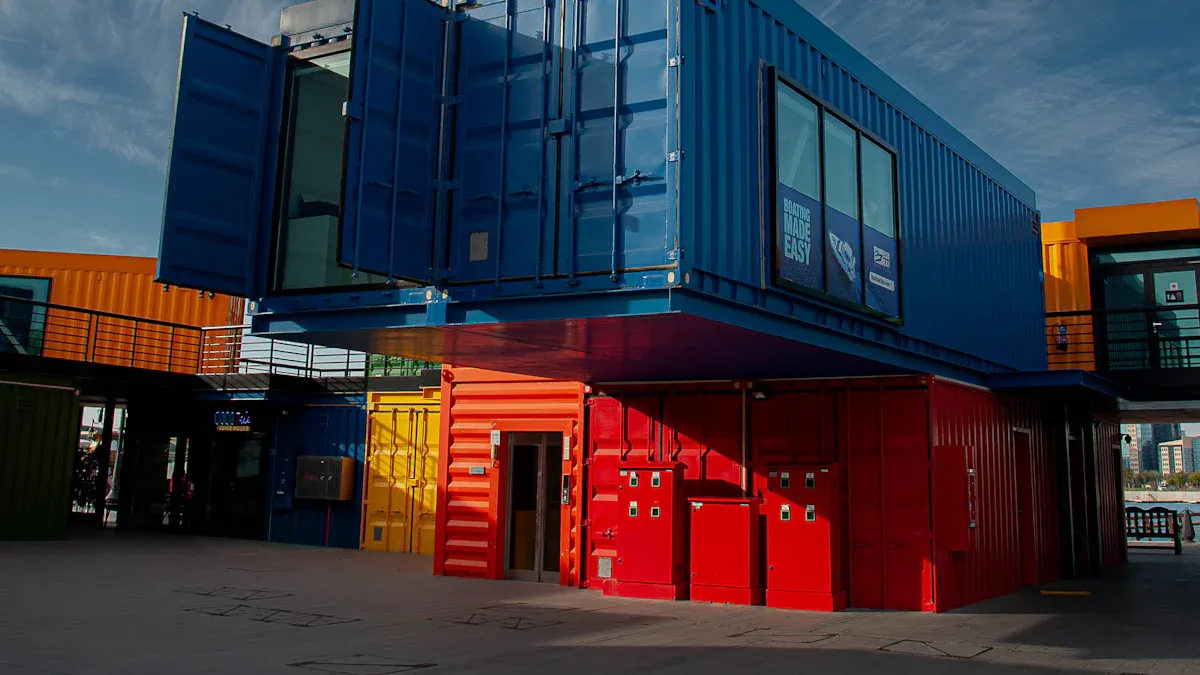
You probably want to know which saves you more—converting a shed or going for a shipping container office. Most of the time, you’ll find that a basic shed conversion costs less upfront. Price isn’t the only thing you should look at, though. Durability, setup time, and how much you can customize your space all play a role. Take a minute to think about what matters to you now and what will matter years from now.
Key Takeaways
A shed conversion typically costs less upfront than a shipping container office, making it a budget-friendly option for simple needs.
Shipping containers offer better long-term value due to their durability, lower maintenance costs, and higher resale value.
Consider hidden costs like delivery, permits, and site preparation when budgeting for either option to avoid surprises.
Shipping containers provide superior security and weather resistance, making them ideal for protecting valuable tools and equipment.
Customization options are abundant for both sheds and shipping containers, allowing you to create a workspace that fits your unique style and needs.
Shipping Container Office vs Shed Price

Upfront Price Breakdown
Let’s start with the numbers. When you look at the upfront price, a traditional shed usually costs less than a shipping container. You can pick up a basic wooden or metal shed for $1,000 to $3,000, depending on size and materials. If you want to turn it into an office, you’ll need to add insulation, windows, and maybe some electrical work. Even with these upgrades, the total price often stays under $6,000 for most DIY projects.
Now, let’s talk about shipping containers. The price for a used 20-foot shipping container starts around $2,750. If you want a refurbished or ready-to-use shipping container office, you’ll see prices jump to $5,350 or more. Some models, like the 20Ft ModiBox Office, cost close to $6,000. The most premium options can reach $7,500. Here’s a quick look at the range:
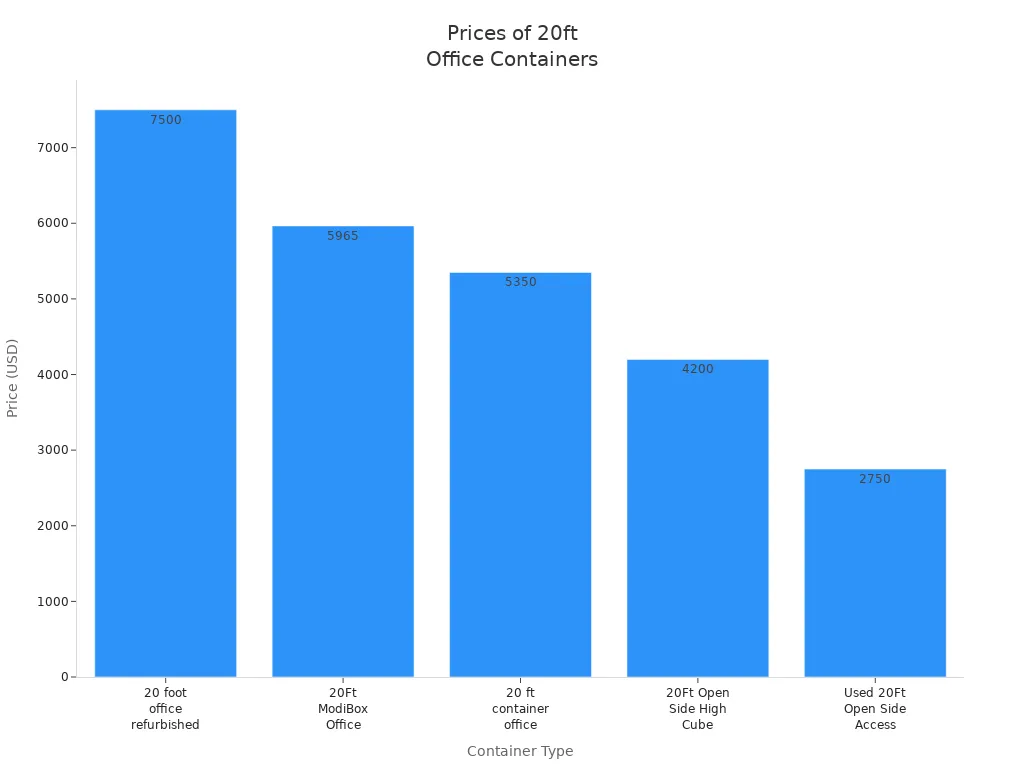
You might think a shipping container shed or shipping container storage shed looks like a bargain at first. But remember, you’ll need to spend more to turn it into a comfortable workspace. You’ll want insulation, ventilation, and maybe even plumbing. These upgrades can push the total cost higher than a shed conversion.
Tip: If you want a space that feels like a real office, factor in the price of installation and customisation for both options. Don’t just look at the sticker price.
Setup and Delivery Costs
Getting your new workspace on-site isn’t always simple. For a traditional shed, delivery is often included in the price if you buy from a local dealer. Some sheds come as kits you can assemble yourself, which saves money. You might need a flat, level spot in your yard, but setup is usually quick.
A shipping container, on the other hand, weighs several tons. You’ll need a crane or a heavy-duty truck to deliver it. Delivery fees can range from $500 to $2,000, depending on how far you live from the supplier. Placing the container on your property may require extra equipment or labor. If your yard isn’t level, you’ll need to prepare a foundation, which adds to the cost.
Customisation also affects setup costs. Cutting windows or doors into a shipping container takes special tools and skills. If you want a unique look or extra features, you’ll pay more for labor and materials.
Permits and Legal Fees
Don’t forget about paperwork. Most cities require permits for new structures, whether you choose a shed or a shipping container office. Permit fees for a shed are usually lower, especially if you keep the size under a certain limit. Some areas let you build small sheds without a permit.
Shipping containers can be trickier. Local rules may treat them as temporary or permanent buildings. You might need to prove your container meets building codes for safety and energy efficiency. This process can add time and cost. Legal fees or inspections may also come into play if you plan to run a business from your shipping container office.
Note: Always check with your city or county before you buy. Surprise fees can turn a cheap project into an expensive one.
In short, the price of a shipping container may look good at first, but the total cost—including delivery, setup, permits, and customisation—often ends up higher than a shed conversion. If you want a simple, affordable workspace, a traditional shed usually wins on price. If you want a unique, durable office and don’t mind the extra investment, a shipping container could be worth it.
Long-Term Costs and Value
Maintenance Expenses
You want your workspace to last, so let’s talk about what it takes to keep it in good shape. A traditional shed often needs regular upkeep. You might have to repaint wood, fix leaks, or replace shingles. These small repairs can add up over time. If you live in a wet or snowy area, you’ll probably spend more on maintenance.
A shipping container needs less attention. Steel walls resist rot, pests, and fire. You may need to check for rust and touch up paint every few years, but that’s about it. If you choose a shipping container shed, you’ll likely spend less on repairs compared to a wooden shed.
Tip: If you want to save time and money on maintenance, a shipping container could be the better choice.
Utility Costs and Insulation
Energy bills matter, especially if you plan to use your office year-round. Sheds usually have thin walls. You’ll need to add insulation to keep the space warm in winter and cool in summer. Poor insulation means higher heating and cooling costs.
Shipping containers start with metal walls, which can get hot or cold fast. You must insulate them well to make them comfortable. Good insulation lowers your utility bills and boosts sustainability. If you invest in quality insulation, you’ll see savings over time.
Here’s a quick look at insulation needs:
Resale Value
Think about what happens if you want to sell your workspace. Sheds lose value quickly, especially if they show signs of wear. Buyers may see them as temporary or low-quality.
A shipping container office holds its value better. The strong structure and modern look appeal to many buyers. You might even get back a good part of your investment. When you look at long-term value, a shipping container often comes out ahead.
If you care about durability, energy savings, and resale, a shipping container offers solid value for your money.
Durability and Security of Shipping Container Shed

Weather Resistance
You want your workspace to stand up to the elements. A shipping container gives you a strong steel shell that handles tough weather. Rain, snow, and wind don’t bother it much. The walls don’t rot or warp like wood. You don’t have to worry about termites or mold. If you live in a place with heavy storms, you’ll appreciate how the container stays put.
Here’s a quick look at how a shipping container compares to a regular shed:
Tip: For extra protection, check the roof for dents or rust every year. A little maintenance keeps your container in top shape.
Security Features
You want your office or storage to stay safe. A shipping container gives you solid steel doors and walls. Thieves can’t break in easily. You can add heavy-duty locks or even a security bar for more peace of mind. Windows and doors can get reinforced with bars or security screens.
Here are some ways you can boost security:
Use a lock box to cover your padlock.
Add motion sensor lights around the entrance.
Install a camera if you keep valuable items inside.
If you need a secure place for tools, files, or equipment, a shipping container shed gives you an edge over most sheds.
Customization and Conversion
How to Convert a Shipping Container into a Shed
You might wonder how to convert a shipping container into a shed. The process starts with choosing the right size. Most people pick a 20ft or 40ft shipping container. You can use a basic container or look for a shipping container storage shed that already has some features. First, place your container shed on a solid, level foundation. Concrete pads or railroad ties work well.
Next, cut out spaces for doors and windows. You can use power tools for this step. Add insulation to keep the temperature comfortable. Many people use spray foam or rigid panels. Install electrical wiring if you want lights or outlets. You can finish the inside with plywood or drywall. For a shipping container garden shed, add shelves or workbenches for tools and plants.
Tip: Repurposed shipping containers give you a strong, weather-resistant base for your shed. You can get creative with your layout and features.
Interior and Exterior Options
Customisation makes your space unique. You can add air conditioning, a kitchenette, or even a small bathroom. Many shipping container shed ideas include roller doors, personnel doors, and extra windows for natural light. Some people install gantry systems or workbenches for heavy-duty projects.
Here’s a quick look at popular customisation options:
You can design your shipping container shed to fit one person or a small team. Some people use their container for a workshop, while others create a cozy office. If you want a modern look, try painting the outside or adding a deck. With so many shipping container shed ideas, you can build a space that matches your style and needs.
Hidden Costs to Consider
Site Preparation
You might think you know the total cost, but site preparation can surprise you. Before you set up a shipping container or a shed, you need a solid, level spot. For a basic shed, you can often use gravel or concrete blocks. This keeps things simple and cheap. If you choose a shipping container shed, you need a stronger foundation. The weight of the steel means you may need a concrete pad or even footings. This adds to your cost and takes more time.
Sometimes, you need to clear trees or move dirt. You might have to hire someone with heavy equipment. If your yard has a slope, leveling it can get expensive. Always check for underground pipes or wires before you dig. These steps protect your investment and help you avoid big problems later.
Tip: Ask your supplier what kind of foundation works best for your structure. Planning ahead saves you money and stress.
Insurance and Taxes
Insurance and taxes can sneak up on you. Many people forget to add these to their budget. If you use your new space as an office, your insurance company may want you to add coverage. A shipping container may cost more to insure than a regular shed because of its value and use. Some companies see it as a commercial building.
Property taxes can also change. Some towns count a shipping container shed as a permanent structure. This could raise your property tax bill. Always check with your local tax office before you build. Knowing the rules helps you avoid surprises.
Remember, hidden costs like insurance and taxes can make a big difference in your final budget.
Which Saves More Overall?
Best Value for Different Needs
You want the best solution for your workspace, but your needs might not match everyone else’s. Let’s break down which option gives you the most value, depending on what matters most to you.
Budget-Friendly Solution: If you want the lowest upfront cost, a shed conversion usually wins. You can get started for less money and finish the project yourself. This makes it a great solution for hobbyists or anyone who just needs a simple office or storage space.
Long-Term Value: If you care about durability and saving money over time, a shipping container office stands out. Steel walls last for decades. You won’t spend much on repairs or maintenance. You also get better security, so your equipment and files stay safe.
Security and Strength: Shipping containers have reinforced doors and strong walls. Thieves have a hard time breaking in. You can store heavy tools or equipment without worrying about damage.
Mobility and Flexibility: Need to move your workspace later? You can relocate a shipping container office with the right equipment. Sheds usually need to be taken apart and rebuilt.
Customization and Space: Both options let you customize, but a shipping container office gives you more height and strength. You can stack containers or add features like a shipping container garden shed or even try out new shipping container shed ideas.
Here’s a quick look at how these solutions compare for small business owners:
Durability: Shipping containers last decades with little maintenance. Sheds can rot or warp.
Security: Containers have reinforced, lockable doors. Sheds offer less protection.
Maintenance: Containers need only occasional paint. Sheds need frequent repairs.
Mobility: You can move containers. Sheds are harder to relocate.
Space and Strength: Containers have taller ceilings and stronger walls.
Cost Over Time: Sheds seem cheaper at first, but repairs add up. Containers save you money in the long run.
🛠️ Tip: If you want a workspace that lasts, protects your stuff, and saves you money over time, a shipping container office is a smart solution.
Final Recommendation
You want a clear answer, so here it is: For most people, a shed conversion costs less at the start. If you only need a basic office or storage for a few years, a shed is the most affordable solution. You can set it up quickly and customize it to fit your needs.
But if you want a workspace that stands up to weather, keeps your valuables safe, and needs little maintenance, a shipping container office gives you better value over time. The upfront price is higher, but you save money on repairs and replacements. You also get a solution that is easy to move and strong enough for heavy use.
Let’s compare the main factors side by side:
You should pick the solution that matches your priorities:
Choose a shed conversion if you want a quick, low-cost fix.
Pick a shipping container office if you want long-term value, security, and durability.
Go for a container shed if you need a strong, mobile, and customizable workspace.
Try shipping container shed ideas if you want to get creative with your setup.
🌱 Note: If sustainability matters to you, a shipping container office uses repurposed materials and helps reduce waste.
No matter which solution you choose, plan for hidden costs like site prep and insurance. Think about how you’ll use your space now and in the future. The right choice gives you the best value for your money and peace of mind for years to come.
You want to save money and get the right workspace. A shed conversion usually costs less at first, but you get more value from a shipping container shed over time. Think about what matters most to you—price, durability, or security. Make a list of your needs before you decide. The best choice fits your budget and your plans for the future.
FAQ
How long does it take to set up a shipping container office?
You can set up a basic shipping container office in one to two weeks. Custom features or site work may add a few days. Sheds often go up faster, sometimes in just a weekend.
Can I move my shipping container office if I relocate?
Yes, you can move your shipping container office. You’ll need a crane or heavy-duty truck. This makes it easier to relocate than most sheds, which usually need to be rebuilt.
Do I need special tools to customize a shipping container?
You’ll need power tools to cut steel for windows or doors. Many people hire pros for this step. For interior work, you can use regular tools like drills and saws.
Are shipping container offices comfortable year-round?
With good insulation and ventilation, you can stay comfortable in any season. Without upgrades, containers get hot in summer and cold in winter. Plan for heating and cooling if you want year-round use.