

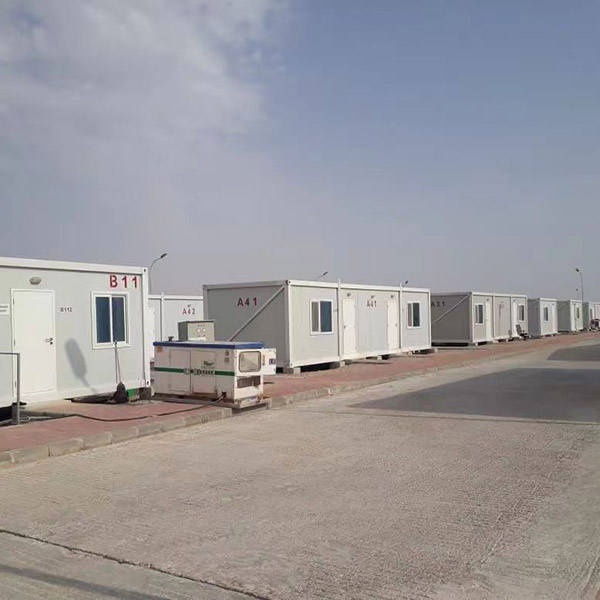
You might imagine life in a shipping container house as adventurous, but it comes with surprises. Some days, you feel cozy and proud of your unique space. Other days, you notice quirks that test your patience. You learn quickly what matters most to you. Ask yourself—do you crave simplicity, or do you need more comfort? Your answer shapes your experience.
Key Takeaways
Shipping container homes offer a budget-friendly housing option, allowing you to save money while creating a unique living space.
Sustainability is a major benefit; reusing shipping containers reduces waste and supports eco-friendly living.
Customization is key; you can design your container home to fit your lifestyle, whether you need a cozy studio or a family space.
Daily life in a container home requires smart space management; use vertical storage and multifunctional furniture to maximize your area.
Regular maintenance is essential; keep an eye on insulation, plumbing, and the exterior to ensure your home remains comfortable and safe.
Why Choose a Shipping Container House
Cost and Affordability
You might look at shipping container homes and see a budget friendly solution to the housing crisis. Many people choose this path because they want a one-of-a-kind home without breaking the bank. You can often spend less on a shipping container house than on a traditional build. Some folks in the texas hill country have found that these homes help them save money and get creative with their space. You get a unique home that stands out, and you don’t have to compromise on style.
Tip: If you’re handy or enjoy DIY projects, you can cut costs even more by doing some of the work yourself.
Sustainability Benefits
If you care about sustainability, shipping container homes offer real benefits. You reuse materials that might otherwise go to waste. You help the environment and support sustainable living. Here’s a quick look at the benefits:
People in the texas hill country often mention how these adaptable homes help them live with less impact on the planet. You get to enjoy a one-of-a-kind home and feel good about your choices.
Flexibility and Design
Shipping container homes give you freedom to create a space that fits your life. You can stack, join, or modify containers to match your needs. Want a studio, a family home, or something in between? You can make it happen. Here’s what you might consider:
Customized for unique operational challenges.
Options for climate control and specialized utility connections.
Configurable for laboratory spaces and specialized equipment housing.
You might hear stories from people who faced the housing crisis and found hope in a shipping container house. Some worked with brands like Lanen International to design their dream homes. You can build a unique home that reflects your personality and meets your needs.
Daily Life in a Shipping Container House
Space and Layout
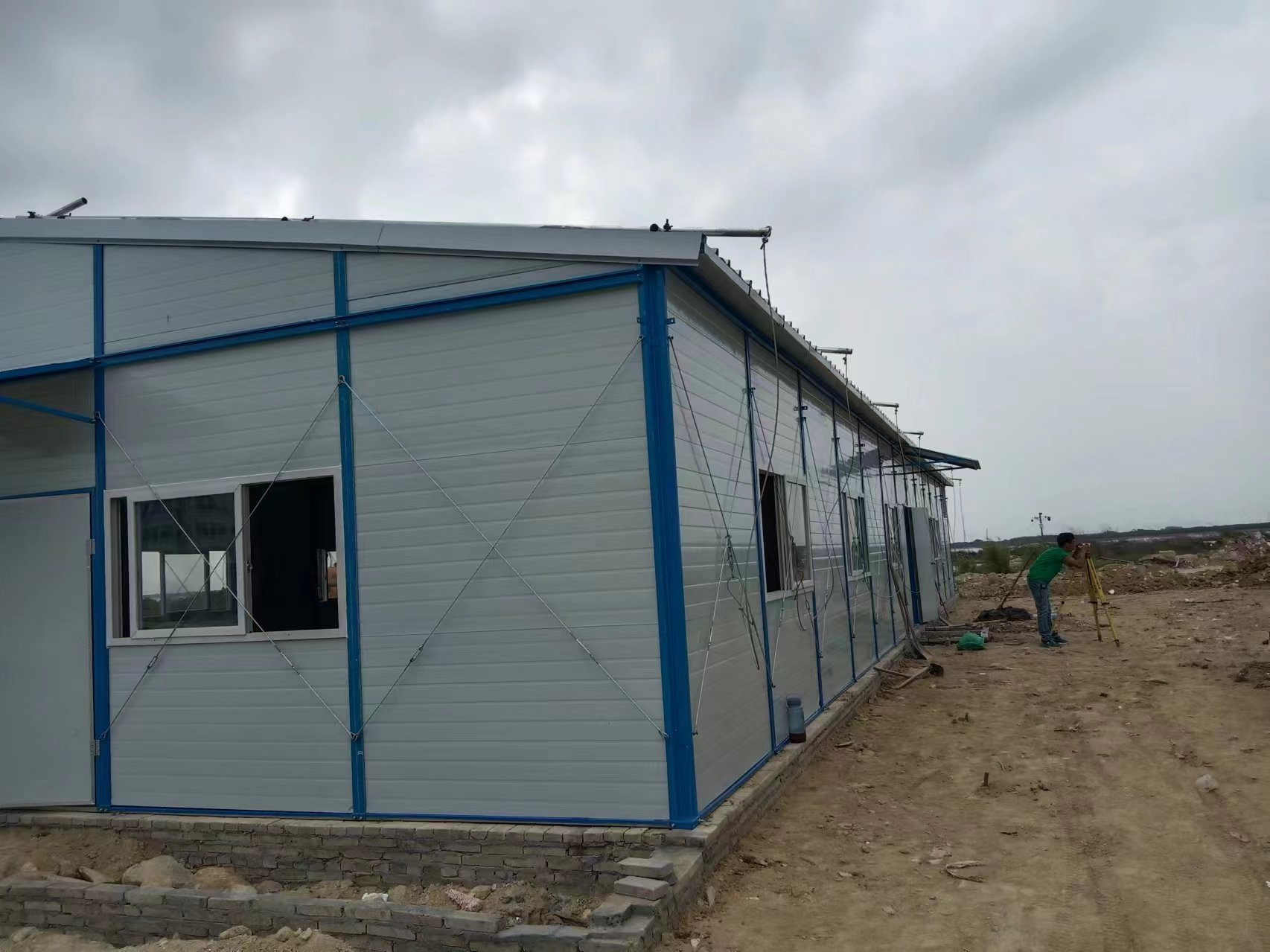
Step inside a shipping container house, and you notice the difference right away. The space feels compact. You might not find long hallways or extra rooms. Every square foot counts. You learn to use vertical storage, foldable furniture, and clever shelving. Some people love the cozy feeling. Others miss the open floor plans of traditional homes.
You may find yourself getting creative with your layout. For example, you can use a Murphy bed to free up space during the day. You might turn a corner into a reading nook or a workspace. If you have kids or pets, you need to plan even more carefully. One family I spoke with used sliding doors to separate their sleeping area from the living room. They said it made their home feel bigger and gave everyone a little privacy.
Tip: Before you move in, sketch out your ideal layout. Try different arrangements on paper or use an online tool. You’ll save time and avoid frustration later.
Comfort and Insulation
Comfort in container living depends on how well you insulate and ventilate your home. Metal walls can make the inside hot in summer and cold in winter. You need good insulation to keep the temperature steady. Some people use spray foam, while others choose rigid panels. If you skip this step, you might feel like you’re living in a toaster or a freezer.
You also need to think about airflow. Small spaces can get stuffy fast. Many owners install ceiling fans or mini-split AC units. One couple in Texas told me they added extra windows for cross-breezes. They said it made their home much more comfortable, especially during heat waves.
Noise can be another surprise. Rain on a metal roof sounds loud. You might hear every drop during a storm. Some people love the sound. Others find it hard to sleep. You can add soundproofing panels or rugs to help dampen the noise.
Utilities and Living Essentials
Setting up utilities in a shipping container house takes planning. You need to decide how you’ll get water, power, and internet. Some homes connect to city services. Others use off-grid solutions like solar panels, rainwater collection, or composting toilets.
Here’s a quick look at common options:
You may need to adjust your habits. For example, you might take shorter showers or use energy-saving appliances. One homeowner told me they learned to love their morning routine with a French press and a view of the sunrise, even if their kitchen was tiny.
Note: Brands like Lanen International can help you customize your home with the right utility hookups and climate solutions. Ask questions before you build.
Container living teaches you what you really need. You focus on essentials and let go of clutter. Some days, you feel proud of your simple, efficient space. Other days, you wish for just a little more room. That’s the reality of life in these unique homes.
Building and Customizing
Design Choices
When you start planning your shipping container house, you get to make a lot of design choices. You decide how many containers you want, how to arrange them, and what features matter most. Some people dream about a cozy studio, while others picture a multi-container setup on a 12.5-acre property. You might want big windows, a rooftop deck, or a modern kitchen. Lanen International helps you turn these ideas into reality. They offer custom designs, climate control options, and even specialized utility connections. You can ask for advice or browse their catalog for inspiration.
Tip: Sketch your dream layout before you talk to a builder. It helps you figure out what you really want.
Construction Process
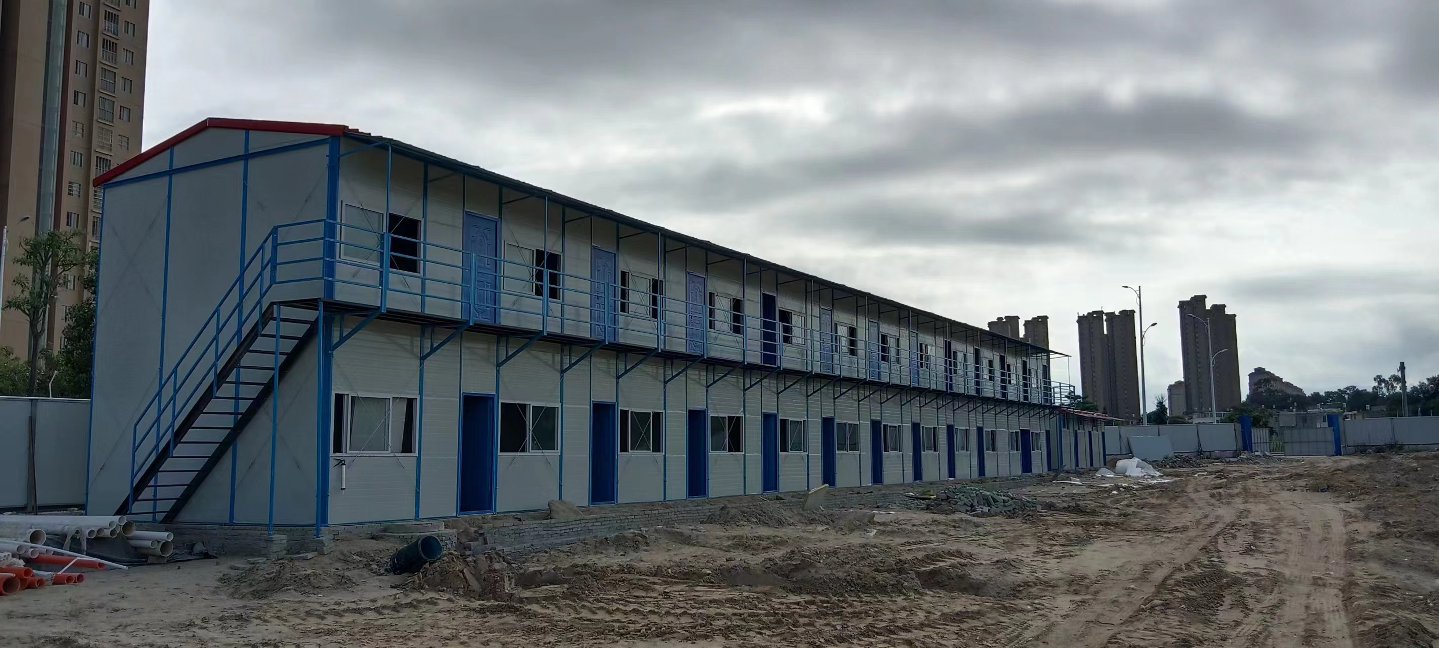
Building a shipping container house feels different from traditional construction. You start by choosing your containers and prepping your site. If you have a 12.5-acre property, you have room to spread out and try creative layouts. The builder cuts openings for doors and windows, adds insulation, and installs utilities. Lanen International guides you through each step. They handle modifications, deliver containers, and set up climate solutions. You watch your home take shape quickly compared to a regular build.
Here’s a simple breakdown:
Common Obstacles
You face some challenges during the build. Sometimes, local rules slow things down. You might need permits or inspections. On a 12.5-acre property, you deal with access roads and utility hookups. Weather can delay construction, especially if you live in a rainy area. Lanen International helps you solve these problems. They know how to work with local officials and handle tricky installations. You learn to stay flexible and patient.
Note: Always check local building codes before you start. It saves you time and headaches later.
Real-Life Challenges
Temperature and Weather
Living in shipping container homes means you deal with temperature swings. Metal walls heat up fast in summer and lose warmth quickly in winter. You might wake up sweating in July or shivering in January. Good insulation helps, but you still notice the difference compared to traditional houses. Some people install mini-split AC units or radiant heaters. Others rely on thick curtains and weatherstripping.
You learn to watch the weather forecast. A sudden cold snap or heat wave can change your plans. One homeowner told me about a storm that rattled the roof all night. She said, "You feel every drop and gust." If you live in a humid area, condensation becomes a problem. You see water droplets on windows and sometimes on the walls. Mold can grow if you ignore it.
Tip: Ask Lanen International about climate control options before you build. They offer solutions for insulation and airflow that make your shipping container house more comfortable.
Noise and Privacy
Noise surprises many people in shipping container homes. Rain sounds loud on the metal roof. You hear birds, wind, and sometimes passing cars more than you expect. If you live near neighbors, voices and music travel easily through thin walls. You might miss the quiet of a brick house.
Privacy feels different, too. Small spaces mean you hear every conversation. If you share your home, you need to set boundaries. Some families use curtains or sliding doors to create private zones. Others add rugs and wall panels to absorb sound.
Here’s a quick look at ways to improve noise and privacy:
You adjust your habits. You might wear headphones or step outside for quiet time. Over time, you get used to the sounds and learn what works for you.
Maintenance Issues
Shipping container homes need regular care. Metal rusts if you ignore it. You check for leaks after heavy rain. You patch up dents and scratches. Some owners repaint every few years to keep their homes looking fresh. If you live in a wet climate, you watch for mold and condensation.
Plumbing and electrical systems require attention. You might need to fix a leaky pipe or reset a breaker. Off-grid setups like solar panels and composting toilets need routine checks. One homeowner shared his experience with a broken water pump. He said, "You become your own handyman."
Note: Lanen International offers maintenance tips and support for their homes. Reach out if you need help with repairs or upgrades.
You learn to handle small problems before they grow. Maintenance becomes part of your routine. Some days, you feel proud of your skills. Other days, you wish for a break. That’s the reality of living in a shipping container house.
Social and Financial Impact
Community and Family Reactions
When you move into a shipping container house, you might notice a range of reactions from people around you. Some folks get excited and think your choice is creative. Others raise eyebrows and wonder why you picked a container instead of a regular house. Over time, as your home takes shape, even the skeptics start to appreciate your vision. Here’s what you might hear:
“That’s such a cool idea! I wish I could do something like that.”
“Are you sure a container is comfortable?”
“I didn’t get it at first, but now I see how unique your place is.”
You may find that your home becomes a conversation starter in your neighborhood. People ask questions and want to see how you made it work.
Financial Pros and Cons
Shipping container homes often attract people looking for affordable options. You save money on construction, especially if you handle some of the work yourself or work with brands like Lanen International for custom solutions. Your monthly living costs can be lower than those in traditional houses, especially if you use solar panels or rainwater collection. However, you might face unexpected expenses, such as permits, insulation upgrades, or repairs. Some owners say the savings are worth it, while others find the costs add up over time.
Tip: Make a budget before you start building. Include extra funds for surprises.
Lifestyle Changes
Living in a shipping container house pushes you toward efficiency and creativity. You focus on what you need, not what you want. Your home encourages a minimalistic lifestyle, helping you cut clutter and live with intention. You get to customize your space, making it reflect your personality and values. Many people find they become more eco-friendly and resourceful. You might spend more time outdoors or try new hobbies that fit your unique living situation.
Living in a shipping container house gives you a mix of freedom and challenges. You save money, help the planet, and get creative with your space. You also deal with tight rooms, weather changes, and regular upkeep. If you value simplicity and want something unique, this lifestyle might fit you. Before you decide, think about your needs and talk to experts like Lanen International. Ask yourself if you’re ready for both the practical and emotional sides of this adventure.
FAQ
How long does it take to build a shipping container house?
You can move in within a few months. The process is faster than traditional builds. Lanen International helps speed things up by handling design, delivery, and installation.
Can you live in a shipping container house year-round?
Yes, you can live in your container home all year. Good insulation and climate control make it comfortable in every season. You need to plan for local weather.
Is it hard to get permits for a shipping container house?
You might face challenges with permits. Rules change by location. Lanen International offers advice and helps you work with local officials to meet requirements.
What utilities can you install in a shipping container home?
You can set up electricity, water, and internet. Many owners use solar panels or rainwater tanks. Lanen International customizes utility hookups for your needs.